


Summary
Dual-income households often face unique tax challenges—from higher marginal brackets to complicated withholding and childcare deductions. Smart tax planning can help couples reduce liability, avoid surprises at filing time, and take advantage of credits and retirement strategies. Understanding how income stacking, deductions, and tax-advantaged accounts interact is key to building an efficient household tax strategy.
Why Taxes Work Differently for Dual-Income Households
For many American families, two incomes provide financial stability and faster wealth building. However, the U.S. tax system can create unexpected complications when both spouses earn substantial income.
The issue most couples encounter is income stacking. When two salaries combine, the household may move into higher tax brackets, phase out of valuable deductions or credits, and face larger withholding errors. According to the IRS Statistics of Income division, married couples filing jointly often move two brackets higher once both incomes are combined.
For example:
If each spouse earns $75,000 individually, both would fall comfortably within mid-level tax brackets as single filers. But together as a married couple earning $150,000, their marginal tax bracket increases, and eligibility for certain credits—like the student loan interest deduction or education credits—may start to phase out.
This doesn’t mean dual incomes are disadvantageous. It simply means tax planning becomes more important.
Understanding the “Marriage Penalty” vs. “Marriage Bonus”
The concept of the marriage penalty appears frequently in tax discussions, but it doesn’t affect every household.
In simple terms, a marriage penalty occurs when a married couple pays more combined tax than they would have as two single filers. A marriage bonus happens when they pay less.
Dual-income couples with similar salaries are the most likely to encounter a penalty because their incomes stack into higher brackets more quickly.
Example scenario:
- Spouse A earns $120,000
- Spouse B earns $110,000
Combined income: $230,000
This pushes the couple into higher marginal brackets faster than if one spouse earned the majority of income.
However, couples with very different incomes often receive a marriage bonus because joint filing spreads the income across wider brackets.
The takeaway: dual-income households should periodically evaluate whether their withholding and tax strategy still match their income profile.

Adjusting Withholding to Avoid Tax Surprises
One of the most common problems for dual-income couples is under-withholding.
Many employers calculate tax withholding assuming the employee is the only income earner in the household. When both spouses earn salaries, the combined withholding often falls short.
This frequently results in a large tax bill in April.
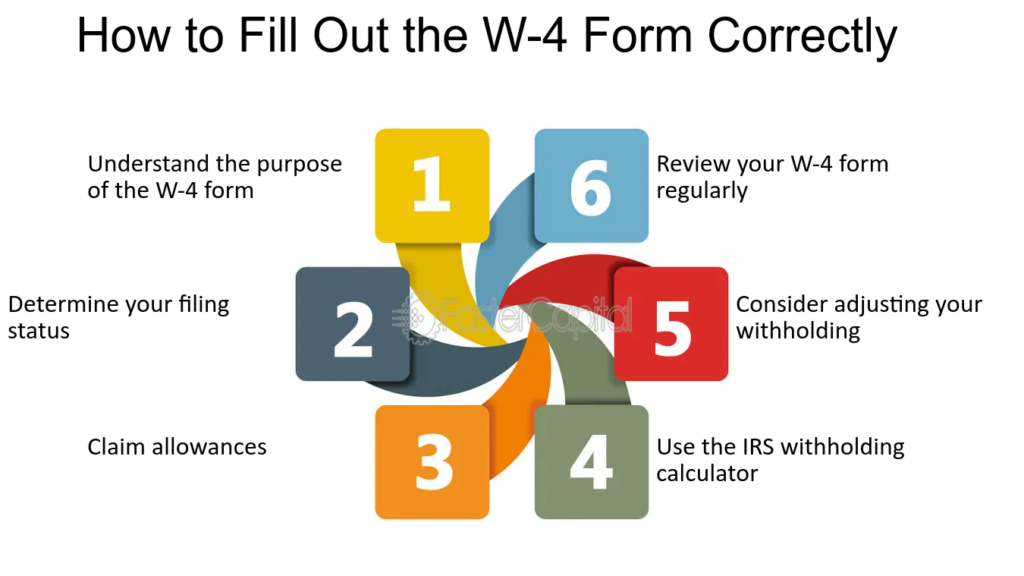
Couples can prevent this by coordinating their W-4 forms.
Steps that typically help:
- Use the IRS Tax Withholding Estimator
- Indicate multiple jobs or working spouses on the W-4
- Increase withholding on the higher income salary
- Review withholding after raises or job changes
A simple adjustment early in the year can prevent unexpected liabilities later.
Maximizing Retirement Contributions
Retirement accounts are among the most powerful tax tools available to dual-income households.
Contributions to traditional retirement plans reduce taxable income, allowing couples to lower their tax bracket while saving for the future.
Common strategies include:
- Maxing out 401(k) contributions at both employers
- Contributing to Traditional or Roth IRAs
- Using spousal IRA contributions when one partner qualifies
For 2025 tax planning ranges, many retirement accounts allow $23,000+ annual contributions per person for 401(k) plans, with additional catch-up contributions for those over 50.
Consider this example:
A couple earning $220,000 contributes the maximum to both 401(k) accounts. Their taxable income can drop by more than $40,000, potentially lowering their marginal bracket.
Beyond tax reduction, retirement accounts also provide tax-deferred growth, which compounds the benefit over decades.
Making the Most of Childcare and Family Tax Credits
Dual-income households with children often qualify for several tax benefits designed to offset childcare costs.
The most valuable credits include:
- Child Tax Credit
- Child and Dependent Care Credit
- Dependent Care Flexible Spending Accounts (FSA)
Childcare costs can easily exceed $10,000 per year per child in many U.S. cities, according to data from Child Care Aware of America.
A Dependent Care FSA allows families to contribute pre-tax dollars toward childcare expenses, reducing taxable income.
Example:
If a couple contributes $5,000 to a Dependent Care FSA and falls in a 24% federal tax bracket, they could save about $1,200 in federal taxes, not including state tax benefits.
These accounts must typically be used within the plan year, so planning ahead is essential.

Health Savings Accounts: A Powerful Tax Advantage
Health Savings Accounts (HSAs) are often overlooked but can be extremely beneficial for dual-income households enrolled in high-deductible health plans.
HSAs offer a rare triple tax advantage:
- Contributions are tax-deductible
- Growth is tax-free
- Withdrawals for qualified medical expenses are tax-free
For families, annual contribution limits can exceed $8,000, providing another way to lower taxable income.
Some financial planners even recommend treating HSAs as long-term investment accounts, paying current medical expenses out of pocket and allowing the HSA balance to grow tax-free.
Managing Taxable Investments Strategically
As dual-income households build wealth, taxable investment accounts often become part of the financial picture.
Without careful planning, investment income can increase tax liability through:
- Capital gains taxes
- Dividend taxation
- Net investment income tax (for higher earners)
Smart strategies include:
- Holding investments for long-term capital gains rates
- Tax-loss harvesting during market downturns
- Placing tax-inefficient assets in retirement accounts
For example, selling an investment after holding it for over one year typically qualifies for long-term capital gains rates, which are often lower than ordinary income tax rates.
Over time, these strategies can significantly improve after-tax investment returns.
Coordinating Employer Benefits Between Spouses
Dual-income households often overlook an important tax opportunity: benefit coordination.
When both partners have access to employer benefits, reviewing them side-by-side can unlock additional tax advantages.
Areas worth evaluating include:
- Health insurance plan selection
- Flexible spending accounts
- Health Savings Accounts eligibility
- Employer retirement matching
- Stock purchase programs
For instance, if one employer offers a better retirement match, prioritizing contributions to that account can increase total compensation and tax savings.
Similarly, one spouse’s health plan might offer lower premiums, allowing the other spouse to decline coverage and redirect savings into retirement contributions.
State Tax Considerations for Dual Earners
Taxes don’t stop at the federal level. State tax rules can also affect dual-income couples.
Some states impose progressive income tax brackets, while others have flat taxes. Certain states also offer deductions or credits tied to household income.
Couples who live and work in different states may face additional filing complexity.
Common state-level issues include:
- Nonresident tax returns
- Credits for taxes paid to another state
- Local income taxes in some municipalities
Consulting a tax professional can help couples avoid double taxation and ensure compliance with both states’ rules.
Planning Ahead for Major Life Changes
Tax planning should evolve as a household’s financial situation changes.
Major life events that affect taxes include:
- Marriage
- Birth or adoption of a child
- Home purchases
- Career changes
- Starting a business
- Relocation
For dual-income households, these transitions often shift eligibility for deductions, credits, and tax brackets.
Reviewing tax strategy **annually—not just at filing time—**helps families adjust proactively rather than reacting to surprises.
Frequently Asked Questions
Do dual-income couples pay more taxes?
Not necessarily. Some couples experience a marriage penalty, while others receive a marriage bonus. The outcome depends largely on income levels and how similar the spouses’ salaries are.
Should both spouses adjust their W-4 forms?
Yes. If both spouses work, each W-4 should reflect multiple jobs in the household to prevent under-withholding.
Is filing jointly always better for married couples?
In most cases, yes. Filing jointly provides wider tax brackets and eligibility for more credits. However, some couples with unique financial circumstances may benefit from filing separately.
How can dual-income couples reduce taxable income?
Common strategies include retirement contributions, HSAs, flexible spending accounts, and tax-efficient investment planning.
Do two incomes affect eligibility for tax credits?
Yes. Many credits phase out as income rises, including education credits and certain deductions.
Are childcare costs tax deductible?
Childcare expenses are not directly deductible but may qualify for the Child and Dependent Care Credit or Dependent Care FSA benefits.
Can both spouses contribute to retirement accounts?
Yes. If both spouses have earned income, they can each contribute to employer retirement plans and IRAs.
What is the best tax strategy for high-income dual earners?
High earners often benefit from maximizing tax-advantaged accounts, managing capital gains carefully, and coordinating employer benefits.
Should dual-income households hire a tax professional?
For households with complex income sources or investments, professional guidance can help optimize tax strategy and ensure compliance.
How often should couples review their tax plan?
At least once per year, ideally before the end of the tax year so adjustments can still be made.
Building a Tax Strategy That Works for Two Careers
Dual-income households have powerful financial potential—but tax efficiency requires coordination. By aligning withholding, maximizing retirement accounts, leveraging tax-advantaged benefits, and reviewing strategies annually, couples can reduce tax friction while strengthening long-term financial stability.
The key isn’t avoiding taxes entirely—it’s structuring income, savings, and investments in ways that make the tax system work in your favor.
Key Lessons for Dual-Income Financial Planning
- Two incomes can push households into higher tax brackets faster
- Coordinated W-4 withholding helps prevent unexpected tax bills
- Retirement contributions are one of the most effective tax reduction tools
- HSAs provide unique triple tax advantages
- Childcare credits and FSAs can offset family expenses
- Investment tax strategies matter as household wealth grows
- Employer benefit coordination can unlock additional tax savings
- State tax rules may complicate filings for couples working in different states
- Annual tax reviews help couples adapt to life and income changes