

Summary
Sustainable farming improves soil health, reduces long-term costs, and strengthens land productivity—factors that increasingly influence farmland value across the United States. As buyers, investors, and lenders prioritize resilient agricultural land, properties managed with regenerative or conservation practices often command higher long-term value, improved lease potential, and stronger income stability compared with conventionally managed farmland.
Understanding Sustainable Farming
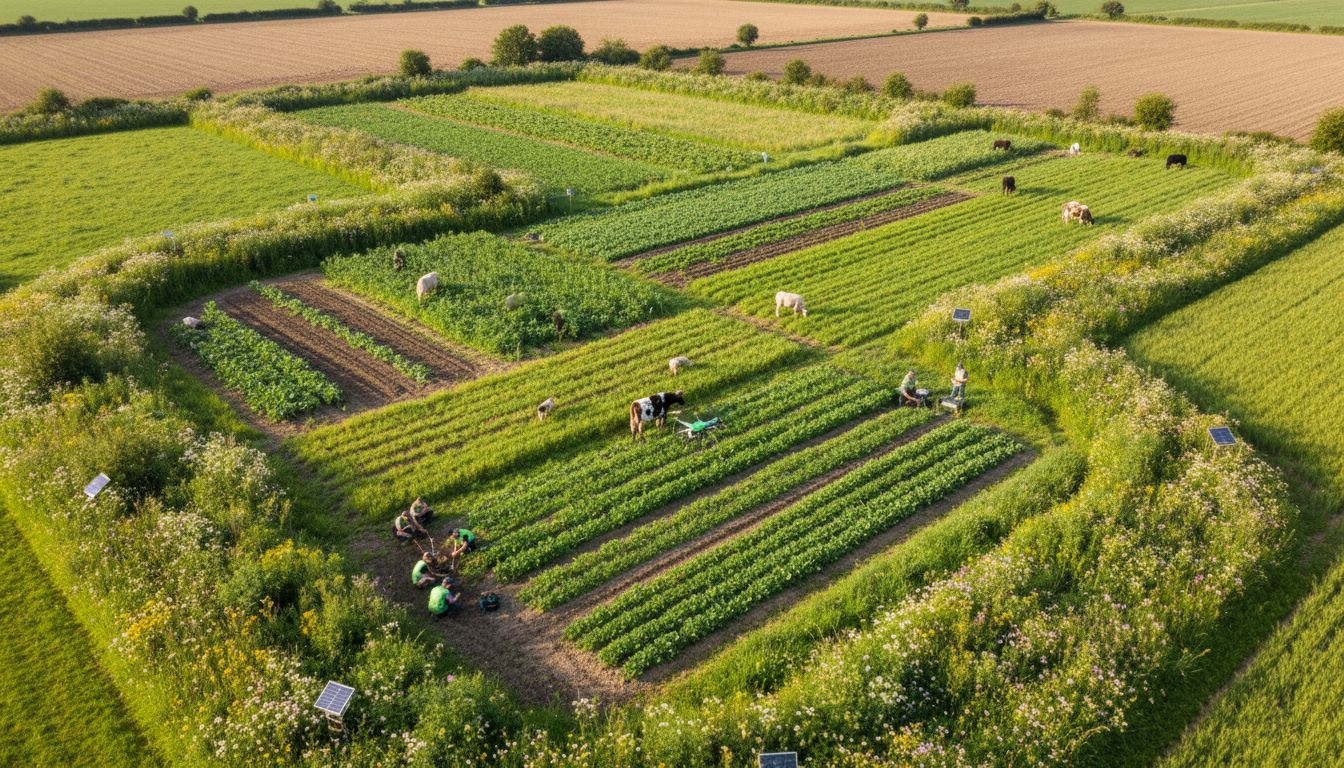
Sustainable farming refers to agricultural systems that maintain soil fertility, conserve water, protect ecosystems, and remain economically viable over time. Rather than focusing solely on short-term yields, sustainable agriculture emphasizes long-term productivity and land stewardship.
In the United States, sustainable farming often overlaps with practices such as regenerative agriculture, conservation agriculture, organic farming, and climate-smart agriculture. While these systems vary in methods, they share a central goal: ensuring farmland remains productive for decades rather than being degraded through intensive practices.
For landowners and investors, this shift matters. Agricultural land is increasingly valued not only for current crop yield but also for soil health, environmental resilience, and long-term productivity.
According to the USDA Natural Resources Conservation Service (NRCS), soil degradation and erosion historically reduced agricultural productivity on millions of acres. Sustainable management practices can restore soil structure and increase organic matter, directly affecting the long-term value of farmland.

Why Land Value Depends on Soil Health
Land value in agriculture is largely tied to one underlying factor: productive capacity. Sustainable farming improves this capacity by strengthening the biological systems that support crop growth.
Healthy soil holds more nutrients, retains water longer, and supports beneficial microorganisms. Over time, these improvements translate into more reliable yields and lower input costs.
When farmland buyers evaluate property, they typically assess:
- Soil organic matter levels
- Erosion risk
- Drainage and water retention
- Crop productivity history
- Conservation practices in place
- Long-term sustainability of the land
Land with strong soil health indicators often commands a premium because it reduces production risk and improves the likelihood of consistent returns.
Research from the University of Illinois farmland studies suggests that soil productivity ratings are one of the most significant factors influencing farmland sale prices in the Midwest.
Core Sustainable Farming Practices That Influence Land Value
Several sustainable agricultural practices directly affect land productivity and, therefore, land valuation.
1. Cover Cropping
Cover crops—such as clover, rye, or radishes—are planted between main crop seasons to protect and improve soil.
Benefits include:
- Reduced soil erosion
- Increased organic matter
- Improved nutrient cycling
- Better moisture retention
A farm using long-term cover cropping often shows improved soil structure and reduced fertilizer dependence. Buyers frequently view this as a sign of responsible land management.
2. Crop Rotation
Rotating crops—such as corn, soybeans, wheat, and legumes—helps prevent nutrient depletion and pest buildup.
Benefits:
- Improved soil fertility
- Reduced pesticide dependence
- Greater yield stability
Land with well-documented rotation practices tends to maintain productivity longer, which supports stronger long-term valuation.
3. Reduced or No-Till Farming
Traditional plowing disturbs soil structure and accelerates erosion. No-till or reduced-till systems minimize soil disruption.
Advantages include:
- Reduced soil erosion
- Improved water infiltration
- Increased carbon storage in soil
Many farmland investors now view no-till management as a positive indicator of sustainable land stewardship.
4. Integrated Livestock Systems
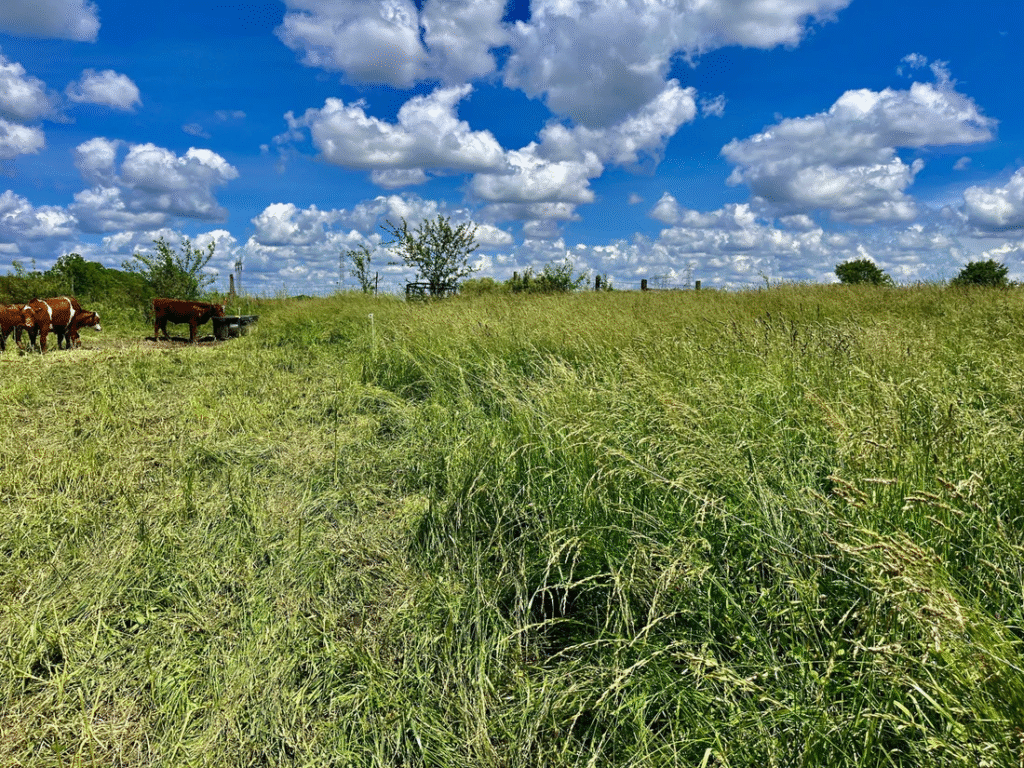
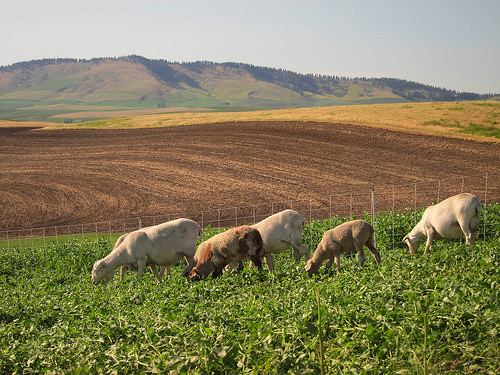
Some farms integrate livestock with crop production, allowing animals to graze crop residues or rotational pasture systems.
Benefits include:
- Natural nutrient recycling through manure
- Reduced fertilizer inputs
- Enhanced soil biology
These systems can significantly increase soil organic matter over time, strengthening the productive value of farmland.
The Financial Connection Between Sustainability and Land Prices
Sustainable practices influence land value in several ways beyond soil health.
1. Lower Operating Costs
Farmers using regenerative practices often spend less on fertilizers, pesticides, and irrigation over time.
Lower input costs improve profit margins, making the land more attractive to both buyers and tenants.
2. Increased Long-Term Yield Stability
Sustainable systems often produce slightly lower peak yields in some seasons but deliver more stable production across variable weather conditions.
Stability is valuable for investors and lenders because it reduces financial risk.
3. Stronger Lease Demand
In many regions of the United States, experienced farmers prefer renting land that already has good soil structure and conservation systems in place.
This demand can increase lease rates for sustainably managed farmland.
4. Access to Conservation Incentives
Programs from agencies such as the USDA NRCS and USDA Farm Service Agency (FSA) provide incentives for conservation practices.
Examples include:
- Conservation Stewardship Program (CSP)
- Environmental Quality Incentives Program (EQIP)
- Carbon and soil health initiatives
Participation in these programs can increase land revenue potential.
The Growing Investor Interest in Sustainable Farmland
Over the past decade, farmland has become a recognized asset class among institutional investors. Pension funds, insurance companies, and farmland investment firms increasingly evaluate sustainability metrics when purchasing agricultural land.
These investors look for:
- Soil health metrics
- Water management practices
- Carbon sequestration potential
- Climate resilience
Why does this matter for land value?
Institutional buyers typically pay premium prices for farmland that shows strong long-term environmental sustainability, since it reduces future degradation risk.
According to farmland investment reports from FarmTogether and USDA Economic Research Service, farmland with strong conservation management can maintain higher long-term value appreciation compared with degraded land.
Carbon Markets and the Future Value of Sustainable Land
A relatively new factor influencing farmland value is agricultural carbon markets.
These markets pay farmers for practices that capture carbon in soil, such as:
- No-till farming
- Cover cropping
- Agroforestry
- Regenerative grazing
Companies and carbon registries measure the amount of carbon stored in soil and compensate farmers accordingly.
Although the carbon market is still developing, it introduces a new revenue stream tied directly to sustainable land management.
Farmland with established soil-building practices may become more valuable because it is eligible for carbon credit programs.
Real-World Example: Regenerative Farming Increasing Land Productivity
In parts of Iowa and Nebraska, farmers have reported significant improvements in soil health after transitioning to regenerative practices.
For example, farms implementing cover crops and no-till systems for several years have documented:
- Increased soil organic matter
- Improved water infiltration
- Reduced fertilizer use
Some farmers have seen soil organic matter increase from 2–3% to 5% or higher over time, dramatically improving soil productivity.
While improvements occur gradually, this type of land often attracts buyers willing to pay more because the soil system has already been restored.
Regional Differences in Sustainable Farming Value
The impact of sustainable farming on land value varies across regions.
Midwest
The Midwest contains some of the most productive farmland in the world. Here, sustainability practices often focus on preventing soil erosion and nutrient runoff.
Buyers increasingly consider conservation practices when evaluating farmland quality.
Western United States
Water availability plays a major role in land value. Sustainable water management, irrigation efficiency, and soil moisture retention can significantly affect land prices.
Southeast
In southern states, sustainable forestry, pasture management, and soil conservation influence agricultural and rural land values.
Potential Challenges When Transitioning to Sustainable Farming
While sustainable farming provides long-term benefits, the transition can involve short-term challenges.
Common barriers include:
- Initial equipment investment for no-till systems
- Learning curve for new farming methods
- Temporary yield adjustments during soil recovery
- Additional management complexity
However, many farmers report that once systems stabilize, cost savings and soil health improvements outweigh the early challenges.
Frequently Asked Questions
1. Does sustainable farming increase farmland value?
Yes. Sustainable farming can increase land value by improving soil productivity, reducing erosion, and enhancing long-term agricultural stability.
2. How does soil health affect farmland prices?
Soil health directly affects crop productivity. Land with higher organic matter and better structure typically produces more reliable yields, increasing its market value.
3. Are investors interested in sustainable farmland?
Yes. Many farmland investment firms now prioritize sustainability metrics because they indicate long-term productivity and reduced environmental risk.
4. Can sustainable practices reduce farming costs?
Over time, sustainable farming often lowers fertilizer, pesticide, and irrigation costs while maintaining productive soil systems.
5. What sustainable practice has the biggest impact on soil health?
Cover cropping and reduced tillage are widely recognized as two of the most effective practices for improving soil structure and organic matter.
6. How long does it take to improve soil through sustainable farming?
Meaningful soil improvements typically occur over several years, although some benefits—such as reduced erosion—can appear within the first season.
7. Do government programs support sustainable farming?
Yes. Several USDA programs provide financial incentives for conservation practices and soil health improvements.
8. Can sustainable farming improve drought resilience?
Yes. Healthy soil retains water more effectively, helping crops survive periods of limited rainfall.
9. Are carbon markets profitable for farmers?
Carbon markets are still developing, but some farmers are already earning additional income by adopting carbon-sequestering practices.
10. Is organic farming the same as sustainable farming?
Not necessarily. Organic farming follows strict certification rules, while sustainable farming is a broader approach focused on long-term environmental and economic viability.
The Long-Term Value of Stewardship
Farmland is more than a financial asset—it is a living ecosystem. Sustainable farming practices protect soil fertility, conserve water, and improve the resilience of agricultural landscapes. As awareness grows among farmers, investors, and landowners, land managed with long-term stewardship is increasingly recognized as both environmentally responsible and economically valuable.
For landowners thinking about the future, sustainable management is not simply a trend. It is a strategy that preserves productivity, supports rural economies, and strengthens the enduring value of agricultural land.
Key Insights at a Glance
- Soil health is one of the strongest drivers of farmland value
- Sustainable practices improve long-term productivity
- Conservation management attracts farmland investors
- Reduced input costs improve profitability for farmers
- Carbon markets may create new revenue streams
- Government conservation programs support sustainable transitions
- Climate resilience increases the strategic value of farmland