

Summary
Technology is reshaping how real estate is designed, built, marketed, and managed. From AI-powered property analysis and smart building systems to digital leasing platforms and predictive maintenance tools, modern property development increasingly depends on technology. For developers, property managers, and investors, understanding these tools is becoming essential for improving efficiency, controlling costs, and meeting evolving tenant expectations.
A Digital Shift Transforming Real Estate
Real estate has historically been slow to adopt new technologies. For decades, many development and management processes relied on paper contracts, manual inspections, and traditional marketing methods. Today, however, the industry is experiencing a steady digital transformation.
Several factors are driving this shift. Rising construction costs, increasing tenant expectations, and the complexity of modern property operations are pushing developers and managers to adopt smarter tools. At the same time, new technologies are making it easier to collect data, automate routine tasks, and manage properties remotely.
According to the National Association of Realtors (NAR), over 90% of homebuyers begin their property search online, illustrating how digital platforms now influence real estate decisions long before a property visit occurs. Meanwhile, property management software, smart building systems, and advanced analytics are helping professionals operate buildings more efficiently.
Technology is no longer simply a convenience in real estate—it has become part of the core infrastructure of modern property development and management.

Digital Tools in Modern Property Development
The development process involves multiple stages: land acquisition, design, financing, construction, and marketing. Technology now supports nearly every step of that lifecycle.
One of the most influential tools is Building Information Modeling (BIM). BIM software allows architects, engineers, and developers to create detailed digital models of buildings before construction begins. These models integrate structural, mechanical, electrical, and plumbing systems into a single digital environment.
This approach helps development teams detect potential design conflicts early. For example, if a plumbing system overlaps with structural beams, the conflict can be resolved digitally before construction crews encounter it on-site. The result is fewer costly delays and better coordination among contractors.
Other development technologies are also becoming standard practice:
- Drone surveys for faster and more accurate land assessments
- 3D visualization and virtual walkthroughs that help investors understand projects before construction
- Construction management software for scheduling, budgeting, and contractor coordination
- Geographic Information Systems (GIS) to analyze land use, zoning, and infrastructure access
Large-scale developers often use these tools together to manage complex projects that span multiple buildings or entire neighborhoods.
For example, master-planned communities in Texas and Arizona increasingly rely on GIS mapping to analyze transportation access, environmental constraints, and future infrastructure development before construction begins.
Smart Buildings and Intelligent Infrastructure
Another major shift is the rise of smart building technology, which integrates sensors, automation systems, and cloud-based controls into property operations.
Smart buildings use interconnected systems to monitor and control functions such as lighting, heating, cooling, and security. Instead of operating independently, these systems communicate with one another and respond to real-time data.
For property owners and managers, this integration can lead to measurable operational improvements.
Smart building systems commonly include:
- Automated HVAC systems that adjust temperatures based on occupancy
- Smart lighting that responds to daylight levels or room usage
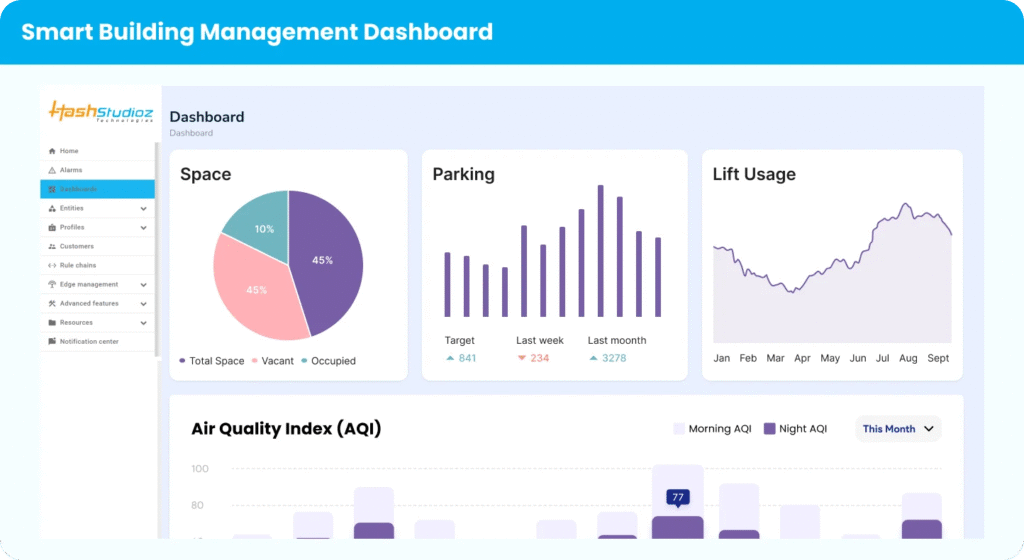
- Energy monitoring dashboards for property managers
- Occupancy sensors that track space utilization
- Integrated security and access control systems
The U.S. Department of Energy estimates that smart building technologies can reduce energy consumption by 10–30% in commercial buildings, depending on system integration and building age.
For large office buildings or multifamily communities, these savings can translate into significant reductions in operating expenses while also supporting sustainability goals.
Artificial Intelligence and Data Analytics in Real Estate
Artificial intelligence (AI) and advanced data analytics are increasingly influencing property decisions. While the technology may sound complex, its core function is straightforward: analyzing large datasets to identify patterns that humans might miss.
In property development, AI can evaluate large numbers of variables to determine the best potential locations for new projects. These systems analyze demographic trends, population growth, transportation access, and housing demand to estimate future market potential.
Property managers are also beginning to use predictive analytics. These tools analyze historical maintenance data and building performance metrics to anticipate potential issues before they occur.
For example, an AI-driven maintenance system might identify early signs that a building’s HVAC equipment is likely to fail within the next few months. Maintenance teams can then schedule repairs proactively rather than responding to an emergency breakdown.
This type of predictive approach can reduce repair costs and prevent tenant disruptions.
AI applications in property management often include:
- Rent pricing analysis based on local market trends
- Predictive maintenance alerts
- Tenant behavior analytics
- Investment risk modeling for developers and investors
While AI will not replace human decision-making in real estate, it is becoming an increasingly valuable support tool for complex operational decisions.
Technology Improving the Tenant Experience
Technology is also changing how tenants interact with buildings and property managers.
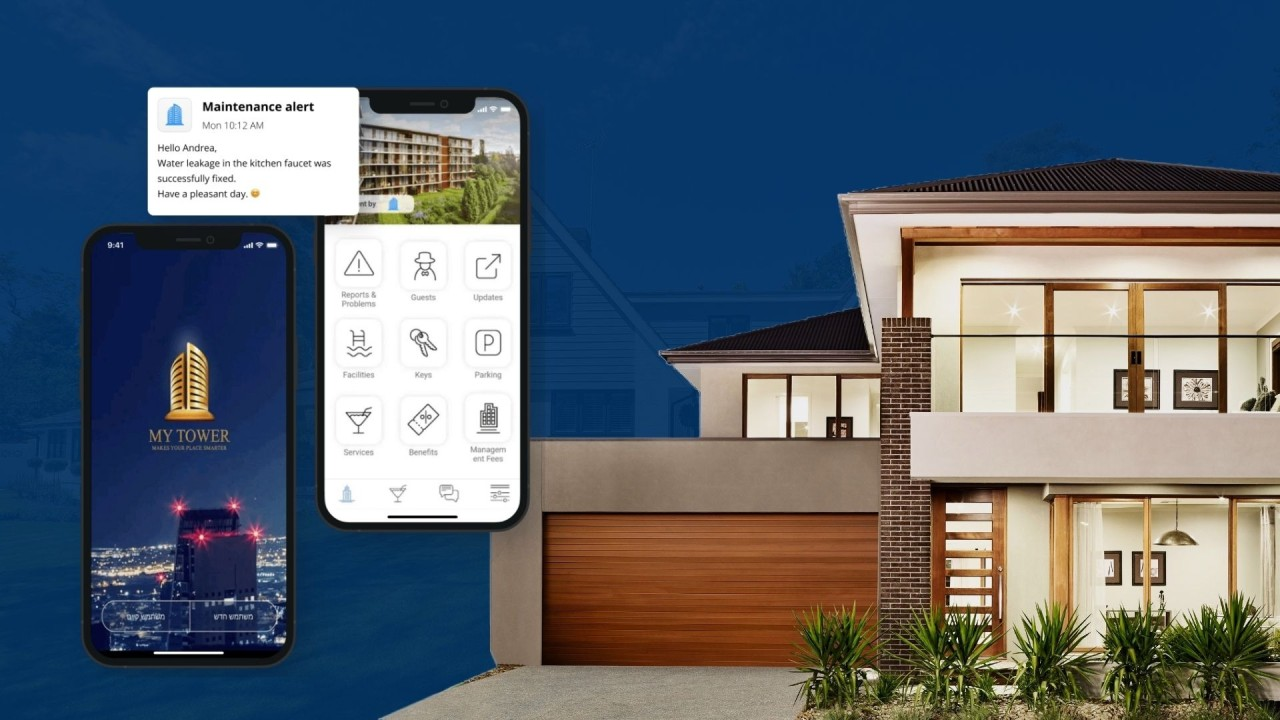
For residential tenants, mobile apps now provide direct access to building services. Many modern apartment communities offer digital platforms where residents can pay rent, submit maintenance requests, reserve shared amenities, and receive community updates.
In commercial properties, tenant experience platforms often include additional features such as visitor registration systems, conference room booking, and workplace analytics.
These technologies serve two important purposes. First, they improve convenience for tenants. Second, they provide property managers with data about how building spaces are used.
For example, workplace analytics in office buildings can track how frequently meeting rooms are used or which areas of the building experience the most foot traffic. Property managers can use this data to adjust layouts, improve services, or optimize cleaning schedules.
As hybrid work models become more common, such data is helping landlords better understand how tenants use office space.
Digital Leasing and Online Marketplaces
The leasing process has also become increasingly digital. Prospective tenants and buyers now expect quick access to property information, virtual tours, and online applications.
Several technological changes are shaping the modern leasing process:
- Online listing platforms that distribute property information widely
- Virtual property tours using 3D imaging technology
- Digital lease agreements and electronic signatures
- Automated tenant screening systems
These tools allow property managers to process applications more efficiently and reduce administrative workloads.
For example, during the COVID-19 pandemic, many apartment communities adopted virtual tour platforms. Even as in-person showings returned, these tools remained popular because they allow prospective tenants to evaluate properties remotely before scheduling visits.
For developers marketing new projects, digital visualization tools are especially valuable. Buyers can explore interactive 3D models of buildings months before construction is complete.
Property Management Software and Automation
Perhaps the most significant technological change in property management is the widespread adoption of integrated management software.
Property management platforms allow managers to oversee multiple aspects of building operations from a single dashboard. These systems typically combine accounting, maintenance tracking, tenant communication, and leasing management.
Key capabilities often include:
- Automated rent collection and financial reporting
- Maintenance request tracking and work order management
- Tenant communication portals
- Lease expiration alerts and renewal management
- Vendor coordination and contractor scheduling
For large property portfolios, these systems reduce administrative complexity and improve transparency.
A property management company overseeing dozens of apartment communities can monitor occupancy rates, maintenance requests, and revenue performance across its entire portfolio in real time.
Sustainability and Environmental Monitoring
Environmental sustainability has become an important priority for many property developers and building owners.
Technology is playing a key role in helping buildings reduce energy use, water consumption, and carbon emissions.
Advanced building monitoring systems track environmental performance across multiple metrics. These systems collect data from energy meters, water systems, and HVAC equipment to identify inefficiencies.
For example, a commercial building might detect that a particular floor consumes unusually high electricity levels during nighttime hours. Property managers can investigate whether equipment is being left on unnecessarily or whether mechanical systems require adjustment.
Many developers are also integrating renewable energy systems such as rooftop solar panels and battery storage. Smart energy management platforms allow these systems to interact with building operations.
In cities like New York and San Francisco, stricter building energy regulations are accelerating the adoption of these technologies.
Challenges and Limitations of Real Estate Technology
Despite its benefits, technology adoption in real estate also presents challenges.
Many buildings—particularly older properties—were not originally designed to support modern smart systems. Retrofitting older structures can require significant upgrades to electrical systems, wiring, and network infrastructure.
Cybersecurity is another growing concern. As buildings become more connected, they also become potential targets for digital security threats. Property owners must ensure that building systems are properly protected and regularly updated.
Cost considerations also play a role. While technology can generate long-term savings, the upfront investment required for new systems may be substantial.
For smaller property owners, evaluating which technologies provide the greatest value can be difficult.
Frequently Asked Questions
What technology is most commonly used in property management today?
Property management software platforms are the most widely used tools, allowing managers to handle leasing, maintenance requests, accounting, and tenant communication through centralized digital systems.
How do smart buildings reduce operating costs?
Smart building systems optimize energy use, automate lighting and climate controls, and detect equipment issues early, which can reduce utility expenses and maintenance costs.
What is Building Information Modeling (BIM)?
BIM is a digital modeling technology used in construction and development to create detailed 3D building models that integrate structural, mechanical, and electrical systems.
Is artificial intelligence widely used in real estate?
AI is increasingly used for market analysis, rent pricing models, predictive maintenance, and investment decision support, though adoption varies across companies.
Are smart home technologies common in apartment buildings?
Yes. Many modern apartment communities include smart thermostats, digital locks, and app-based access systems that allow residents to control features from their phones.
How do drones help property developers?
Drones provide high-resolution aerial surveys of development sites, allowing developers to analyze land conditions, monitor construction progress, and create marketing visuals.
Can technology improve tenant satisfaction?
Yes. Digital tenant portals, online maintenance systems, and smart building features often make property services more convenient and responsive.
What role does data play in property development?
Data analysis helps developers evaluate market demand, select development locations, and predict future property values based on demographic and economic trends.
Are digital lease agreements legally valid?
Yes. Electronic signatures and digital contracts are legally recognized in the United States under the Electronic Signatures in Global and National Commerce (E-SIGN) Act.
Will technology replace property managers?
Technology is unlikely to replace managers entirely. Instead, it serves as a tool that improves efficiency while allowing professionals to focus on strategic decisions and tenant relationships.
Looking Ahead: The Digitally Connected Property Ecosystem
Technology is steadily transforming real estate from a traditionally manual industry into a more data-driven, digitally connected ecosystem. Developers are using advanced modeling tools to design smarter buildings, while property managers rely on digital platforms to operate properties more efficiently.
At the same time, tenants are becoming accustomed to technology-enabled living and working environments. Smart access systems, mobile apps, and responsive maintenance platforms are quickly becoming standard expectations.
For developers, property owners, and managers, the goal is not simply adopting technology for its own sake. The most effective strategies focus on tools that improve decision-making, reduce operational complexity, and enhance the long-term performance of buildings.
Real estate will always depend on physical structures and human relationships, but technology is increasingly shaping how those structures are built, managed, and experienced.
Key Insights at a Glance
- Technology now supports nearly every stage of property development
- Smart building systems can significantly reduce energy use and operating costs
- AI and analytics help identify market trends and maintenance needs
- Digital leasing platforms simplify the tenant acquisition process
- Property management software improves operational oversight
- Sustainability technologies are becoming central to building operations
- Data-driven decision making is shaping future real estate strategies