

Summary
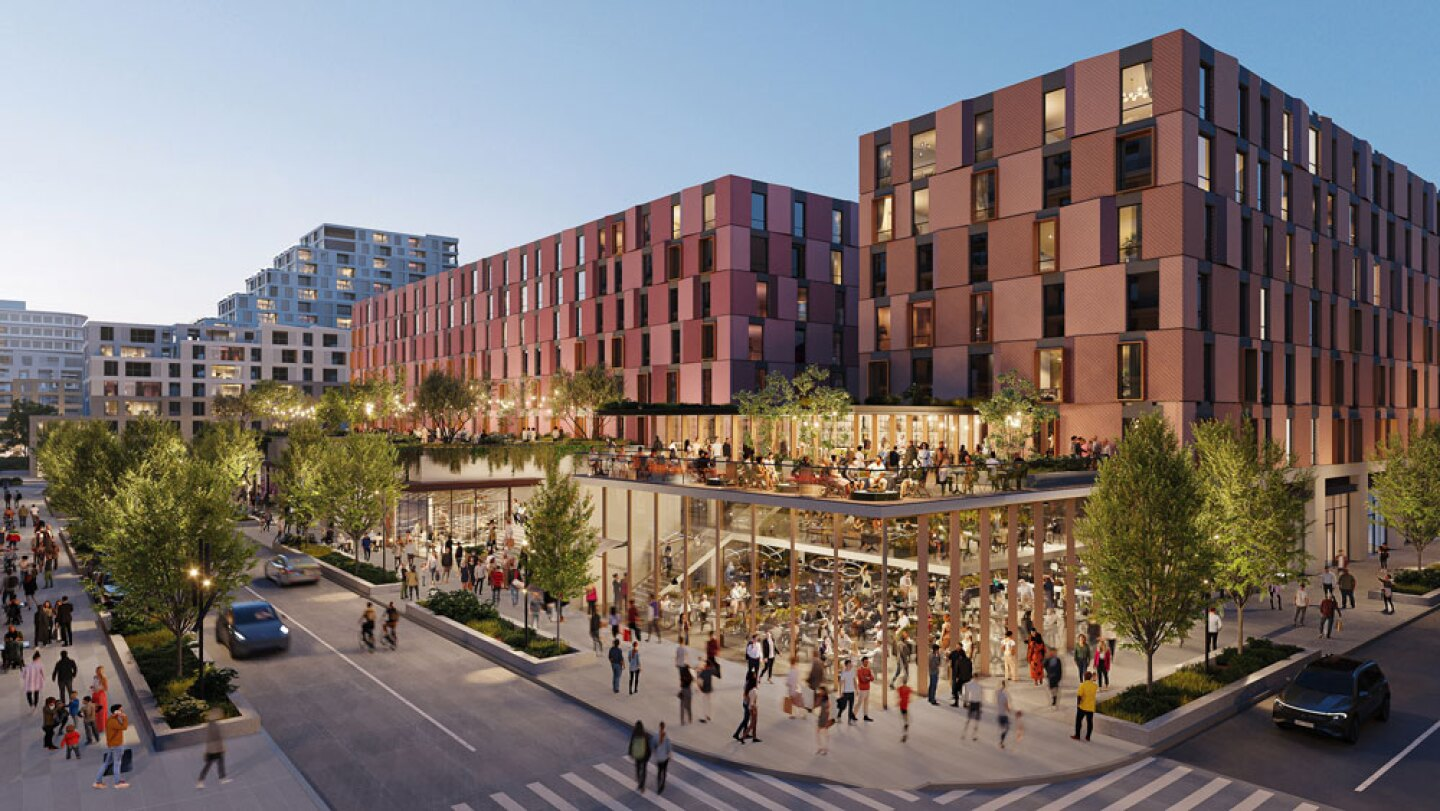
Master-planned communities are large, carefully designed residential developments that integrate housing, infrastructure, amenities, and long-term growth strategies. Their success depends on thoughtful land planning, transportation access, environmental stewardship, and community-focused amenities. When developers coordinate with planners, architects, and local governments, these communities can deliver stable property values, livable neighborhoods, and sustainable growth for decades.
Understanding What Makes a Community “Master-Planned”
A master-planned community (MPC) is more than a large housing subdivision. It is a long-term development strategy that organizes land, infrastructure, housing types, public spaces, and commercial areas into a cohesive environment designed to function for decades.
In the United States, master-planned communities have become an increasingly important model for suburban growth. According to the Urban Land Institute, some of the fastest-growing MPCs in states such as Texas, Florida, and Arizona attract thousands of new residents each year by combining residential neighborhoods with parks, schools, retail districts, and employment centers.
The defining characteristic of an MPC is intentional design from the very beginning. Instead of building houses first and adding infrastructure later, developers and planners create a comprehensive framework that guides how land will be used over time.
Successful master-planned communities typically include:
- Multiple housing types and price ranges
- Integrated commercial and retail districts
- Public parks and open spaces
- Schools and community facilities
- Transportation networks
- Long-term environmental planning
The planning phase can take several years before construction even begins. Developers must coordinate with local governments, planners, engineers, environmental consultants, and architects to create a blueprint that supports both economic viability and long-term livability.
Why Master-Planned Communities Continue to Grow in the U.S.
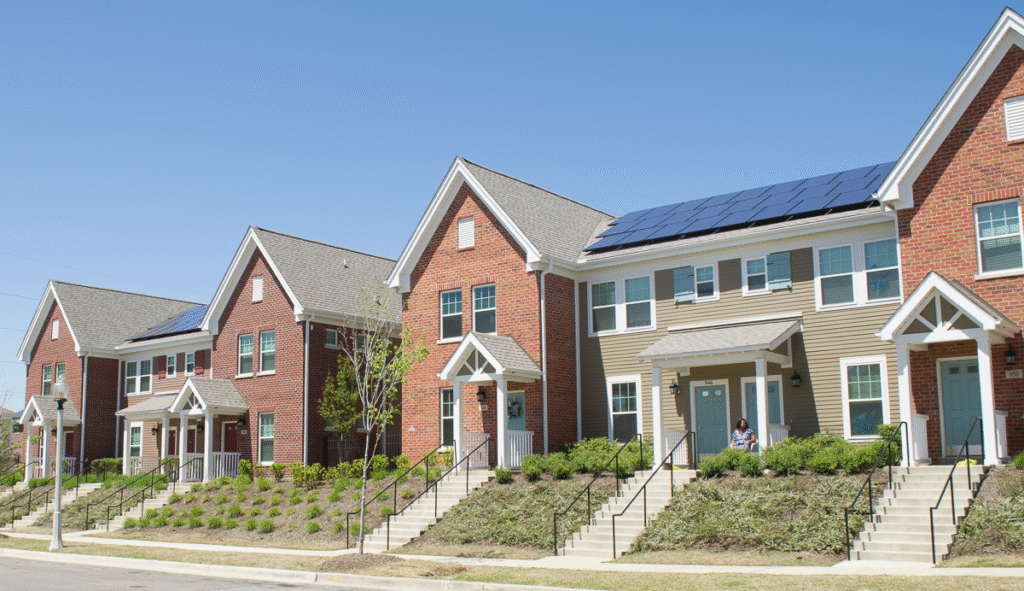
Demand for master-planned communities has grown steadily over the past two decades. Several factors are contributing to their popularity.
First, many buyers want neighborhoods that provide amenities and lifestyle benefits beyond a single property. Parks, walking trails, recreation centers, and nearby shopping districts can make daily life easier and more enjoyable.
Second, large-scale planning allows developers to manage growth more effectively than traditional subdivision development. Infrastructure such as roads, utilities, and drainage systems can be designed to support thousands of homes from the beginning.
Third, municipalities often support master-planned development because it allows them to plan public services more efficiently.
Research from the National Association of Home Builders (NAHB) shows that homebuyers consistently value access to:
- Walkable neighborhoods
- Nearby green space
- Community amenities
- Access to schools and services
Master-planned communities are designed specifically to address these priorities.
The Land Planning Process
The foundation of any successful master-planned community is a detailed land-use plan. This process begins long before construction starts and often involves extensive research, mapping, and consultation.
Developers typically evaluate several key factors:
- Topography and natural features
- Water management and flood risks
- Transportation access
- Existing infrastructure
- Environmental constraints
- Local zoning and land-use regulations
Once these factors are understood, planners create a conceptual land plan that divides the property into different zones. These may include residential areas, retail districts, office space, parks, and public facilities.
For example, the widely recognized community of The Woodlands in Texas was developed using a comprehensive land plan that preserved large sections of forest while integrating residential villages, employment centers, and shopping districts.
This type of planning helps maintain property values and creates neighborhoods that remain attractive for decades.
Designing Diverse Housing Options
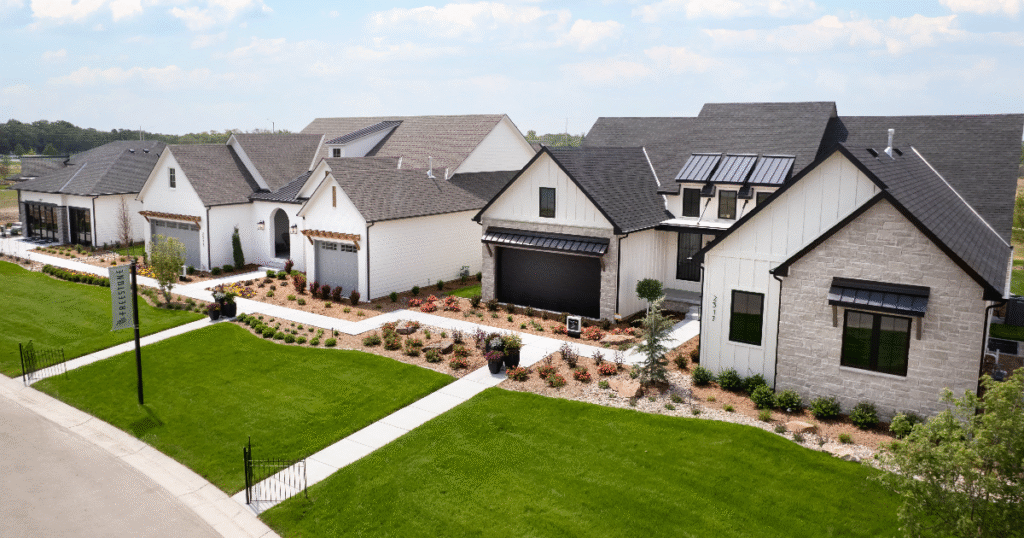
One of the most important aspects of master-planned communities is the inclusion of diverse housing types.
Instead of relying on a single style of home, successful MPCs offer multiple housing options to serve different life stages and income levels.
These may include:
- Single-family homes
- Townhomes
- Apartments
- Active-adult communities
- Luxury residences
- Starter homes
Providing a range of housing options allows communities to attract a broader population and remain economically resilient.
For example, a young professional may begin in an apartment within the community and later move into a single-family home while staying in the same neighborhood.
This long-term residency pattern strengthens community stability and supports local businesses.
Infrastructure Planning That Supports Long-Term Growth
Infrastructure is one of the most technically complex aspects of master-planned development.
Roads, utilities, drainage systems, and public services must be designed to support not just the first phase of construction, but decades of future growth.
Engineers typically plan infrastructure systems for the entire development area, even if construction will occur in phases over many years.
Key infrastructure components include:
- Road networks and traffic management
- Water supply systems
- Sewer and wastewater treatment
- Stormwater drainage systems
- Power and telecommunications infrastructure
Transportation planning is especially important. Communities must provide convenient access to regional highways while maintaining safe internal road networks for residents.
Increasingly, developers are also incorporating bike lanes, pedestrian pathways, and public transit access into community designs.
Parks, Green Space, and Environmental Stewardship
Access to green space has become a defining feature of many successful master-planned communities.
Urban planners now recognize that parks, trails, and natural landscapes contribute significantly to quality of life and property value.
According to the Trust for Public Land, homes located near parks can see property value increases of 5% to 20%, depending on location and park quality.
Developers therefore invest heavily in environmental design, including:
- Community parks and recreation areas
- Walking and biking trails
- Preserved wetlands and natural habitats
- Lakes and water features
- Tree canopy preservation
Beyond aesthetics, these elements also play an important role in stormwater management and climate resilience.
For example, natural wetlands can absorb heavy rainfall and reduce flood risk for surrounding neighborhoods.
Integrating Retail, Schools, and Community Services
One of the defining features of master-planned communities is the integration of daily necessities within the development itself.
Instead of forcing residents to travel long distances for basic services, successful communities incorporate:
- Grocery stores
- Restaurants and cafes
- Healthcare clinics
- Schools
- Childcare centers
- Community recreation facilities
This model reflects a planning principle often called “complete community design.”
The goal is to create neighborhoods where residents can live, work, shop, and socialize within a relatively small geographic area.
Mixed-use districts within MPCs also help generate economic activity and create local employment opportunities.
Long-Term Phasing and Development Strategy
Master-planned communities are rarely built all at once. Most large projects are developed over 10 to 30 years.
Developers therefore rely on phased construction strategies.
A typical development sequence may include:
- Initial infrastructure installation
- First residential neighborhoods
- Community amenities such as parks or recreation centers
- Commercial and retail districts
- Additional residential phases
This gradual development approach allows planners to respond to changing market conditions while maintaining the overall vision of the community.
Successful developers maintain strict design guidelines so that later phases remain consistent with the original planning principles.
The Role of Community Governance
After residents begin moving into a master-planned community, governance structures help maintain quality standards and shared spaces.
Most communities establish a Homeowners Association (HOA) or similar governing body.
HOAs typically oversee:
- Maintenance of parks and common areas
- Architectural standards
- Community events and programs
- Security and neighborhood management
When managed effectively, these organizations help preserve property values and maintain a consistent community identity.
Challenges Developers Must Navigate
Despite their advantages, master-planned communities also face several planning challenges.
Large-scale development requires significant capital investment and long time horizons. Market conditions may change during the development period.
Developers must also address regulatory requirements, environmental protections, and community concerns.
Common challenges include:
- Infrastructure financing
- Environmental permitting
- Traffic impacts on surrounding areas
- Balancing affordability with development costs
- Long approval timelines from local governments
Careful planning and strong collaboration with municipalities are essential for overcoming these obstacles.
Frequently Asked Questions
What is a master-planned community?
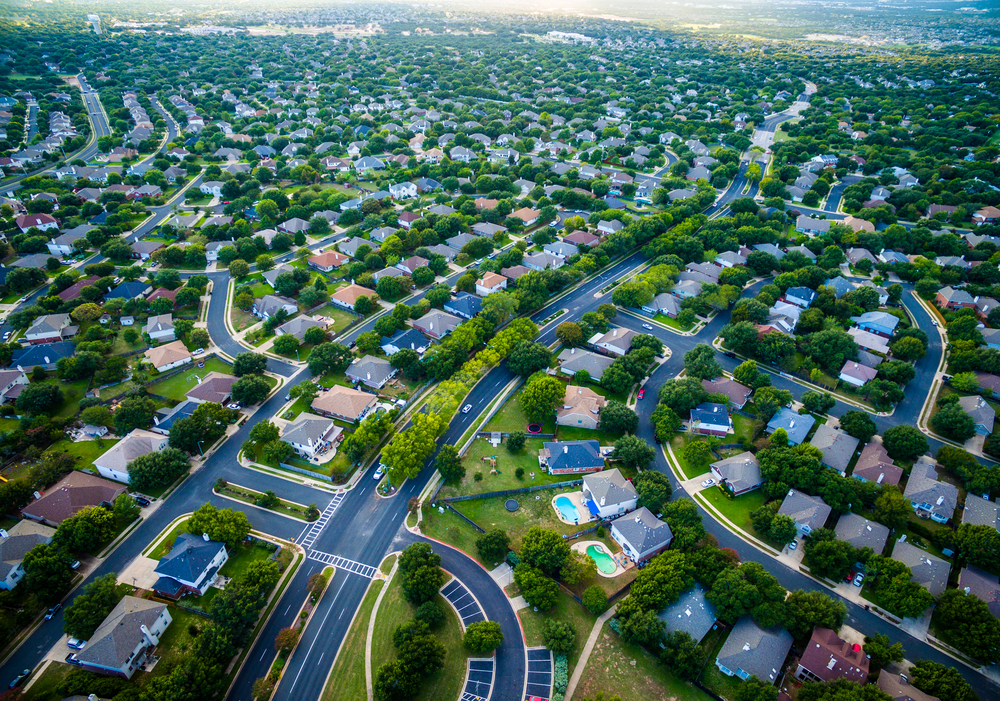
A master-planned community is a large residential development designed according to a comprehensive land-use plan that integrates housing, amenities, commercial areas, and infrastructure.
How are master-planned communities different from subdivisions?
Subdivisions typically focus only on housing, while master-planned communities include parks, retail areas, schools, and long-term infrastructure planning.
Why do buyers choose master-planned communities?
Many buyers value the amenities, walkable design, green space, and organized infrastructure that these communities provide.
Are master-planned communities more expensive?
Prices vary widely, but the inclusion of amenities and community services can sometimes increase home prices compared with smaller developments.
How long does it take to build a master-planned community?
Large developments may take 10 to 30 years to complete, depending on size and market conditions.
Do master-planned communities include commercial areas?
Yes. Many include retail centers, restaurants, offices, and healthcare services to create a complete neighborhood environment.
What role do local governments play in these projects?
Municipalities approve zoning, infrastructure plans, and environmental permits while coordinating public services.
Are master-planned communities environmentally sustainable?
Many incorporate green infrastructure, preserved natural areas, and energy-efficient building standards.
Do all master-planned communities have HOAs?
Most do, as homeowners associations manage amenities, landscaping, and design guidelines.
Where are master-planned communities most common in the U.S.?
They are especially common in fast-growing states such as Texas, Florida, Arizona, Nevada, and California.
Community Design That Stands the Test of Time
Successful master-planned communities are the result of years of collaboration between developers, urban planners, engineers, architects, and local governments.
When planning is done carefully, these communities can provide long-term housing stability, economic growth, and improved quality of life for residents. Balanced land use, environmental responsibility, and thoughtful infrastructure design remain the key ingredients that allow these developments to evolve successfully over decades.
Key Insights From Community Planning
- Master-planned communities require extensive long-term planning before construction begins
- Diverse housing options support long-term population stability
- Infrastructure must be designed for future growth, not just current needs
- Green spaces and parks contribute to both livability and property value
- Mixed-use districts allow communities to function as self-contained neighborhoods
- Phased development strategies allow projects to adapt to changing market conditions