

Summary
Many households quietly reduce their annual tax bill through consistent planning rather than dramatic loopholes. By managing retirement contributions, timing income and deductions, using tax-advantaged accounts, and coordinating family financial decisions, Americans can improve tax efficiency over time. These strategies rely on legal, well-documented planning methods commonly discussed by financial advisors and tax professionals.
Why Many Tax Savings Strategies Go Unnoticed
When people think about reducing taxes, they often imagine complex structures used by corporations or extremely wealthy individuals. In reality, many effective tax strategies are surprisingly ordinary. They rely less on clever tricks and more on timing, planning, and understanding how the U.S. tax system works.
Households that consistently reduce their tax bill tend to follow a similar pattern: they treat taxes as part of their overall financial planning rather than something they think about only in April.
According to the Internal Revenue Service (IRS), millions of Americans miss deductions, credits, or planning opportunities each year simply because they are unaware of them or do not plan ahead. Meanwhile, households that work with tax professionals—or simply stay informed—often adjust small decisions throughout the year that collectively make a meaningful difference.
These strategies are “quiet” because they rarely involve dramatic moves. Instead, they rely on careful financial habits that gradually improve tax efficiency.
The Role of Year-Round Tax Planning
One of the biggest differences between households that optimize their taxes and those that do not is when they think about taxes.
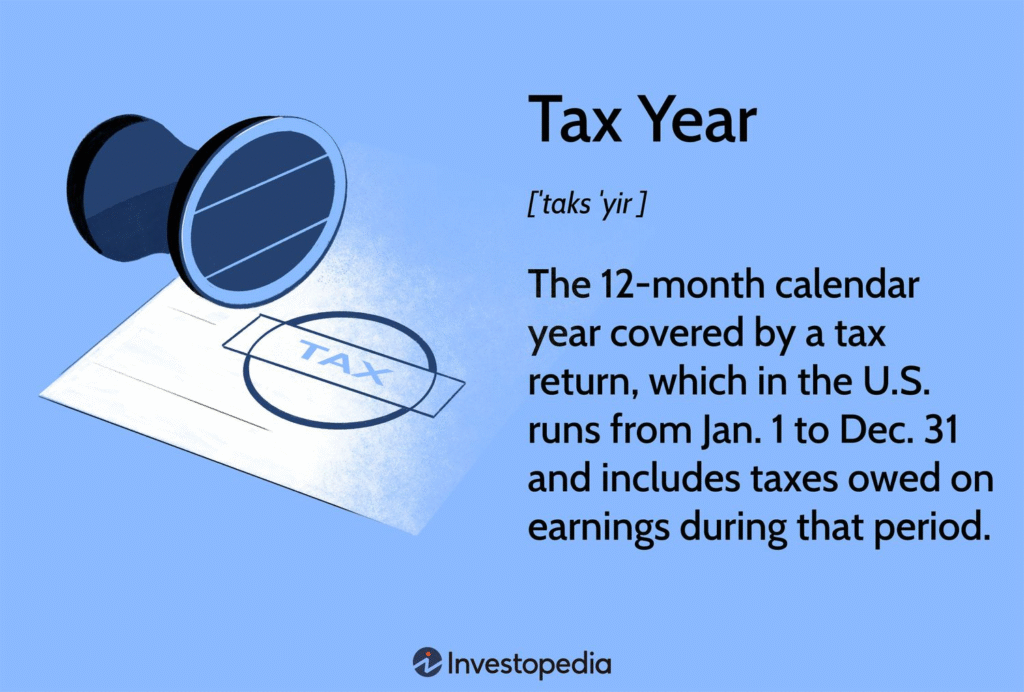
Most people begin reviewing their finances only during filing season. However, tax professionals consistently emphasize that many of the most valuable decisions must be made before December 31.
Year-round planning can influence:
- Retirement contributions
- Investment decisions
- Charitable giving
- Income timing
- Deduction strategies
For example, a household might increase retirement contributions mid-year after noticing their income is higher than expected. That simple adjustment can reduce taxable income and improve long-term savings at the same time.
Tax planning is not about reacting at filing time—it’s about making informed financial decisions throughout the year.
Retirement Contributions That Lower Taxable Income
One of the most common strategies households use is maximizing contributions to tax-advantaged retirement accounts.
Contributions to certain accounts reduce taxable income today while allowing investments to grow tax-deferred.
Common examples include:
- 401(k) plans through an employer
- Traditional IRAs
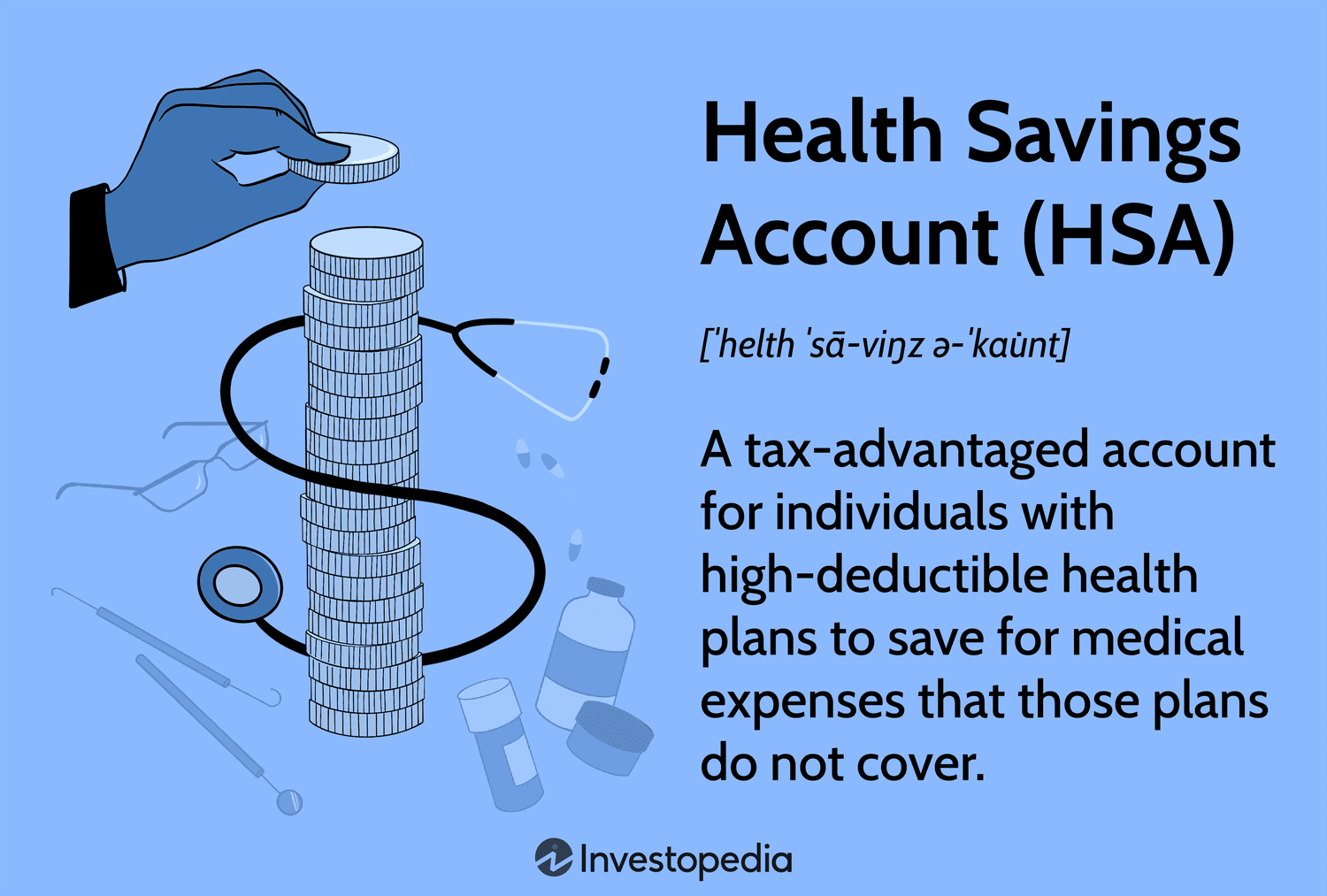
- Health Savings Accounts (HSAs) when paired with qualifying health plans
For 2024 and 2025 contribution ranges, many workers can contribute over $23,000 annually to a 401(k) depending on age and catch-up eligibility. Contributions to these plans reduce taxable income for the year in which they are made.
Example
A couple earning $140,000 collectively increases their combined 401(k) contributions by $10,000.
If they fall within the 22% federal tax bracket, this contribution could reduce their federal tax liability by roughly $2,200 for the year—while simultaneously strengthening retirement savings.
Many households quietly adjust these contributions whenever income rises or bonuses occur.
Health Savings Accounts: A Rare Triple Tax Advantage
Health Savings Accounts (HSAs) are widely considered one of the most tax-efficient accounts available in the U.S., yet many households underuse them.
HSAs offer three tax advantages:
- Contributions are tax-deductible
- Investment growth is tax-free
- Withdrawals for qualified medical expenses are tax-free
This combination is often referred to as a “triple tax advantage.”
Many financially savvy households treat HSAs as long-term investment accounts rather than spending the funds immediately. Instead of using the account for routine medical bills, they pay out-of-pocket and allow the HSA balance to grow.
Over time, this strategy can create a substantial tax-free pool of funds for future healthcare expenses.
Timing Income and Deductions
Another quiet tax strategy involves carefully timing when income or deductions occur.
Because the U.S. tax system is progressive, shifting income or deductions between tax years can sometimes improve overall tax efficiency.
Common timing strategies include:
- Deferring year-end bonuses when possible
- Accelerating charitable donations into a single year
- Timing major medical expenses
- Making deductible contributions before year-end
Practical Example
Suppose a household expects their income to be significantly higher next year due to a promotion.
They may choose to delay certain deductions until the higher-income year, when those deductions will offset income taxed at a higher rate.
These decisions often require careful forecasting but can produce meaningful results.

Strategic Charitable Giving
Charitable giving remains one of the most widely used tax strategies among U.S. households.
However, experienced taxpayers often approach charitable donations strategically rather than donating the same amount each year.
Two commonly used methods include:
1. Bunching Donations
Instead of donating $5,000 every year, a household might donate $15,000 every three years.
This approach can push itemized deductions above the standard deduction threshold in certain years, allowing taxpayers to benefit from itemizing when they otherwise might not.
2. Donating Appreciated Assets
Instead of donating cash, some households donate appreciated stocks or investments held for more than a year.
Benefits include:
- Avoiding capital gains tax on the appreciation
- Receiving a deduction for the full market value of the asset
This strategy is particularly common among investors with long-held stock positions.
Tax-Efficient Investment Management
Investment decisions can also affect annual tax obligations.
Some households quietly reduce taxes by paying attention to where different types of investments are held.
This concept is called asset location.
Certain investments are more tax-efficient than others:
- Index funds often produce fewer taxable events
- Municipal bonds may generate federally tax-exempt interest
- Tax-deferred accounts shield certain income from annual taxes
Financial planners sometimes recommend placing tax-inefficient assets (such as bond funds or actively traded funds) inside retirement accounts where annual taxes are deferred.
Meanwhile, more tax-efficient investments may be placed in taxable brokerage accounts.
Over time, thoughtful asset placement can reduce taxes on investment income.
Using Tax Credits Families Sometimes Overlook
Tax credits reduce tax liability directly, making them particularly valuable.
Yet many households overlook credits they may qualify for.
Some commonly missed credits include:
- Child and Dependent Care Credit
- American Opportunity Tax Credit for college expenses
- Lifetime Learning Credit
- Saver’s Credit for retirement contributions
For example, the American Opportunity Tax Credit can provide up to $2,500 per eligible student for qualified education expenses.
Families with college students often benefit from reviewing these credits carefully each year.
Small Business and Side Income Planning
Millions of Americans now earn some income from freelance work, consulting, or small businesses.
When managed carefully, this income can open additional tax planning opportunities.
Common approaches include:
- Deducting legitimate business expenses
- Contributing to SEP-IRAs or Solo 401(k) plans
- Tracking home office expenses when eligible
For instance, a freelancer earning $50,000 from contract work might contribute to a SEP-IRA, potentially reducing taxable income while building retirement savings.
However, careful documentation is essential. The IRS expects clear records for any deductions related to business income.
Working With a Tax Professional
Many households that quietly optimize taxes rely on professional guidance.
Certified Public Accountants (CPAs) and Enrolled Agents often provide advice that goes beyond preparing tax returns.
They may help clients:
- Review income projections
- Identify potential deductions
- Adjust withholding
- Plan retirement contributions
- Evaluate tax law changes
While professional services involve a cost, households with more complex financial situations often find the planning value worthwhile.
Even a brief annual planning session can reveal opportunities that might otherwise be missed.

Frequently Asked Questions
What are the most common legal ways households reduce their tax bill?
Many households reduce taxes by contributing to retirement accounts, using tax credits, managing investments tax-efficiently, and timing deductions strategically.
Are tax strategies only useful for high-income households?
No. Many strategies—such as retirement contributions, education credits, and HSAs—are designed specifically for middle-income taxpayers.
When should tax planning begin each year?
Tax planning ideally begins early in the calendar year and continues throughout the year. Waiting until filing season often limits available options.
Do tax deductions and tax credits work the same way?
No. Deductions reduce taxable income, while credits directly reduce the amount of tax owed.
Are HSAs really tax-free?
HSAs offer tax-deductible contributions, tax-free growth, and tax-free withdrawals for qualified medical expenses.
Is donating stock better than donating cash?
In some cases, yes. Donating appreciated stock may allow taxpayers to avoid capital gains tax while still claiming a deduction for the asset’s market value.
How can families avoid missing tax credits?
Reviewing eligibility for education credits, childcare credits, and retirement credits each year can help ensure families claim the benefits they qualify for.
Should households change their tax withholding during the year?
Adjusting withholding may help avoid large tax bills or refunds and better align payments with expected tax liability.
Are side-income deductions heavily audited?
Not necessarily, but the IRS expects accurate records and documentation for all business deductions.
Do most people benefit from itemizing deductions?
Many households now take the standard deduction. However, strategic planning—such as bunching deductions—can sometimes make itemizing beneficial.
A More Intentional Approach to Household Taxes
The households that quietly reduce their tax bill rarely rely on dramatic strategies. Instead, they focus on consistency. They review financial decisions through a tax lens, adjust contributions when income changes, and stay aware of credits and deductions that apply to their situation.
Taxes are not just a yearly obligation—they are part of long-term financial planning. Over time, small decisions made thoughtfully can accumulate into meaningful savings.
Key Insights for Smarter Tax Awareness
- Many effective tax strategies involve timing and planning rather than complex tactics
- Retirement contributions remain one of the most reliable ways to reduce taxable income
- HSAs offer unique tax advantages when used strategically
- Tax-efficient investing can reduce taxes on portfolio income
- Families often benefit from reviewing available credits annually
- Year-round planning typically leads to better tax outcomes than last-minute decisions