

Summary
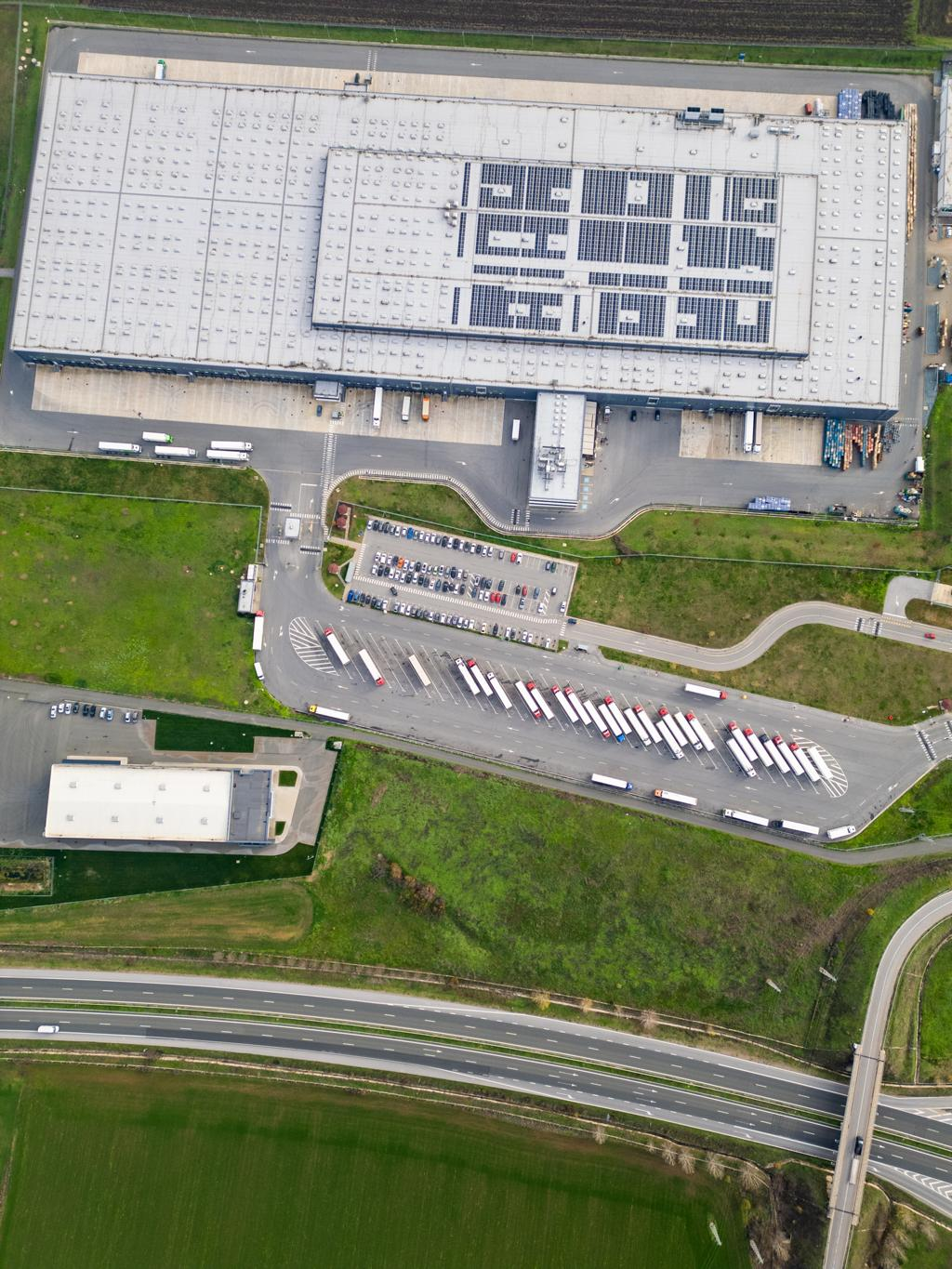
Logistics parks located near major highways play a critical role in modern supply chains. They enable faster transportation, reduce freight costs, improve last-mile delivery efficiency, and support regional economic growth. For manufacturers, retailers, and logistics providers, proximity to interstate corridors can significantly improve operational performance, resilience, and scalability in an increasingly time-sensitive distribution environment.
Why Highway Proximity Matters in Modern Logistics
The rapid growth of e-commerce, just-in-time manufacturing, and nationwide distribution networks has made location strategy more important than ever. One of the most influential factors in warehouse and distribution site selection is proximity to major highways.
Logistics parks positioned near interstate corridors function as critical nodes in freight networks. These parks typically combine multiple large distribution centers, cross-dock terminals, trucking facilities, and supporting infrastructure in a single location designed for high-volume transportation activity.
For companies shipping goods across long distances, every mile matters. Highway-adjacent logistics hubs allow trucks to move in and out quickly, avoiding congested city centers and reducing unnecessary transit time.
In the United States, trucking moves roughly 72% of all domestic freight by weight, according to the American Trucking Associations. Because of this heavy reliance on highways, distribution infrastructure naturally gravitates toward major transportation corridors such as:
- Interstate 5 on the West Coast
- Interstate 95 along the East Coast
- Interstate 35 through the Midwest and Texas
- Interstate 80 connecting the Midwest to the Northeast
- Interstate 10 spanning the southern United States
When logistics parks are strategically positioned near these routes, they serve as efficient transfer points between regional and national distribution networks.
Faster Freight Movement and Reduced Transportation Costs
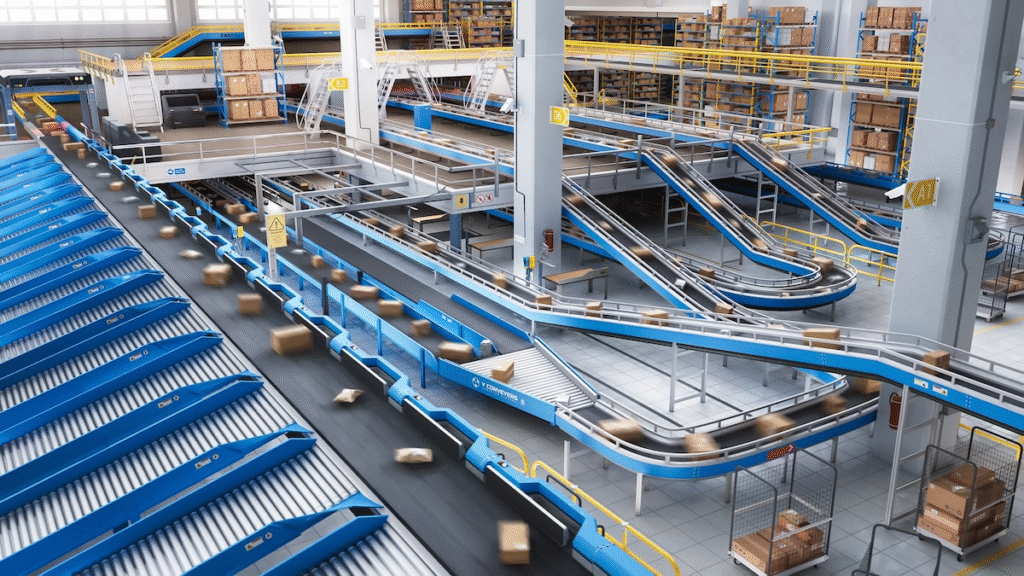
Transportation is often the largest cost component of logistics operations. A well-located logistics park can dramatically reduce both direct freight costs and indirect operational expenses.
When a distribution center sits immediately off a major highway interchange, trucks spend less time navigating local roads, traffic lights, and urban congestion. This translates into measurable savings in fuel consumption, driver hours, and vehicle wear.
For example, a national retailer operating a warehouse within five miles of an interstate may reduce delivery times to regional stores by several hours compared to a warehouse located farther away in a suburban or rural area with limited highway access.
Operational benefits include:
- Shorter first-mile and last-mile trucking routes
- Lower fuel consumption per shipment
- Reduced driver idle time
- More predictable delivery schedules
- Higher daily truck utilization
Over time, these efficiencies can represent millions of dollars in cost savings for large-scale logistics operations.
Supporting High-Volume Distribution and E-Commerce Growth
The surge in online shopping has transformed distribution strategies across the United States. Consumers increasingly expect two-day, next-day, or even same-day delivery.
To meet these expectations, retailers and third-party logistics providers rely heavily on strategically located logistics parks near major highways.
These hubs allow companies to move large volumes of goods quickly between fulfillment centers and metropolitan markets.
Consider how major e-commerce supply chains operate:
- Products arrive at regional distribution centers by long-haul truck or rail.
- Goods are sorted and prepared for downstream fulfillment.
- Shipments move via highway corridors to urban fulfillment centers.
- Final delivery occurs through local courier networks.
Logistics parks near highways serve as the central transfer point in this process, enabling seamless movement between long-distance freight and local delivery systems.
In areas like Dallas–Fort Worth, Chicago, and Atlanta, clusters of highway-adjacent logistics parks support massive regional distribution networks serving tens of millions of consumers.
Improved Supply Chain Resilience
Supply chain disruptions—from extreme weather to port congestion—have highlighted the importance of flexible and resilient logistics infrastructure.
Highway-adjacent logistics parks help companies adapt more easily to changing conditions.
When distribution centers are located near major interstate intersections, operators gain access to multiple transportation routes. If one corridor becomes congested or closed, trucks can reroute quickly using alternate highways.
This network flexibility improves supply chain continuity and reduces the risk of costly delays.
Resilience advantages include:
- Multiple routing options for freight movement
- Faster response to disruptions or demand spikes
- Greater flexibility for rerouting shipments
- Easier integration with intermodal rail terminals
- Better access to regional trucking fleets
Companies that operate within well-connected logistics parks often recover from disruptions more quickly than facilities located in isolated or poorly connected areas.
Access to Labor and Supporting Infrastructure
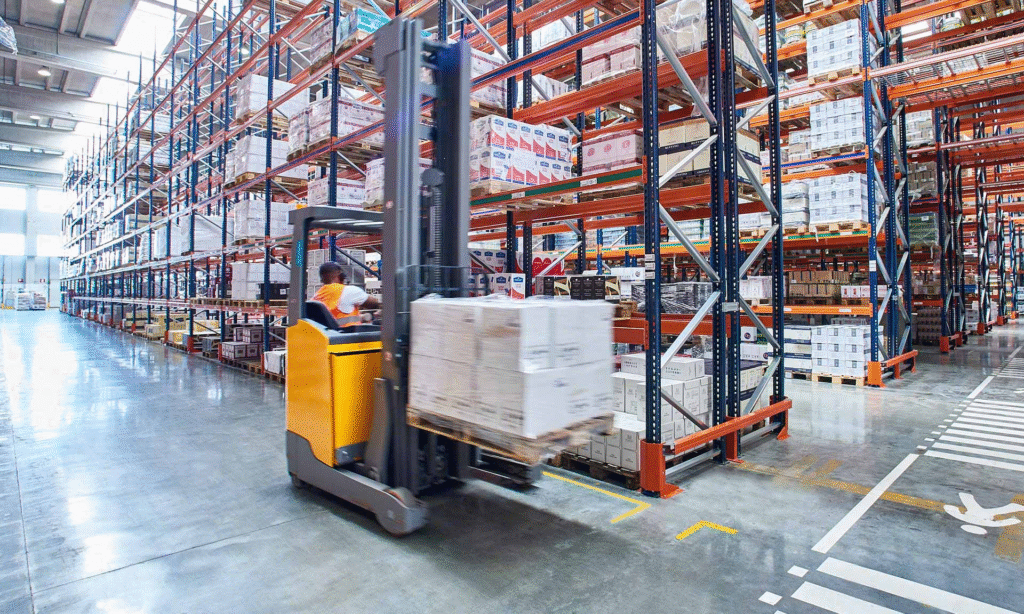
Logistics parks located near major highways are frequently positioned close to large labor markets. This access is essential for operations that require hundreds—or sometimes thousands—of workers.
Warehouses and distribution centers rely on a range of roles including:
- forklift operators
- logistics coordinators
- maintenance technicians
- inventory specialists
- truck drivers
- operations managers
Highway-adjacent locations are attractive because they are accessible to workers commuting from multiple cities and suburbs.
In addition to labor access, logistics parks often develop alongside critical supporting infrastructure such as:
- truck stops and fueling stations
- vehicle maintenance services
- container yards
- intermodal rail terminals
- packaging and freight forwarding companies
The result is an integrated logistics ecosystem that supports efficient operations for many different businesses.
Economic Development and Regional Growth
Large logistics parks frequently become major economic drivers for the regions in which they operate.
State and local governments often encourage development near highway corridors because these projects create jobs, generate tax revenue, and attract related industries.
For example, the growth of logistics infrastructure along Interstate 81 in Pennsylvania has transformed parts of the region into one of the largest distribution corridors in the United States.
Major retailers and logistics companies established distribution centers there because the highway offers direct access to large population centers across the Northeast and Mid-Atlantic.
Economic impacts of logistics parks often include:
- thousands of new warehouse and transportation jobs
- increased demand for construction and real estate development
- growth in trucking and logistics service companies
- expanded retail and service sectors in nearby communities
- higher local tax revenue
While logistics development must be balanced with environmental and traffic considerations, these projects can significantly strengthen regional economies when properly planned.
Real-World Examples of Highway-Centered Logistics Hubs
Several major logistics hubs in the United States demonstrate how highway proximity shapes distribution strategies.
Inland Empire, California
Located near Interstates 10 and 15, the Inland Empire has become one of the most important logistics regions in North America. Its proximity to the Ports of Los Angeles and Long Beach allows imported goods to move quickly inland via truck and rail.
Large retailers, including national grocery chains and e-commerce companies, operate massive distribution facilities there to serve West Coast markets.
Dallas–Fort Worth, Texas
The Dallas–Fort Worth metroplex sits at the crossroads of several major interstate routes, including I-20, I-30, I-35, and I-45.
This highway connectivity has made the region a major logistics hub for companies distributing goods across the southern United States.
Chicago, Illinois
Chicago’s extensive highway network—including I-55, I-80, I-90, and I-94—combined with its rail infrastructure makes it one of the largest freight hubs in North America.
Logistics parks around the metropolitan area support national supply chains that reach both coasts and the central U.S.
Design Features That Make Highway Logistics Parks Effective
Successful logistics parks are not simply clusters of warehouses. They are carefully designed industrial ecosystems built around transportation efficiency.
Common design features include:
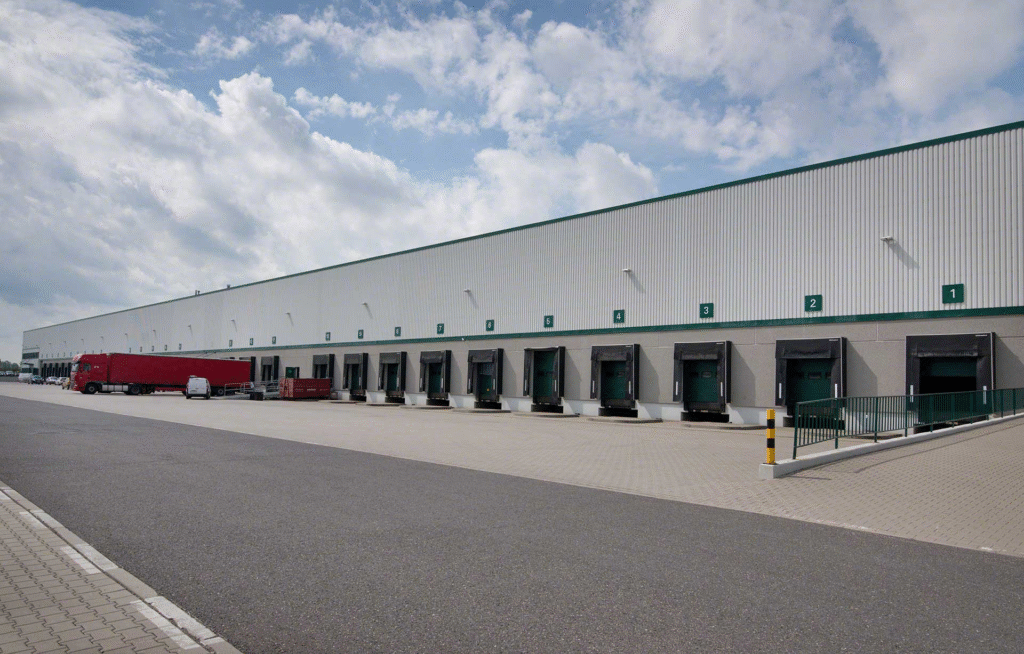
- Large truck courts for high-volume freight movement
- Direct highway interchange access
- Wide turning radii for tractor-trailers
- High-clearance warehouse structures
- Cross-dock facilities for rapid freight transfer
- Integrated security and traffic management systems
- Flexible warehouse layouts for multiple tenants
Modern logistics parks also increasingly incorporate automation technologies, energy-efficient building designs, and smart traffic management systems to support large-scale operations.
How Companies Choose Locations for Logistics Parks
Site selection for a logistics park involves extensive analysis. Developers and logistics companies evaluate multiple factors before choosing a location near a highway corridor.
These factors often include:
- Distance to major consumer markets
- Traffic patterns and congestion levels
- Availability of large parcels of industrial land
- Access to rail or port infrastructure
- Labor availability and workforce skills
- Local zoning regulations and incentives
Companies also analyze freight flow data to determine where transportation demand is highest. Areas where multiple freight corridors intersect often emerge as prime candidates for logistics park development.
Environmental and Community Considerations
While logistics parks offer major economic benefits, planners must also consider environmental and community impacts.
Heavy truck traffic can increase congestion and emissions in surrounding areas if not managed carefully.
To address these concerns, many modern logistics developments include:
- dedicated truck routes that bypass residential areas
- electric truck charging infrastructure
- green building certifications for warehouses
- landscaping buffers between industrial and residential zones
- advanced traffic management systems
Thoughtful planning allows communities to capture economic benefits while minimizing negative impacts.
Frequently Asked Questions
Why are logistics parks built near highways?
Highways provide the fastest and most efficient routes for long-distance freight movement. Locating distribution centers near major interstate corridors reduces transportation time, fuel consumption, and operational costs.
What is a logistics park?
A logistics park is a large industrial development that clusters warehouses, distribution centers, trucking facilities, and transportation services in one strategically planned location.
How do logistics parks support e-commerce?
They enable rapid movement of inventory between regional distribution centers and local fulfillment centers, helping retailers meet fast delivery expectations.
Do logistics parks only serve trucking operations?
No. Many logistics parks integrate multiple transportation modes, including rail terminals, container yards, and air cargo facilities.
How large are typical logistics parks?
They can range from several hundred acres to several thousand acres depending on the scale of operations and the number of tenants.
Why do retailers invest in highway-adjacent distribution centers?
Proximity to highways reduces shipping time and transportation costs while improving delivery reliability across large geographic regions.
How do logistics parks impact local economies?
They create jobs, attract related industries, increase tax revenue, and stimulate infrastructure development.
What role do logistics parks play in supply chain resilience?
They provide flexible routing options and strategic inventory storage locations that help companies adapt to disruptions.
Are logistics parks environmentally sustainable?
Many new developments incorporate energy-efficient buildings, electric vehicle infrastructure, and green logistics initiatives.
Which regions in the U.S. have the largest logistics parks?
Major logistics concentrations exist in Southern California, Texas, Illinois, Pennsylvania, and Georgia due to strong highway connectivity.
Supply Chain Infrastructure That Keeps Commerce Moving
The growth of logistics parks near major highways reflects a fundamental reality of modern commerce: speed and connectivity drive economic efficiency.
As supply chains become more complex and consumer expectations continue to rise, strategically located logistics infrastructure will remain essential. Companies that invest in well-connected distribution networks gain advantages in cost control, delivery performance, and long-term operational resilience.
Highway-adjacent logistics parks are not simply storage spaces—they are critical engines powering the movement of goods across the United States.
Key Insights at a Glance
- Highway proximity dramatically reduces transportation time and costs
- Logistics parks enable high-volume distribution for e-commerce and retail
- Access to interstate corridors improves supply chain resilience
- Integrated infrastructure attracts logistics and transportation companies
- These developments generate significant regional economic growth