


Summary
As tax rules evolve and household finances tighten, many Americans are rethinking how they approach tax planning. From retirement withdrawals to side-income reporting and maximizing deductions, taxpayers are asking practical questions about reducing liability and avoiding surprises. This guide explains the most common tax planning concerns today and offers clear strategies individuals and families can use before the next filing season.
Why Tax Planning Is Suddenly Top of Mind
Tax planning used to be something many households thought about only in March or April. That pattern is changing. Rising interest rates, more freelance work, retirement account withdrawals, and changes to deductions have made taxes a year-round financial topic.
According to the Internal Revenue Service, more than 164 million individual tax returns were filed for the 2023 tax year. But what stands out is how many taxpayers now face more complex income streams than they did a decade ago. Gig work, investment income, online selling, and remote employment often create tax situations that standard payroll withholding no longer covers.
As a result, Americans are increasingly searching for answers to practical tax planning questions such as:
- How can I legally reduce my taxable income?
- Should I adjust my paycheck withholding?
- How do side gigs affect my taxes?
- When should I contribute to retirement accounts?
- Which deductions still matter after recent tax law changes?
These are not theoretical concerns. They affect everyday financial decisions—from how much to save for retirement to whether someone accepts freelance work.
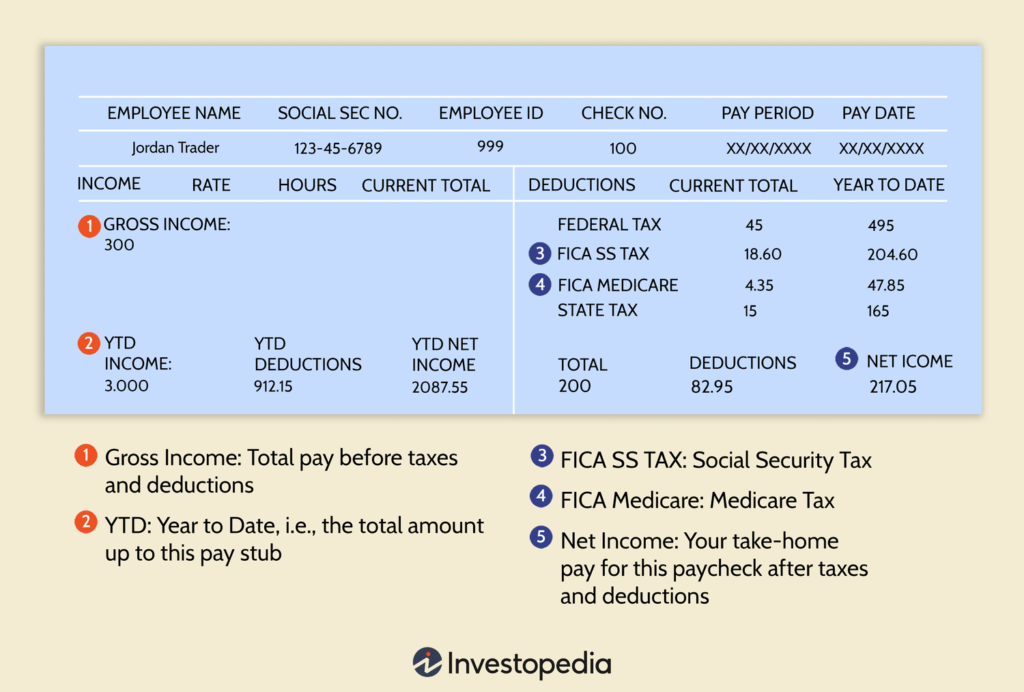
Question 1: “Am I Withholding the Right Amount From My Paycheck?”
One of the most common tax planning questions involves withholding. Many Americans either overpay taxes throughout the year or face an unexpected bill in April.
After the Tax Cuts and Jobs Act updated withholding tables, millions of employees discovered their withholding no longer matched their tax situation. Life changes—marriage, children, second jobs—can also alter tax liability.
The IRS recommends reviewing withholding annually using Form W-4, especially after major financial changes.
A typical example:
A married couple where one spouse receives a significant raise may find that their combined income pushes them into a higher tax bracket. Without adjusting withholding, they could owe several thousand dollars at filing time.
Tax professionals often suggest reviewing withholding if you:
- Start a new job
- Add freelance income
- Receive significant investment income
- Experience a major family change
- Claim fewer deductions than in prior years
Making adjustments early in the year spreads the tax burden across paychecks instead of concentrating it into one large payment later.
Question 2: “What Deductions Still Matter Today?”
Another frequent question stems from confusion about deductions. After the standard deduction nearly doubled under recent tax reforms, far fewer taxpayers itemize.
For the 2024 tax year, the standard deduction is approximately:
- $14,600 for single filers
- $29,200 for married couples filing jointly
Because these amounts are relatively high, most households benefit more from the standard deduction than from itemizing.
However, several deductions and credits still play an important role in tax planning:
Common deductions and credits Americans still rely on
- Mortgage interest on qualified home loans
- State and local taxes (SALT), capped at $10,000
- Charitable donations
- Student loan interest
- Child Tax Credit
- Earned Income Tax Credit (EITC)
Tax planning today often focuses less on itemizing deductions and more on strategic use of tax-advantaged accounts, such as retirement plans and health savings accounts.

Question 3: “How Should I Plan Taxes If I Have a Side Hustle?”
Side income is one of the biggest reasons Americans are asking more tax questions.
Whether it’s ride-share driving, freelance design work, online selling, or consulting, side gigs are typically treated as self-employment income.
This means taxpayers must account for:
- Income tax
- Self-employment tax (Social Security and Medicare)
Self-employment tax alone equals 15.3% on net earnings, which surprises many first-time freelancers.
A practical example:
Someone earning $15,000 from freelance work might owe roughly:
- ~$2,295 in self-employment tax
- Additional income tax depending on their bracket
To avoid underpayment penalties, many freelancers make quarterly estimated tax payments.
Key tax planning strategies for side-income earners include:
- Tracking deductible business expenses
- Setting aside 25–30% of income for taxes
- Using accounting software to track earnings
- Making quarterly payments if income is significant
Even small side hustles should be treated as legitimate businesses from a tax perspective.
Question 4: “Is Contributing to Retirement Accounts Still the Best Tax Move?”
For many households, retirement contributions remain the most reliable tax planning strategy.
Traditional retirement accounts reduce taxable income today, while Roth accounts provide tax-free withdrawals later.
Common options include:
- 401(k) plans
- Traditional IRAs
- Roth IRAs
- SEP IRAs for freelancers
Contribution limits change periodically, but for many workers, maximizing employer retirement plans can significantly lower taxable income.
For example:
An employee earning $90,000 who contributes $15,000 to a traditional 401(k) may reduce taxable income to $75,000, potentially lowering their tax bracket.
Retirement accounts also benefit from tax-deferred growth, meaning investment gains are not taxed annually.
Financial planners often view retirement contributions as both a long-term savings strategy and a tax management tool.
Question 5: “How Do Investment Gains Affect My Taxes?”
Investment income has become more common as retail investing platforms grow in popularity.
Tax planning for investors usually focuses on capital gains taxes.
There are two main types:
Short-term capital gains
- Assets held less than one year
- Taxed as ordinary income
Long-term capital gains
- Assets held longer than one year
- Typically taxed at 0%, 15%, or 20%
This difference significantly affects tax planning.
Example:
Selling stock after 11 months could trigger ordinary income tax rates, while waiting just one more month may qualify the gain for lower long-term rates.
Other strategies investors consider include:
- Tax-loss harvesting
- Holding investments longer than one year
- Placing tax-inefficient assets in retirement accounts
These decisions often have meaningful tax consequences.
Question 6: “What Tax Rules Apply to Remote Workers?”
Remote work expanded dramatically after 2020, creating new tax questions.
Many workers now live in one state while working for companies located in another. This raises questions about state income tax obligations.
In some situations, employees may owe taxes in multiple states depending on residency and where work is performed.
Tax planning for remote workers often involves:
- Understanding state residency rules
- Reviewing employer withholding practices
- Confirming whether credits apply for taxes paid to another state
Because state tax laws vary widely, remote employees sometimes consult tax professionals to avoid double taxation.
Question 7: “Should I Use a Health Savings Account for Tax Planning?”
Health Savings Accounts (HSAs) are frequently overlooked but extremely valuable tax tools.
HSAs offer what tax experts call a “triple tax advantage.”
Contributions are:
- Tax-deductible
- Tax-free while invested
- Tax-free when used for qualified medical expenses
For individuals with high-deductible health plans, HSAs can serve both as a healthcare fund and a supplemental retirement account.
Many savers invest HSA funds for long-term growth and pay medical costs out-of-pocket today, allowing the account to grow tax-free.
Question 8: “When Should I Start Tax Planning During the Year?”
A common misconception is that tax planning happens right before filing.
In reality, the most effective planning occurs months before the year ends.
By the fourth quarter, taxpayers still have time to:
- Increase retirement contributions
- Make charitable donations
- Realize investment losses
- Adjust withholding
- Contribute to HSAs
Waiting until tax season typically leaves few options besides filing paperwork.
Tax advisors often say the best time for tax planning conversations is October through December.
Frequently Asked Questions
1. What is the difference between tax planning and tax preparation?
Tax preparation involves filing returns based on past income. Tax planning focuses on strategies used during the year to reduce future taxes.
2. Do I need a tax professional for basic tax planning?
Many individuals handle simple tax situations themselves, but people with multiple income sources, investments, or businesses often benefit from professional guidance.
3. How often should I review my tax strategy?
At least once per year, ideally before the end of the calendar year.
4. Are tax refunds a sign of good planning?
Not necessarily. Large refunds usually mean too much tax was withheld during the year.
5. What records should I keep for tax planning?
Income statements, expense receipts, investment records, charitable donation confirmations, and retirement contribution statements.
6. Do retirement withdrawals count as taxable income?
Yes, most withdrawals from traditional retirement accounts are taxed as ordinary income.
7. How much should freelancers save for taxes?
Many set aside 25–30% of earnings to cover income and self-employment taxes.
8. Can tax planning help reduce capital gains taxes?
Yes. Strategies like holding assets longer than a year or harvesting losses can lower taxes.
9. Are tax laws changing frequently?
Yes. Federal and state tax policies change regularly, which is why annual reviews are helpful.
10. What is the most overlooked tax planning strategy?
Consistently contributing to tax-advantaged accounts such as retirement plans and HSAs.
The Bigger Financial Picture Behind Smart Tax Decisions
Taxes influence nearly every financial decision Americans make—from when they retire to how they invest and structure side businesses.
Effective tax planning does not rely on complex loopholes or aggressive strategies. Instead, it involves understanding how income, deductions, investments, and timing interact within the tax system.
For many households, small adjustments—such as maximizing retirement contributions, adjusting withholding, or managing investment timing—can meaningfully reduce tax burdens over time.
The key takeaway is simple: tax planning works best when it happens throughout the year rather than during filing season alone.
Key Insights to Remember
- Tax planning is becoming a year-round financial activity for many Americans
- Side income and investment gains create new tax considerations
- Retirement accounts remain one of the most effective tax strategies
- Remote work can introduce complex state tax issues
- Reviewing withholding annually helps prevent large tax bills