

Summary
Urban expansion across the United States is reshaping how land is developed, financed, and regulated. As populations shift toward growing metro regions, demand for housing, logistics space, infrastructure, and mixed-use districts is transforming land values and planning priorities. Understanding how urban growth patterns influence land development helps investors, planners, and property owners make more informed decisions about future land use.
Understanding Urban Expansion in the United States
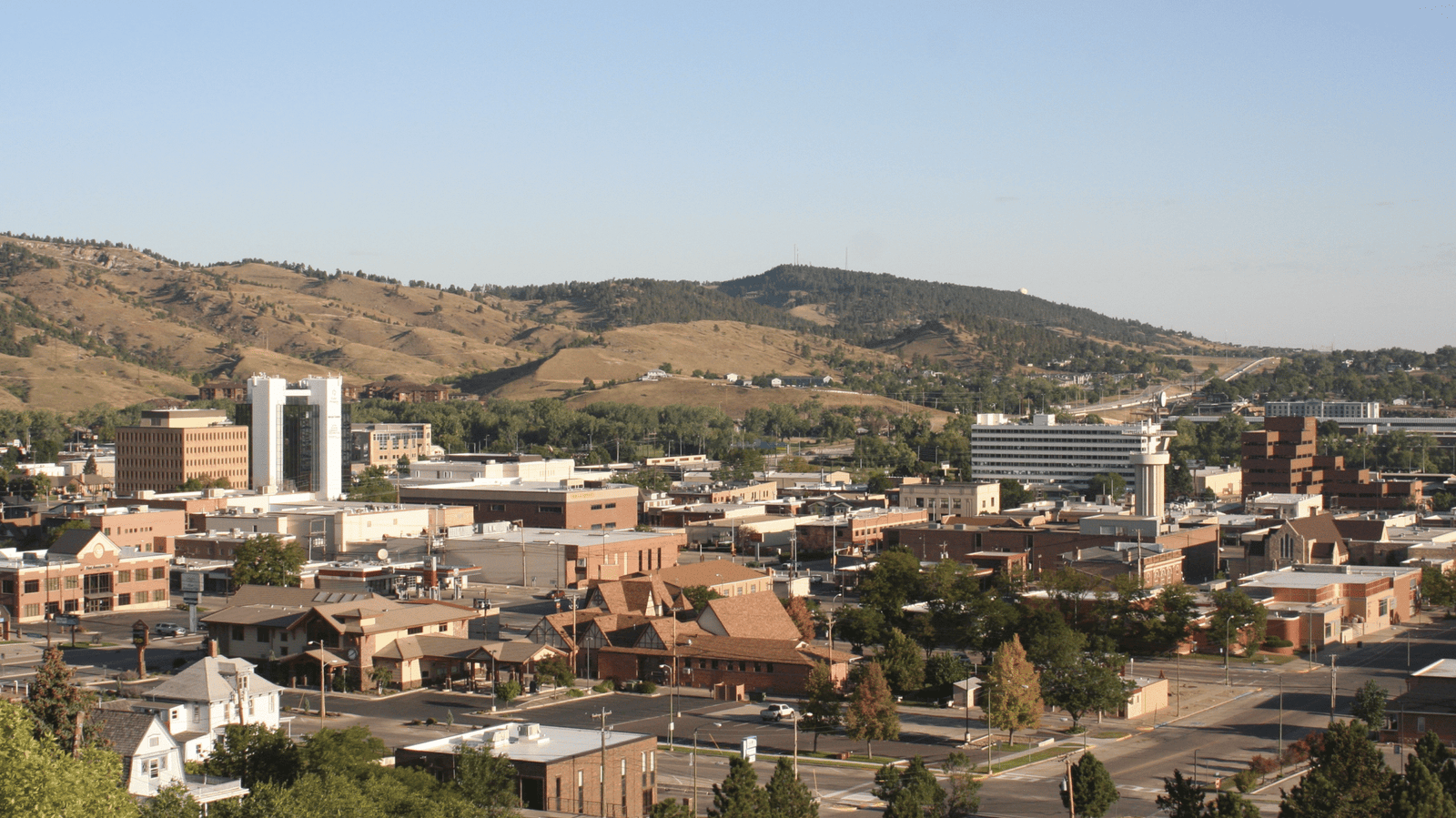
Urban expansion refers to the outward growth of cities into surrounding suburban and rural areas. While this phenomenon has existed for decades, its current form is more complex than traditional suburban sprawl. Today’s urban expansion often involves a mix of new housing, logistics facilities, technology campuses, and redeveloped urban corridors.
According to the U.S. Census Bureau, more than 80% of Americans now live in urban areas, and the majority of population growth over the past decade has occurred in metropolitan regions. Cities such as Austin, Phoenix, and Nashville have experienced especially rapid growth, leading to rising land demand and shifting development patterns.
Urban expansion today is influenced by several overlapping forces:
- Migration toward job-rich metropolitan regions
- Housing shortages in established urban cores
- E-commerce demand for logistics infrastructure
- Remote and hybrid work reshaping location preferences
- Infrastructure investment and transportation access
These trends have created new opportunities—and challenges—for land development across the country.
Why Land Demand Is Increasing in Growing Metro Regions
Population growth alone does not fully explain the rising demand for developable land. The modern urban economy requires different types of spaces than previous generations of cities.
For example, large logistics centers serving online retail require significantly more land than traditional retail stores. Similarly, modern residential developments increasingly incorporate green space, mixed-use districts, and community infrastructure.
In rapidly growing metropolitan regions, land demand is driven by:
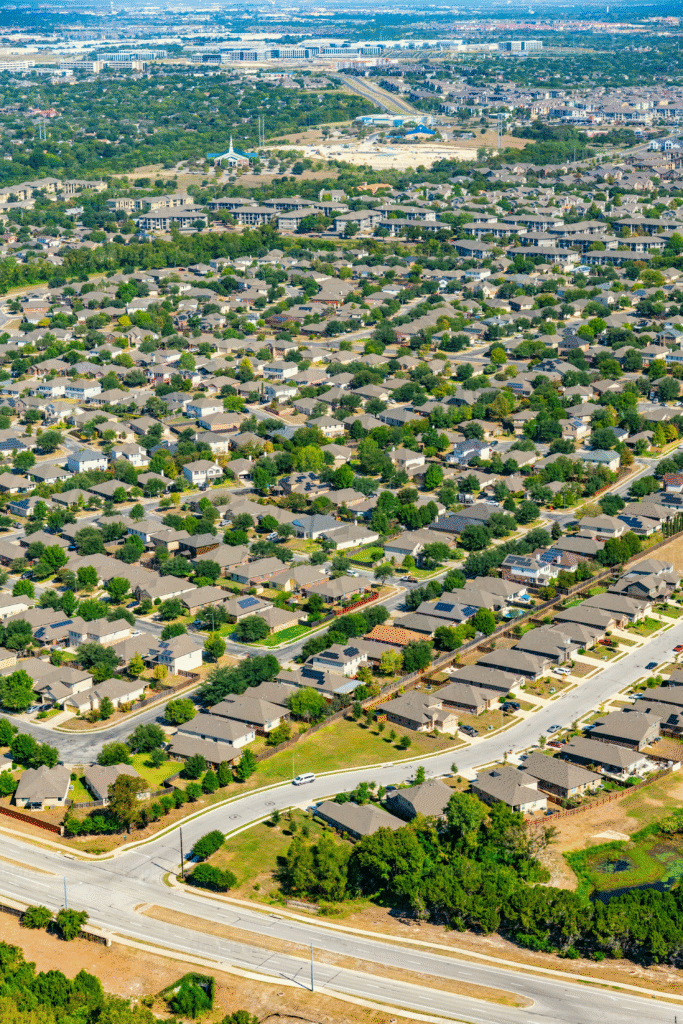
- Housing shortages. The National Association of Realtors estimates the United States faces a shortage of millions of housing units, increasing pressure to develop land in suburban and peri-urban areas.
- Industrial and logistics growth. The rise of e-commerce has dramatically increased demand for warehouse and distribution sites near population centers.
- Corporate relocation trends. Companies moving operations to lower-cost regions often require large development sites.
- Infrastructure expansion. New highways, rail projects, and airports open previously undeveloped land to investment.
In practice, this means land that was previously considered peripheral or agricultural may become highly valuable as cities expand outward.
The Shift From Sprawl to Strategic Land Development
Historically, urban expansion in the United States was characterized by low-density suburban sprawl. However, many municipalities are now encouraging more strategic land use patterns.
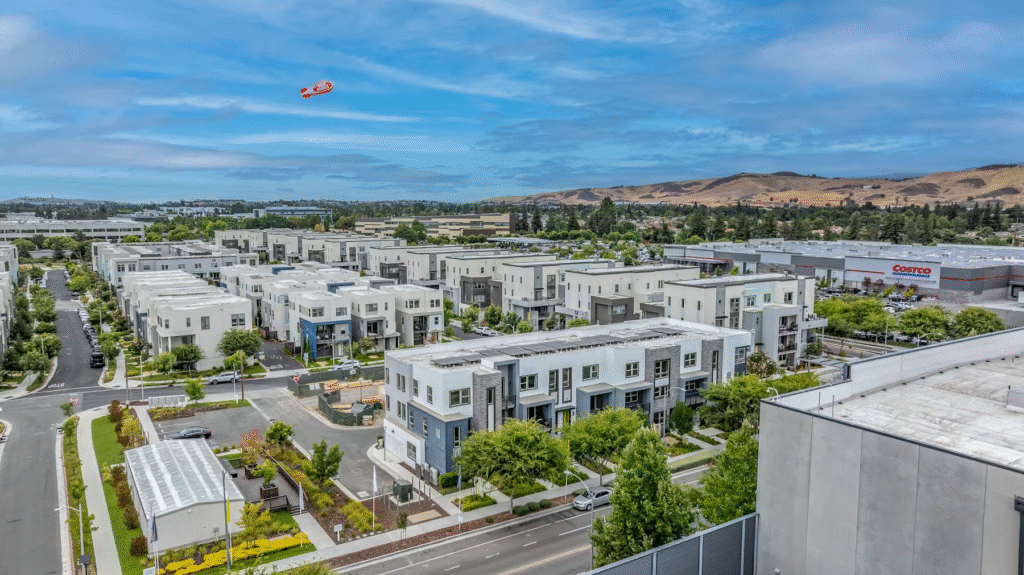
Modern development often focuses on mixed-use districts, transit-oriented communities, and densification near infrastructure corridors.
For example, development near public transit lines in cities like Denver and Seattle has increasingly prioritized compact residential and commercial projects that maximize land efficiency.
Key characteristics of this newer development model include:
- Mixed residential and commercial zoning
- Walkable urban design
- Higher density housing options
- Integration with public transportation
- Preservation of open space and environmental buffers
This shift is gradually reshaping how developers evaluate land opportunities.
How Infrastructure Drives Land Value
Infrastructure investment remains one of the most powerful drivers of land development demand.
Major transportation projects often unlock large areas for development by improving accessibility and commuting times. For example, highway expansions, commuter rail lines, and airport improvements frequently trigger significant land price increases in nearby areas.
The American Society of Civil Engineers has consistently emphasized that infrastructure modernization is critical to supporting population growth in expanding metropolitan regions.
Infrastructure-driven land demand often occurs around:
- Highway interchanges
- New commuter rail stations
- Regional airports
- Port expansions
- Technology or research campuses
In some cases, land values may rise years before development actually occurs, as investors anticipate future infrastructure improvements.
Residential Development Pressures
Housing remains one of the most significant factors shaping land development demand.
In high-growth regions, developers are increasingly seeking land for:
- Master-planned communities
- Build-to-rent neighborhoods
- Townhome developments
- Workforce housing projects
For example, suburbs surrounding Dallas and Atlanta have seen extensive residential expansion as population growth outpaces housing supply in urban cores.
Several demographic trends contribute to these development patterns:
- Millennials entering prime home-buying years
- Remote workers seeking more space
- Population migration to Sun Belt states
- Demand for lower-cost housing outside city centers
These shifts have increased the importance of suburban and exurban land in regional housing markets.
The Rising Role of Industrial and Logistics Land
Another major transformation in land development demand is the explosive growth of industrial real estate.
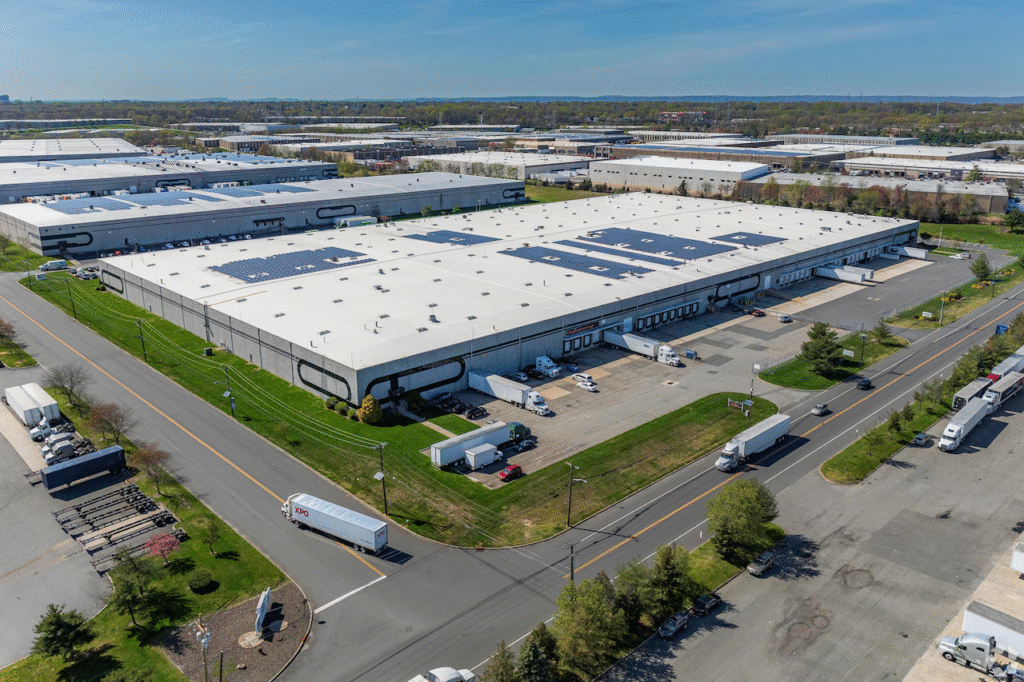
The rapid expansion of e-commerce has created unprecedented demand for large warehouse and distribution facilities near major transportation routes.
According to research from the Urban Land Institute, logistics facilities are among the fastest-growing land uses in U.S. real estate development.
Typical requirements for logistics development include:
- Large parcels (often 50–200 acres)
- Proximity to interstate highways
- Access to major population centers
- Zoning compatible with industrial operations
This trend has significantly increased land demand in areas near interstate corridors and major freight hubs.
Environmental and Regulatory Considerations
Urban expansion also raises important environmental and regulatory questions.
Local governments must balance growth with concerns about sustainability, water resources, and environmental protection. Development regulations often determine whether land can realistically be converted into residential or commercial use.
Common regulatory factors affecting land development include:
- Zoning restrictions
- Environmental impact assessments
- Wetlands protections
- Infrastructure capacity limits
- Growth management policies
For example, states such as California and Oregon have implemented growth management frameworks designed to limit uncontrolled urban sprawl.
While these policies can slow development in some areas, they often increase land values within designated growth zones.
How Investors and Developers Evaluate Land Opportunities
Developers and institutional investors now rely on sophisticated analysis when evaluating land for development.
Key factors commonly considered include:
- Population growth projections
- Employment growth trends
- Infrastructure investment plans
- Local zoning policies
- Environmental constraints
- Housing supply shortages
For example, many investors closely monitor migration patterns tracked by the U.S. Census Bureau to identify regions where population growth may drive future land demand.
In addition, regional economic diversification—such as growth in technology, healthcare, or advanced manufacturing—can significantly increase development opportunities.
Real-World Example: Growth in the Sun Belt
The Sun Belt region has become one of the most important areas for land development in the United States.
Cities such as Austin, Tampa, and Charlotte have experienced rapid population increases due to strong job growth, relatively affordable housing, and favorable business climates.
This growth has created a wide range of land development opportunities:
- Suburban housing communities
- Logistics distribution centers
- Mixed-use commercial districts
- Technology office campuses
However, rapid expansion also presents challenges, including traffic congestion, infrastructure strain, and environmental impacts.
Frequently Asked Questions
What causes urban expansion in the United States?
Urban expansion is driven primarily by population growth, job creation in metropolitan regions, housing shortages, infrastructure investment, and corporate relocation trends.
How does urban expansion affect land prices?
As cities grow outward, land near transportation infrastructure and employment centers becomes more valuable. Agricultural or undeveloped land may increase significantly in value once rezoning or development potential emerges.
Why are suburban areas growing so quickly?
Suburban growth is fueled by housing affordability, larger home sizes, improved transportation access, and remote work flexibility.
What types of land are most in demand today?
Residential development land, industrial logistics sites, mixed-use commercial parcels, and land near infrastructure corridors are among the most sought-after.
How does infrastructure influence land development?
New highways, transit lines, and airports improve accessibility, making nearby land more attractive for residential, commercial, and industrial development.
Are cities trying to limit urban sprawl?
Many municipalities are encouraging denser, mixed-use development and transit-oriented planning to reduce uncontrolled sprawl.
What is transit-oriented development?
Transit-oriented development refers to higher-density housing and commercial projects located near public transportation hubs.
How does e-commerce affect land demand?
E-commerce requires large distribution facilities near major population centers, increasing demand for industrial land near highways and logistics corridors.
What role do zoning laws play in land development?
Zoning regulations determine what types of buildings can be constructed on a parcel of land and strongly influence development potential.
Is land development still a good long-term investment?
In regions experiencing strong population and employment growth, land development opportunities often remain attractive, though they require careful analysis and regulatory compliance.
Looking Ahead: The Geography of Tomorrow’s Cities
Urban expansion will continue reshaping the geography of American metropolitan regions over the coming decades. As cities evolve, land development will increasingly focus on balancing growth with sustainability, infrastructure capacity, and economic resilience.
Developers, planners, and investors who understand these patterns can better anticipate where new housing, logistics hubs, and commercial districts will emerge. In a country where population movement and economic opportunity constantly redefine urban landscapes, land development remains one of the most dynamic forces shaping the future of American cities.
Key Insights at a Glance
- Over 80% of Americans live in urban areas, increasing pressure on land development
- Population migration toward Sun Belt cities is reshaping regional growth patterns
- Housing shortages are driving demand for suburban development land
- E-commerce expansion has increased demand for logistics and industrial land
- Infrastructure investments often trigger major increases in land value
- Mixed-use and transit-oriented development are replacing traditional sprawl
- Environmental regulations and zoning policies strongly influence land use
- Strategic land analysis is essential for developers and investors