

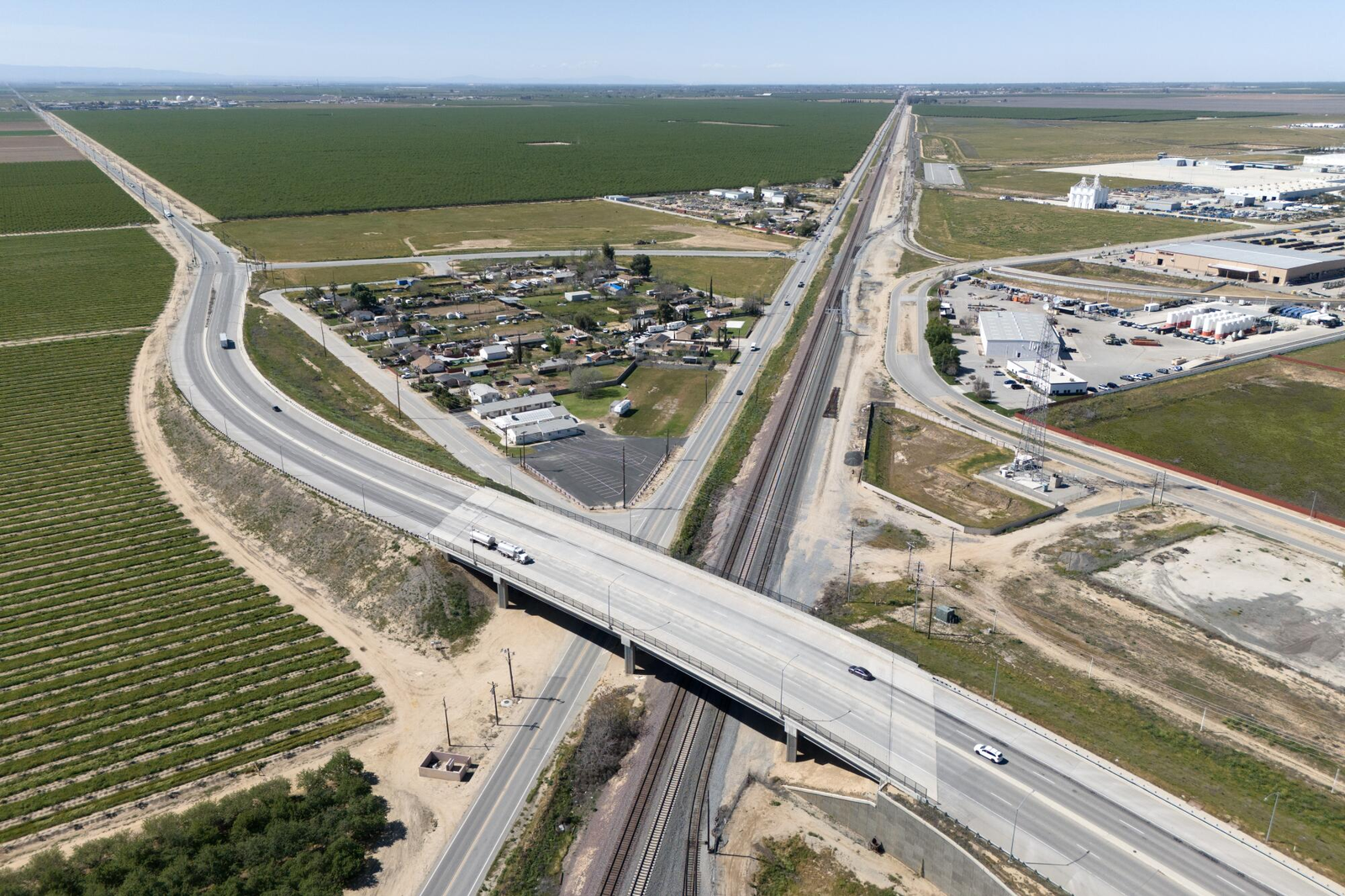
Summary
Demand for warehouses across the United States has surged as e-commerce, supply chain modernization, and faster delivery expectations reshape logistics. Companies are investing heavily in distribution networks, fueling industrial real estate growth nationwide. This article explains why warehouses are expanding rapidly, how logistics trends influence industrial property development, and what businesses, investors, and communities should understand about this evolving sector.
The Expanding Role of Warehouses in the Modern Economy
Warehouses were once considered quiet back-end facilities used primarily for storing goods. Today, they are central to the infrastructure that powers modern commerce. As consumers expect faster deliveries and businesses operate increasingly complex supply chains, warehouse networks have become essential logistics hubs that move products quickly and efficiently across regions.
In the United States, this shift has accelerated dramatically over the past decade. According to industry research from CBRE and Prologis, industrial real estate—particularly warehouse space—has been one of the fastest-growing commercial property sectors. E-commerce alone requires roughly three times more logistics space than traditional retail, due to the need for fulfillment centers, sorting hubs, and last-mile distribution facilities.
Companies ranging from global retailers to small manufacturers are expanding their warehouse footprints to stay competitive. What once served as simple storage facilities now function as technologically advanced distribution centers that integrate automation, inventory systems, and transportation networks.
The logistics boom has therefore transformed warehouses into one of the most important drivers of industrial growth in the United States.
Why Warehouse Demand Is Rising Across the U.S.
Several long-term economic and technological trends have converged to create unprecedented demand for warehouse space.
Growth of E-Commerce
Online shopping continues to expand across nearly every retail category. When customers purchase products online, companies must store those goods somewhere close enough to deliver them quickly.
This has created a nationwide network of fulfillment centers and distribution hubs. Major logistics corridors—such as those near Los Angeles, Dallas, Chicago, and Atlanta—have experienced rapid warehouse development to support online retail operations.
Faster Delivery Expectations
Consumers increasingly expect two-day, next-day, or even same-day delivery. Meeting those expectations requires goods to be stored closer to population centers.
As a result, companies are building smaller last-mile warehouses near major metropolitan areas. These facilities allow delivery companies to move products from large distribution centers to local neighborhoods quickly.
Supply Chain Resilience
The global supply chain disruptions experienced during the COVID-19 pandemic revealed vulnerabilities in just-in-time inventory models. Many companies are now increasing inventory buffers and diversifying their distribution networks.
More inventory and more distribution points mean additional warehouse space is required.
Manufacturing and Reshoring
Some manufacturers are bringing production closer to U.S. markets. This shift, often called reshoring or nearshoring, increases the need for domestic storage, distribution, and logistics infrastructure.
Key factors driving warehouse demand include:
- Growth of e-commerce and omnichannel retail
- Shorter delivery windows and last-mile logistics
- Supply chain risk management
- Domestic manufacturing expansion
- Third-party logistics provider growth
Together, these forces have made warehouses a cornerstone of modern industrial real estate.
The Rise of Mega Distribution Centers
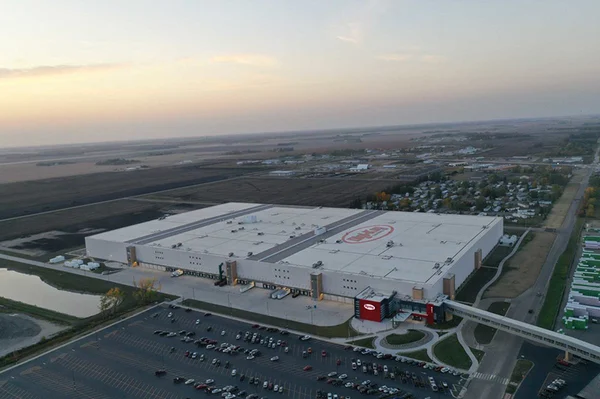
Large distribution centers have become a defining feature of the logistics boom. These facilities can exceed 1 million square feet and are designed to serve entire regions.
They are typically located near:
- Major interstate highways
- Freight rail lines
- International airports
- Seaports
- Intermodal transportation hubs
For example, the Inland Empire region of Southern California has developed into one of the largest warehouse markets in the world due to its proximity to the Ports of Los Angeles and Long Beach. Products arriving from Asia are transported inland to massive distribution centers where they are sorted and redistributed across the country.
Similarly, cities like Dallas, Phoenix, Columbus, and Savannah have become major logistics hubs due to strategic transportation access.
Large distribution centers often feature:
- High-clearance ceilings (36–40 feet)
- Extensive truck loading docks
- Cross-dock layouts for efficient freight movement
- Automated sorting systems
- Advanced warehouse management technology
These facilities are designed to process enormous volumes of goods while minimizing transportation costs and delivery times.
Technology Is Transforming Warehouse Operations
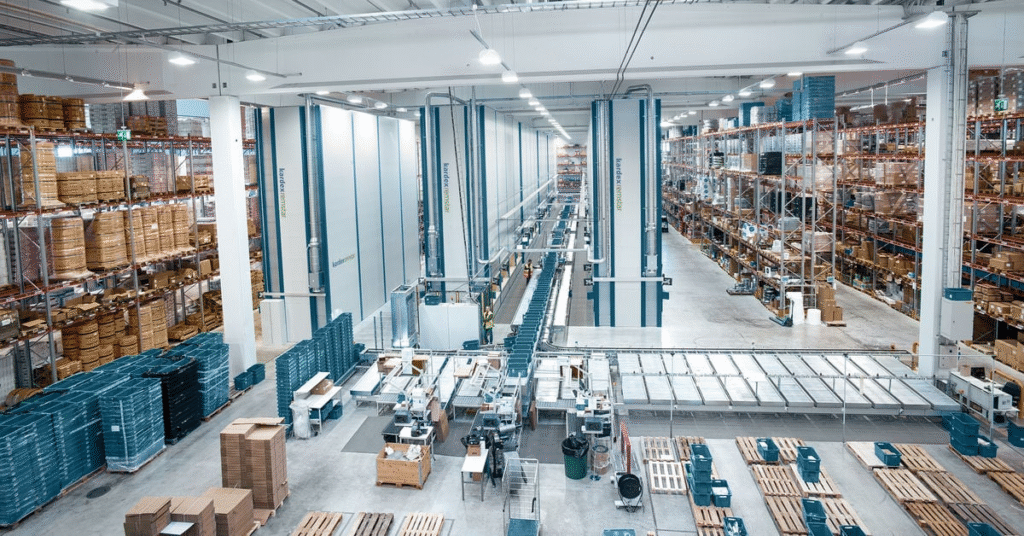
Modern warehouses look very different from the storage buildings of previous decades. Technology now plays a central role in how these facilities operate.
Automation and data systems help companies manage inventory more efficiently while reducing operational delays.
Key technologies shaping warehouses include:
- Automated storage and retrieval systems (AS/RS)
- Robotics for picking and packing
- Warehouse management software
- Artificial intelligence for demand forecasting
- Internet of Things (IoT) sensors for tracking goods
Large retailers and logistics providers are investing heavily in these technologies. Automated systems can increase throughput while reducing labor costs and improving accuracy.
For example, robotic picking systems can retrieve items from shelves and deliver them to packing stations faster than manual operations. This allows distribution centers to process thousands of orders per hour during peak shopping seasons.
As technology evolves, warehouses are increasingly designed with automation in mind, influencing building layouts, ceiling heights, and floor load capacities.
Strategic Location: Why Geography Matters
One of the most important decisions in warehouse development is location. Companies must balance transportation costs, delivery speed, and real estate availability when selecting distribution sites.
Several geographic factors influence warehouse placement:
Access to Transportation Infrastructure
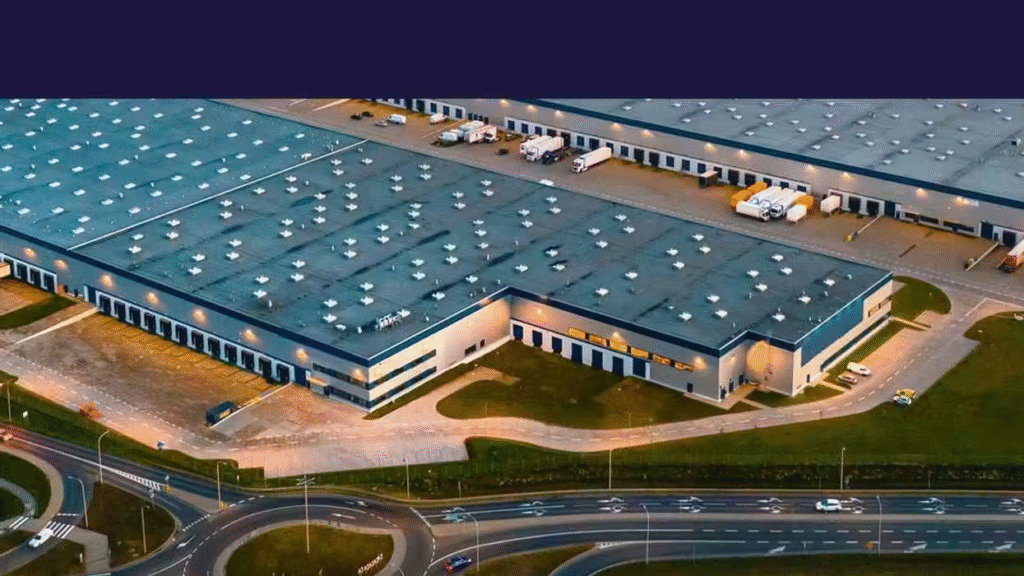
Warehouses perform best when located near major freight routes such as:
- Interstate highways
- Rail freight corridors
- International airports
- Seaports
These connections allow goods to move efficiently between suppliers, distribution centers, and customers.
Proximity to Population Centers
Last-mile warehouses must be located near dense urban areas to support rapid delivery.
Cities like New York, Chicago, and Los Angeles require multiple logistics facilities within surrounding regions to meet consumer demand.
Land Availability and Zoning
Industrial land suitable for warehouse development is limited in some metropolitan areas. Zoning restrictions, environmental considerations, and land prices all affect where facilities can be built.
Because of these constraints, developers increasingly target secondary logistics markets such as Indianapolis, Nashville, and Kansas City, where land costs are lower and transportation networks remain strong.
The Role of Third-Party Logistics Providers
A major contributor to warehouse growth is the expansion of third-party logistics (3PL) companies. These firms manage storage, shipping, and distribution services for retailers and manufacturers.
Instead of operating their own warehouses, many businesses outsource logistics to specialized providers.
3PL companies offer several advantages:
- Shared logistics infrastructure
- Reduced capital investment for businesses
- Flexible storage capacity
- Integrated transportation management
- Access to advanced logistics technology
As online retail grows, many small and mid-sized companies rely on 3PL networks to handle order fulfillment and shipping operations.
This has significantly increased demand for warehouse facilities across the country.
Industrial Real Estate Investment Is Accelerating
Investors have taken notice of the warehouse boom. Industrial real estate has consistently ranked among the top-performing commercial property sectors in the United States.
Institutional investors, real estate investment trusts (REITs), and pension funds are actively acquiring industrial properties.
Several factors make warehouses attractive investments:
- Long-term leases with stable tenants
- Growing demand for logistics infrastructure
- Relatively low operating costs
- Strong occupancy rates in major markets
According to Prologis research, vacancy rates for logistics real estate in many U.S. markets have remained historically low during periods of strong demand.
This combination of stable income and long-term growth potential has drawn significant capital into warehouse development.
Challenges Facing Warehouse Development
Despite strong demand, warehouse expansion faces several challenges.
Land Scarcity
Industrial land near large metropolitan areas is increasingly limited. Developers often compete with residential or mixed-use projects for available parcels.
Community Concerns
Local communities sometimes raise concerns about truck traffic, environmental impact, and land use. Developers must work closely with municipalities to address zoning, infrastructure, and environmental considerations.
Labor Availability
Warehouse operations require workers for logistics, equipment handling, and distribution tasks. In some regions, labor shortages have created operational challenges.
Construction Costs
Rising construction material costs and supply chain disruptions have increased the expense of building large distribution facilities.
Even with these challenges, demand for warehouse infrastructure continues to outpace supply in many markets.
How Warehouses Support the Broader Economy
The logistics network supported by warehouses plays a critical role in economic activity.
Warehouses enable businesses to:
- Maintain reliable product availability
- Reduce transportation delays
- Support regional manufacturing
- Facilitate international trade
- Enable faster retail distribution
They also generate significant employment opportunities in transportation, logistics, technology, and facility operations.
Regions with strong logistics infrastructure often experience economic growth as companies cluster around transportation hubs and industrial corridors.
Frequently Asked Questions
Why are warehouses in such high demand today?
Warehouse demand is rising primarily due to e-commerce growth, faster delivery expectations, supply chain resilience strategies, and the expansion of third-party logistics providers.
How much warehouse space does e-commerce require?
Research from Prologis suggests e-commerce businesses require roughly three times more logistics space than traditional brick-and-mortar retail operations.
What is a last-mile warehouse?
A last-mile warehouse is a distribution facility located close to urban areas that enables rapid delivery of goods to customers.
Where are the biggest warehouse markets in the U.S.?
Major warehouse markets include Southern California’s Inland Empire, Chicago, Dallas–Fort Worth, Atlanta, New Jersey, and Pennsylvania.
What technologies are used in modern warehouses?
Automation technologies such as robotics, automated storage systems, warehouse management software, and AI-driven forecasting tools are commonly used.
What is a logistics park?
A logistics park is a large industrial development containing multiple warehouses and distribution facilities connected to transportation networks.
Who typically rents warehouse space?
Tenants include retailers, manufacturers, e-commerce companies, logistics providers, and wholesale distributors.
Are warehouses good real estate investments?
Many investors consider warehouses attractive due to strong demand, long-term leases, and relatively stable occupancy rates.
How large are modern distribution centers?
Large distribution centers often exceed 500,000 to 1 million square feet and are designed to serve regional markets.
Will warehouse demand continue growing?
Most analysts expect continued growth as e-commerce expands and supply chains become more complex.
Mapping the Future of Logistics Infrastructure
Warehouses are no longer peripheral industrial buildings. They are critical infrastructure supporting modern commerce, global supply chains, and regional economic growth.
As logistics networks evolve, warehouse design, location strategy, and operational technology will continue to adapt. Cities, developers, and businesses will increasingly collaborate to balance economic opportunity with responsible land use and infrastructure planning.
For investors, companies, and communities alike, understanding the dynamics behind warehouse demand provides valuable insight into the broader transformation of industrial real estate.
Key Insights at a Glance
- Warehouses have become essential infrastructure for modern logistics networks
- E-commerce growth is one of the primary drivers of warehouse demand
- Large distribution centers support regional and national supply chains
- Technology and automation are reshaping warehouse operations
- Strategic location near transportation corridors is critical
- Third-party logistics providers are expanding warehouse networks
- Industrial real estate investment in warehouses remains strong
- Land availability and community considerations affect development