

Summary
Investing in residential land can offer long-term opportunity, but it also carries risks that differ from buying an existing home. Buyers must evaluate zoning regulations, infrastructure access, environmental conditions, financing options, and development potential before purchasing. Understanding these factors helps investors avoid costly surprises and make informed decisions about land that can support future homes, communities, or long-term appreciation.
Understanding Why Residential Land Investment Is Different
Buying residential land is fundamentally different from purchasing a finished home. A house offers immediate livability and clear value comparisons through nearby sales. Land, however, requires buyers to evaluate potential rather than current use.
According to the National Association of Realtors, land purchases typically require more due diligence because they involve regulatory approval, development costs, and long-term planning considerations. A parcel that appears affordable initially may require significant infrastructure investment before construction is possible.
Residential land buyers often fall into three categories:
- Individuals planning to build a custom home
- Investors expecting appreciation as nearby areas develop
- Developers assembling parcels for future communities
Each group must assess the same core factors, though their timelines and financial strategies may differ.
Location Still Determines Long-Term Value
As with all real estate, location remains the most important variable when evaluating residential land. However, with land, location influences more than resale value—it determines whether development is practical.
Land near expanding metropolitan areas often attracts buyers because population growth creates housing demand. The U.S. Census Bureau reports that many suburban counties surrounding large cities have experienced sustained population increases over the past decade.
When assessing location, buyers should consider:
- Distance to major employment centers
- Access to highways and public transportation
- Nearby schools, hospitals, and retail areas
- Planned infrastructure or transportation projects
- Local population and job growth trends
For example, land purchased on the outskirts of rapidly growing cities like Austin, Nashville, or Phoenix has seen strong appreciation over the past decade as suburban expansion pushed development outward.
Zoning and Land-Use Regulations
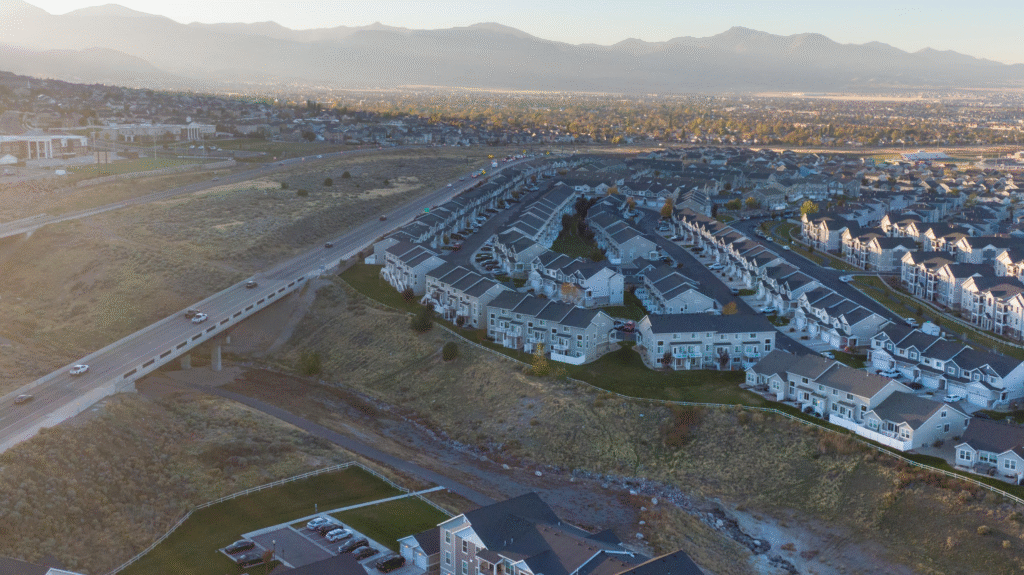
Zoning rules determine what can legally be built on a property. These regulations vary widely across municipalities and counties.
A parcel labeled “residential land” may still have restrictions that limit development. Some zoning districts only allow single-family homes, while others permit multi-unit housing or mixed-use projects.
Buyers should contact the local planning department to confirm:
- The property’s zoning classification
- Minimum lot size requirements
- Building height limitations
- Density restrictions
- Setback requirements from roads and neighboring properties
Zoning can significantly influence investment potential. For example, a parcel zoned for multiple residential units may offer greater value than land restricted to a single home.
Access to Utilities and Infrastructure
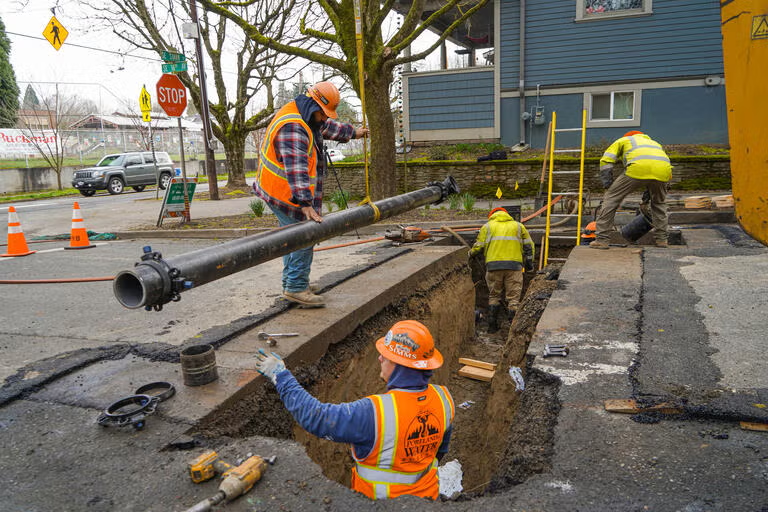
One of the most common surprises for first-time land buyers is the cost of connecting utilities.
Unlike established neighborhoods, undeveloped land may lack access to essential services such as electricity, water, sewer systems, and internet connectivity.
Buyers should verify the availability of:
- Electricity connections
- Public water lines
- Municipal sewer or septic requirements
- Natural gas availability
- Broadband or fiber internet
If utilities are not nearby, installation costs can be substantial. Extending water lines or electrical service across rural parcels can add thousands—or sometimes tens of thousands—of dollars to development expenses.
Environmental and Soil Considerations
Environmental conditions can directly affect whether land is buildable. Before purchasing, buyers should investigate the physical characteristics of the property.
Several factors may influence development feasibility:
- Soil stability and drainage
- Flood zone designation
- Wetlands or protected ecosystems
- Slope and topography
- Historical environmental contamination
The Federal Emergency Management Agency (FEMA) provides flood maps that help determine whether land sits within a designated flood zone. Building within these areas may require elevated construction or specialized insurance.
Soil testing is also important, particularly in areas where homes rely on septic systems. If the soil cannot support a septic system, development may become impractical.
Access and Easements
A parcel must have legal access to a public road or established right-of-way. Without proper access, a property may be considered “landlocked,” limiting its usability and market value.
Buyers should confirm:
- The presence of recorded road access
- Shared driveway agreements
- Utility easements across the property
- Neighboring rights-of-way
Easements are common and not necessarily problematic, but they should be clearly documented. A utility easement, for example, may prevent construction in a certain portion of the land.
Development Costs Beyond the Purchase Price
Land buyers sometimes focus solely on the purchase price, overlooking the broader financial picture. Development costs can exceed the initial cost of the land itself.
Common development expenses include:
- Site clearing and grading
- Road or driveway construction
- Utility installation
- Septic or well systems
- Architectural and engineering services
- Permit and inspection fees
For example, clearing wooded land and preparing it for construction can cost several thousand dollars per acre depending on terrain and vegetation.
Understanding these costs helps buyers determine whether a property aligns with their long-term financial goals.
Financing Options for Land Purchases
Financing land can be more challenging than obtaining a traditional mortgage for a house. Lenders typically view land as a higher-risk investment because it does not produce immediate housing value.
Several financing options may be available:
- Local bank land loans
- Owner financing from the seller
- Construction loans for buyers planning immediate building
- Home equity loans for buyers using existing property as collateral
Land loans often require larger down payments—sometimes 20% to 50% of the purchase price—and may carry higher interest rates.
Buyers planning to build within a short timeframe may qualify for construction-to-permanent loans, which convert into a standard mortgage after the home is completed.
Understanding Market Timing and Growth Trends
Residential land often appreciates slowly compared with built homes, but its value can increase significantly as surrounding areas develop.
Investors often evaluate:
- Regional population growth
- Housing supply shortages
- Infrastructure expansion projects
- Local zoning changes that encourage development
According to data from the Federal Reserve Bank, housing shortages in many U.S. markets have increased demand for developable land, particularly near suburban growth corridors.
However, land investments generally require patience. Appreciation may occur over several years as nearby development gradually increases property value.
Working With Local Experts
Because land purchases involve numerous regulatory and environmental factors, professional guidance can be extremely helpful.
Buyers often consult:
- Real estate agents specializing in land transactions
- Land surveyors
- Real estate attorneys
- Civil engineers or site planners
- Environmental consultants
Local professionals often understand county regulations, utility access patterns, and future infrastructure plans that may not be obvious to outside buyers.
For example, a local surveyor may identify drainage issues or easements that could affect building plans.
Conducting Proper Due Diligence
A careful due diligence process helps buyers avoid unexpected problems after purchase.
Typical steps include:
- Ordering a professional land survey
- Reviewing title records for liens or restrictions
- Confirming zoning and permitted uses
- Conducting environmental assessments if necessary
- Evaluating utility access and development costs
Many land purchase agreements include a due diligence period, allowing buyers to investigate these factors before finalizing the transaction.
Frequently Asked Questions
Is buying residential land a good investment?
Residential land can be a solid long-term investment when purchased in areas experiencing population growth or infrastructure expansion. However, returns may take time and require careful evaluation of zoning and development potential.
Can I build a home on any residential land?
Not always. Zoning rules, soil conditions, and utility availability may affect whether a home can be built on a property.
How much down payment is required for land?
Most lenders require between 20% and 50% down for land loans, though requirements vary by lender and location.
Do I need a survey before buying land?
Yes. A survey confirms property boundaries, easements, and access rights, helping prevent disputes or development issues later.
What is a landlocked property?
A landlocked property has no legal access to a public road. This can limit development and significantly reduce value.
Are utilities always available on residential land?
No. Many undeveloped parcels require buyers to install wells, septic systems, or electrical connections.
What are the biggest risks in land investment?
Common risks include zoning restrictions, environmental issues, lack of infrastructure, and slower resale timelines.
How long does land typically take to appreciate?
Land appreciation varies widely by region but often occurs gradually as nearby development increases demand.
Should I buy land before designing a home?
Yes. The land’s slope, soil conditions, and zoning regulations influence what type of home can be built.
Can residential land be used for multiple homes?
That depends on zoning rules and density regulations set by local municipalities.
Looking Ahead: Making Thoughtful Land Investment Decisions
Residential land investment rewards careful planning rather than quick decisions. Buyers who understand zoning rules, infrastructure requirements, environmental conditions, and market trends are better positioned to make informed choices.
While land may not provide immediate returns, it can become a valuable long-term asset when located in growing areas with expanding housing demand. Thorough research, professional guidance, and patience remain the most reliable tools for navigating this segment of the real estate market.
Key Points to Remember When Evaluating Residential Land
- Location strongly influences future development potential
- Zoning laws determine what can legally be built
- Utility access significantly affects development costs
- Environmental conditions may limit construction
- Financing land often requires higher down payments
- Due diligence is essential before completing a purchase
- Professional advice can reduce risk and clarify opportunities