


Summary
Compensation is more than a paycheck. For many U.S. employees—especially professionals, executives, and those with equity incentives—the structure of compensation can significantly influence annual taxes and long-term financial outcomes. Understanding how salary, bonuses, stock compensation, retirement contributions, and benefits interact with the tax code helps employees keep more of what they earn while aligning compensation with long-term financial goals.
Why Compensation Structure Matters for Taxes
Most employees think about compensation primarily in terms of salary. However, how compensation is structured can meaningfully influence the taxes owed each year.
In the United States, wages, bonuses, and most cash payments are taxed as ordinary income, which is subject to federal income tax rates that currently range from 10% to 37%, plus payroll taxes. But other types of compensation—such as stock options, restricted stock units (RSUs), retirement contributions, or certain fringe benefits—may be taxed differently or deferred.
According to data from the Internal Revenue Service, employee benefits represent nearly 30% of total compensation in many workplaces, and several of these benefits receive favorable tax treatment. This means employees who understand how compensation components work together can potentially reduce current taxes or defer them to future years.
For professionals receiving bonuses, equity compensation, or variable pay, thoughtful planning around compensation structure often becomes an important part of broader financial planning.

The Core Components of Employee Compensation
Compensation packages typically include several elements beyond base salary. Each component can carry different tax implications.
Most U.S. compensation packages may include:
- Base salary
- Performance bonuses
- Equity compensation (RSUs, stock options, ESPPs)
- Retirement contributions
- Health and insurance benefits
- Deferred compensation programs
- Fringe benefits and allowances
While salary and bonuses are taxed immediately, other elements—such as retirement contributions or deferred compensation—can reduce taxable income today or shift taxation into the future.
Employees who understand these differences can make more informed decisions during hiring negotiations, annual benefits enrollment, or compensation restructuring discussions.
Salary vs. Bonus: Understanding Immediate Tax Impact
Salary and bonuses are both taxed as ordinary income, but they may affect tax planning in different ways.
Bonuses often receive special attention because employers typically withhold taxes at a flat federal rate of 22% for supplemental wages under $1 million, according to IRS guidelines. For higher bonuses, the withholding rate increases to 37%.
However, withholding is not the same as the actual tax owed. If a worker’s true tax bracket is higher than the withholding rate, they may owe additional tax when filing their return.
Employees sometimes evaluate compensation timing when large bonuses are expected. For example, if a bonus can be deferred into the next calendar year—perhaps through company policy or a deferred compensation plan—it may shift income into a different tax year.
For high earners, spreading income across tax years can sometimes help manage marginal tax exposure.
The Role of Retirement Contributions in Tax Efficiency
One of the most widely used tax-efficient compensation strategies for employees involves retirement savings.
Contributions to workplace retirement plans such as those offered through employers often provide immediate tax benefits.
Common retirement plan options include:
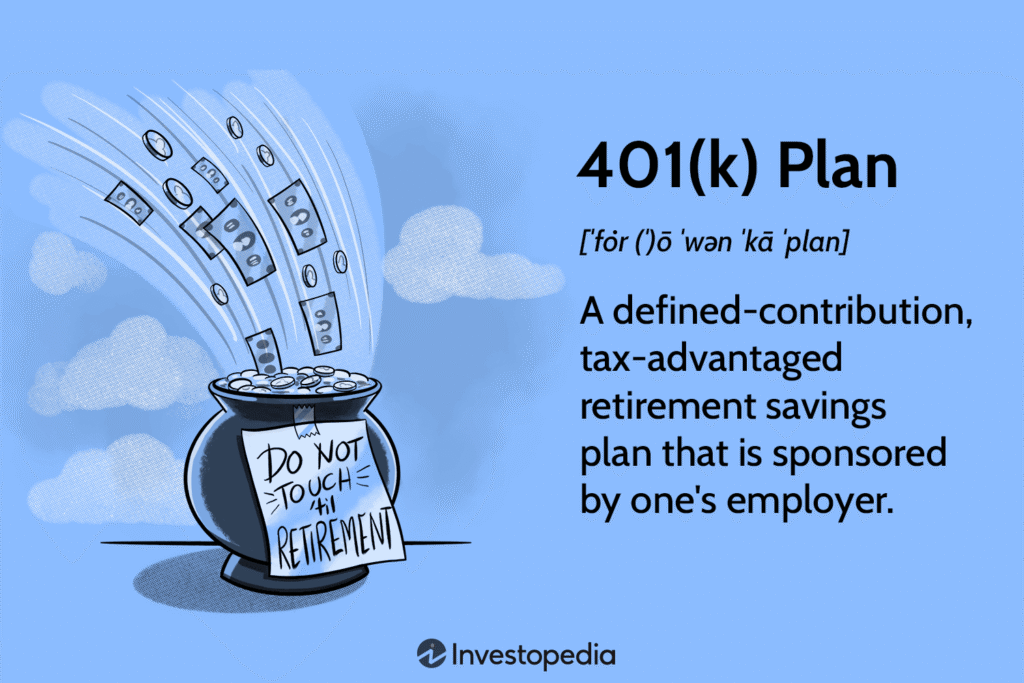
- 401(k) plans
- Roth 401(k) options
- Employer matching contributions
- After-tax contributions with potential backdoor Roth strategies
In 2025, the IRS allows employees to contribute up to $23,000 annually to a 401(k), with an additional $7,500 catch-up contribution for individuals age 50 or older.
Traditional 401(k) contributions reduce current taxable income. For example, an employee earning $150,000 who contributes $23,000 may only be taxed on $127,000 of income at the federal level.
Roth contributions work differently. They are taxed today but allow tax-free withdrawals in retirement.
Choosing between these options depends on current income, expected future tax rates, and long-term financial goals.
Equity Compensation: Taxes Beyond Salary
Many employees in technology, finance, and large corporations receive equity as part of their compensation.
Equity can create substantial wealth over time, but it also introduces complex tax considerations.
Common forms include:
- Restricted Stock Units (RSUs)
- Incentive Stock Options (ISOs)
- Non-qualified stock options (NSOs)
- Employee Stock Purchase Plans (ESPPs)
Each type is taxed differently.
RSUs, for example, are typically taxed as ordinary income when they vest. If the stock continues to grow afterward, additional gains are taxed as capital gains when shares are sold.
Stock options introduce additional planning considerations, particularly around exercise timing.
For employees with substantial equity compensation, the timing of selling shares, exercising options, or holding for long-term capital gains treatment can meaningfully influence total tax liability.
Tax-Efficient Employee Benefits Many Workers Overlook
Some of the most tax-efficient components of compensation come in the form of employer benefits.
Several benefits receive favorable tax treatment under U.S. tax law.
Common examples include:
- Health Savings Accounts (HSAs)
- Flexible Spending Accounts (FSAs)
- Dependent care assistance programs
- Commuter benefits
- Employer-paid health insurance
Health Savings Accounts are particularly notable. Contributions are tax-deductible, grow tax-free, and can be withdrawn tax-free for qualified medical expenses.
This “triple tax advantage” makes HSAs one of the most tax-efficient tools available within employer benefit programs.
Employees enrolled in high-deductible health plans may benefit from maximizing these accounts whenever possible.
Deferred Compensation Plans for Higher Earners
Some employers offer nonqualified deferred compensation plans, particularly for executives or high-income professionals.
These plans allow employees to defer a portion of income—often bonuses or salary—into future years.
Deferred compensation can serve several purposes:
- Reduce taxable income in high-earning years
- Align income with retirement or lower-income years
- Allow tax-deferred investment growth
However, deferred compensation plans carry certain risks. Unlike retirement accounts, these funds typically remain part of the employer’s general assets until paid.
Employees considering participation should understand the plan’s structure, payout schedules, and potential employer risk.
Timing Decisions That Influence Taxes
Compensation planning sometimes involves timing decisions.
While employees usually cannot control every aspect of pay timing, some choices may exist depending on employer policies.
Situations where timing may matter include:
- Year-end bonus payments
- Exercising stock options
- Selling company stock
- Deferring income through compensation plans
For example, exercising stock options late in the year could trigger significant income in a single tax year. Some employees choose to spread exercises across multiple years to manage tax exposure.
These decisions often benefit from guidance from a financial planner or tax professional familiar with equity compensation.
A Practical Example of Tax-Aware Compensation Planning
Consider a mid-career technology professional earning $180,000 annually with the following compensation package:
- Base salary: $150,000
- Annual bonus: $20,000
- RSU grants worth $40,000 annually
If this employee maximizes their 401(k) contribution, contributes to an HSA, and plans equity sales strategically, their taxable income could be meaningfully reduced.
For example:
- $23,000 contributed to a 401(k) lowers taxable income
- $4,000–$8,000 contributed to an HSA may further reduce taxes
- RSU shares could be sold gradually to manage capital gains
Over time, these decisions can influence both annual taxes and long-term wealth accumulation.
When Professional Advice Becomes Valuable
As compensation packages become more complex, tax considerations often extend beyond standard tax filing.
Employees with significant bonuses, equity compensation, or deferred income may benefit from consulting professionals such as:
- Certified Public Accountants (CPAs)
- Financial planners
- Tax attorneys
Professionals can help evaluate strategies such as capital gains planning, retirement contribution strategies, or equity sale timing.
For many employees, even a single consultation during periods of compensation change—such as promotions or new equity grants—can clarify planning opportunities.

Frequently Asked Questions
1. What does tax-efficient compensation mean?
Tax-efficient compensation refers to structuring salary, benefits, and incentives in ways that legally reduce or defer taxes while maintaining the total value of compensation.
2. Are bonuses taxed differently from salary?
Bonuses are taxed as ordinary income but often have different withholding rates initially, which can make the tax impact feel different at the time they are paid.
3. Is contributing to a 401(k) the easiest tax strategy for employees?
For many workers, maximizing retirement contributions is one of the simplest ways to reduce current taxable income.
4. How are RSUs taxed?
Restricted Stock Units are typically taxed as ordinary income when they vest, based on the market value of the shares at that time.
5. Can employee benefits reduce taxable income?
Yes. Benefits such as HSAs, FSAs, and retirement contributions can lower taxable income or provide tax-free growth.
6. What is deferred compensation?
Deferred compensation allows employees to postpone receiving income until a future year, often to manage taxes during high-earning periods.
7. Should employees sell RSUs immediately?
Some employees sell RSUs immediately to avoid concentration risk, while others hold shares for potential long-term gains. Tax considerations vary.
8. Are stock options taxed differently than RSUs?
Yes. Stock options involve taxes at exercise and sale, while RSUs are taxed when they vest.
9. Do tax strategies change with higher income?
Higher earners often encounter additional considerations such as the Alternative Minimum Tax, surtaxes on investment income, and phase-outs of certain deductions.
10. When should employees review their compensation structure?
Employees often benefit from reviewing compensation during job changes, promotions, major equity grants, or before year-end.
Structuring Pay With the Long View in Mind
Compensation planning is rarely about short-term tax savings alone. Instead, it involves balancing present income, future growth, and tax exposure over time.
Employees who understand how different compensation components are taxed can make more informed decisions about retirement contributions, equity sales, and benefit utilization.
Even modest adjustments—such as maximizing retirement contributions or fully using tax-advantaged accounts—can compound over decades.
Ultimately, tax-efficient compensation is less about aggressive strategies and more about understanding the tools already built into modern compensation packages.
Key Insights to Remember
- Compensation often includes salary, bonuses, benefits, and equity incentives
- Retirement contributions can reduce current taxable income
- Equity compensation introduces additional tax considerations
- HSAs and certain benefits provide strong tax advantages
- Deferred compensation may help manage income timing
- Professional advice can help navigate complex compensation packages