

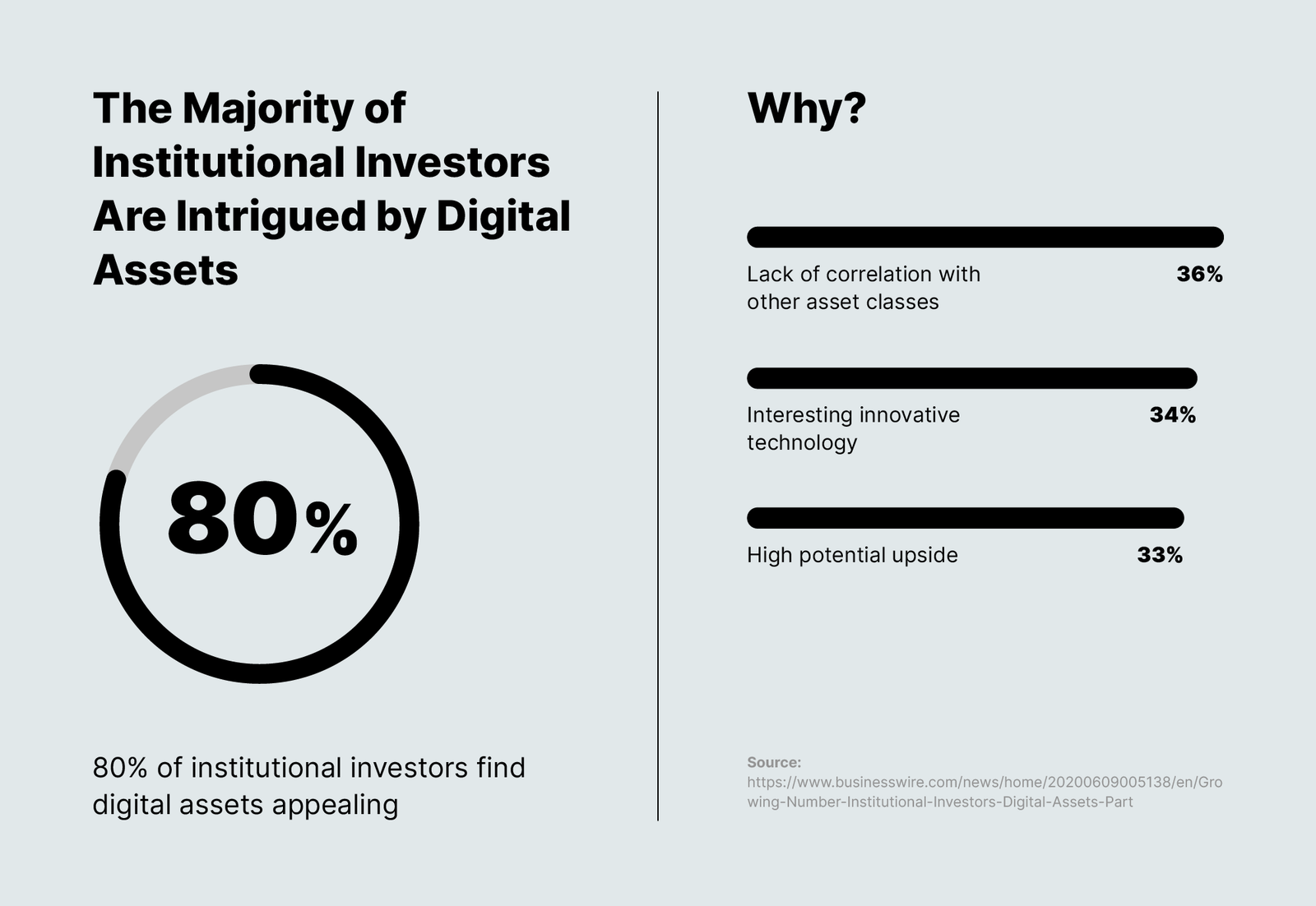
Digital assets are increasingly appearing in mainstream investment portfolios, but they require a clear understanding of risks, regulation, and long-term strategy. Before allocating capital, investors should evaluate volatility, custody security, tax implications, and diversification benefits. A thoughtful approach—grounded in research and realistic expectations—can help investors determine whether digital assets belong in their broader financial plans.
The Growing Presence of Digital Assets in Modern Investing
Over the past decade, digital assets have evolved from an experimental technology into a growing segment of the global financial ecosystem. Cryptocurrencies, tokenized securities, and blockchain-based financial tools are now discussed not only among technology enthusiasts but also among financial advisors, institutional investors, and policymakers.
In the United States, digital asset markets have expanded significantly as new financial products—such as regulated investment funds and exchange-traded products—have emerged. Large asset managers and banks are also exploring blockchain infrastructure, indicating that digital finance is becoming part of the broader financial landscape.
However, the increasing visibility of digital assets does not eliminate the need for careful analysis. Like any investment category, digital assets require a clear understanding of how they function, how they fit into portfolio construction, and what risks they introduce.
For investors considering digital assets, the most important question is not whether the technology is innovative—it is whether the asset class aligns with long-term financial goals.
Understanding What Counts as a Digital Asset
Before adding digital assets to a portfolio, investors should understand the broad range of instruments included in this category.
Digital assets generally refer to financial assets that exist on blockchain networks or distributed ledger systems. These systems record transactions in transparent and tamper-resistant databases.
Common categories include:
- Cryptocurrencies such as Bitcoin and Ethereum
- Stablecoins designed to track the value of traditional currencies
- Tokenized securities, representing shares in real-world assets
- Digital collectibles and NFTs
While these assets share underlying blockchain technology, they serve different purposes. Some function primarily as payment systems, others as speculative investments, and still others as infrastructure for decentralized applications.
Understanding these differences helps investors evaluate whether a particular digital asset has a clear economic role or long-term utility.
Volatility: The First Risk Investors Must Consider
Volatility is one of the defining characteristics of digital asset markets. Cryptocurrency prices can fluctuate significantly over short periods, sometimes moving by double-digit percentages in a single day.
This volatility stems from several factors:
- Relatively young and evolving markets
- Rapid shifts in investor sentiment
- Regulatory developments
- Technology-driven innovation cycles
For investors accustomed to traditional equities or bonds, these price movements can be difficult to manage emotionally and strategically.
Financial advisors often recommend treating digital assets as high-risk allocations within a diversified portfolio. Rather than replacing traditional investments, they are typically positioned as a small satellite allocation.
A practical example illustrates this approach.
An investor with a diversified retirement portfolio might allocate:
- 60% to broad stock market funds
- 30% to bonds and fixed income
- 5% to real estate exposure
- 5% to digital assets
In this scenario, digital assets provide exposure to emerging technology while limiting the potential impact of volatility on overall wealth.
How Digital Assets Fit Into Portfolio Diversification
Diversification is a core principle of modern financial planning. Investors spread capital across multiple asset classes to reduce the impact of any single market downturn.
Digital assets have attracted interest partly because they sometimes behave differently from traditional markets.
Potential diversification characteristics include:
- Exposure to blockchain technology sectors
- Global trading markets operating 24/7
- Independent technological adoption cycles
- Alternative payment infrastructure
However, research suggests that correlations between digital assets and traditional markets can change over time, particularly during periods of financial stress. Investors should therefore view digital assets as supplementary diversification tools rather than guaranteed hedges.
The key is maintaining balance—ensuring that the majority of a portfolio remains anchored in established asset classes such as equities and fixed income.
Security and Custody: Protecting Digital Investments
Unlike traditional financial assets held through brokerage accounts, digital assets introduce unique security considerations.
Ownership of digital assets is controlled through cryptographic keys. If these keys are lost or stolen, access to the assets may be permanently lost.
For this reason, secure custody is a critical issue.
Investors typically store digital assets using:
- Hardware wallets, which store private keys offline
- Custodial services provided by regulated financial institutions
- Exchange-based storage, where the trading platform holds the assets
Each option carries different trade-offs in terms of convenience, security, and regulatory protection.
Institutional-grade custody providers have emerged in recent years to address these concerns. Many of these firms use multi-signature security systems, cold storage infrastructure, and insurance coverage to protect client assets.
For individual investors, understanding custody solutions is just as important as choosing which assets to buy.
Tax Considerations in the United States
Tax treatment is another essential factor when adding digital assets to a portfolio.
The Internal Revenue Service treats most cryptocurrencies as property rather than currency. This means transactions involving digital assets can trigger capital gains or losses.
Common taxable events include:
- Selling cryptocurrency for U.S. dollars
- Trading one digital asset for another
- Using cryptocurrency to purchase goods or services
Investors must also maintain accurate records of purchase prices, transaction dates, and asset values.
Because digital asset transactions can occur across multiple platforms, recordkeeping can become complex. Many investors use specialized tax software or consult tax professionals familiar with cryptocurrency reporting.
Understanding these obligations before investing helps avoid unexpected tax liabilities.
Regulatory Developments and Investor Protection
Digital asset regulation in the United States continues to evolve. Federal agencies—including the Securities and Exchange Commission (SEC) and the Commodity Futures Trading Commission (CFTC)—oversee aspects of the market.
Regulatory priorities often include:
- Preventing fraud and market manipulation
- Protecting consumer funds held by exchanges
- Clarifying the classification of digital tokens
- Establishing reporting standards
As regulatory frameworks mature, they may improve investor confidence and market stability. At the same time, new rules can also influence which assets are available to U.S. investors and how they are traded.
For individuals considering digital assets, staying informed about regulatory developments is an important part of responsible investing.
Evaluating Long-Term Value Versus Speculation
One of the most common questions investors ask is whether digital assets represent long-term investments or speculative trades.
The answer varies depending on the specific asset and its underlying use case.
Some digital assets support networks that process payments, enable decentralized financial applications, or provide infrastructure for digital ownership systems. Others may exist primarily as speculative instruments with limited real-world utility.
When evaluating digital assets, investors often consider:
- The technology and network behind the asset
- The size and activity of its user base
- Developer participation and ecosystem growth
- Regulatory acceptance and institutional adoption
These factors can help distinguish assets with potential long-term relevance from those driven primarily by short-term market sentiment.
How Much Exposure Is Reasonable?
A frequent concern among investors is determining the appropriate level of digital asset exposure.
Financial advisors generally recommend cautious allocations that align with individual risk tolerance and time horizons.
Typical guidelines include:
- Limiting digital assets to a small percentage of total investments
- Avoiding concentration in a single token or project
- Maintaining core investments in diversified stock and bond funds
- Rebalancing periodically to maintain target allocations
For long-term investors, the goal is not to chase short-term gains but to maintain a balanced portfolio that can withstand multiple market cycles.
Common Questions Investors Are Searching For
Many Americans exploring digital assets ask similar practical questions before investing:
- Is cryptocurrency too risky for retirement portfolios?
- How do taxes work when trading digital assets?
- What security measures protect crypto holdings?
- Are digital assets regulated in the United States?
- How do digital assets compare to traditional investments?
Answering these questions through research and professional guidance helps investors approach digital assets with realistic expectations.
Frequently Asked Questions
1. Are digital assets safe investments?
Digital assets carry both opportunities and risks. Market volatility, regulatory uncertainty, and cybersecurity concerns make them higher-risk than many traditional investments.
2. How much of a portfolio should be allocated to digital assets?
Many financial advisors suggest small allocations, often between 1% and 5%, depending on risk tolerance and financial goals.
3. Are digital assets regulated in the United States?
Yes, though regulation is still evolving. Agencies such as the SEC and CFTC oversee various aspects of the market.
4. Do investors need a digital wallet?
Yes. Digital assets are stored in wallets that hold the cryptographic keys controlling access to the assets.
5. Are cryptocurrencies the only type of digital asset?
No. Digital assets also include stablecoins, tokenized financial assets, and blockchain-based collectibles.
6. How are digital assets taxed?
In the United States, most cryptocurrencies are treated as property for tax purposes, meaning capital gains taxes may apply to transactions.
7. Can digital assets help diversify a portfolio?
They may provide diversification benefits, but they should be considered complementary to traditional investments rather than replacements.
8. What is the biggest risk in digital asset investing?
Price volatility and security risks are among the most significant concerns for investors.
9. Are digital assets suitable for retirement planning?
Some investors include them in retirement strategies, but typically as a small allocation within diversified portfolios.
10. How can investors research digital assets responsibly?
Investors often review project documentation, evaluate developer activity, study market data, and consult financial professionals.
Navigating Digital Assets With a Long-Term Investor Mindset
Adding digital assets to a portfolio should not be driven by short-term excitement or fear of missing out. Instead, the decision should come from a structured evaluation of how these assets interact with broader financial goals.
Investors who approach digital assets thoughtfully—understanding volatility, taxation, security, and diversification—are better positioned to integrate them responsibly into long-term financial plans.
As financial technology continues evolving, digital assets may play an increasingly visible role in investment strategies. But the same principles that guide all sound investing remain essential: discipline, research, diversification, and patience.
Essential Points Investors Should Remember
- Digital assets represent a broad category including cryptocurrencies, stablecoins, and tokenized securities.
- Volatility is common, making digital assets higher-risk investments.
- Secure storage and custody are critical for protecting holdings.
- U.S. tax rules treat most digital assets as property.
- Diversification remains the foundation of responsible portfolio construction.
- Regulatory frameworks continue evolving in the United States.