

Summary
Penthouse apartments represent the top tier of residential real estate, but not all qualify as true luxury. Today’s standout penthouses combine privacy, expansive outdoor space, architectural distinction, smart-home technology, and premium amenities. Buyers increasingly prioritize lifestyle value—views, exclusivity, wellness features, and location—over square footage alone. Understanding these factors helps buyers, investors, and developers identify what truly defines a modern penthouse.
Why Penthouses Continue to Command Attention in Luxury Real Estate
Penthouse apartments have long represented the pinnacle of urban living. Located on the top floor of a building, they traditionally offered better views, larger layouts, and a degree of exclusivity unavailable in standard units. In today’s luxury housing market, however, the definition of a penthouse has evolved significantly.
Across major U.S. cities—from Manhattan and Miami to Los Angeles and Chicago—developers increasingly reserve their most architecturally distinctive residences for the uppermost floors. These homes often include features that resemble private houses more than traditional apartments: expansive terraces, double-height ceilings, and private elevator access.
Demand remains strong despite shifting economic conditions. According to data from the National Association of Realtors (NAR) and Douglas Elliman market reports, luxury property sales in major U.S. metros continue to be driven by affluent buyers seeking privacy, lifestyle amenities, and long-term investment value.
But today’s buyers are far more discerning than in previous decades. Simply being the top-floor unit is no longer enough. A penthouse must offer a meaningful upgrade in experience.
The Importance of Views and Location
The defining feature of many penthouses is the view. Because they sit above surrounding structures, these homes provide unobstructed perspectives that dramatically enhance everyday living.
In cities like New York or San Francisco, panoramic skyline views can become a core part of the property’s value. Coastal markets such as Miami or Los Angeles place equal emphasis on ocean and sunset views.
A premium penthouse typically offers:
- Floor-to-ceiling windows that maximize natural light
- Multiple exposures (north, south, east, west) for dynamic views
- Private outdoor terraces designed to capture scenery
- Minimal visual obstruction from neighboring towers
Views are not merely aesthetic. Real estate analysts often observe that premium views can increase property values by 20–50% compared to lower-floor units in the same building.
For many buyers, waking up above the skyline or overlooking the ocean transforms a residence into a daily experience rather than simply a place to live.
Architectural Design That Feels Like a Private Home
In earlier decades, penthouses were often simply larger apartments placed at the top of a building. Modern luxury developments treat them differently.
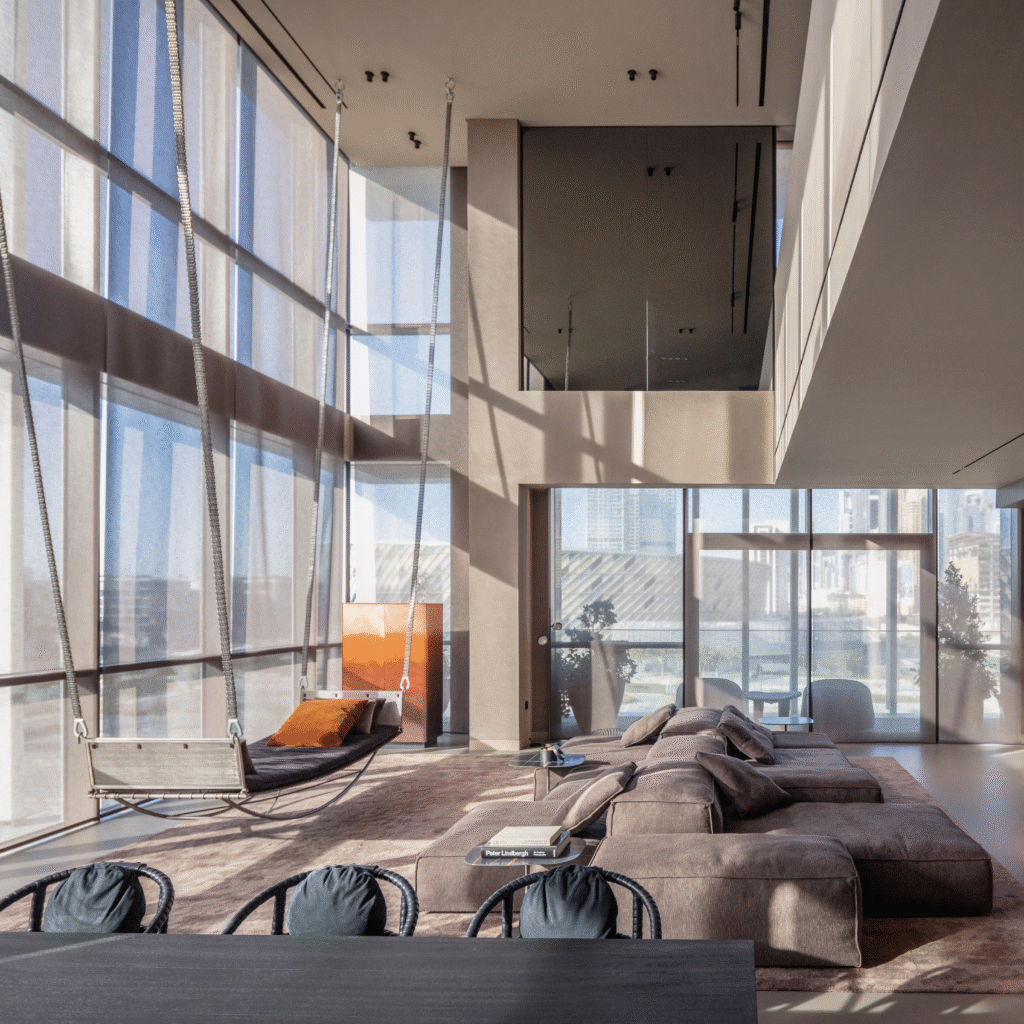
Today’s standout penthouses are frequently designed as signature residences, with layouts that resemble custom-built homes.
Architectural elements commonly include:
- Double-height living spaces
- Private rooftop terraces
- Indoor–outdoor transitions
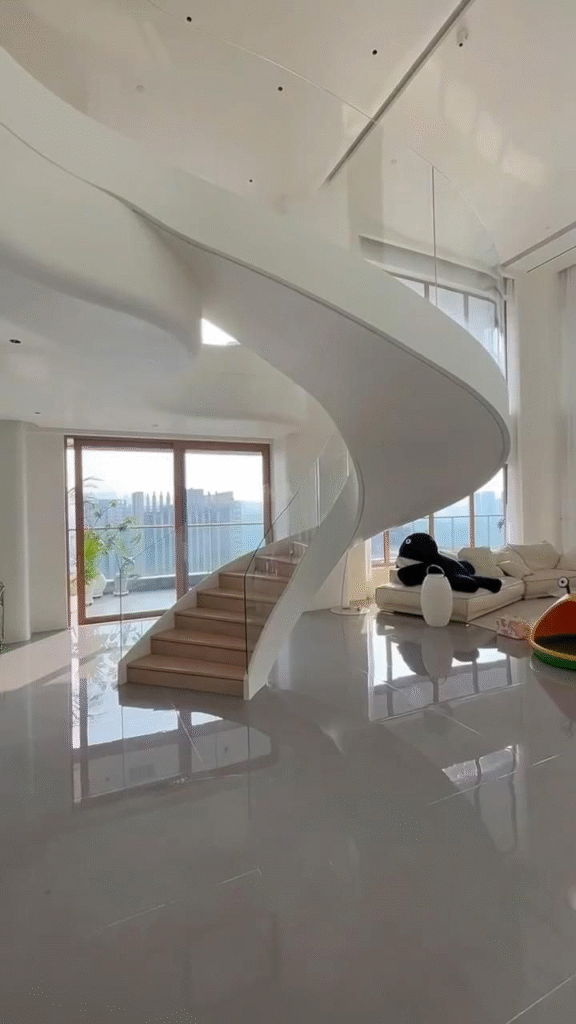
- Custom staircase features
- Dedicated entertainment areas
For example, several luxury towers in Manhattan now feature duplex or triplex penthouses with private rooftop pools and outdoor kitchens—amenities traditionally associated with suburban estates.
These architectural details help differentiate true penthouses from high-floor luxury units marketed with the same label.
Outdoor Space: A Rare Luxury in Dense Cities
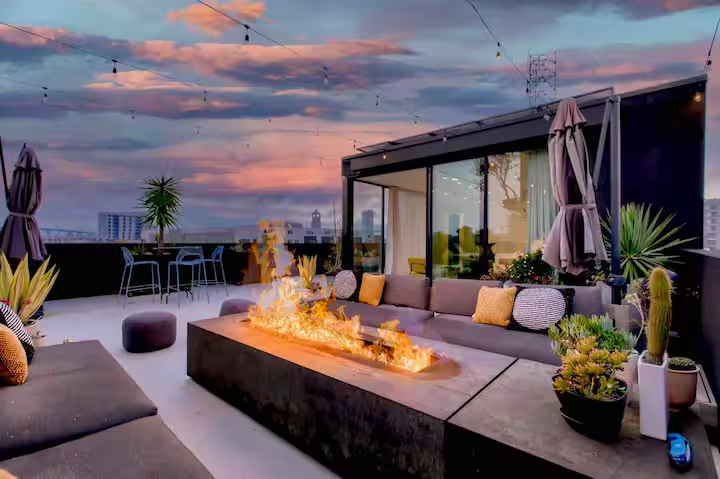
Outdoor space is one of the most coveted features in urban real estate. Penthouse apartments often provide the largest private outdoor areas in a building.
These spaces serve several purposes. They extend the living area, provide entertaining environments, and offer a sense of retreat from city density.
Common penthouse outdoor features include:
- Expansive terraces or wraparound balconies
- Private rooftop decks
- Outdoor kitchens or grilling areas
- Fire pits or lounge seating
- Landscaped garden spaces
During the pandemic housing surge, demand for private outdoor space increased dramatically. Real estate brokers across cities like New York, Boston, and Seattle reported that penthouses with large terraces often sold faster than similar units without them.
Buyers increasingly view these outdoor areas as extensions of the home rather than optional extras.
Privacy and Exclusivity
Privacy is one of the primary reasons buyers pursue penthouse residences. In luxury buildings, the top floor typically houses only one or two units, dramatically reducing shared hallway traffic.
Some high-end developments now design penthouses with direct elevator access, meaning residents enter their homes through a private vestibule.
Other privacy features may include:
- Separate service entrances
- Private parking garages or lifts
- Sound-insulated walls
- Dedicated building staff access points
For high-profile residents—such as executives, entertainers, and investors—these design considerations are essential.
The sense of exclusivity also contributes to long-term resale value. Limited availability means penthouses often remain some of the most desirable units in any development.
Interior Finishes and Customization
Luxury buyers increasingly expect penthouses to feature finishes that exceed those found in the rest of the building.
Developers typically allocate higher budgets for top-floor residences, allowing for more premium materials and customization.
High-end penthouse interiors may include:
- Custom cabinetry and millwork
- Natural stone surfaces such as marble or quartzite
- Professional-grade kitchen appliances
- Spa-style bathrooms with soaking tubs
- Wine storage or tasting rooms
Brands commonly seen in luxury kitchens include Sub-Zero, Wolf, Miele, and Gaggenau, while bathrooms may feature fixtures from manufacturers such as Dornbracht or Waterworks.
However, materials alone are not what create distinction. Thoughtful layout design—such as separating entertaining areas from private bedrooms—helps elevate everyday livability.
Smart Home Integration and Technology
Technology has become a defining component of modern penthouse living. Buyers in the luxury segment increasingly expect seamless smart-home integration.
Advanced systems allow residents to control multiple functions from a smartphone or centralized panel.
Typical smart-home features include:
- Automated lighting and shading systems
- Climate control by room
- Integrated security systems and cameras
- Whole-home audio and media control
- Voice-assisted automation
High-end developments sometimes install centralized building technology that connects with individual units, enabling residents to manage concierge services, guest access, or amenity reservations digitally.
Technology adds convenience but also improves energy efficiency and security—two factors increasingly valued by affluent buyers.
Amenities That Extend Beyond the Apartment
Luxury buildings often compete through amenities, and penthouse residents benefit from the most comprehensive offerings.
High-end residential towers across the United States now function almost like private clubs.
Common building amenities include:
- Fitness centers with personal training spaces
- Private screening rooms
- Co-working lounges
- Rooftop pools and gardens
- Concierge and valet services
Some developments add more specialized amenities such as golf simulators, wellness spas, or wine cellars.
For penthouse owners, these shared features complement the privacy of their homes while adding lifestyle value.
Scarcity and Investment Value
One of the reasons penthouses command higher prices is simple economics: supply is extremely limited.
A luxury tower might contain 100–200 residences, but only one to four penthouses.
This scarcity can make them resilient investments. In strong markets, penthouses often set record prices that influence valuations throughout the building.
For example, several ultra-luxury penthouses in Manhattan have sold for over $100 million, according to reports from The Real Deal and The Wall Street Journal. While these prices represent the extreme end of the market, they highlight how rare top-floor residences can become collector-level properties.
However, investment value still depends heavily on location, building reputation, and long-term neighborhood growth.
How Buyers Evaluate a True Penthouse
Because the term “penthouse” is sometimes used loosely in marketing, experienced buyers typically evaluate several factors before considering a unit a genuine top-tier residence.
Key indicators include:
- Top-floor location without neighboring units above
- Unique architectural layout not repeated elsewhere in the building
- Large private outdoor space
- Superior views
- Higher-end finishes than standard residences
- Limited number of comparable units
When several of these features align, the residence usually qualifies as a true penthouse rather than simply a high-floor luxury apartment.
Frequently Asked Questions
What is the difference between a penthouse and a regular apartment?
A penthouse typically sits on the top floor and offers superior views, larger layouts, private outdoor space, and higher-end finishes compared to standard units in the same building.
Why are penthouses more expensive?
They command higher prices due to limited supply, premium views, larger layouts, and exclusive features like private terraces and elevators.
Are penthouses always on the top floor?
Traditionally yes, but some developments label upper-level luxury units as penthouses even if they are not the absolute top floor.
Do penthouses appreciate in value?
They often retain value well because of scarcity, but appreciation still depends on location, market conditions, and building quality.
What amenities do luxury penthouses typically include?
Many feature large terraces, custom kitchens, spa-style bathrooms, smart-home systems, and private elevator access.
Are penthouses quieter than other apartments?
Generally yes, because there are no neighbors above and fewer shared hallways.
Do penthouses come with private elevators?
Some high-end buildings include direct elevator entry into the residence.
How large are penthouses usually?
Sizes vary widely but often range from 2,000 to over 10,000 square feet in major luxury markets.
Are penthouses good investments for rental income?
They can generate strong rental income in luxury markets, though operating costs and property taxes must be considered.
Can penthouses include rooftop pools?
In some luxury developments, private rooftop pools or hot tubs are part of the penthouse design.
Why Today’s Buyers Expect More Than Just Height
Modern penthouses succeed when they deliver a complete living experience rather than simply occupying the highest floor of a building. Buyers today expect thoughtful architecture, seamless technology, meaningful outdoor space, and privacy that rivals a standalone home.
Developers who treat penthouses as signature residences—not just premium units—are the ones shaping the future of luxury urban living.
Key Signals That Define a Standout Penthouse
- True top-floor placement with unobstructed views
- Large private terraces or rooftop outdoor space
- Distinct architectural design unique to the building
- Premium interior finishes and appliances
- Integrated smart-home technology
- Strong privacy and exclusivity
- Access to luxury building amenities
- Scarcity that supports long-term property value