


Summary
Married couples often revisit several financial decisions at tax time—from choosing the right filing status to reviewing deductions, retirement contributions, and tax credits. A thoughtful review can help households avoid errors and identify opportunities that align with their financial goals. This guide explains the key questions many couples revisit, common scenarios that affect tax outcomes, and practical considerations for filing jointly or separately.
Tax season often prompts married couples to revisit financial decisions they may not think about during the rest of the year. While filing taxes is an annual requirement, the process also serves as a natural checkpoint for reviewing household finances, income strategies, and long-term planning.
For many households, marriage introduces new variables into the tax picture. According to the Internal Revenue Service (IRS), the majority of married couples file Married Filing Jointly, but a smaller portion choose Married Filing Separately depending on income, deductions, or financial circumstances. Understanding when and why couples reconsider these choices can help households make more informed decisions each year.
Below are several areas that married couples commonly revisit at tax time and why they matter.
Choosing the Right Filing Status
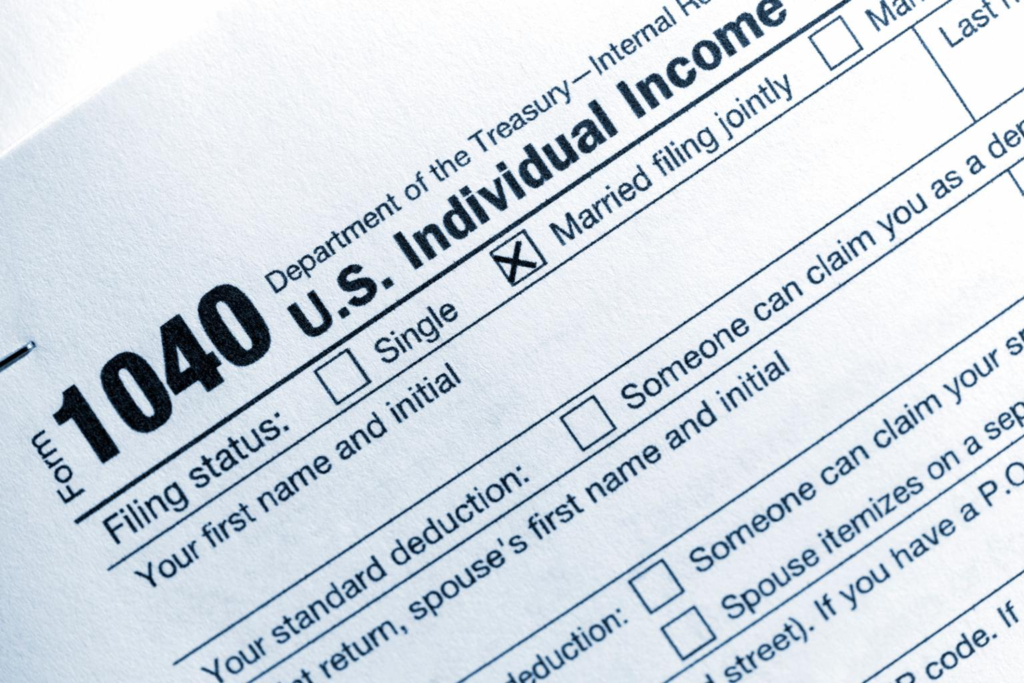
One of the first decisions couples reconsider each tax season is whether to file Married Filing Jointly or Married Filing Separately. For most households, filing jointly tends to offer broader tax benefits and access to larger deductions or credits. However, that is not always the best option in every situation.
Filing jointly combines both spouses’ income and deductions into one tax return. This often simplifies reporting and may result in lower overall taxes due to wider tax brackets and eligibility for credits such as the Child Tax Credit or the Earned Income Tax Credit.
In contrast, filing separately may make sense when:
- One spouse has significant medical expenses tied to income thresholds
- There are student loan repayment programs based on individual income
- A spouse prefers to keep tax liability separate due to financial complexity
- One spouse has business deductions or legal considerations
Financial advisors often recommend calculating taxes both ways before making a final decision. Tax software and professional preparers can usually run this comparison quickly.

Reviewing Income Changes Across the Household
Marriage means combining two financial lives, and tax season often reveals how income shifts affect the household’s tax bracket.
Couples frequently revisit questions such as:
- Did either spouse receive a promotion, bonus, or raise during the year?
- Did one partner change jobs or experience unemployment?
- Did either spouse start freelance work or a side business?
These changes can influence withholding levels, estimated taxes, and eligibility for credits.
For example, a couple where one spouse recently began consulting work may find that their employer withholding no longer covers the household’s full tax liability. In that case, the couple might adjust withholding on a W-4 form or begin making estimated tax payments to avoid penalties.
According to IRS data, self-employment income is one of the most common reasons taxpayers underestimate taxes owed, making it an important review point for married households.
Reassessing Deductions and Tax Credits
Another area couples frequently revisit is whether they should take the standard deduction or itemize deductions.
For the 2025 tax year, the standard deduction for married couples filing jointly is expected to remain significantly higher than it was before the 2017 tax law changes, meaning many couples no longer itemize.
Still, itemizing may be beneficial if the couple has higher-than-average deductible expenses, such as:
- Mortgage interest on a primary residence
- State and local taxes (subject to the SALT cap)
- Charitable contributions
- Significant medical expenses exceeding the IRS threshold
Many couples also revisit eligibility for common tax credits, including:
- Child Tax Credit
- Child and Dependent Care Credit
- Education credits such as the American Opportunity Credit
- Energy-efficiency tax incentives
For example, if a couple installed solar panels or energy-efficient appliances, they may qualify for credits under federal clean energy incentives.
These reviews are particularly important for couples whose family situation changed during the year—such as the birth of a child or a child starting college.
Retirement Contributions and Long-Term Planning
Tax time often prompts couples to reconsider how they contribute to retirement accounts. Contributions to retirement plans can influence taxable income and future financial stability.
Common accounts couples revisit include:
- 401(k) workplace plans
- Traditional IRAs
- Roth IRAs
- Spousal IRAs for households with a single income earner
A spousal IRA is particularly important for households where one spouse is not working or has limited income. The IRS allows a working spouse to contribute to an IRA on behalf of the non-working spouse, subject to income limits.
For example, a household where one partner stayed home to care for children may still be able to contribute to retirement savings in that spouse’s name.
Couples often use tax season to review whether they are maximizing contributions or if adjusting contributions could improve their long-term tax strategy.
Health Insurance and Medical Expense Considerations
Healthcare expenses and insurance coverage often surface during tax preparation.
Under current rules, medical expenses may be deductible if they exceed 7.5% of adjusted gross income (AGI) when itemizing deductions. For couples with significant healthcare costs—such as surgeries, long-term treatments, or specialized care—this threshold becomes an important factor.
Tax time also prompts couples to review whether they used:
- Health Savings Accounts (HSAs)
- Flexible Spending Accounts (FSAs)
HSAs in particular receive attention because they provide triple tax advantages: contributions may be tax-deductible, growth is tax-free, and qualified medical withdrawals are not taxed.
Some couples adjust their HSA contributions for the upcoming year after seeing how healthcare expenses affected their taxes.
Reconsidering Household Withholding
Another frequent review point is tax withholding.
When couples marry, their combined income can sometimes push them into a different tax bracket, which may result in under-withholding if both partners claim allowances assuming they are single.
Many couples discover this during their first tax season after marriage.
Common adjustments include:
- Updating Form W-4 with employers
- Adjusting withholding based on household income
- Setting aside funds for estimated tax payments if self-employed income exists
A quick withholding check early in the year can prevent surprises when filing the following tax return.
Managing Student Loans and Education Expenses
Education costs and student loan repayment programs also influence tax decisions for married couples.
For example, certain income-driven repayment plans calculate payments based on individual income. Couples sometimes explore filing separately if it reduces student loan payments tied to income calculations.
However, filing separately may limit access to some tax credits or deductions, which makes it important to evaluate both the tax and loan implications before deciding.
Couples paying college tuition may also revisit eligibility for credits such as the Lifetime Learning Credit or the American Opportunity Tax Credit, both of which can reduce the cost of higher education.
Life Events That Change a Couple’s Tax Situation
Major life changes frequently trigger a deeper review at tax time.
Some of the most common include:
- Birth or adoption of a child
- Buying or selling a home
- Starting a business
- Relocating for work
- Caring for aging parents
- Receiving an inheritance
Each event may introduce new deductions, credits, or reporting requirements.
For instance, purchasing a home may introduce mortgage interest deductions and property tax considerations. Meanwhile, becoming a parent can open eligibility for several tax credits that did not apply previously.
Tax season often becomes the moment when couples realize how these life changes affect their financial picture.
Working With Tax Professionals
While many households use tax software, some couples revisit the idea of working with a tax professional—particularly if their finances have become more complex.
Situations where professional guidance may be helpful include:
- Owning a business or rental property
- Having multiple income sources
- Navigating inheritance or estate considerations
- Managing large investment portfolios
Tax professionals can also help couples think beyond the current tax return and plan strategies for future years.

Frequently Asked Questions
1. Do most married couples file taxes jointly?
Yes. According to the IRS, the majority of married couples choose Married Filing Jointly because it typically provides access to broader tax brackets and certain credits.
2. When might filing separately make sense?
Filing separately may be considered when one spouse has high medical expenses, significant student loan repayment considerations, or when couples want to keep tax liabilities independent.
3. Does getting married change your tax bracket?
It can. Combining incomes may place couples in a different bracket depending on earnings and deductions.
4. Should couples adjust withholding after getting married?
Often yes. Updating Form W-4 ensures that employer withholding reflects the household’s combined income.
5. Can a non-working spouse contribute to an IRA?
Yes. Through a spousal IRA, a working spouse can contribute on behalf of a non-working partner if income requirements are met.
6. Are healthcare expenses tax-deductible?
Medical expenses may be deductible if they exceed 7.5% of adjusted gross income and the couple itemizes deductions.
7. Do couples need to file taxes together if they are married?
No. Married couples may choose between filing jointly or separately, depending on their circumstances.
8. How do children affect taxes for married couples?
Children may make couples eligible for credits such as the Child Tax Credit and Child and Dependent Care Credit.
9. Can marriage affect student loan repayment plans?
Yes. Some income-driven repayment programs consider household income, which may influence tax filing decisions.
10. Is it helpful for couples to review taxes together?
Many financial advisors recommend it. Reviewing taxes together can help couples coordinate financial planning and avoid surprises.
A Shared Financial Checkpoint Each Year
Tax season often becomes more than a filing deadline for married couples—it becomes a yearly financial review. From evaluating filing status to reviewing retirement contributions and credits, these conversations help couples align their financial decisions with long-term goals.
Rather than approaching taxes as a once-a-year task, many households find value in treating tax preparation as part of broader financial planning. A thoughtful review can highlight areas where small adjustments—such as withholding changes or retirement contributions—may shape the household’s financial outlook in the years ahead.
Key Insights Married Couples Often Review
- Filing jointly vs. separately can affect eligibility for tax credits
- Household income changes may require updated withholding
- Retirement contributions influence long-term tax planning
- Life events such as children or home purchases affect deductions
- Healthcare expenses may become deductible in certain situations
- Education costs and student loans can influence filing decisions