


Summary
Smart retirement withdrawal strategies can significantly influence how much tax retirees pay each year. By carefully choosing which accounts to withdraw from, when to take distributions, and how to manage tax brackets, retirees can reduce unnecessary tax exposure and extend the longevity of their savings. Thoughtful planning can turn retirement income into a more efficient and predictable financial stream.
Why Withdrawal Strategy Matters More Than Many Retirees Realize
Many Americans spend decades focusing on saving for retirement, yet comparatively little attention goes to how that money will be withdrawn. Once retirement begins, the sequence and timing of withdrawals from accounts like 401(k)s, IRAs, Roth IRAs, and taxable brokerage accounts can significantly affect the taxes owed each year.
The U.S. tax system treats retirement income differently depending on the account type. Some withdrawals are fully taxable, some partially taxable, and others tax-free. Without a clear strategy, retirees may unintentionally push themselves into higher tax brackets, increase taxation on Social Security benefits, or trigger additional Medicare premiums.
According to data from the Employee Benefit Research Institute, taxes can reduce retirement income by thousands of dollars annually when withdrawals are not coordinated properly. A structured withdrawal approach can help retirees maintain more consistent after-tax income while preserving their savings longer.

Understanding the Three Main Types of Retirement Accounts
Before discussing withdrawal strategies, it helps to understand how retirement accounts are taxed.
Most retirees hold a mix of three categories of accounts:
1. Tax-Deferred Accounts
These include:
- Traditional IRAs
- 401(k) and 403(b) plans
- SEP and SIMPLE IRAs
Contributions are often tax-deductible, but withdrawals are fully taxed as ordinary income.
2. Tax-Free Accounts
Roth accounts fall into this category:
- Roth IRA
- Roth 401(k)
Qualified withdrawals are tax-free, assuming the account meets holding requirements.
3. Taxable Investment Accounts
These accounts include brokerage portfolios funded with after-tax dollars. Withdrawals typically trigger capital gains taxes rather than ordinary income taxes.
The mix of these accounts provides retirees with flexibility—but only if withdrawals are carefully coordinated.

How Poor Withdrawal Timing Can Increase Taxes
Consider a common scenario.
A retiree begins withdrawing exclusively from a traditional 401(k) because it holds the largest balance. The withdrawals are taxed as ordinary income. Combined with Social Security benefits, this may push total income into a higher tax bracket.
In contrast, if withdrawals were spread across multiple account types, taxable income could remain lower.
For example:
- Taking part of the income from a Roth IRA may not increase taxable income.
- Selling appreciated investments may result in lower capital gains taxes compared to ordinary income tax rates.
The key insight is that withdrawal sequencing affects tax outcomes.
The Role of Required Minimum Distributions (RMDs)
One of the most important factors in retirement withdrawal planning is Required Minimum Distributions.
Under current law, retirees must begin RMDs from most tax-deferred accounts starting at age 73. These withdrawals are taxable and cannot be avoided.
For retirees with large balances in traditional retirement accounts, RMDs can become substantial.
Without early planning, RMDs may:
- Push retirees into higher tax brackets
- Increase taxation of Social Security benefits
- Trigger higher Medicare premiums (IRMAA)
Strategic withdrawals before RMD age can sometimes help smooth income and reduce these future tax spikes.
Smart Withdrawal Strategy #1: The Tax Diversification Approach
One widely used strategy is tax diversification in retirement income.
Instead of relying on a single account type, retirees draw income from multiple sources to maintain a stable tax bracket.
A balanced approach may include:
- Partial withdrawals from traditional IRAs
- Supplemental tax-free income from Roth accounts
- Occasional sales of taxable investments
This approach helps manage annual taxable income and provides flexibility when tax rates change.
For example, a retiree needing $80,000 annually could structure income like this:
- $40,000 from a traditional IRA
- $25,000 from a taxable investment account
- $15,000 from a Roth IRA
Because Roth withdrawals are tax-free, total taxable income may remain lower than if all funds came from the IRA.
Smart Withdrawal Strategy #2: Filling Lower Tax Brackets
Another strategy involves intentionally using lower tax brackets during early retirement.
Many retirees experience a temporary drop in income after leaving the workforce but before claiming Social Security or RMDs.
During this window, retirees may consider:
- Withdrawing modest amounts from traditional IRAs
- Performing partial Roth conversions
- Realizing capital gains at favorable tax rates
By doing so, they can utilize lower tax brackets that might otherwise go unused.
Financial planners often refer to this period as the “tax planning window” between retirement and age 73.
Smart Withdrawal Strategy #3: Coordinating Social Security Timing
The timing of Social Security benefits can also influence tax efficiency.
Up to 85% of Social Security benefits may become taxable depending on total income levels.
If retirees begin withdrawals from tax-deferred accounts while also claiming Social Security early, their combined income could increase taxation of benefits.
Some retirees instead:
- Delay Social Security until age 67–70
- Use retirement accounts to cover early retirement income
This approach may provide two advantages:
- Larger Social Security payments later
- Reduced taxation during the early retirement years
The best timing depends on life expectancy, health, and other income sources.
Smart Withdrawal Strategy #4: Managing Medicare Premium Thresholds
Many retirees are surprised to learn that Medicare premiums increase with higher income.
The Income Related Monthly Adjustment Amount (IRMAA) applies when income exceeds certain thresholds.
For 2025, Medicare premium adjustments begin when modified adjusted gross income exceeds approximately:
- $103,000 for single filers
- $206,000 for married couples filing jointly
Large withdrawals from retirement accounts can push income over these limits.
Strategic withdrawals can help retirees stay below IRMAA thresholds when possible.
Smart Withdrawal Strategy #5: Roth Conversions in Moderation
Roth conversions are frequently discussed in retirement planning, but they must be carefully managed.
A Roth conversion involves transferring money from a traditional IRA into a Roth IRA and paying tax on the converted amount.
Potential benefits include:
- Future tax-free withdrawals
- Reduced RMD obligations
- Lower taxable income later in retirement
However, converting too much in a single year can push retirees into higher tax brackets.
Many financial planners recommend incremental conversions over several years rather than one large conversion.
Real-World Example: Coordinated Withdrawal Planning
Consider a hypothetical couple retiring at age 65 with:
- $900,000 in a traditional IRA
- $250,000 in a Roth IRA
- $200,000 in taxable investments
Without planning, they might withdraw $70,000 annually from the traditional IRA.
Instead, a coordinated approach could look like:
- $35,000 from traditional IRA
- $20,000 from taxable investments
- $15,000 from Roth IRA
This reduces taxable income and may prevent unnecessary bracket increases.
Over a 25-year retirement, the difference could translate into tens of thousands of dollars in tax savings.
Common Withdrawal Mistakes Retirees Make
Several mistakes appear frequently in retirement income planning.
Common examples include:
- Withdrawing only from tax-deferred accounts
- Ignoring tax bracket thresholds
- Claiming Social Security too early without analysis
- Waiting too long to consider Roth conversions
- Overlooking Medicare income limits
These issues often arise because retirement planning focuses heavily on accumulation rather than distribution.
When Professional Guidance Can Help
Withdrawal strategies can become complex when multiple income sources are involved.
Situations where professional guidance may help include:
- Large traditional IRA balances
- Early retirement before Social Security eligibility
- Significant taxable investment portfolios
- Pension income combined with retirement accounts
Certified Financial Planners (CFPs) and tax professionals can help model withdrawal scenarios across multiple decades.
Even small adjustments in withdrawal timing can produce meaningful tax differences over time.
Frequently Asked Questions
1. What is the best order to withdraw retirement accounts?
Many planners suggest starting with taxable accounts, then tax-deferred accounts, and leaving Roth accounts for later. However, the optimal sequence varies depending on tax brackets and income sources.
2. Are Roth IRA withdrawals always tax-free?
Yes, if the account has been open for at least five years and withdrawals occur after age 59½.
3. Can withdrawal strategies reduce taxes on Social Security?
Yes. Lower taxable income can reduce the percentage of Social Security benefits subject to taxation.
4. Do RMDs apply to Roth IRAs?
No. Roth IRAs are not subject to Required Minimum Distributions during the account holder’s lifetime.
5. What happens if I withdraw too much from a 401(k)?
Large withdrawals may push income into higher tax brackets and potentially increase Medicare premiums.
6. Should retirees withdraw from multiple accounts each year?
Often yes. Diversifying withdrawals can help manage tax brackets and reduce overall taxes.
7. Are capital gains taxed differently from retirement withdrawals?
Yes. Long-term capital gains often receive lower tax rates than ordinary income from retirement accounts.
8. Can early retirement change withdrawal strategy?
Yes. Early retirees often have several years of lower income that can be used for tax planning.
9. Do state taxes affect withdrawal strategies?
They can. Some states tax retirement income differently or not at all.
10. How often should retirees review withdrawal plans?
Most financial professionals recommend reviewing withdrawal strategies annually or when tax laws change.
Building a Tax-Efficient Retirement Income Plan
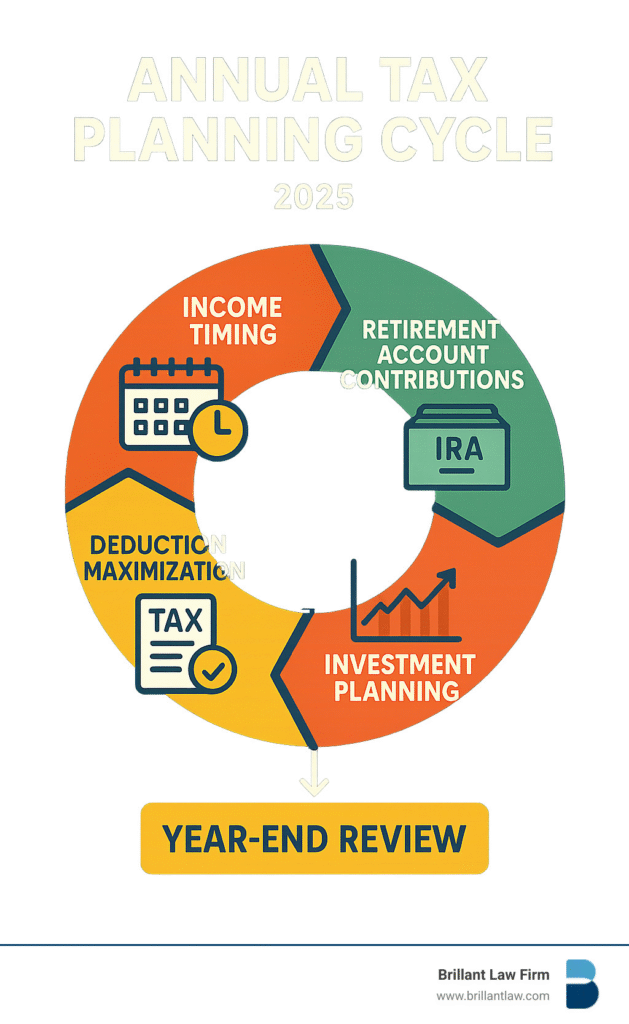
Retirement withdrawal planning is not a one-time decision. It evolves as tax laws, account balances, and personal circumstances change.
The most effective strategies usually combine several elements:
- thoughtful sequencing of withdrawals
- proactive tax bracket management
- coordinated Social Security timing
- careful use of Roth accounts
Retirees who treat withdrawals with the same attention they gave to saving often find that their income lasts longer and their tax burden becomes more predictable.
Key Insights for Navigating Retirement Taxes
- Withdrawal sequencing affects taxable income each year
- RMDs can create unexpected tax increases later in retirement
- Using multiple account types offers tax flexibility
- Early retirement years may provide valuable tax planning opportunities
- Social Security timing can influence taxation of benefits
- Medicare premium thresholds are linked to income levels
- Roth conversions may help manage future tax exposure
- Coordinated withdrawals can extend the longevity of retirement savings