

Summary
Modern homebuyers are no longer choosing apartment communities based only on price and location. Today’s buyers prioritize lifestyle, flexibility, safety, technology integration, and long-term value. From smart-home systems to walkable neighborhoods and remote-work spaces, successful apartment communities are designed around how people actually live today. Understanding these priorities helps developers, investors, and property managers attract the modern American buyer.
The Modern Apartment Buyer Has Changed
The expectations of today’s apartment buyers are dramatically different from those of even a decade ago. Shifts in work culture, rising home prices, urban redevelopment, and lifestyle preferences have reshaped how Americans evaluate multifamily communities.
According to data from the National Association of Realtors and the National Multifamily Housing Council, younger buyers and long-term renters increasingly prioritize convenience, flexibility, and lifestyle amenities over sheer square footage.
In fact, a growing number of Americans now view apartment living not as a temporary step but as a long-term housing choice. This means communities must function not only as housing—but as places where residents work, socialize, exercise, and recharge.
Developers who understand these evolving expectations are designing apartment communities that operate more like complete living ecosystems.
1. Location Still Matters—But Lifestyle Access Matters More
Location has always been a primary factor in real estate, but the definition of a “good location” has evolved.
Today’s buyers often prioritize access to daily conveniences and lifestyle amenities over proximity to a central business district alone.
Walkability, transit access, and nearby services play a major role in purchase decisions.
Many buyers now actively look for neighborhoods that offer:
- Walkable restaurants and coffee shops
- Grocery stores within a short drive or walk
- Parks, trails, or outdoor recreation spaces
- Access to public transportation
- Short commutes to employment hubs
Walkable neighborhoods reduce daily friction and improve quality of life. Communities located near mixed-use developments—where retail, dining, and residential spaces coexist—often perform particularly well.
Buyers increasingly ask a practical question: “What can I do within 10 minutes of my home?”
2. Flexible Spaces for Remote and Hybrid Work
The rapid expansion of remote and hybrid work has fundamentally reshaped apartment design.
Prior to 2020, home offices were often considered optional. Today, they are frequently non-negotiable.
Many buyers want apartments that can comfortably support work-from-home routines several days per week.
This includes both in-unit features and community amenities.
Examples of sought-after remote work features include:
- Dedicated office nooks or flex rooms
- Built-in desks or workspaces
- High-speed fiber internet availability
- Sound-insulated walls or layouts
- Community coworking lounges
- Private meeting pods
- Reservable conference rooms
Apartment communities that incorporate coworking areas are particularly attractive to freelancers, entrepreneurs, and remote employees who want professional work environments without leaving their building.
In many new developments, coworking lounges function almost like a mini office hub for residents.
3. Smart Home Technology Is Becoming Standard
Technology integration is no longer a luxury feature. Increasingly, it is an expectation.
Buyers today expect apartment communities to support connected living through integrated smart systems.
Common smart-home features include:
- Smart thermostats
- Keyless entry systems
- App-based package lockers
- Smart lighting controls
- Video doorbells
- Leak detection sensors
Property managers benefit from these features as well. Smart systems can improve energy efficiency, reduce maintenance issues, and enhance building security.
According to the Consumer Technology Association, over 40% of U.S. households already use some form of smart home technology, and that number continues to rise.
Communities that fail to provide these capabilities may feel outdated to tech-savvy buyers.
4. Amenity Spaces That Actually Get Used
Luxury amenities have existed in apartment communities for years, but buyers today are more focused on functionality rather than flashy marketing features.
Residents want spaces that genuinely improve daily life—not amenities that sit empty.
High-value amenities often include:
- Modern fitness centers with real equipment
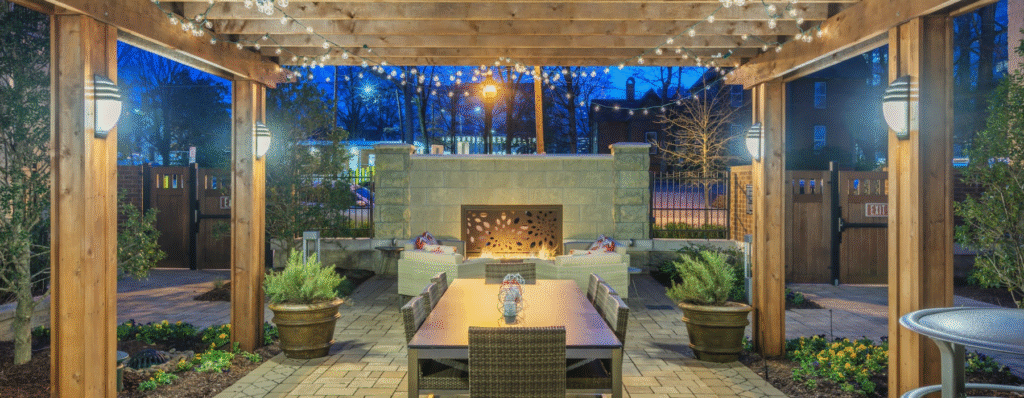
- Outdoor gathering areas
- Dog parks and pet washing stations
- Package management systems
- Secure bike storage
- Resident lounges
- Outdoor grilling and dining areas
Pet-friendly amenities are particularly influential. Over two-thirds of U.S. households own pets, according to the American Pet Products Association.
As a result, pet policies and amenities frequently play a decisive role in community selection.
The key shift is toward usable, everyday amenities rather than status-driven features.
5. Health, Wellness, and Outdoor Living
Health-focused design has become a significant priority in apartment communities.
Buyers increasingly evaluate how a property supports physical and mental well-being.
Outdoor access and wellness-oriented spaces are especially appealing in dense urban environments.
Common wellness-focused features include:
- Walking paths and landscaped courtyards
- Rooftop terraces
- Natural light in units
- Yoga studios or meditation rooms
- Air filtration systems
- Green building materials
Post-pandemic awareness of indoor air quality and personal health has elevated the importance of these features.
Communities that combine indoor comfort with outdoor accessibility tend to attract a wider range of buyers.
6. Safety and Security Are Core Expectations
Security remains one of the most important factors influencing housing decisions.
Modern buyers expect apartment communities to provide layered safety features without feeling intrusive.
Common security elements include:
- Controlled building access
- Secure parking garages
- Security cameras in shared spaces
- Well-lit pathways and entrances
- Package protection systems
- On-site management or concierge staff
The presence of these systems provides peace of mind, particularly in urban areas.
Importantly, security must be integrated thoughtfully so that it enhances comfort without creating a fortress-like environment.
7. Energy Efficiency and Sustainable Design
Sustainability has moved from a niche concern to a mainstream expectation among younger buyers.
Many apartment buyers actively look for environmentally responsible communities that reduce long-term utility costs.
Features that support sustainability include:
- Energy-efficient appliances
- LED lighting
- Water-saving fixtures
- Solar panels
- EV charging stations
- Recycling and compost programs
- Energy-efficient building insulation
In addition to environmental benefits, these features often translate into lower monthly expenses, which appeals strongly to budget-conscious buyers.
Green certifications and environmentally responsible building materials also improve the perceived long-term value of a community.
8. Community Design That Encourages Social Interaction
Apartment living can sometimes feel isolating, but thoughtfully designed communities can foster meaningful social connections.
Many developers now prioritize community-building design elements.
Examples include:
- Shared outdoor courtyards
- Community gardens
- Resident events
- Social lounges
- Shared kitchens
- Fire pits and gathering spaces
These features encourage casual interactions among neighbors, which can increase resident satisfaction and retention.
For younger professionals and people relocating to new cities, these community-focused spaces can be particularly valuable.
9. Parking and Transportation Flexibility
Transportation needs vary widely depending on location, but buyers still evaluate parking availability carefully.
In suburban areas, secure and convenient parking remains essential.
Urban communities may offer alternative transportation support instead.
Common transportation features include:
- Secure garage parking
- EV charging stations
- Bike storage rooms
- Bike repair stations
- Proximity to transit lines
- Rideshare pickup areas
Communities that support multiple transportation options often appeal to a broader range of residents.
10. Transparent Pricing and Value for Money
Finally, modern buyers expect clear pricing structures and predictable costs.
Hidden fees or confusing lease terms can quickly undermine trust.
Buyers appreciate communities that provide transparency around:
- Monthly HOA or maintenance fees
- Parking costs
- Utility policies
- Pet fees
- Amenity access charges
In competitive markets, transparency can be a significant differentiator.
Buyers increasingly evaluate apartment communities not just on purchase price, but on total monthly living costs.
Frequently Asked Questions
What amenities are most important to apartment buyers today?
Modern buyers prioritize practical amenities such as fitness centers, coworking spaces, pet facilities, secure package systems, and outdoor gathering areas that improve everyday living.
Are smart home features important in apartments?
Yes. Features like smart thermostats, keyless entry, and app-based building access are increasingly expected in new apartment communities.
Why are coworking spaces popular in apartment communities?
Remote and hybrid work have increased demand for quiet, professional workspaces close to home. Coworking lounges provide a convenient solution.
Do apartment buyers care about sustainability?
Many buyers—especially younger demographics—prefer energy-efficient buildings with eco-friendly features that reduce utility costs and environmental impact.
How important is walkability when choosing an apartment?
Walkability is a major factor. Buyers value access to restaurants, parks, and everyday services within a short walking distance.
Are pet amenities really that influential?
Yes. Pet policies and amenities such as dog parks and grooming stations strongly influence housing decisions for many residents.
What security features do buyers expect in apartment communities?
Controlled building access, security cameras, well-lit areas, and secure parking are common expectations.
How has remote work changed apartment design?
Many communities now include coworking lounges, office pods, and apartments with dedicated workspaces.
Do buyers prefer large apartments or better amenities?
Many modern buyers prefer slightly smaller units paired with high-quality community amenities.
What makes an apartment community feel modern?
Technology integration, flexible spaces, wellness amenities, sustainable design, and strong community features all contribute to a modern living experience.
How Successful Apartment Communities Align with Modern Lifestyles
The most successful apartment developments today are not simply collections of residential units. They are carefully designed environments that support the way people live, work, and socialize.
Communities that prioritize flexibility, wellness, technology, and real-world convenience are far more likely to meet the expectations of today’s buyers.
As housing preferences continue to evolve, developers who focus on lifestyle integration rather than just physical space will remain best positioned to attract modern residents.
Key Insights at a Glance
- Walkable locations with nearby services are increasingly valuable
- Remote work has made coworking spaces and home offices essential
- Smart home technology is quickly becoming standard
- Practical amenities outperform flashy luxury features
- Wellness and outdoor access strongly influence buying decisions
- Security and package management systems improve resident satisfaction
- Sustainability features appeal to both environmental and financial priorities
- Social spaces help residents build community connections