

Summary
American homebuyers are rethinking what truly matters. Affordability, flexibility, and long-term resilience have overtaken size and status as top priorities. This shift reflects economic pressure, lifestyle changes, and demographic realities. Understanding these evolving preferences helps buyers, sellers, and industry professionals make smarter, more future-ready housing decisions.
A Noticeable Shift in Buyer Priorities
For decades, the American homebuying narrative followed a familiar pattern: bigger homes, desirable ZIP codes, and visible upgrades were seen as markers of success. While those factors still matter, today’s buyers are evaluating homes through a more practical, risk-aware lens.
Several forces have converged to drive this shift. Mortgage rates remain elevated compared to the ultra-low levels of the early 2020s. Housing prices in many metro areas have outpaced wage growth. At the same time, remote and hybrid work have permanently altered how Americans use their homes. The result is a buyer mindset that prioritizes sustainability—financial, functional, and lifestyle-oriented—over aspiration alone.
Buyers are no longer asking only, “Do I love this house?” They are asking, “Can this house support how I live now—and how I may need to live five or ten years from now?”
Affordability Has Become a Strategic Decision, Not a Compromise
Affordability is no longer just about the purchase price. Today’s buyers are thinking holistically about monthly obligations, long-term costs, and financial flexibility.
Rising interest rates have reshaped budgets. A home that felt affordable in 2021 may now require hundreds or even thousands more per month. As a result, buyers are scrutinizing:
- Total monthly payment, including taxes and insurance
- Utility efficiency and expected maintenance costs
- HOA fees and special assessments
- Long-term resale potential in a slower market
Many buyers are choosing smaller homes or less central locations not because they want to “settle,” but because they want to preserve financial resilience. This mindset is particularly common among millennial buyers balancing homeownership with childcare, student loans, and retirement planning.
In practical terms, this means fewer bidding wars over oversized homes and more interest in properties that deliver predictable, manageable costs.

Location Still Matters—But Flexibility Matters More
The classic advice to “buy in the best neighborhood you can afford” has evolved. Location remains important, but buyers are defining “best” differently.
Remote and hybrid work arrangements have reduced the need to live close to a daily commute. Instead, buyers are prioritizing access to:
- Reliable broadband and mobile connectivity
- Healthcare facilities and essential services
- Green spaces, trails, and community amenities
- Transportation flexibility rather than proximity to a single job center
This shift has fueled demand in secondary cities, suburbs, and smaller metros that offer livability without the price premiums of major urban cores. Buyers are willing to trade a longer occasional commute for a home that better supports daily life.
The result is a more distributed housing demand pattern, where value and quality of life outweigh prestige addresses.
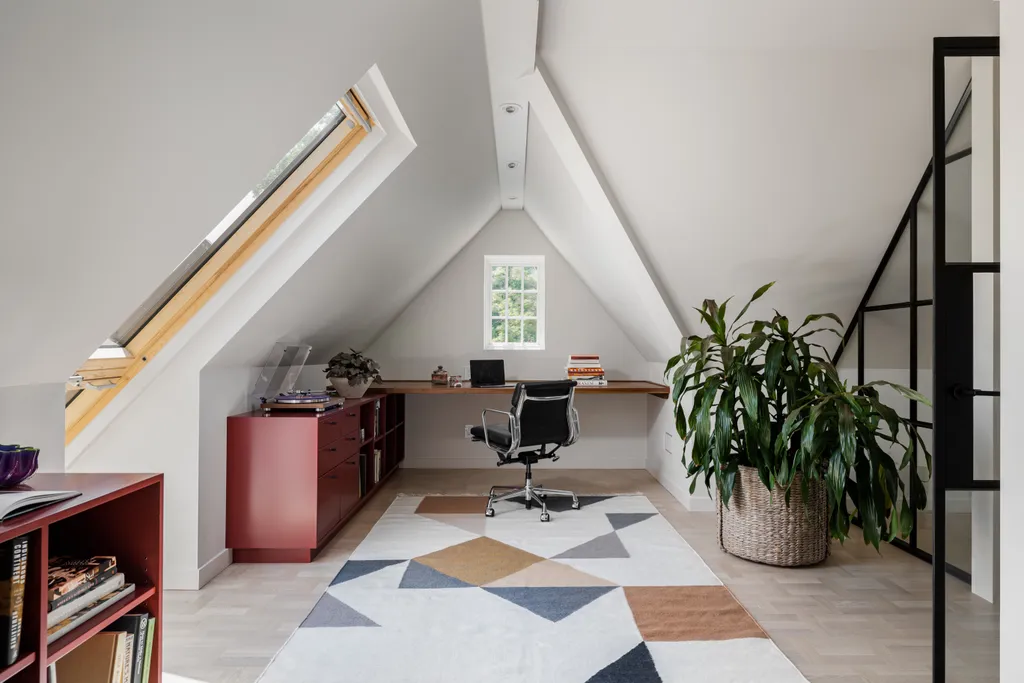
Homes Are Being Evaluated as Workspaces
The pandemic-era scramble for home offices has settled into a more mature expectation: homes must support productive work without sacrificing livability.
Rather than seeking dedicated office rooms at all costs, buyers are looking for adaptable layouts. A dining nook that can function as a workspace, a finished basement with sound separation, or a guest room that doubles as an office can all meet this need.
Buyers are also paying closer attention to:
- Natural light and noise levels
- Electrical capacity and outlet placement
- Internet reliability throughout the home
These considerations reflect a broader shift toward functionality. Homes that can accommodate work, learning, and downtime without feeling cramped are commanding stronger interest than those optimized purely for entertaining.
Quality and Efficiency Are Outweighing Square Footage
The era of “bigger is always better” is fading. Buyers are increasingly skeptical of paying for space they won’t regularly use.
Instead, they are prioritizing:
- Efficient floor plans with minimal wasted space
- Durable materials that reduce maintenance
- Energy-efficient systems that lower monthly costs
- Storage solutions that support daily organization
This trend aligns with data from builders and remodeling professionals showing increased demand for energy-efficient windows, upgraded insulation, and modern HVAC systems. These features may not photograph as dramatically as a luxury kitchen, but buyers understand their long-term value.
In many cases, a well-designed 1,800-square-foot home is outperforming a poorly planned 2,500-square-foot one.
Neighborhood Stability and Services Are Under the Microscope
Today’s buyers are researching beyond the listing. They want to understand how a neighborhood functions over time, not just how it looks during a showing.
Common questions include:
- How stable are property taxes in this area?
- Are local schools improving, declining, or stable?
- What infrastructure investments are planned?
- How responsive is local governance to growth?
This deeper level of research reflects caution. Buyers want assurance that their investment will remain viable even if market conditions soften. As a result, areas with predictable governance and steady development are attracting more attention than those experiencing rapid but uneven growth.
Lifestyle Compatibility Is a Core Decision Factor
Perhaps the most significant change is that buyers are prioritizing alignment with their daily lives over aspirational features.
For example, a buyer with young children may value walkability to parks and schools more than a formal dining room. A mid-career professional may prefer a home that allows for aging-in-place rather than one that requires major renovations later.
Buyers are increasingly asking:
- Can this home adapt as my needs change?
- Does this neighborhood support my routines and values?
- Will this home still work if my income fluctuates?
These questions point to a more mature, experience-driven approach to homeownership.
What This Means for Sellers and Industry Professionals
For sellers, understanding these priorities is critical. Homes that are priced realistically, presented transparently, and marketed with an emphasis on livability are outperforming those relying on aspirational messaging alone.
For agents, builders, and lenders, today’s buyers expect education, not pressure. They value clear explanations, realistic projections, and guidance that helps them feel confident—not rushed.
This shift rewards professionals who understand long-term value and can articulate how a home fits into a buyer’s broader life plan.

Frequently Asked Questions
Why are buyers prioritizing affordability more than before?
Higher interest rates and economic uncertainty have made long-term monthly costs more important than headline prices.
Are smaller homes becoming more popular?
Yes. Buyers are favoring efficient layouts and lower operating costs over unused space.
Is remote work still influencing homebuying decisions?
Absolutely. Even partial remote work has reshaped location and layout preferences.
Do luxury features still matter?
They matter when they add functionality or efficiency, not just visual appeal.
Are urban markets losing demand?
Not entirely, but growth has slowed as buyers explore more flexible alternatives.
How important is energy efficiency to buyers?
Increasingly important, especially as utility costs rise and buyers plan long-term ownership.
Are first-time buyers thinking differently than previous generations?
Yes. Many are more cautious and data-driven due to affordability pressures.
What role does neighborhood stability play?
A major one. Buyers want predictability in taxes, services, and infrastructure.
Is now a bad time to buy a home?
It depends on individual circumstances, but buyers are focusing more on fit than timing.
How Buyer Priorities Are Likely to Keep Evolving
The current shift is not a temporary reaction—it reflects deeper changes in how Americans view homeownership. As work patterns, demographics, and economic conditions continue to evolve, buyers will likely place even greater emphasis on adaptability, cost control, and long-term usefulness.
Homes that support real life—not idealized versions of it—will remain the most resilient in a changing market.
Key Shifts Worth Remembering
- Buyers are prioritizing long-term affordability over maximum purchasing power
- Flexible layouts now outperform oversized floor plans
- Location decisions are driven by lifestyle compatibility, not just commute times
- Energy efficiency and quality construction matter more than cosmetic upgrades
- Neighborhood stability is a central part of perceived value