

Summary
Mixed-use neighborhoods—communities that blend housing, retail, offices, and public spaces—are rapidly becoming a preferred development strategy across the United States. Developers are investing heavily in these projects because they generate diversified revenue, respond to changing lifestyle preferences, and support sustainable urban growth. As cities evolve, mixed-use environments are proving both economically resilient and socially attractive.
The Rise of Mixed-Use Neighborhood Development
Across the United States, real estate developers are rethinking how communities are built. Instead of isolating residential areas from workplaces and shopping centers, many new developments combine these elements into walkable, integrated environments known as mixed-use neighborhoods.
This approach isn’t new—historic American downtowns naturally blended homes, shops, and workplaces. However, suburban expansion during the late 20th century separated these uses into distinct zones. Today, developers are reversing that pattern.
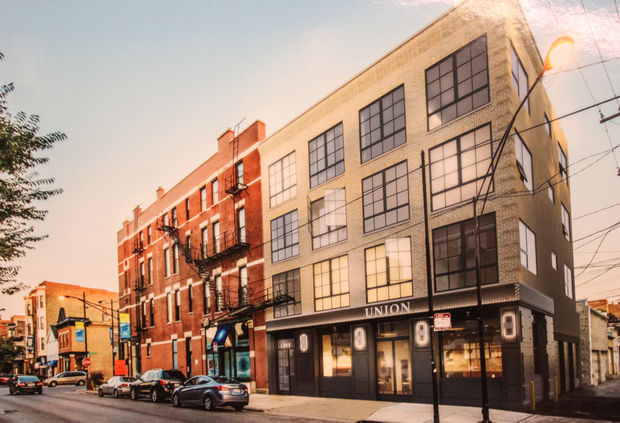
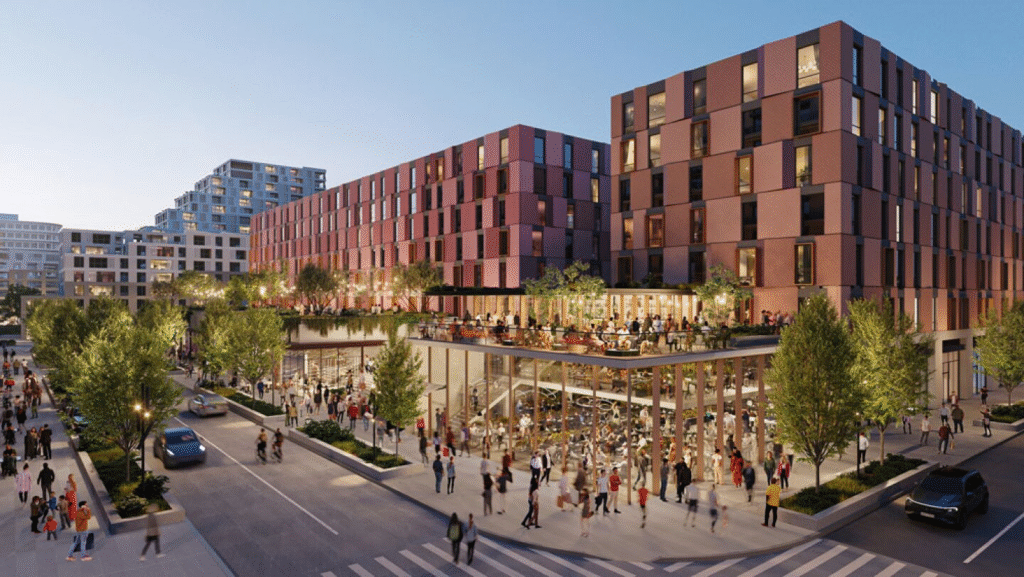
Mixed-use developments now appear in urban cores, suburban town centers, and even former industrial districts. Projects often include apartments or condos above street-level retail, office buildings next to restaurants and parks, and public plazas designed for community interaction.
Several factors are driving this shift:
- Changing consumer lifestyles
- Economic diversification for developers
- Local government incentives
- Transportation and sustainability priorities
For developers seeking long-term stability and strong demand, mixed-use neighborhoods increasingly represent a smart investment.
Why Demand for Mixed-Use Communities Is Growing
Consumer behavior has changed dramatically in the past decade. Many Americans—especially younger professionals and empty nesters—are prioritizing convenience, walkability, and access to amenities.
Instead of commuting long distances for daily needs, residents increasingly prefer neighborhoods where they can live, work, dine, and socialize within a short walk.
Several social trends explain this growing demand.
1. Walkability and Lifestyle Convenience
Walkable communities consistently rank among the most desirable features in housing searches. According to research from Walk Score and urban planning studies, homes located in walkable neighborhoods often command higher values and rent premiums.
Residents benefit from:
- Shorter commutes
- Reduced reliance on cars
- Access to restaurants and retail
- Stronger community interaction
Developers recognize that these lifestyle advantages translate directly into higher occupancy and faster lease-ups.
2. The Remote Work Shift
Remote and hybrid work models have reshaped how people use their neighborhoods. With fewer daily commutes to corporate offices, residents increasingly want nearby places to work, meet friends, and run errands.
Mixed-use communities support this shift by providing:
- Flexible coworking spaces
- Local cafés and meeting areas
- Fitness centers and outdoor spaces
- Neighborhood retail
Instead of commuting into a distant business district, many professionals now prefer live-work neighborhoods that integrate professional and personal life.
3. Changing Demographics
Millennials and Gen Z are entering their prime renting and home-buying years, and their preferences differ from previous generations.
Surveys from the National Association of Realtors and the Urban Land Institute consistently show that younger buyers prioritize:
- Walkability
- Entertainment access
- Transit options
- Compact housing with nearby amenities
At the same time, many older adults are downsizing from large suburban homes and seeking vibrant communities where daily necessities are nearby.
Mixed-use neighborhoods appeal strongly to both groups.
The Financial Case for Developers
While lifestyle trends drive demand, the primary reason developers invest in mixed-use neighborhoods is financial.
These projects often generate multiple revenue streams within a single development.
Instead of relying solely on residential rent or office leases, developers can combine:
- Residential units
- Retail storefronts
- Office space
- Hospitality or entertainment venues
- Parking revenue
- Event and public space leasing
This diversification reduces financial risk.
For example, if retail demand temporarily slows, residential units may still maintain high occupancy. Conversely, vibrant retail and dining options can increase residential property values.
Higher Land Value Efficiency
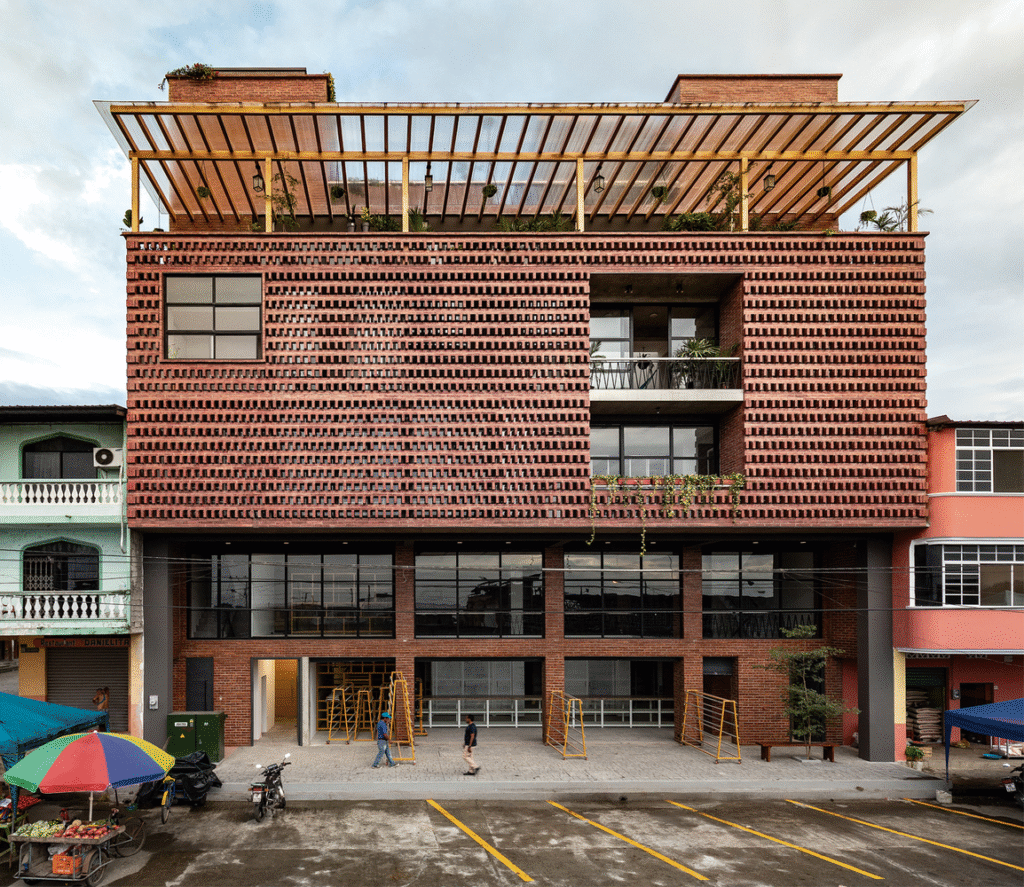
Mixed-use projects allow developers to maximize the value of expensive urban land. By building vertically and combining functions, they can generate significantly more income per square foot than single-use developments.
In high-cost markets such as New York, Boston, Austin, and Seattle, this efficiency is especially attractive.
Stronger Long-Term Asset Performance
Institutional investors increasingly favor mixed-use developments because they tend to perform well over long periods.
According to the Urban Land Institute, well-designed mixed-use districts often demonstrate:
- Higher property value stability
- Greater tenant demand
- Increased foot traffic
- More resilient local economies
For developers focused on long-term asset appreciation, mixed-use projects can be particularly appealing.
Real-World Examples of Successful Mixed-Use Developments
Many American cities now feature thriving mixed-use districts that illustrate the concept in practice.
Hudson Yards – New York City
Hudson Yards transformed a former rail yard on Manhattan’s West Side into a massive mixed-use complex featuring residential towers, corporate offices, retail spaces, and public attractions.
The project includes:
- Luxury residential buildings
- Corporate headquarters
- Shopping centers
- Public plazas
- cultural spaces
Developers leveraged high-density construction to create a new neighborhood within one of the world’s most expensive cities.
The Domain – Austin, Texas
Austin’s Domain district is often described as a “second downtown.” The development combines apartments, corporate offices, restaurants, entertainment venues, and high-end retail.
Residents can walk from their apartments to restaurants, grocery stores, and office buildings without leaving the district.
This integration has helped Austin accommodate rapid population growth while maintaining vibrant community spaces.
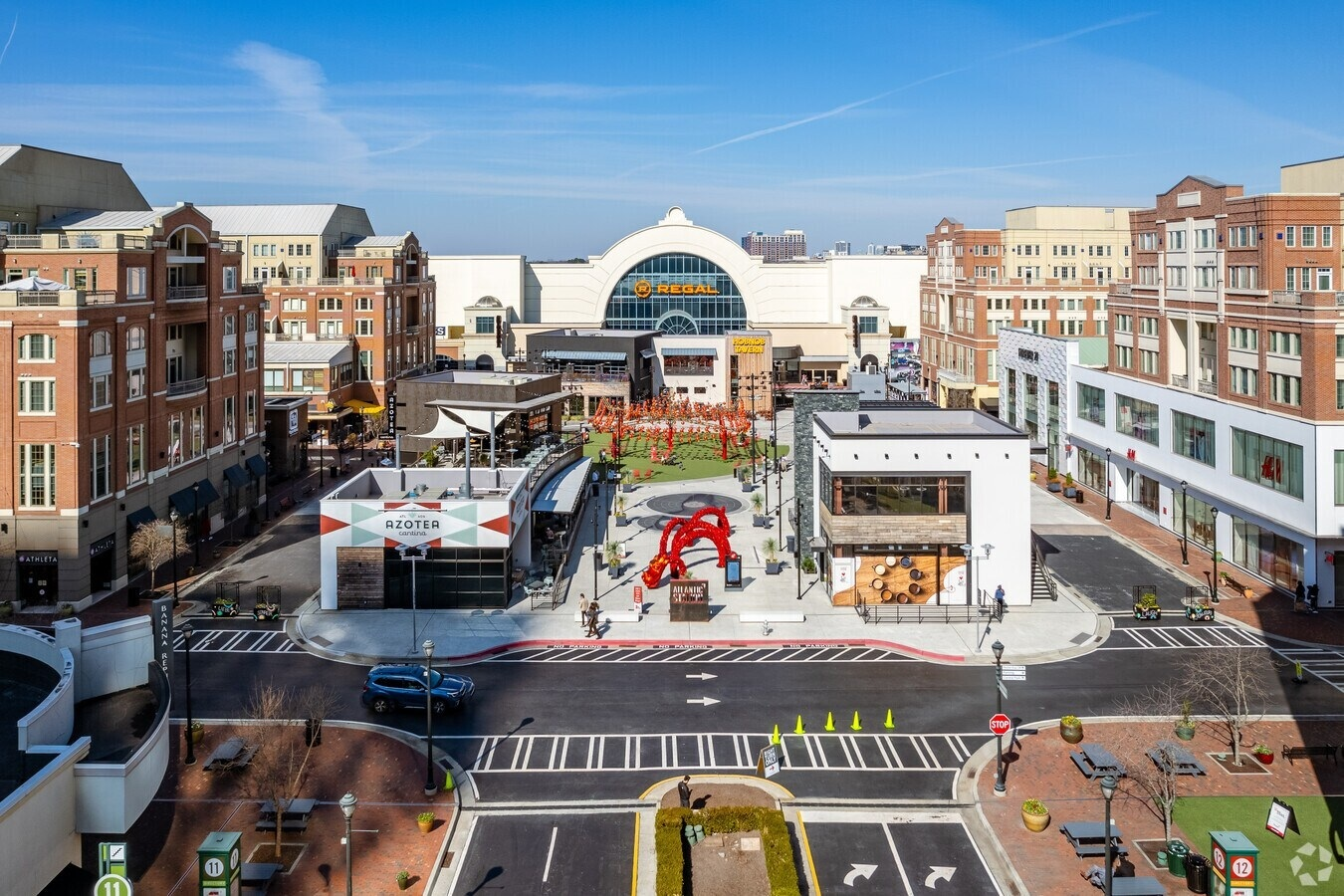
Atlantic Station – Atlanta
Atlantic Station redeveloped a former industrial brownfield into a thriving neighborhood with housing, offices, retail, and parks.
The project demonstrates how mixed-use development can transform underutilized land into a productive urban environment.
Urban Planning and Sustainability Benefits
Beyond financial incentives, mixed-use neighborhoods align closely with modern urban planning goals.
City governments often support these projects because they contribute to sustainable growth and efficient infrastructure use.
Reduced Transportation Emissions
When residents can walk or bike to daily destinations, communities reduce reliance on automobiles.
This leads to:
- Lower greenhouse gas emissions
- Reduced traffic congestion
- Improved air quality
Many mixed-use developments also integrate public transit connections, further decreasing car dependency.
Efficient Land Use
Mixed-use projects allow cities to accommodate population growth without excessive suburban expansion.
By building vertically and integrating functions, developers help cities:
- Preserve surrounding open space
- Reduce infrastructure costs
- Support public transportation systems
This efficiency is particularly important in rapidly growing metropolitan regions.
Stronger Community Interaction
Urban planners frequently emphasize the social benefits of mixed-use neighborhoods.
Public plazas, parks, and pedestrian streets encourage residents to interact more frequently, strengthening community identity.
Retail businesses also benefit from consistent foot traffic generated by nearby residents.
Key Challenges Developers Must Navigate
Despite their advantages, mixed-use developments present unique challenges.
These projects are significantly more complex than single-purpose buildings.
Zoning and Regulatory Hurdles
Many American cities historically separated land uses through zoning regulations. Developers often need special approvals, variances, or rezoning to build mixed-use projects.
This process can take years and requires collaboration with local governments and community groups.
Construction Complexity
Mixed-use buildings must accommodate different structural and operational requirements.
For example:
- Residential units require privacy and sound insulation
- Retail spaces require open layouts and high ceilings
- Offices need flexible floor plates and advanced infrastructure
Designing a building that meets all these needs simultaneously requires experienced architects and engineers.
Financing Challenges
Because mixed-use developments combine multiple property types, financing structures can be complicated.
Lenders often evaluate residential, retail, and office components separately, requiring careful financial planning.
However, once completed, these projects often attract strong investor interest due to their diversified income streams.
How Technology Is Supporting Mixed-Use Development
New technology is helping developers manage the complexity of mixed-use neighborhoods.
Smart building systems now allow property managers to coordinate energy use, security, and maintenance across large developments.
Digital infrastructure also supports modern lifestyles within these communities.
Examples include:
- Integrated building access systems
- Smart parking management
- Shared mobility hubs
- High-speed connectivity for remote workers
These tools help ensure mixed-use environments operate smoothly and efficiently.
The Future of Mixed-Use Neighborhoods in the United States
Industry analysts expect mixed-use development to remain a major trend for decades.
Several long-term factors will likely continue driving investment:
- Continued urban population growth
- Evolving work patterns
- Increasing land costs in major cities
- Environmental sustainability goals
Suburban areas are also beginning to adopt mixed-use models, often by redeveloping aging shopping malls or underutilized commercial corridors.
These projects create walkable town centers that replicate the vibrancy of traditional downtown districts.
For developers seeking to build communities that remain desirable for generations, mixed-use neighborhoods offer a compelling blueprint.
Frequently Asked Questions
What is a mixed-use neighborhood?
A mixed-use neighborhood combines multiple property types—such as residential housing, retail stores, offices, and public spaces—within a single integrated community.
Why are developers building more mixed-use projects?
Developers pursue mixed-use developments because they diversify revenue, attract strong demand, and maximize the value of urban land.
Are mixed-use communities more expensive to live in?
They can sometimes command higher rents or home prices due to convenience and amenities, but residents often offset costs through reduced transportation expenses.
Do mixed-use neighborhoods increase property values?
Many studies suggest that proximity to walkable amenities and vibrant retail districts can increase residential property values.
Are mixed-use developments environmentally friendly?
Yes. By reducing reliance on cars and using land more efficiently, these developments often support sustainability goals.
Where are mixed-use neighborhoods most common?
They are common in major metropolitan areas such as New York, Boston, Seattle, Denver, and Austin, but are increasingly appearing in suburban areas as well.
Do mixed-use developments work in suburban areas?
Yes. Many suburbs are redeveloping malls and commercial corridors into mixed-use town centers.
How long does it take to build a mixed-use development?
Large projects can take 5–10 years from planning to completion due to zoning approvals, financing, and complex construction.
Are mixed-use neighborhoods good for small businesses?
They often provide steady foot traffic from nearby residents, making them attractive locations for restaurants, cafés, and boutique retailers.
What industries benefit most from mixed-use districts?
Retail, hospitality, coworking providers, fitness studios, and service businesses tend to thrive in these environments.
How Mixed-Use Development Is Reshaping American Communities
Mixed-use neighborhoods represent more than a real estate trend—they reflect a broader shift in how Americans want to live.
As cities grow and lifestyles evolve, communities that blend housing, workspaces, retail, and public areas are becoming increasingly desirable. For developers, these projects offer diversified income and long-term stability. For residents, they offer convenience, connectivity, and vibrant daily life.
The continued rise of mixed-use development suggests that the future of urban and suburban planning will prioritize integration rather than separation.
Key Insights at a Glance
- Mixed-use neighborhoods combine housing, retail, offices, and public spaces.
- Developers benefit from diversified revenue streams and higher land efficiency.
- Walkability and lifestyle convenience drive strong consumer demand.
- Remote work trends are increasing interest in live-work communities.
- Cities support mixed-use projects for sustainability and infrastructure efficiency.
- Successful examples include Hudson Yards, The Domain, and Atlantic Station.
- These developments help reduce transportation emissions and encourage community interaction.