

Summary
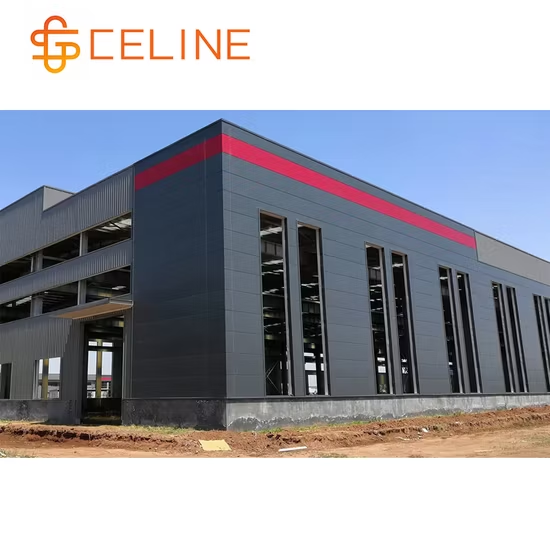
Industrial sheds are becoming a practical solution for small manufacturers seeking affordable, flexible production space. Compared with traditional factory buildings, these structures offer faster construction, lower operating costs, and adaptable layouts. As domestic manufacturing grows and supply chains localize, industrial sheds provide scalable facilities that help small businesses manage production, storage, and logistics efficiently.
The Quiet Shift in Small-Scale Manufacturing Spaces
Across the United States, small manufacturers are facing a common challenge: finding industrial space that fits their scale. Traditional factories often come with high acquisition costs, complex zoning restrictions, and infrastructure requirements that may exceed the needs of emerging manufacturers.
Industrial sheds—once associated primarily with agricultural storage—are increasingly being adapted into functional manufacturing spaces. These structures provide a cost-effective and flexible alternative to conventional industrial buildings.
The rise of domestic manufacturing initiatives, supply chain diversification, and regional production hubs has made efficient workspace a priority. According to the U.S. Small Business Administration, small businesses account for over 98% of manufacturing firms in the United States, yet many operate with limited facility budgets. Industrial sheds offer a practical path forward.
Instead of investing millions into purpose-built factories, small manufacturers are turning to modern industrial sheds that can support fabrication, assembly, packaging, and storage operations.
What Exactly Is an Industrial Shed?
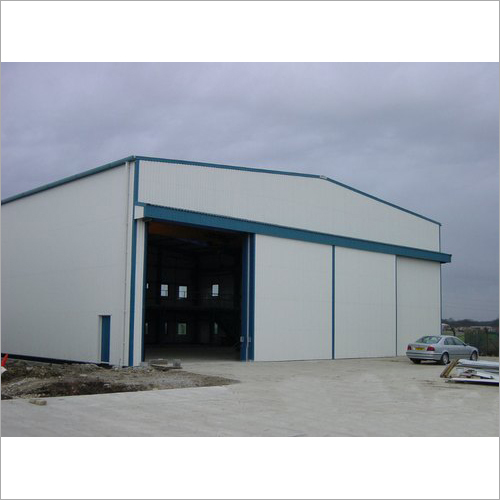
In today’s industrial real estate market, an industrial shed refers to a single-story, open-span structure designed for manufacturing, storage, or logistics activities.
Unlike traditional factories, these buildings typically feature:
- Steel or metal structural frames
- Large column-free interiors
- High ceilings for machinery and storage
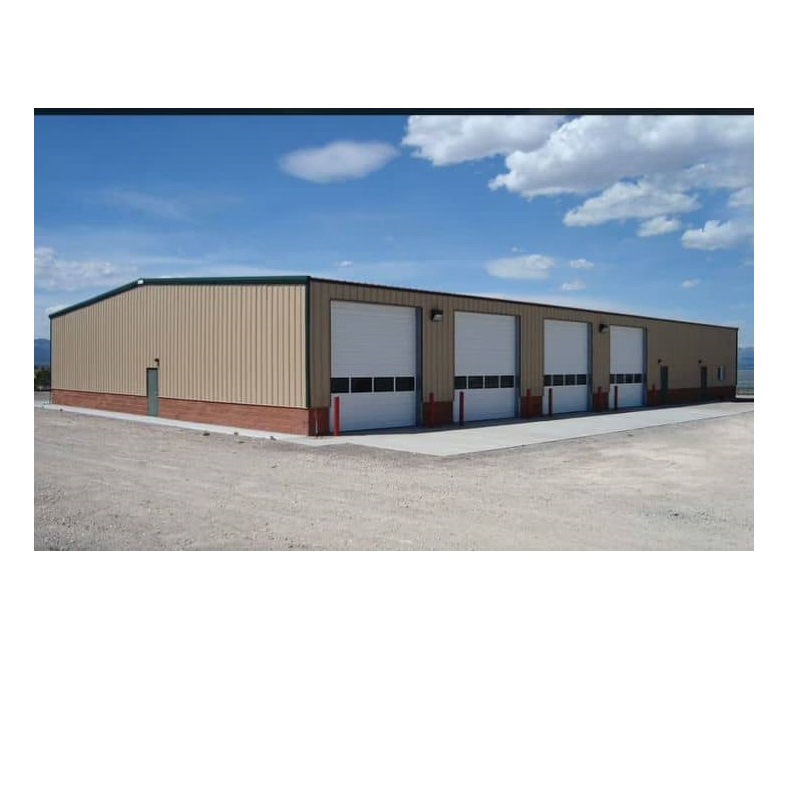
- Roll-up doors for loading access
- Simple but scalable utility systems
Many sheds are prefabricated steel structures, which allows them to be assembled quickly and expanded later if needed.
For small manufacturers producing equipment components, metal parts, furniture, packaging materials, or consumer goods, this simplicity is often ideal.
Rather than paying for architectural complexity, businesses can prioritize operational functionality.
Why Industrial Sheds Are Gaining Attention
The growth of industrial sheds is not happening by accident. Several economic and operational factors are pushing manufacturers toward these spaces.
1. Lower Construction and Entry Costs
Building a traditional manufacturing facility can require significant investment. Between land preparation, structural engineering, utilities, and permits, costs can quickly escalate.
Industrial sheds offer a more economical option.
In many regions, a steel industrial shed can cost 30–50% less per square foot than a conventional factory building, depending on customization and infrastructure requirements.
For a small manufacturer launching operations, this difference can determine whether a facility is financially viable.
Lower construction costs also reduce financing risk, which is important for startups and family-owned manufacturers.
2. Faster Construction Timelines
Speed matters in manufacturing. Companies often need to expand production quickly when demand increases.
Industrial sheds are frequently prefabricated, meaning structural components are produced off-site and assembled on location.
This method can reduce construction timelines from 12–18 months to as little as 3–6 months in some cases.
Faster completion allows manufacturers to:
- Launch production sooner
- Reduce project financing costs
- Respond quickly to market demand
- Avoid long lease commitments while waiting for construction
For small businesses competing in fast-moving markets, this flexibility is critical.
3. Flexible Interior Layouts
Manufacturing needs rarely stay static. Equipment upgrades, workflow changes, and production expansion all require adaptable spaces.
Industrial sheds are designed with large open interiors, allowing manufacturers to configure layouts according to operational needs.
Examples of flexible uses include:
- Fabrication lines
- Assembly stations
- Packaging zones
- Raw material storage
- Finished goods staging
- Equipment maintenance areas
If production processes change, the interior can often be reconfigured without structural renovation.
This adaptability helps businesses evolve without relocating.
Supporting the Rise of Regional Manufacturing
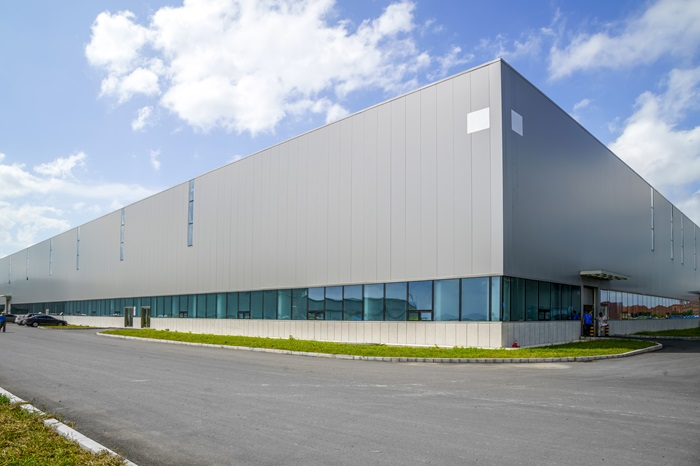
Another factor driving demand for industrial sheds is the shift toward regional and localized manufacturing.
Over the past decade, companies have reconsidered global supply chains due to shipping delays, geopolitical risks, and rising transportation costs.
According to the National Association of Manufacturers, U.S. manufacturing contributed $2.9 trillion to the economy in 2023, and many firms are expanding domestic operations.
Smaller manufacturers are particularly active in regional markets where they can serve local industries.
Industrial sheds allow these businesses to establish production facilities closer to customers without committing to large-scale factories.
Examples include:
- Custom metal fabrication shops
- Furniture and woodworking workshops
- Specialty food production facilities
- Equipment component manufacturers
- Automotive parts suppliers
By using industrial sheds, these companies can operate efficiently within regional supply networks.
Industrial Sheds and Logistics Efficiency
Modern manufacturing is closely connected with logistics. Production facilities must manage raw materials, incoming shipments, and outgoing goods efficiently.
Industrial sheds are well-suited for logistics integration because they typically include:
- Large loading bays
- Truck access areas
- High-clearance doors
- Simple warehouse integration
Small manufacturers often combine production and warehousing within the same structure.
For example, a small packaging manufacturer might use one half of a shed for machinery and the other half for pallet storage and shipping preparation.
This integrated layout reduces transportation costs between facilities and improves operational coordination.
Energy Efficiency and Operating Costs
Operating expenses play a major role in facility decisions.
Industrial sheds are increasingly designed with energy efficiency in mind. Many modern structures incorporate:
- Insulated metal panels
- Natural ventilation systems
- LED lighting installations
- Skylights for daylight use
- Roof-mounted solar panels
These features help reduce utility costs over time.
Lower operating costs can significantly impact profitability for smaller manufacturers, especially those with energy-intensive machinery.
Zoning and Land Flexibility
Industrial sheds are often built in light industrial zones or emerging industrial corridors.
Compared with large factory projects, sheds may require fewer regulatory approvals, particularly when they use standardized construction methods.
This flexibility makes it easier for small manufacturers to locate facilities in:
- Suburban industrial parks
- Rural manufacturing districts
- Small-town economic development zones
- Logistics corridors near highways
Many municipalities actively encourage these developments because they create jobs while maintaining manageable infrastructure demands.
Real-World Example: A Regional Fabrication Company
Consider a small metal fabrication company expanding operations in the Midwest.
The business initially operated from a 4,000-square-foot leased workshop but needed additional capacity for new contracts.
Instead of leasing a larger industrial building at higher rates, the company purchased land in a nearby industrial park and constructed a 12,000-square-foot steel industrial shed.
The facility included:
- Two fabrication lines
- Welding stations
- Raw material storage
- Shipping and receiving docks
- Office space integrated into the structure
The shed was completed in under six months and cost significantly less than a conventional factory building.
This approach allowed the company to scale production while maintaining manageable overhead.
Challenges and Considerations
Despite their advantages, industrial sheds are not a universal solution.
Manufacturers must evaluate several factors before choosing this type of facility.
Key considerations include:
- Local zoning regulations
- Utility infrastructure availability
- Climate insulation requirements
- Machinery weight and floor load capacity
- Fire safety and ventilation standards
Some industries—such as heavy manufacturing or chemical processing—may require specialized buildings that go beyond standard shed designs.
However, for many small manufacturers, sheds provide the right balance between functionality and affordability.
The Future Role of Industrial Sheds
As manufacturing continues to evolve, industrial sheds are likely to remain an important part of the industrial real estate landscape.
Several trends support this outlook:
- Growth of domestic manufacturing
- Expansion of small and mid-sized producers
- Increased demand for regional supply chains
- Flexible industrial construction technologies
Industrial sheds represent a practical infrastructure solution that allows manufacturing businesses to grow sustainably.
Rather than competing for large industrial facilities, smaller firms can develop customized spaces tailored to their operational needs.
Frequently Asked Questions
What industries typically use industrial sheds?
Industries such as metal fabrication, woodworking, packaging, automotive parts manufacturing, and small-scale equipment production frequently operate from industrial sheds.
Are industrial sheds suitable for manufacturing operations?
Yes. Many sheds are designed with reinforced flooring, high ceilings, and loading access that support light to medium manufacturing processes.
How much does an industrial shed cost to build?
Costs vary by region, size, and materials, but industrial sheds generally cost significantly less per square foot than traditional factory buildings.
How long does construction usually take?
Prefabricated steel sheds can often be constructed within three to six months depending on design complexity and permitting.
Can industrial sheds be expanded later?
Yes. Many structures are modular and can be extended as business operations grow.
Do industrial sheds require special zoning approvals?
Most must comply with local industrial zoning regulations, but they are often easier to permit than large factory developments.
Are industrial sheds energy efficient?
Modern sheds frequently include insulation, skylights, and energy-efficient lighting systems that help control operating costs.
Can offices be integrated into industrial sheds?
Yes. Many manufacturers build office spaces, meeting rooms, and administrative areas within the structure.
What ceiling height is typical for industrial sheds?
Heights commonly range between 20 and 40 feet to accommodate machinery and storage systems.
Are industrial sheds suitable for cold climates?
With proper insulation, heating systems, and structural design, industrial sheds can operate effectively in colder regions.
How Industrial Sheds Are Reshaping Small Manufacturing Infrastructure
Industrial sheds are quietly transforming how small manufacturers approach facility development. By offering lower construction costs, flexible layouts, and faster project timelines, these structures allow businesses to build production spaces that align with their scale and budget.
For many companies, industrial sheds represent a practical step toward long-term manufacturing growth without the financial pressure of traditional factory construction.
Key Insights at a Glance
- Industrial sheds provide affordable manufacturing space for small businesses
- Construction timelines are significantly shorter than traditional factories
- Open interior layouts support flexible production workflows
- Regional manufacturing growth is increasing demand for these facilities
- Many sheds integrate production, storage, and logistics functions
- Energy-efficient design options help reduce operating costs
- Local zoning often supports small-scale industrial development