


Summary
In modern U.S. real estate, “location” extends beyond proximity to jobs or schools. Buyers now evaluate broadband access, climate risk, commute flexibility, neighborhood amenities, and long-term resilience. This shift reflects changes in work patterns, demographics, and affordability, reshaping how Americans define value—and where demand is headed next.
Introduction: The Old Rule Still Matters—But It’s No Longer Enough
For decades, the real estate industry relied on a simple mantra: location, location, location. Traditionally, this meant close access to employment centers, reputable school districts, and established neighborhoods. Those fundamentals still matter—but they no longer tell the whole story.
Modern real estate decisions are shaped by forces that barely registered a generation ago. Remote work, rising climate awareness, demographic shifts, and affordability pressures have expanded what Americans mean when they talk about “location.” Today, location is less about a pin on a map and more about how a place supports daily life, long-term stability, and personal priorities.
This evolution isn’t theoretical. It shows up clearly in buyer behavior, migration data, pricing patterns, and even how cities and suburbs are being redesigned.
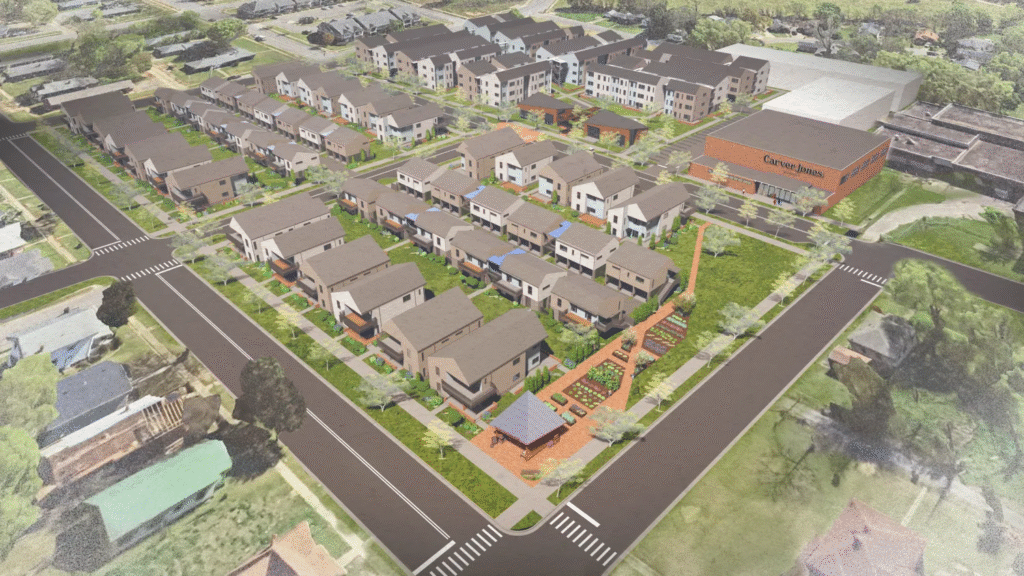
From Commute Distance to Commute Flexibility
Historically, location value was tightly linked to commute time. Homes near central business districts commanded premiums because daily travel was unavoidable.
That relationship has loosened.
According to U.S. Census Bureau data, remote and hybrid work arrangements remain significantly higher than pre-2020 levels. While not every job is remote, flexibility has changed how often—and how far—people are willing to travel.
As a result, buyers increasingly assess:
- Whether they can commute efficiently when needed
- Access to regional transportation rather than daily proximity
- Travel reliability instead of raw distance
A home 40 miles from a city core may now feel more “well-located” than one 15 miles away if it offers predictable transit access, less congestion, and flexible work compatibility.
Neighborhood Function Matters More Than Neighborhood Fame
Well-known ZIP codes once carried automatic prestige. Today, buyers are more interested in how a neighborhood functions than how it’s perceived.
Modern location value often includes:
- Walkability to everyday needs (groceries, childcare, healthcare)
- Access to parks, trails, and community spaces
- Noise levels, traffic flow, and residential density
- Safety data and community engagement, not just reputation
A lesser-known neighborhood with strong amenities and livability can outperform a historically “hot” area that no longer fits modern lifestyles. This shift explains why secondary neighborhoods in many U.S. cities are seeing steady appreciation while legacy areas plateau.
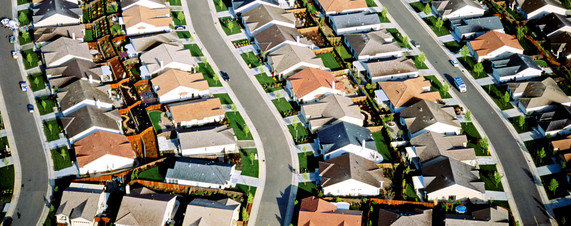
Broadband, Utilities, and Infrastructure Are Now Core Location Factors
One of the clearest changes in modern location thinking is the importance of infrastructure quality.
Reliable high-speed internet has become essential—not optional. Buyers increasingly verify broadband availability the same way they once checked school ratings.
Other infrastructure considerations now include:
- Power grid reliability and outage history
- Water quality and municipal investment levels
- Road maintenance and flood-control systems
In regions where infrastructure has not kept pace with population growth, location value has softened—even when housing demand remains strong overall.
Climate Risk Has Entered the Location Equation
Climate considerations are no longer abstract or future-oriented. Flooding, wildfires, extreme heat, and insurance availability now affect real estate decisions in measurable ways.
According to data from the Federal Emergency Management Agency (FEMA) and major insurance carriers, properties in high-risk zones are facing:
- Rising insurance premiums
- Coverage limitations or exclusions
- Longer selling timelines
Modern buyers increasingly factor in:
- Floodplain maps and wildfire risk scores
- Local mitigation investments
- Long-term insurability
This doesn’t mean climate-exposed areas are unlivable—but it does mean “location” now includes environmental resilience, not just geography.
Lifestyle Alignment Is Redefining Desirable Areas
Location value has become more personal and less standardized.
Buyers now prioritize how a place supports their daily rhythms, not just resale potential. For example:
- Parents may prioritize school logistics and outdoor access over nightlife
- Older buyers may value healthcare access and low-maintenance environments
- Younger professionals may favor flexible spaces over central addresses
This is why demand has diversified across suburbs, exurbs, and smaller metro areas rather than concentrating in a few urban cores.
Affordability Has Reframed What “Good Location” Means
As housing prices and interest rates have risen, affordability has reshaped location trade-offs.
Instead of asking, “What’s the best location?” buyers are asking:
- “What’s the best location within my budget?”
- “Which compromises deliver the least lifestyle disruption?”
This has increased interest in:
- Secondary cities with stable job markets
- Outer-ring suburbs with improving amenities
- Regions offering lower taxes or utility costs
In many cases, buyers are choosing financial stability over prestige—an entirely rational evolution of location thinking.
Data Is Replacing Assumptions in Location Decisions
Modern buyers rely more heavily on data than intuition.
Instead of relying solely on agent guidance or reputation, they now review:
- Crime statistics and trend data
- School performance over time, not just rankings
- Historical price volatility
- Local employment diversification
This data-driven approach has made location evaluation more nuanced and less emotional—especially among first-time buyers and long-term planners.
Why Investors and Homebuyers Often Define Location Differently
Location still means different things depending on goals.
For owner-occupants, livability and long-term comfort dominate. For investors, metrics such as rental demand, turnover rates, and regulatory environments matter more.
However, the overlap between these perspectives is growing. Investors increasingly factor in climate risk and infrastructure, while homeowners pay closer attention to resale dynamics and rental fallback potential.
The modern definition of location sits at this intersection—where livability, resilience, and financial logic meet.

Common Questions Americans Are Asking About Location Today
FAQs
Is location still the most important factor in real estate?
Yes—but its definition has expanded beyond proximity to include lifestyle fit, infrastructure, and long-term resilience.
Does remote work make location less important?
No. It changes which location factors matter, shifting focus from commute distance to flexibility and livability.
Are suburbs becoming more valuable than cities?
Not universally. Value depends on amenities, infrastructure, and adaptability—not urban or suburban labels.
How does climate risk affect home value?
It increasingly influences insurance costs, buyer demand, and long-term market stability.
Should buyers prioritize walkability or space?
That depends on lifestyle needs, but buyers are increasingly weighing both rather than defaulting to one.
Do school ratings still matter?
Yes, but buyers now examine trends, programs, and access rather than relying solely on rankings.
Is broadband availability really that important?
For many buyers, yes—especially those working remotely or running home-based businesses.
Are secondary cities a safer bet long-term?
Some are, particularly those with diversified economies and proactive infrastructure planning.
How should first-time buyers evaluate location differently today?
By focusing on adaptability, affordability, and long-term usability rather than short-term prestige.
How Location Has Quietly Become a Quality-of-Life Metric
The modern real estate market has not abandoned the concept of location—it has refined it.
Location today reflects how a place supports work, health, finances, relationships, and future flexibility. It rewards communities that invest in infrastructure, resilience, and livability, not just reputation.
For buyers, sellers, and investors alike, understanding this shift isn’t optional. It’s essential for making decisions that hold up—not just this year, but over decades.
What This New Definition of Location Ultimately Signals
- Location is now evaluated through daily experience, not just map proximity
- Infrastructure and resilience increasingly influence long-term value
- Lifestyle alignment matters as much as traditional prestige
- Data-driven decision-making is replacing assumptions
- The “best” location is no longer universal—it’s personal