

Summary
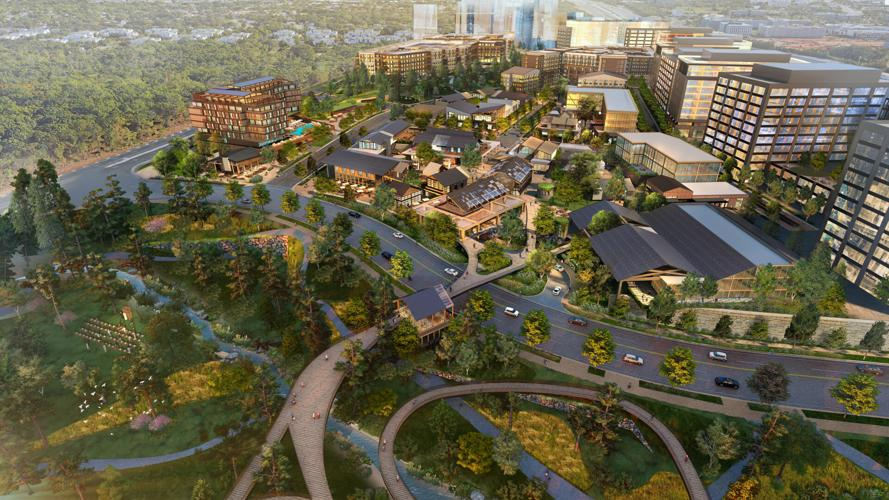
Mixed-use developments—projects that combine housing, retail, offices, and public spaces—are transforming American cities. As urban populations grow and lifestyles shift toward walkable communities, these developments offer convenience, economic resilience, and smarter land use. By blending residential and commercial functions in a single district, mixed-use projects are helping cities reduce commuting, support local businesses, and create vibrant neighborhoods.
The Growing Importance of Mixed-Use Development in Urban America
Across the United States, urban planners and developers are increasingly embracing mixed-use developments as a practical solution to changing economic, demographic, and environmental conditions. These projects combine multiple property types—typically residential, commercial, retail, and sometimes entertainment—within a single building or neighborhood.
Instead of separating housing, workplaces, and retail into distant zones, mixed-use development brings them together in one place. Residents might live in apartments above restaurants and shops, walk to nearby offices or coworking spaces, and access parks or entertainment venues within the same district.
This shift reflects broader changes in how Americans want to live. Many urban residents increasingly prioritize convenience, walkability, and access to amenities close to home. According to the Urban Land Institute, demand for walkable neighborhoods with mixed uses has grown steadily over the past decade, particularly among younger professionals and empty-nesters.
Cities facing housing shortages and limited land availability also view mixed-use development as an efficient way to maximize space while revitalizing underutilized districts.
What Exactly Is a Mixed-Use Development?
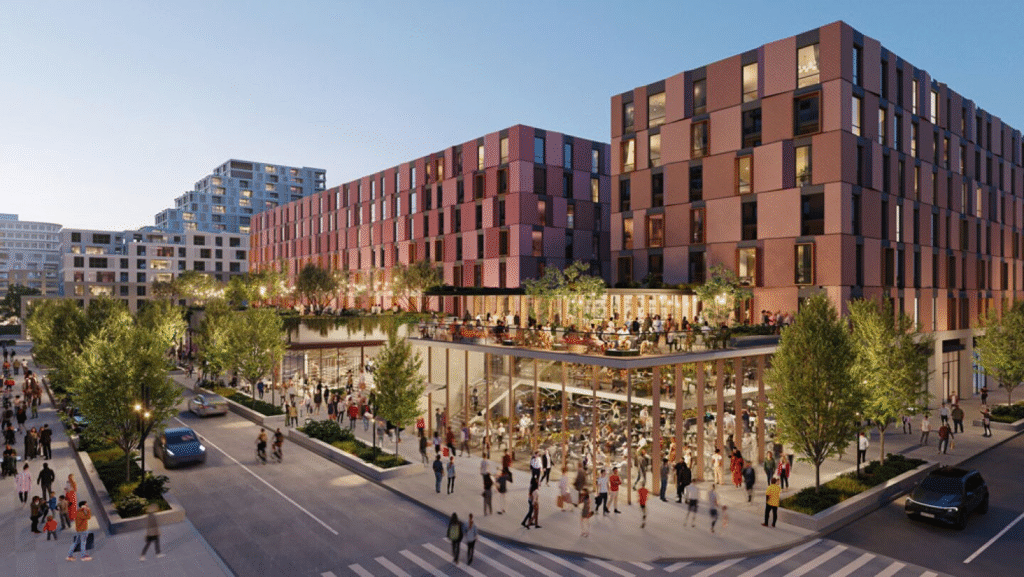
A mixed-use development integrates multiple property types into a single development plan. These projects may range from a single building with retail on the ground floor and apartments above to large multi-block districts with housing, offices, parks, and entertainment venues.
Most projects fall into three main categories:
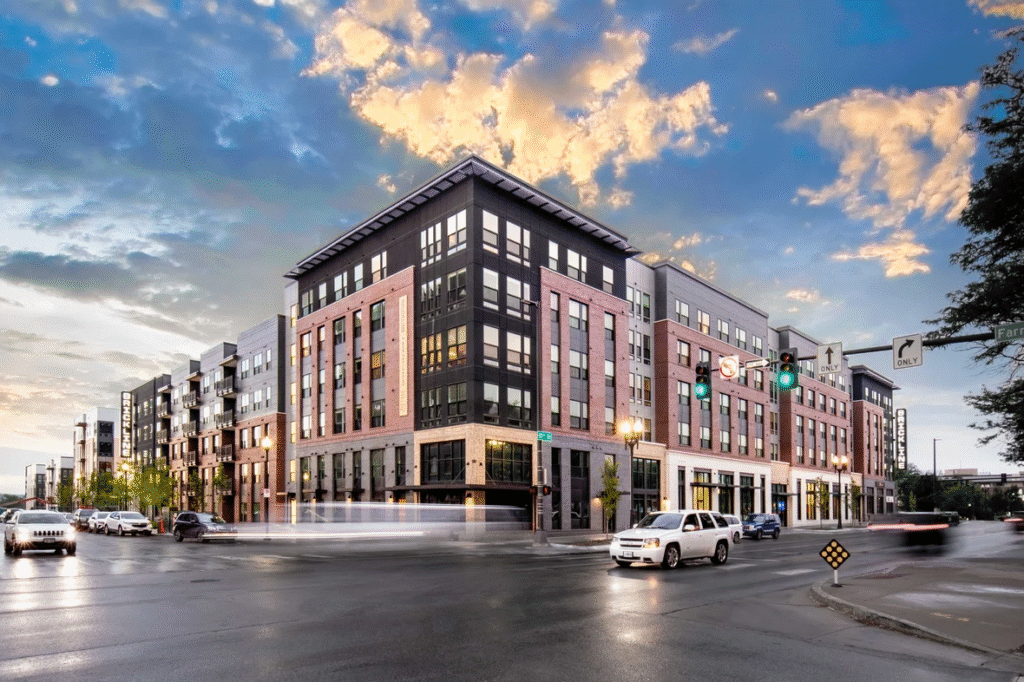
• Vertical mixed-use – different functions stacked in one building (e.g., retail on ground floor, offices above, apartments on upper floors)
• Horizontal mixed-use – multiple uses distributed across several buildings within a walkable district
• Master-planned mixed-use communities – large developments integrating housing, offices, retail, hospitality, and public spaces
Examples of successful U.S. mixed-use districts include:
- Hudson Yards in New York City
- The Wharf in Washington, D.C.
- Atlantic Station in Atlanta
- The Domain in Austin
These developments combine residential units with office towers, restaurants, entertainment venues, and open public spaces.
Why Cities Are Encouraging Mixed-Use Projects
Local governments increasingly support mixed-use projects because they address several urban planning challenges simultaneously.
One of the biggest advantages is efficient land use. In dense cities where land is scarce and expensive, combining multiple uses allows developers to make better use of limited space.
Mixed-use projects can also stimulate economic activity by creating environments where people live, work, shop, and socialize within the same neighborhood.
Cities benefit in several ways:
• Higher property tax revenue from multiple property types
• Increased foot traffic that supports local businesses
• Reduced reliance on long commutes
• Revitalization of underutilized districts or former industrial areas
For example, Denver’s Union Station redevelopment transformed a historic rail hub into a thriving mixed-use district that includes hotels, apartments, restaurants, offices, and transit connections.
The Appeal for Residents: Convenience and Lifestyle
For many Americans, mixed-use developments offer a lifestyle that traditional suburban zoning rarely provides.
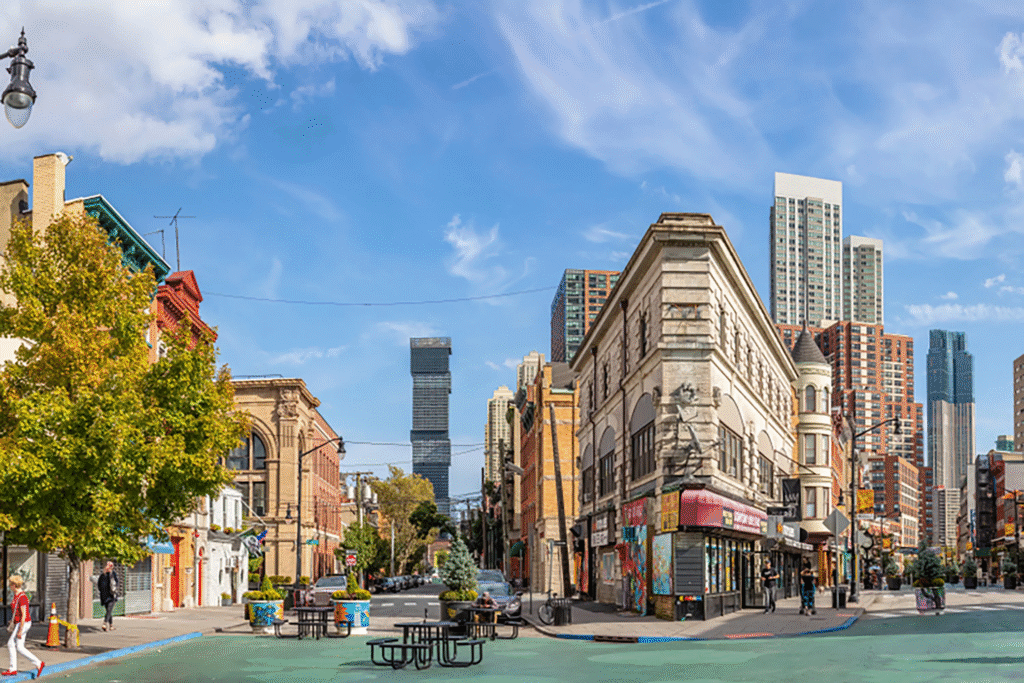
Residents gain easy access to essential services, workplaces, dining, and entertainment without long drives across town. This convenience is particularly appealing in large metropolitan areas where commuting times can exceed an hour.
A mixed-use neighborhood might allow someone to:
• Walk downstairs for coffee or groceries
• Access fitness centers or coworking spaces nearby
• Commute via public transit within the district
• Spend leisure time in nearby parks or plazas
The National Association of Realtors has consistently found strong consumer preference for walkable communities with nearby amenities. In surveys, many Americans say they are willing to pay more to live in neighborhoods where daily errands can be completed without a car.
How Mixed-Use Developments Support Local Economies
From an economic perspective, mixed-use districts tend to be more resilient than single-purpose developments.
Retailers, restaurants, and service providers benefit from steady foot traffic generated by nearby residents and office workers. Offices benefit from nearby housing that shortens employee commutes.
This creates a self-reinforcing ecosystem where multiple property types support one another.
Key economic advantages include:
• Consistent activity throughout the day rather than empty business districts after work hours
• Stronger retail performance due to built-in local customer base
• Higher property values in vibrant mixed-use neighborhoods
• Increased job opportunities within walkable districts
According to research from the Urban Land Institute, mixed-use developments often attract higher investment because they distribute risk across multiple property types rather than relying on a single market sector.
Environmental and Transportation Benefits
Mixed-use development also plays a role in sustainability and transportation planning.
By placing housing, offices, and services closer together, cities can reduce reliance on cars and encourage walking, cycling, and public transit.
Environmental benefits include:
• Reduced vehicle emissions due to shorter commutes
• Lower infrastructure costs for roads and utilities
• More efficient land consumption
• Opportunities to incorporate green spaces and energy-efficient buildings
Many mixed-use districts are built near transit hubs, aligning with transit-oriented development (TOD) strategies promoted by urban planners.
For example, Arlington County, Virginia intentionally developed dense mixed-use corridors along the Washington Metro system, helping create walkable neighborhoods with lower traffic congestion.
The Role of Mixed-Use Development in Revitalizing Urban Areas
Many American cities have used mixed-use development to revive former industrial zones, waterfronts, and declining downtown districts.
Rather than focusing solely on commercial office towers or isolated residential complexes, planners increasingly favor integrated neighborhoods that attract both residents and businesses.
Several well-known urban transformations illustrate this trend:
• The Wharf (Washington, D.C.) – a waterfront redevelopment combining residences, hotels, restaurants, offices, and public spaces
• Seaport District (Boston) – converted former industrial port area into a thriving mixed-use neighborhood
• Pearl District (Portland) – former warehouses transformed into housing, galleries, and retail
These projects demonstrate how mixed-use development can bring life back to underused urban land.
Challenges Developers and Cities Must Address
While mixed-use development offers many advantages, it also presents complex challenges.
These projects typically require coordination among multiple stakeholders, including developers, city planners, investors, and community groups.
Common obstacles include:
• Complex zoning regulations
• Higher construction costs
• Financing difficulties due to mixed revenue streams
• Balancing residential privacy with commercial activity
• Managing traffic and infrastructure demands
Successful mixed-use projects often involve public-private partnerships and long-term planning.
For example, the redevelopment of Hudson Yards in New York City required significant infrastructure investment, including subway extensions and public space planning.
What the Future of Mixed-Use Development Looks Like
As cities continue to evolve, mixed-use developments are likely to play an even greater role in shaping urban environments.
Several emerging trends are influencing future projects:
• Integration of co-working and flexible office spaces
• Greater emphasis on green spaces and public plazas
• Incorporation of smart city technologies
• Expansion into suburban mixed-use districts
• Increased focus on live-work-play environments
Developers are also responding to changes in work patterns following the rise of remote and hybrid work models. Mixed-use neighborhoods that combine housing, flexible office space, and retail may offer a balanced alternative to traditional central business districts.
Urban planners increasingly see mixed-use development not just as a design trend, but as a structural shift in how cities function.
Frequently Asked Questions
What is the main goal of mixed-use development?
The primary goal is to combine residential, commercial, and recreational spaces within a single area to create walkable, vibrant communities that reduce travel distances and support local economies.
Why are mixed-use developments becoming more popular in U.S. cities?
They address multiple urban challenges at once—housing demand, transportation efficiency, economic development, and land scarcity.
Are mixed-use developments only found in large cities?
No. Many suburbs are also adopting mixed-use models to create walkable town centers with housing, retail, and offices.
Do mixed-use developments increase property values?
In many cases they do, particularly in well-planned areas with strong demand for walkable neighborhoods and amenities.
How do mixed-use developments affect traffic?
By reducing long commutes and encouraging walking or transit use, they can help decrease overall traffic congestion.
Are mixed-use developments environmentally sustainable?
They often support sustainability by reducing car dependence, encouraging density, and allowing energy-efficient building design.
What types of businesses benefit most from mixed-use districts?
Restaurants, retail stores, service providers, and coworking spaces often thrive because they have consistent nearby customers.
How long does it take to build a mixed-use development?
Large projects can take several years or even decades due to complex planning, financing, and construction requirements.
Are mixed-use developments more expensive to build?
They can be more complex and costly upfront, but they often provide diversified revenue streams and long-term value.
Can small cities implement mixed-use development?
Yes. Many smaller communities use mixed-use planning to revitalize downtown areas and attract residents and businesses.
A New Blueprint for the Modern American Neighborhood
Mixed-use developments are gradually reshaping how American cities grow and function. By integrating housing, workplaces, retail, and public spaces into cohesive districts, these projects create communities where daily life becomes more connected and efficient.
Rather than separating urban activities into distant zones, mixed-use design encourages proximity and interaction. For cities facing housing pressures, infrastructure challenges, and shifting economic patterns, this model offers a practical framework for long-term urban resilience.
As population growth and changing lifestyles continue to influence urban planning, mixed-use developments will likely remain central to how future neighborhoods are designed and experienced.
Key Insights at a Glance
• Mixed-use developments combine housing, retail, offices, and public spaces in one area
• Walkable neighborhoods are increasingly popular among U.S. residents
• These projects support local economies through constant foot traffic
• Mixed-use districts often improve land efficiency and reduce commuting
• Cities use them to revitalize underutilized urban areas
• Environmental benefits include reduced emissions and improved transit use
• Developers face complex planning and financing challenges
• Future projects will likely incorporate flexible workspaces and smart infrastructure