

Summary
Suburban housing markets across the U.S. are evolving faster than urban cores due to shifting work patterns, affordability pressures, demographic changes, and infrastructure investment. As buyers reassess value beyond proximity to downtowns, suburbs are adapting more quickly to new demand. This article explains why that shift is happening, what data shows, and how it’s reshaping American real estate.
For much of the 20th century, American real estate followed a familiar pattern: cities drove innovation and demand, while suburbs followed more slowly. That hierarchy has changed. Across the United States, suburban housing markets are now evolving faster than urban cores—not just in prices, but in housing types, buyer expectations, development models, and long-term planning.
This shift is not about cities “declining.” Urban centers remain economic engines and cultural anchors. What’s changed is the speed at which suburbs are responding to modern housing demand. In many metro areas, suburbs are adapting faster to how Americans live, work, and move today.
Understanding why this is happening matters for buyers, investors, policymakers, and anyone trying to make sense of where the housing market is headed.
The Suburbs Are No Longer Secondary Markets
Suburbs were once defined by uniform subdivisions, car dependence, and long commutes. Today’s suburbs are more varied—and more dynamic—than that outdated image suggests.
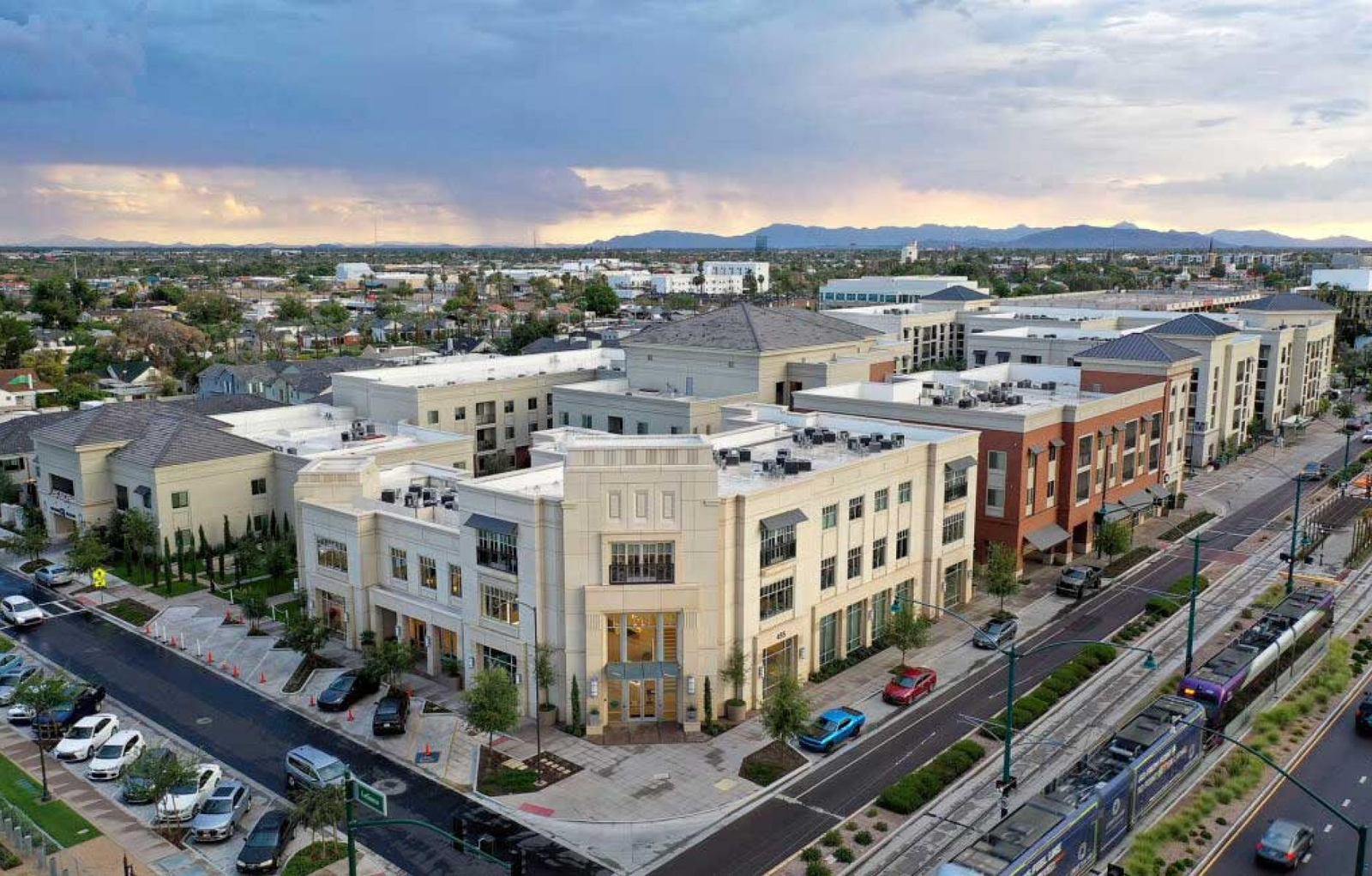
Many suburban communities now function as independent economic hubs. They host major employers, healthcare systems, logistics centers, and growing small-business ecosystems. In metro areas like Dallas–Fort Worth, Atlanta, Phoenix, and Raleigh, job growth has increasingly clustered outside traditional downtowns.
This economic decentralization has changed how housing demand behaves. When employment, retail, education, and healthcare are no longer concentrated in city centers, housing demand follows people—not addresses.
Suburban governments have also become more proactive. Many have streamlined zoning, invested in mixed-use development, and encouraged denser housing near transit corridors. Urban cores, by contrast, often face slower approval processes, legacy infrastructure constraints, and more complex political dynamics.
Remote and Hybrid Work Changed the Math Permanently
Remote work did not invent suburban growth, but it accelerated trends already underway.
Before 2020, many households tolerated high housing costs in urban cores because proximity to work justified the trade-off. Hybrid and remote models weakened that trade-off. When commuting five days a week is no longer required, buyers reevaluate what they’re paying for.
In surveys conducted by organizations such as Gallup and the Pew Research Center, a majority of U.S. workers with remote-capable jobs now expect flexibility to remain. That expectation directly influences housing choices.
Suburbs have been faster to adapt to this reality by offering:
- Larger homes with dedicated office space
- New construction designed for flexible layouts
- Zoning that allows accessory dwelling units or home offices
- Neighborhood retail and services within short driving distances
Urban cores still attract renters and early-career professionals, but suburban markets are capturing more long-term households—particularly families and mid-career buyers who prioritize space, schools, and stability.
Affordability Pressures Hit Cities First—and Hardest
Housing affordability is a national issue, but its effects are uneven.
Urban cores entered the past decade with higher price baselines, tighter land constraints, and heavier regulatory burdens. As interest rates rose and prices peaked, affordability deteriorated faster in cities than in many surrounding suburbs.
Data from the Federal Housing Finance Agency and Freddie Mac consistently shows that suburban price growth, while strong, has often remained more sustainable than urban-core appreciation. That sustainability matters when buyers are stretching budgets under higher mortgage rates.
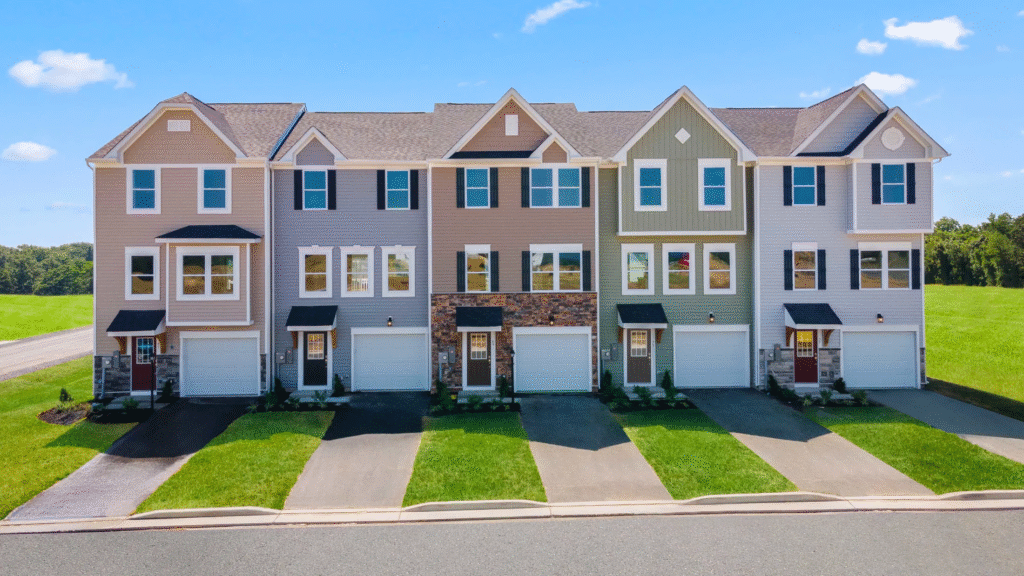
Suburbs also offer a wider range of price points. In many metro areas, buyers can still find entry-level homes or townhomes in suburban locations that are no longer available in city centers.
This does not mean suburbs are “cheap.” It means they are more adaptable to affordability constraints—especially when local governments allow varied housing types rather than only single-family zoning.

Suburban Development Is More Flexible by Design
Urban cores carry the weight of history. Infrastructure systems, building codes, historic districts, and legacy land use patterns all slow the pace of change.
Suburbs, particularly those developed after 1980, tend to have fewer physical and regulatory constraints. That flexibility allows faster responses to demand shifts.
Examples of how suburban markets adapt more quickly include:
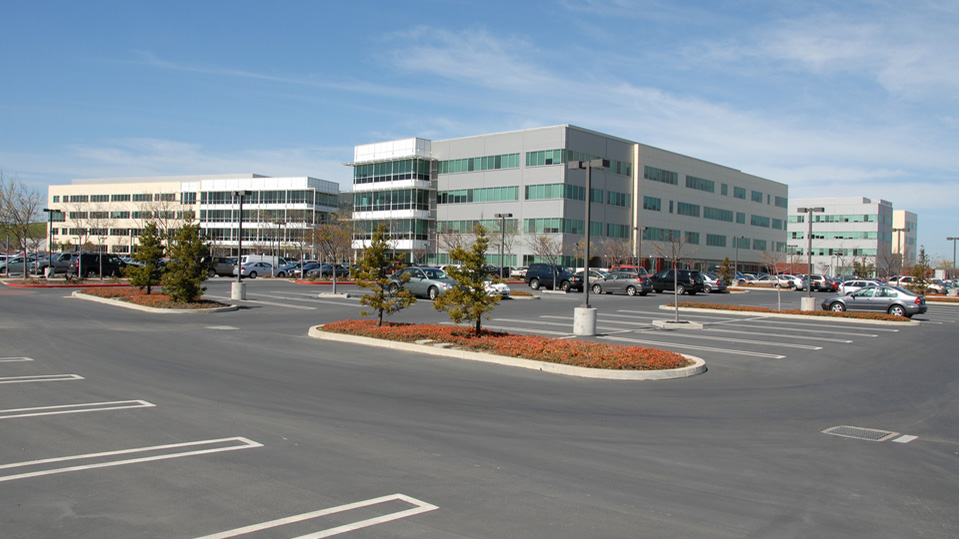
- Converting underused office parks into residential or mixed-use spaces
- Approving build-to-rent communities to meet rental demand
- Allowing townhomes, duplexes, and small multifamily projects
- Expanding school capacity alongside residential growth
In contrast, urban cores often face lengthy entitlement processes, community opposition to density changes, and infrastructure retrofitting challenges. Even when cities want to evolve, execution takes time.
Demographics Favor Suburban Growth Cycles
Demographic trends help explain why suburban markets are moving faster.
Millennials, now the largest generation in the U.S. workforce, are aging into family formation years. Many want more space, stable school districts, and long-term housing—preferences that align with suburban living.
At the same time, Baby Boomers are downsizing but not necessarily returning to dense urban cores. Many are choosing suburban communities with healthcare access, single-level homes, and proximity to family.
Immigration patterns also play a role. Newcomers often settle in suburban areas where housing costs are lower and family networks already exist.
These overlapping demographic forces create consistent suburban demand across life stages, while urban cores often rely more heavily on renters and younger populations with higher turnover.
Infrastructure Investment Favors Suburban Corridors
Infrastructure spending influences real estate more than most buyers realize.
Recent federal and state investments in highways, logistics corridors, broadband expansion, and utility upgrades have disproportionately benefited suburban and exurban areas. Improved connectivity reduces the friction of living farther from traditional downtowns.
Suburban communities have also been quicker to modernize:
- Expanding fiber internet and 5G access
- Upgrading water and power systems for new development
- Building regional transit hubs rather than city-only systems
Urban cores, by contrast, must often repair aging infrastructure before expanding it—a slower and more expensive process.
Lifestyle Preferences Have Shifted—and Stuck
Housing decisions are not purely economic. Lifestyle matters.
During the pandemic, Americans reassessed how they use their homes and neighborhoods. Access to outdoor space, quieter streets, and flexible living arrangements gained importance.
Even as cities reopened, many of those preferences remained. Suburbs offered an easier path to meeting them without sacrificing employment access or amenities.
Importantly, today’s suburbs are not yesterday’s. Many now feature walkable town centers, local dining scenes, cultural programming, and community events that blur the old city-suburb divide.
Why Urban Cores Still Matter—but Move More Slowly
It’s important to avoid a false binary. Urban cores are not becoming irrelevant.
Cities continue to lead in:
- Cultural institutions
- Higher education
- Specialized employment sectors
- Tourism and global connectivity
However, evolution in urban cores tends to be incremental rather than rapid. High-density environments require consensus-building, long-term planning, and substantial capital investment.
Suburbs, with fewer structural constraints, can pivot faster—even if the absolute scale of change is smaller.
Common Questions Americans Are Asking
Are suburbs growing faster than cities right now?
In many metro areas, yes—particularly in housing supply, new construction, and population growth relative to urban cores.
Is this trend permanent or temporary?
Most indicators suggest it’s structural, driven by work patterns, demographics, and affordability—not a short-term cycle.
Do suburbs offer better long-term value for buyers?
Value depends on location, but suburbs often provide more stable price growth and lower volatility.
Are cities losing residents permanently?
No. Many cities are stabilizing, but growth is more uneven than in suburban markets.
How does this affect renters?
Suburbs are adding more rental housing, including townhomes and build-to-rent communities, expanding options beyond apartments.
Are schools a major factor?
Yes. School quality remains one of the strongest drivers of suburban demand.
What about transportation and commute times?
Hybrid work has reduced commute frequency, making longer distances more manageable.
Will urban cores catch up?
Likely, but at a slower pace due to infrastructure and regulatory constraints.
How does zoning impact these trends?
Suburbs that allow diverse housing types adapt faster than those with restrictive zoning.
What This Means for the Future of U.S. Housing
The faster evolution of suburban markets is not an anomaly—it’s a reflection of how Americans live today. Flexibility, space, affordability, and infrastructure matter more than proximity alone.
As housing demand continues to shift, the most successful markets—urban or suburban—will be those that adapt rather than resist change.
Suburbs, by virtue of structure and timing, are simply doing that faster right now.
Reading the Market’s Direction, Not Its Headlines
The story of suburban growth is not about abandoning cities. It’s about recognizing where adaptation is happening most efficiently. Suburban markets are evolving faster because they can—responding to demand with fewer constraints and clearer signals from buyers.
For anyone watching U.S. real estate closely, that speed of change is the insight worth paying attention to.
Key Signals Worth Watching
- Suburban zoning reforms enabling mixed housing types
- Continued hybrid work adoption across industries
- Infrastructure investment outside urban cores
- Demographic shifts toward long-term household formation
- Stabilization—not decline—of urban rental demand