

Summary
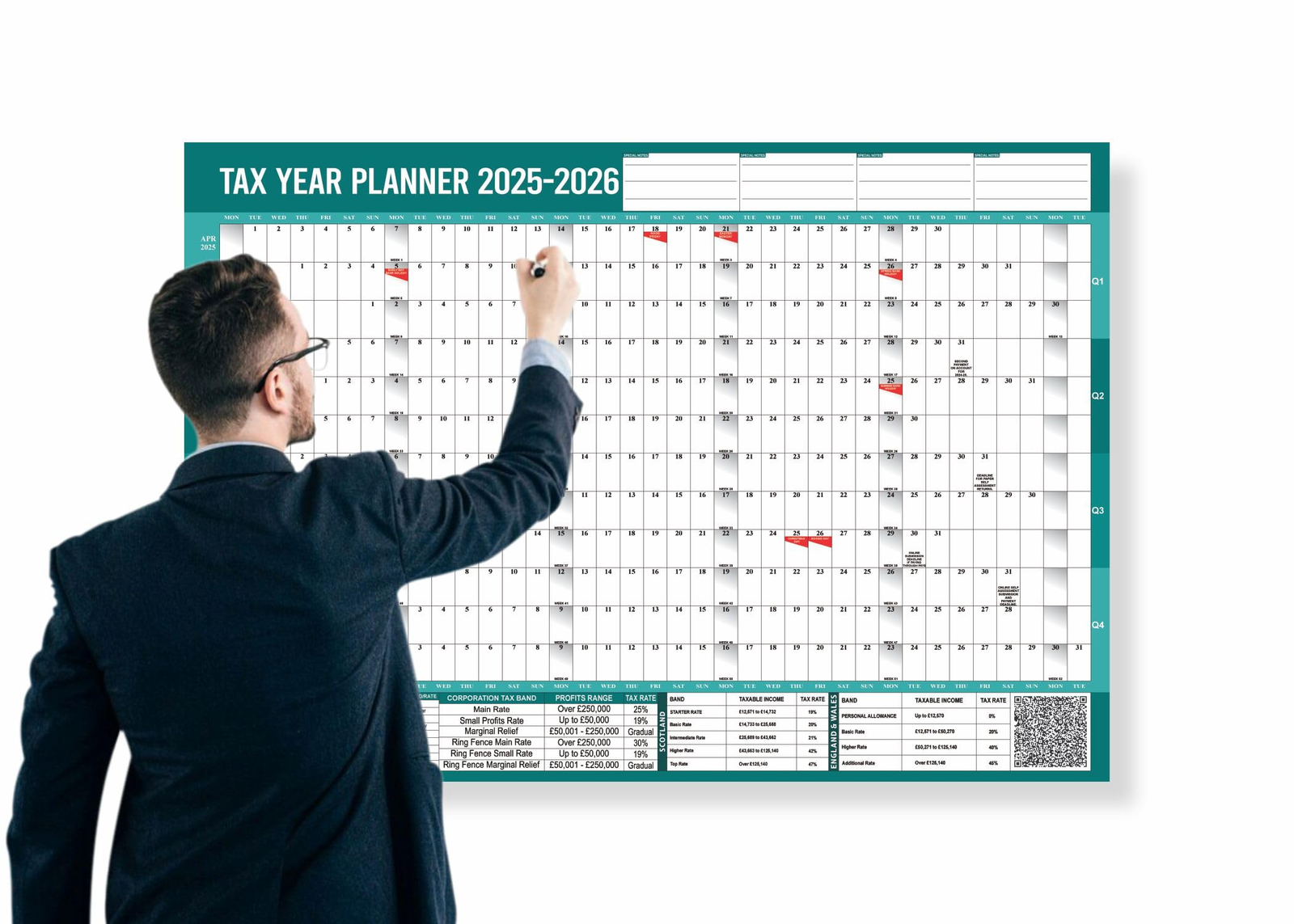
Tax planning is often treated as a once-a-year task, but the most effective strategies happen months before filing season begins. By reviewing income, deductions, investments, and financial goals throughout the year, Americans can make informed decisions that reduce surprises and improve long-term tax efficiency. Early planning allows individuals and families to align financial decisions with tax rules rather than reacting to them.
Understanding the Difference Between Tax Filing and Tax Planning
Many Americans think about taxes only when preparing their annual return. Filing taxes is the process of reporting income and calculating what you owe or what refund you may receive. Tax planning, however, is a year-round strategy that focuses on managing financial decisions in ways that legally reduce tax exposure.
This distinction matters because once the calendar year ends, most opportunities to influence your tax outcome are already gone.
For example, if someone realizes in March that they should have contributed more to a retirement account or harvested investment losses the previous December, those options are no longer available for that tax year.
According to the Internal Revenue Service, millions of Americans miss eligible deductions and credits each year simply because they did not plan ahead. Tax planning gives households time to organize documents, track eligible expenses, and evaluate financial choices before deadlines pass.
In practice, early planning transforms taxes from a reactive process into a strategic one.
Why Waiting Until Filing Season Limits Your Options
By the time filing season begins—typically January through April—the financial activity for the prior year has already occurred. At that stage, most tax decisions are locked in.
There are several reasons this timing matters.
First, many tax-saving opportunities depend on actions taken during the year. Contributions to retirement accounts, charitable giving, investment sales, and business purchases all influence the tax calculation.
Second, early planning allows individuals to spread financial decisions over time rather than making rushed choices under pressure.
Consider a simple example.
A freelance designer earns significantly more income than expected during the year. If she reviews her finances in October, she might decide to increase retirement contributions or make a business equipment purchase before December 31. If she waits until March, the opportunity to influence the previous year’s taxes has already passed.
Common opportunities that disappear once the year ends include:
- Adjusting retirement contributions
- Harvesting investment losses
- Timing charitable donations
- Making certain business purchases
- Adjusting estimated tax payments
In short, early planning provides flexibility. Filing season simply confirms the results.

The Financial Benefits of Year-Round Tax Planning
Consistent tax planning offers several advantages beyond simply reducing a tax bill.
One major benefit is predictability. When individuals monitor income and deductions throughout the year, they are less likely to face an unexpected balance due in April.
Another benefit is improved financial decision-making. Taxes influence investments, retirement savings, real estate decisions, and business strategies. When tax implications are considered early, individuals can make choices that support both financial growth and tax efficiency.
Research from the Tax Policy Center shows that tax credits and deductions significantly affect household financial outcomes, particularly for middle-income families. Yet these benefits are often underutilized because people only review them during filing season.
Year-round tax planning often helps households:
- Align investment strategies with tax rules
- Reduce capital gains taxes through timing decisions
- Maximize retirement contributions
- Take advantage of available credits
- Avoid underpayment penalties
These outcomes are rarely the result of last-minute preparation. They come from thoughtful planning months in advance.
Key Areas Where Early Tax Planning Makes the Biggest Difference
Not every financial decision affects taxes equally. However, several categories consistently influence a taxpayer’s final outcome.
Retirement Contributions
Retirement accounts such as 401(k)s and Individual Retirement Accounts provide both long-term savings and tax advantages.
For example, contributions to traditional retirement accounts may reduce taxable income for the year. Monitoring contributions throughout the year allows individuals to increase savings if their income rises unexpectedly.
The U.S. Department of the Treasury notes that retirement accounts represent one of the most widely used tax-advantaged savings tools available to Americans.
Investment Decisions
Investment activity can significantly influence taxes through capital gains and losses.
Strategic investors often review portfolios before the end of the year to determine whether selling certain assets could offset gains elsewhere.
This approach, commonly called tax-loss harvesting, requires planning well before filing season.
Charitable Contributions
Charitable giving can also influence tax outcomes, especially for households that itemize deductions.
By planning donations earlier in the year, taxpayers can:
- Organize documentation
- Evaluate whether itemizing makes sense
- Consider donating appreciated assets instead of cash
Timing can affect both tax savings and philanthropic impact.
Business Expenses
For small business owners and self-employed professionals, the timing of expenses can significantly influence taxes.
Purchasing equipment, upgrading technology, or accelerating certain expenses before year-end can change how income is taxed.
These decisions require careful planning and documentation.

The Role of Mid-Year Tax Checkups
One practical strategy used by many financial advisors is the mid-year tax review.
Around June or July, individuals can evaluate their financial progress and make adjustments while there is still time to act.
A mid-year review typically includes:
- Reviewing income projections
- Evaluating estimated tax payments
- Tracking deductible expenses
- Monitoring investment activity
- Checking retirement contribution levels
For example, a couple may discover during a mid-year review that a job promotion significantly increased their income. With several months remaining in the year, they still have time to increase retirement contributions or adjust tax withholding.
Without that review, they might only discover the impact during filing season.
How Life Changes Affect Tax Planning
Taxes are closely tied to life events. Major personal or financial changes can alter a household’s tax situation significantly.
Early planning helps individuals anticipate these shifts rather than reacting to them.
Common life events that influence taxes include:
- Marriage or divorce
- Having children
- Buying or selling a home
- Changing jobs
- Starting a business
- Receiving inheritance or large investment gains
For example, first-time parents may become eligible for new tax credits, while homeowners may benefit from deductions related to mortgage interest or property taxes.
Understanding these changes early allows households to adjust withholding, savings, and financial planning accordingly.
The Role of Professional Guidance
While many Americans manage their taxes independently, professional advice can add value when financial situations become more complex.
Certified public accountants, enrolled agents, and financial planners often help clients integrate tax planning with broader financial goals.
Professionals may assist with:
- Projecting future tax liability
- Identifying overlooked deductions or credits
- Evaluating retirement and investment strategies
- Planning for business income
- Preparing for major financial transitions
According to the National Association of Tax Professionals, early engagement with tax professionals allows more time to explore legal strategies that may not be possible once the year closes.
Even individuals who typically prepare their own returns may benefit from occasional planning consultations.
Practical Steps to Start Tax Planning Earlier
For many households, the biggest barrier to tax planning is simply getting started. The process does not need to be complicated.
Small steps throughout the year can make tax season far less stressful.
A practical starting point includes:
- Tracking income and major expenses monthly
- Organizing receipts and financial records
- Monitoring retirement account contributions
- Reviewing investment activity before year-end
- Scheduling a mid-year financial checkup
Digital financial tools and budgeting apps can also help track deductible expenses automatically.
By building simple habits, taxpayers create a clearer picture of their financial situation long before filing deadlines approach.

Frequently Asked Questions
Why should tax planning happen before the end of the year?
Most tax-saving strategies must occur before December 31 because the tax year ends then. Waiting until filing season limits the actions you can take to influence the final outcome.
How early should tax planning begin?
Ideally, tax planning should begin at the start of the calendar year and continue periodically throughout the year, with at least one mid-year review.
What is a tax planning strategy?
A tax planning strategy is a financial decision designed to legally reduce tax liability. Examples include retirement contributions, tax-loss harvesting, and charitable giving.
Do I need a tax professional for tax planning?
Not always. Many individuals manage basic planning independently, but professional guidance can help when financial situations become more complex.
What is a mid-year tax review?
A mid-year review evaluates income, deductions, and financial changes halfway through the year to identify potential tax adjustments before year-end.
Can investment decisions affect taxes?
Yes. Selling investments can create capital gains or losses, which may increase or decrease taxable income depending on the situation.
Are retirement contributions tax-deductible?
Some retirement contributions, such as those made to traditional accounts, may reduce taxable income depending on eligibility and income levels.
What happens if you do no tax planning?
Without planning, taxpayers may miss deductions, underestimate tax obligations, or lose opportunities to reduce their tax liability.
Does tax planning only help high-income households?
No. Many credits and deductions primarily benefit middle-income families, making planning valuable across income levels.
How often should tax planning be reviewed?
Most experts recommend reviewing taxes at least twice a year—mid-year and again before the end of the calendar year.
Turning Taxes Into a Year-Round Financial Habit
The most effective tax strategies rarely appear during filing season. They develop gradually throughout the year as financial decisions unfold.
When individuals view taxes as an ongoing component of financial planning—rather than a once-a-year obligation—they gain more control over their financial outcomes. Income changes, investment decisions, charitable giving, and retirement contributions all shape tax results long before returns are filed.
Starting earlier does not require complex calculations. It simply means paying attention to financial choices throughout the year and recognizing how they connect to the tax system.
Over time, that habit often leads to fewer surprises, better planning, and more informed financial decisions.
Key Insights at a Glance
- Tax planning differs from tax filing and must occur before the tax year ends
- Early planning increases opportunities to reduce taxable income legally
- Mid-year reviews help identify adjustments before deadlines pass
- Retirement contributions and investment decisions strongly affect taxes
- Life changes such as marriage or homeownership can alter tax outcomes
- Organized financial records make filing season significantly easier