

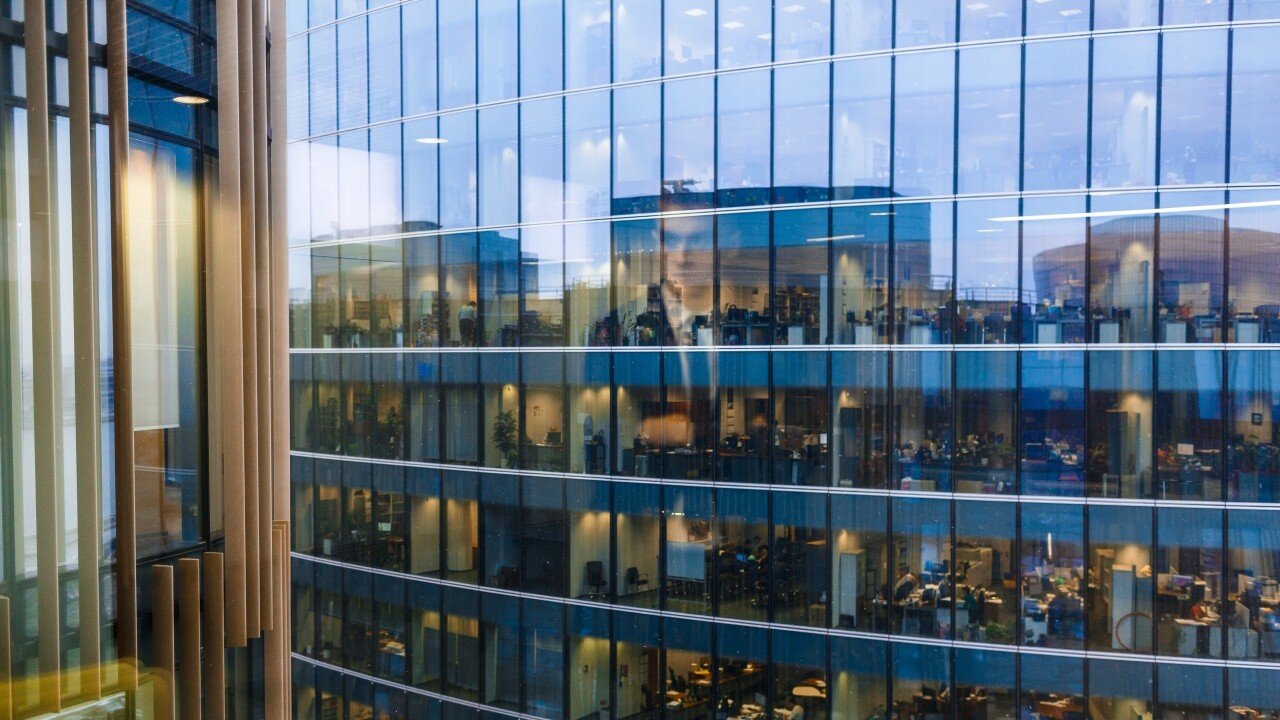
The commercial real estate (CRE) sector is undergoing a significant transformation due to the widespread adoption of hybrid work models. While certain segments face challenges, strategic adaptations and evolving workplace trends offer avenues for recovery and growth. This article delves into the current state of the CRE market, examines the impact of hybrid work, and explores strategies for navigating this evolving landscape.
The Hybrid Work Revolution and Its Impact on Commercial Real Estate
The COVID-19 pandemic accelerated the adoption of remote and hybrid work models, fundamentally altering how businesses operate and employees engage with their workplaces. According to a 2025 report by McKinsey, over 50% of employees continue to work in a hybrid fashion, balancing in-office and remote workdays. McKinsey & Company This shift has profound implications for the commercial real estate market, influencing demand, leasing patterns, and property valuations.
The Decline in Office Space Demand
The most significant impact of hybrid work is the reduced demand for traditional office spaces. Companies are reassessing their real estate needs, leading to downsizing and consolidation of office footprints. For instance, firms like Aetna and Independent Bank have relocated to smaller, more strategically located offices to align with their evolving work models. J.P. Morgan
This trend is reflected in market data, with office building values dropping by 11% in 2024 and projections indicating a potential 26% decline over the next five years. Vacancy rates have risen, particularly in urban centers, as businesses adapt to new operational paradigms.
The Rise of Flexible Workspaces and Co-Working Models
In response to changing demands, the commercial real estate sector is witnessing a surge in flexible workspaces and co-working environments. These models offer businesses the agility to scale operations up or down without long-term commitments, catering to the needs of a hybrid workforce. Companies are increasingly opting for spaces that foster collaboration and innovation, aligning with the preferences of modern employees.
Co-working spaces, such as WeWork and Regus, have seen a resurgence as organizations seek cost-effective and adaptable solutions. These spaces provide amenities and services that support hybrid work, including high-speed internet, meeting rooms, and community events, enhancing employee engagement and productivity.
Urban vs. Suburban: Shifting Preferences in Location
The hybrid work model has also influenced geographic preferences, with a noticeable shift from urban to suburban locations. Employees are seeking work environments closer to home, reducing commute times and improving work-life balance. This shift has led to increased interest in suburban office spaces, which offer more affordable leasing options and a more relaxed work environment.
Developers are responding by repurposing underutilized urban properties into mixed-use developments that combine residential, retail, and office spaces, creating vibrant communities that cater to the needs of the hybrid workforce.
Market Segmentation: Winners and Losers
Not all segments of the commercial real estate market are equally affected by the rise of hybrid work. While office spaces face challenges, other sectors demonstrate resilience:
- Industrial Real Estate: Driven by e-commerce growth, the demand for warehouses and distribution centers remains strong. The logistics sector continues to expand, supported by advancements in supply chain technology.
- Retail Real Estate: Experiencing a transformation, retail spaces are evolving to offer experiential shopping experiences. Retailers are focusing on creating engaging environments that attract customers, such as interactive displays and in-store events.
- Multifamily Housing: With the rise of remote work, there is increased demand for residential properties that offer home office spaces and proximity to amenities. Developers are incorporating these features into new housing projects to meet tenant expectations.
Strategies for Recovery and Adaptation
To navigate the challenges posed by hybrid work, stakeholders in the commercial real estate sector can adopt several strategies:
- Embrace Technology: Implement smart building technologies that enhance energy efficiency, security, and tenant experience. Building Management Systems (BMS) and Internet of Things (IoT) devices can optimize operations and reduce costs.
- Focus on Sustainability: Invest in green building certifications and sustainable practices to attract environmentally conscious tenants. LEED-certified buildings often command higher rents and occupancy rates.
- Adapt Leasing Models: Offer flexible lease terms and customizable spaces to accommodate the dynamic needs of businesses. Short-term leases and adaptable layouts can attract a broader range of tenants.
- Enhance Amenities: Provide amenities that support hybrid work, such as high-speed internet, collaborative spaces, and wellness facilities. These features can improve tenant satisfaction and retention.
The Future Outlook: A Hybrid-Integrated Real Estate Ecosystem
Looking ahead, the commercial real estate market is expected to continue evolving in response to hybrid work trends. The focus will shift towards creating integrated ecosystems that blend work, living, and leisure spaces. Developers will prioritize mixed-use projects that offer a seamless experience for residents and workers alike.
Additionally, advancements in artificial intelligence and data analytics will play a pivotal role in shaping the future of real estate. These technologies will enable more informed decision-making, personalized tenant experiences, and optimized property management.
Frequently Asked Questions (FAQs)
1. How has hybrid work affected office space demand?
Hybrid work has led to a decrease in demand for traditional office spaces, with many companies opting for smaller, more flexible work environments.
2. Are co-working spaces becoming more popular?
Yes, co-working spaces are experiencing a resurgence as businesses seek adaptable and cost-effective solutions to accommodate hybrid workforces.
3. What are the prospects for suburban office markets?
Suburban office markets are gaining traction as employees prefer shorter commutes and more spacious work environments, leading to increased leasing activity in these areas.
4. Which sectors of commercial real estate are performing well?
Industrial, retail (with experiential focus), and multifamily housing sectors are showing resilience, driven by e-commerce growth and changing consumer preferences.
5. How can property owners adapt to the hybrid work trend?
Property owners can adapt by embracing technology, focusing on sustainability, offering flexible leasing models, and enhancing amenities to meet the needs of hybrid workers.
Conclusion: Embracing Change for a Resilient Future
The commercial real estate sector is at a crossroads, influenced by the enduring impact of hybrid work. While challenges exist, they also present opportunities for innovation and growth. By adopting forward-thinking strategies and embracing the evolving needs of the workforce, stakeholders can position themselves for success in the transformed real estate landscape.