

Summary
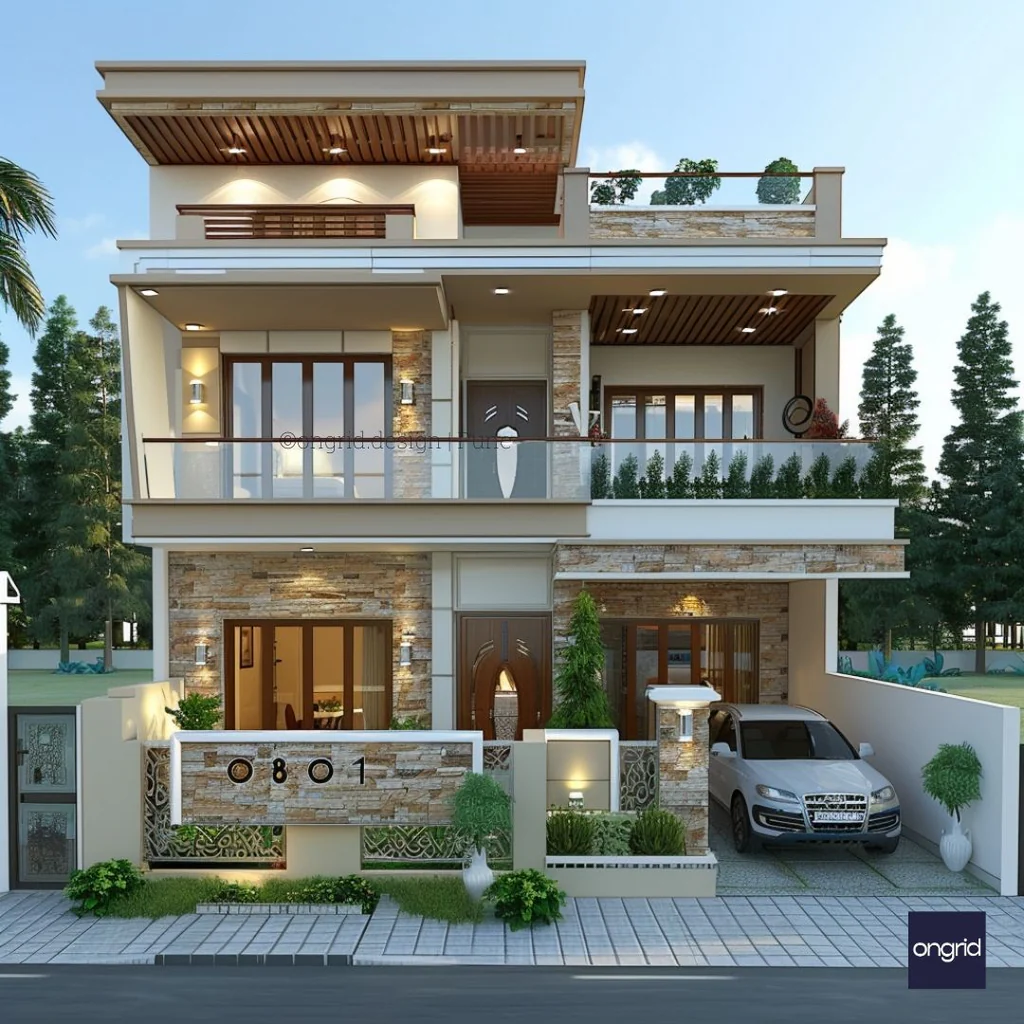
Builder floors—low-rise residential buildings where each floor functions as an independent home—are gaining attention in U.S. suburbs as buyers seek more space, privacy, and affordability. Blending elements of single-family homes and small multifamily housing, these properties offer flexible ownership structures and efficient land use. As housing shortages persist, builder floors are emerging as a practical option in suburban development.
Understanding the Builder Floor Concept
In many parts of the world, particularly South Asia, builder floors refer to low-rise residential buildings where each floor is sold as a separate housing unit. While the term itself is not widely used in the United States, the concept is increasingly recognizable through duplexes, triplexes, stacked townhomes, and small multifamily homes built on single residential lots.
Each floor or level functions as an independent residence with its own entrance, kitchen, and living space. Unlike large apartment complexes, builder floors typically contain two to four units within a small building footprint, offering a hybrid living arrangement between a standalone house and a traditional apartment building.
The growing interest in this type of housing reflects broader shifts in the U.S. housing market. Suburban communities are facing increasing demand for housing options that provide more space than apartments but remain more affordable than detached homes.
According to data from the National Association of Home Builders (NAHB), rising construction costs and limited land supply are pushing developers to explore “missing middle housing”—a category that includes duplexes, triplexes, and stacked flats. Builder floors align closely with this category.
Why Builder Floors Are Gaining Attention in U.S. Suburbs
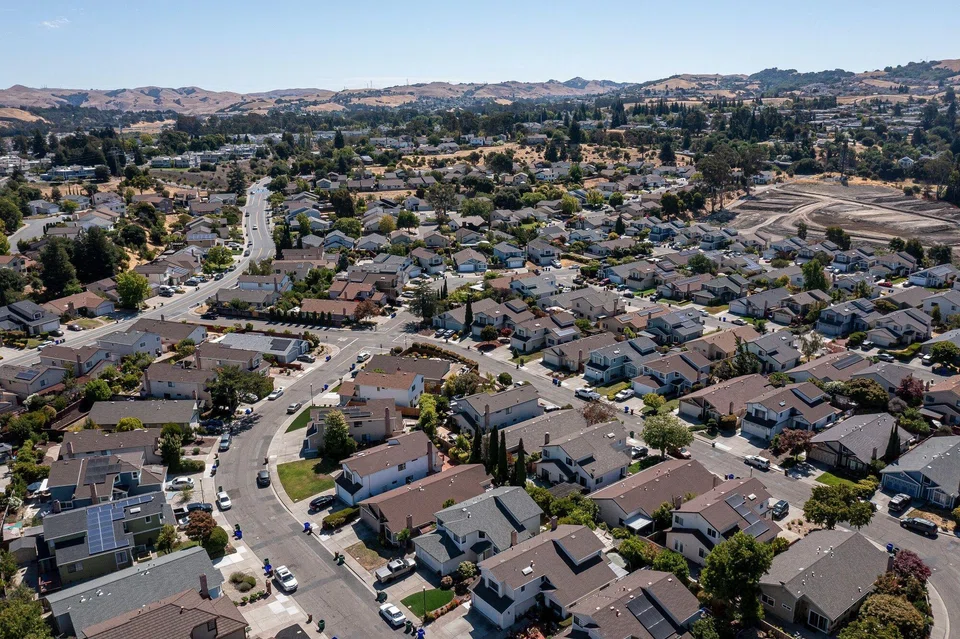
Several economic and lifestyle factors are contributing to the renewed interest in this housing format.
Housing affordability pressures
Median home prices in many U.S. suburbs have risen sharply over the past decade. The Federal Reserve Bank of St. Louis reports that the national median home price surpassed $400,000 in recent years, putting traditional single-family homes out of reach for many buyers.
Builder floors help address this challenge by allowing multiple homes on a single lot, reducing land cost per household.
Demand for space beyond apartments
Many Americans who left city apartments during the pandemic still want:
- More living space
- Private entrances
- Access to suburban neighborhoods
Builder floors offer a middle-ground option—providing larger living areas and lower density than apartment complexes.
Efficient land use in suburban areas
Suburbs traditionally relied on single-family zoning. However, many municipalities are beginning to allow small-scale multifamily development to improve housing supply.
Builder floors fit neatly into this approach because they maintain the visual scale of a house while increasing the number of homes on a property.
Opportunities for multigenerational living
The U.S. is seeing growth in multigenerational households. Pew Research Center estimates that nearly one in five Americans lives in a multigenerational home.
Builder floors can support this arrangement by allowing families to live in the same building while maintaining independent spaces.
How Builder Floors Compare With Traditional Housing
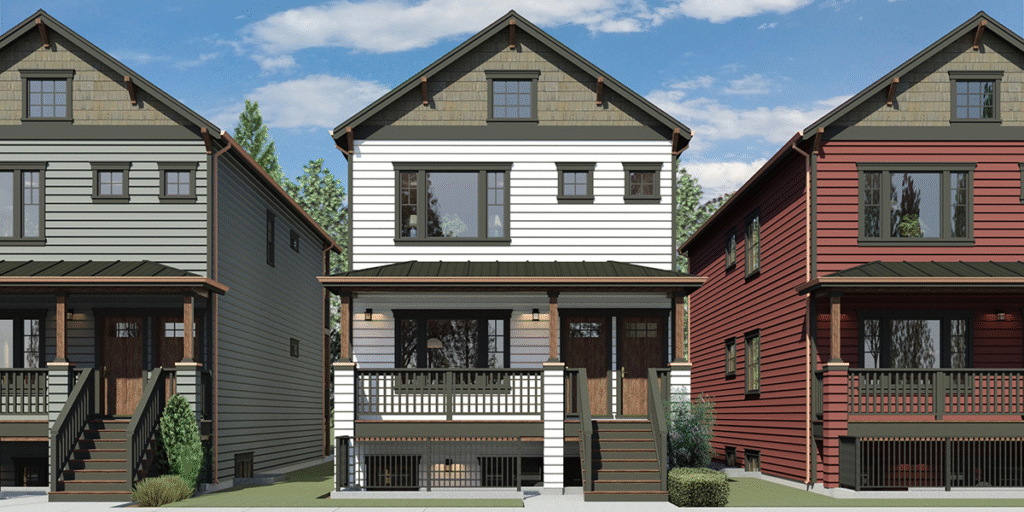
Understanding where builder floors fit in the housing landscape helps clarify their growing appeal.
Compared with apartments
Builder floors typically provide:
- Larger living spaces
- Fewer neighbors
- Private or semi-private entrances
- Lower building density
Compared with single-family homes
They often offer:
- Lower purchase prices
- Reduced maintenance responsibilities
- Shared infrastructure costs
Compared with townhomes
Townhomes are usually attached side-by-side, while builder floors are stacked vertically.
This structural difference can affect factors such as parking layouts, shared utilities, and ownership structures.
Where Builder Floor–Style Housing Is Emerging in the U.S.
While the terminology may differ, similar housing models are appearing in many U.S. metropolitan regions.
California
Cities such as Los Angeles and San Diego are encouraging duplex and small multifamily construction through zoning reforms aimed at increasing housing density.
Texas suburbs
In rapidly growing regions around Dallas, Austin, and Houston, developers are experimenting with stacked townhomes and small residential buildings on suburban lots.
Pacific Northwest
Cities like Portland and Seattle have expanded zoning rules that allow triplexes and fourplexes in neighborhoods previously reserved for single-family homes.
Midwest redevelopment areas
In older suburbs and transitional neighborhoods, builder-floor-style housing is appearing as part of infill development projects.
These projects aim to increase housing supply without dramatically altering neighborhood character.
The Role of Real Estate Developers
Residential developers play a central role in shaping how builder floors evolve in the U.S. market.
Instead of large apartment complexes, developers can build small multifamily homes on single lots, which:
- Reduce construction scale
- Shorten project timelines
- Lower development costs
This approach also allows developers to sell individual units rather than renting them, creating a condominium-style ownership structure.
Many developers are exploring builder floors as part of missing-middle housing strategies, which aim to diversify housing options in suburban neighborhoods.
Design Features Commonly Found in Builder Floors
Architecturally, builder floors often prioritize efficiency while maintaining the appearance of traditional residential homes.
Common features include:
- Separate entrances for each unit
- Independent utility connections
- Shared structural framework
- Private balconies or small outdoor spaces
- Limited shared common areas
Parking arrangements vary depending on local zoning. In some cases, garages or driveways are shared between units, while others allocate separate parking spaces.
Interior layouts often resemble those of small houses, including open kitchens, multiple bedrooms, and dedicated living areas.
Financial Considerations for Buyers
For homebuyers, builder floors can present both advantages and considerations.
Potential benefits
- Lower purchase price compared with detached homes
- Access to suburban neighborhoods with strong schools
- Reduced exterior maintenance in some ownership structures
- Opportunity to live near family members in the same building
Considerations before buying
Buyers should evaluate several factors carefully:
- Homeowners association (HOA) rules
- Shared maintenance responsibilities
- Sound insulation between floors
- Parking arrangements
- Property resale potential
Working with experienced real estate agents and attorneys can help clarify ownership terms and building agreements.
Are Builder Floors a Long-Term Housing Trend?
Many housing analysts believe builder floors represent a practical response to structural housing shortages rather than a temporary trend.
The United States faces a significant housing supply gap. Estimates from the Freddie Mac Housing Research group suggest the country may need millions of additional homes to meet demand.
Low-rise multifamily housing—such as builder floors—offers a way to increase housing supply without requiring large apartment developments.
Urban planners often describe this category as “gentle density,” meaning modest increases in housing units that preserve neighborhood scale.
As suburban communities balance growth with affordability, builder floors may become a more familiar housing option.
Frequently Asked Questions
What is a builder floor home?
A builder floor is a residential building where each floor functions as a separate housing unit with independent ownership or occupancy.
Are builder floors common in the United States?
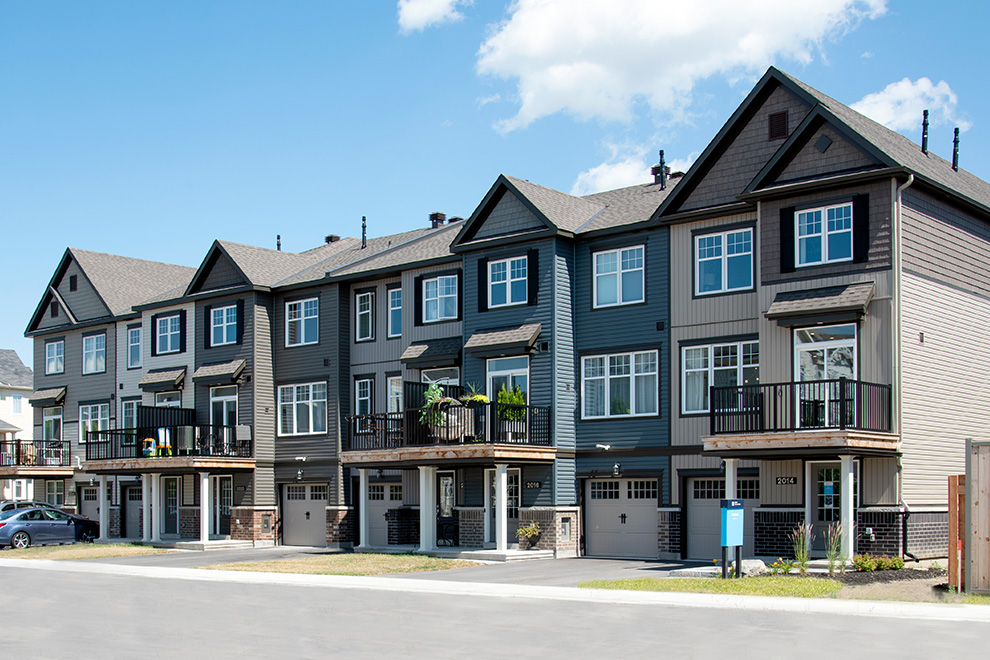
The exact term is uncommon, but similar housing types—such as duplexes, triplexes, and stacked townhomes—are becoming more common in U.S. suburbs.
Are builder floors cheaper than single-family homes?
They are often more affordable because land costs are shared across multiple housing units.
Who typically buys builder floor homes?
First-time buyers, downsizers, and multigenerational families are common buyers.
Do builder floors have homeowners associations?
Many are managed under condominium or HOA agreements, though structures vary by development.
Are builder floors good for investment?
They can be attractive to investors because multiple units may be located within a single property footprint.
How many units are usually in a builder floor building?
Most contain two to four independent units.
Are builder floors allowed in all suburbs?
Local zoning laws determine whether small multifamily buildings are permitted.
Do builder floors offer enough privacy?
They generally provide more privacy than apartments but less than detached homes.
Are builder floors part of the “missing middle housing” concept?
Yes. Builder floors closely align with the missing-middle housing category that planners promote to address housing shortages.
Where Builder Floors May Fit Into the Future of Suburban Housing
The U.S. housing market continues to evolve as population growth, affordability pressures, and changing lifestyles reshape suburban communities.
Builder floors represent a practical middle ground between high-density apartment complexes and traditional single-family homes. They allow suburbs to accommodate more residents while maintaining neighborhood scale.
As zoning policies evolve and developers explore more flexible housing models, builder floors could become a familiar feature of suburban development—quietly expanding housing options without dramatically altering the character of residential neighborhoods.
Key Insights at a Glance
- Builder floors combine features of apartments and single-family homes
- They support more efficient land use in suburban neighborhoods
- Rising home prices are increasing interest in alternative housing formats
- Similar concepts already exist in the U.S. as duplexes, triplexes, and stacked townhomes
- Developers see builder floors as part of missing-middle housing solutions
- Multigenerational households may benefit from this flexible housing style
- Zoning reforms in several states are enabling small multifamily construction
 Robert Weber