

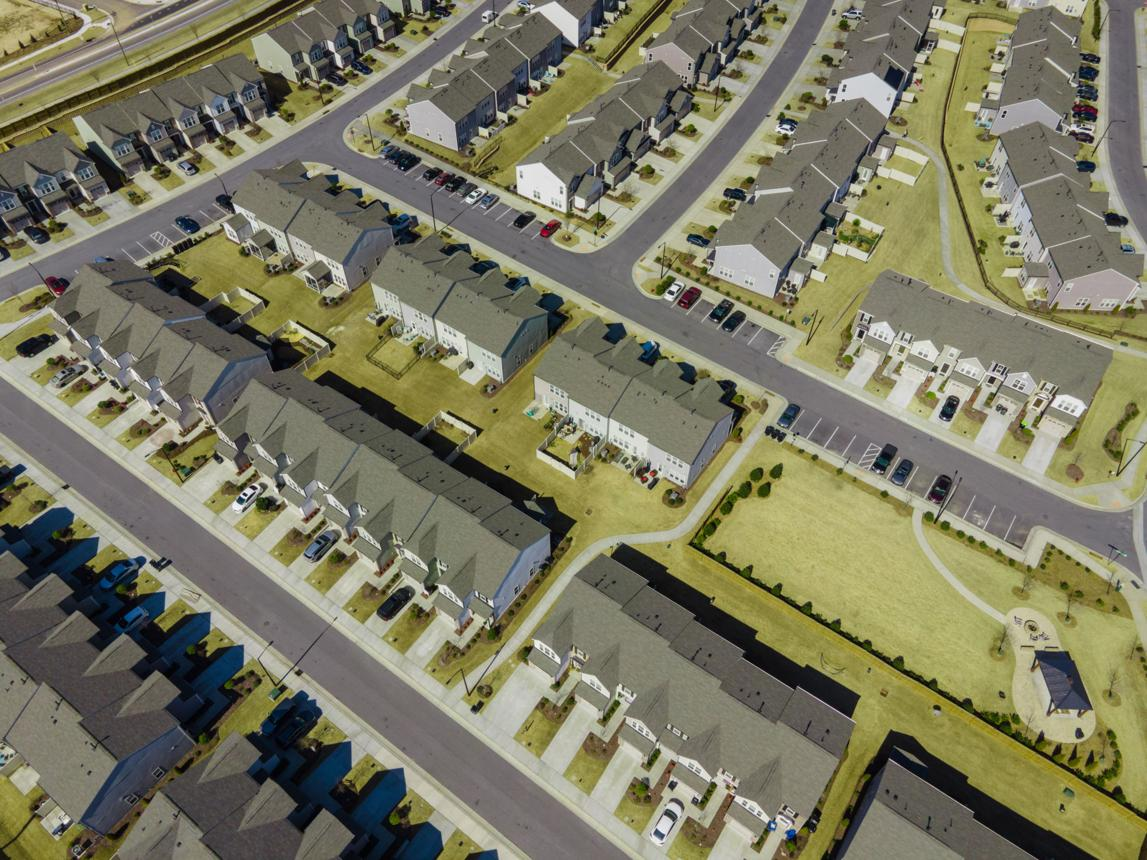
For decades, suburban living followed a predictable formula: larger homes, longer commutes, and family-focused neighborhoods outside major cities. But changing work patterns, housing affordability pressures, demographic shifts, and evolving lifestyle preferences are transforming suburban America in quieter yet significant ways. Across the U.S., communities are adapting through mixed-use development, flexible housing options, infrastructure upgrades, and new economic patterns that are reshaping how people live, work, and invest.
Why Suburbs Are Entering a New Phase of Growth
For much of the 20th century, suburban expansion centered on a relatively simple model. Families moved away from dense urban areas in search of more space, safer neighborhoods, stronger public schools, and homeownership opportunities. That pattern still exists, but the motivations behind suburban migration have become far more complex.
Today’s suburban transformation is being driven by multiple overlapping factors:
- Remote and hybrid work
- Rising urban housing costs
- Population migration toward lower-tax states
- Demand for lifestyle flexibility
- Aging housing inventory
- Multi-generational living arrangements
- Local economic diversification
According to data from the U.S. Census Bureau and the National Association of Realtors, suburban counties around fast-growing metro regions continue to attract both younger families and mid-career professionals seeking more affordable housing and greater living flexibility.
Unlike earlier suburban booms, however, current growth is less uniform. Some suburbs are thriving due to strong infrastructure and economic investment, while others are struggling with aging commercial districts, transportation challenges, and rising housing costs.
The Rise of “Hybrid Suburbs”
One of the most noticeable shifts is the emergence of what many planners call hybrid suburbs — communities designed around both residential life and flexible work arrangements.
Traditional commuter suburbs were heavily dependent on nearby cities for employment. But remote work has reduced the importance of daily commuting for millions of Americans. As a result, suburbs are evolving into more self-contained economic centers.
Instead of purely residential neighborhoods, many suburban communities are now seeing:
- Coworking spaces integrated into retail districts
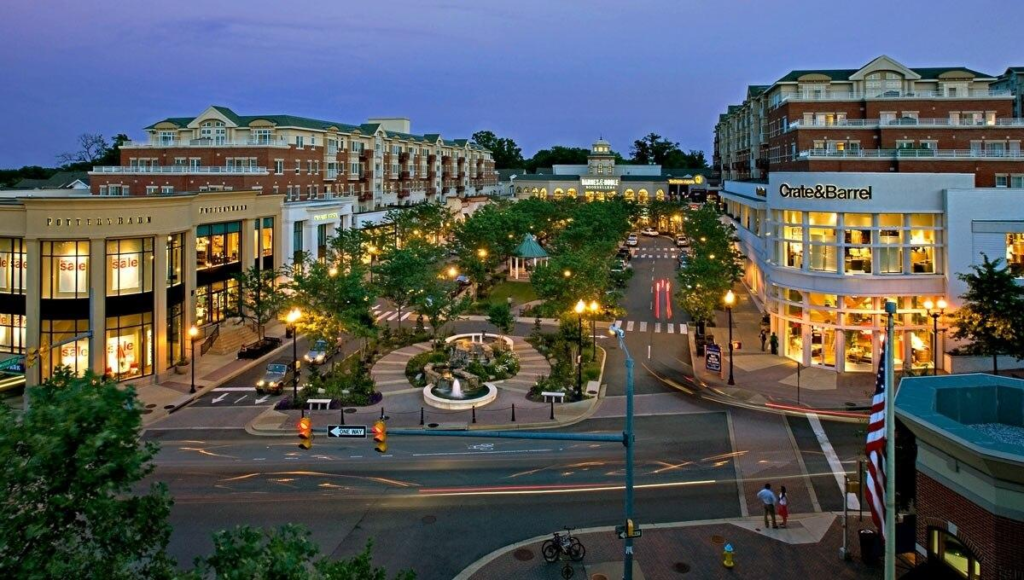
- Redeveloped shopping centers with office and residential units
- Expanded local dining and entertainment options
- Increased investment in broadband infrastructure
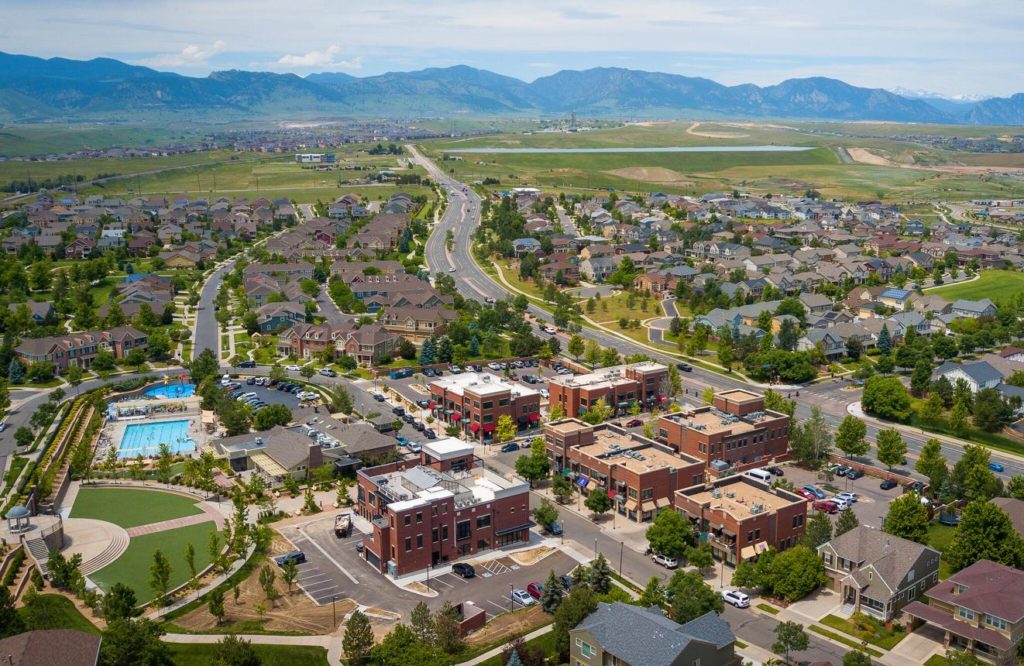
- More walkable mixed-use developments
In areas surrounding cities like Austin, Nashville, and Phoenix, suburban municipalities are actively competing to attract remote workers by improving quality-of-life amenities rather than simply offering lower housing prices.
This trend has also changed consumer behavior. Residents who once spent most weekdays in urban business districts are now spending more time — and money — locally. That shift benefits suburban restaurants, gyms, healthcare providers, and service businesses.
Why Housing Affordability Is Reshaping Suburban Development
Housing affordability remains one of the biggest forces influencing suburban real estate patterns across the country.
In many major metropolitan areas, home prices and mortgage rates have pushed buyers farther from urban cores. This phenomenon, often called “drive until you qualify,” continues to expand development into outer-ring suburbs and smaller adjacent communities.
However, affordability challenges are also changing the types of homes being built.
Instead of exclusively constructing large single-family homes, developers are increasingly introducing:
- Townhome communities
- Build-to-rent neighborhoods
- Smaller-lot housing
- Duplex and triplex developments
- Accessory dwelling units (ADUs)
- Multi-generational floor plans
These options appeal to a broader range of buyers, including:
- First-time homeowners
- Retirees downsizing from larger properties
- Adult children living with parents
- Families managing childcare or eldercare costs
- Remote workers prioritizing affordability
In many suburban areas, local governments are reconsidering zoning restrictions that historically limited density. Communities that once resisted mixed housing formats are now exploring policy changes to address inventory shortages and rising prices.
The Changing Economics of Local Retail Districts
Suburban commercial areas are also undergoing significant transformation.
For years, many suburban shopping centers struggled against e-commerce competition and declining foot traffic. But changing population patterns and remote work have altered local spending habits.
Rather than relying solely on traditional retail anchors, suburban commercial districts are increasingly focused on mixed-use redevelopment.
Former big-box retail sites are being converted into:
- Apartment complexes
- Healthcare facilities
- Entertainment venues
- Medical offices
- Fitness centers
- Community gathering spaces
This approach creates more stable local economies while reducing reliance on single-purpose retail development.
For example, several suburban communities near Dallas and Atlanta have redeveloped aging malls into walkable districts combining residential housing, restaurants, offices, and public green spaces.
These projects are often designed to create stronger community engagement while increasing local tax revenue and property values.
How Infrastructure Investment Is Influencing Suburban Growth
Infrastructure quality is becoming an increasingly important factor in suburban real estate decisions.
Buyers today often prioritize more than square footage alone. Reliable internet access, transportation options, healthcare systems, and utility modernization all influence long-term housing demand.
Communities investing in infrastructure upgrades tend to attract stronger real estate interest because they support long-term livability and economic stability.
Key infrastructure priorities include:
- High-speed broadband expansion
- Road and traffic improvements
- Public transportation connectivity
- Water and energy system modernization
- Parks and recreational facilities
- Electric vehicle charging infrastructure
In many suburbs, infrastructure improvements are also tied to environmental resilience. Flood management systems, wildfire mitigation efforts, and energy-efficient development standards are becoming increasingly important in regions vulnerable to climate-related risks.
Areas failing to modernize infrastructure may face slower growth even if home prices remain comparatively affordable.
Why Younger Buyers Are Redefining Suburban Preferences
Millennials and older members of Generation Z are now major drivers of suburban housing demand, but their preferences often differ from previous generations.
Earlier suburban development prioritized separation between residential, retail, and commercial spaces. Younger buyers frequently prefer communities that blend these functions together.
Walkability, local amenities, and social connectivity have become more important factors in suburban housing decisions.
Many buyers now actively search for neighborhoods offering:
- Shorter drives for daily errands
- Local coffee shops and restaurants
- Access to trails and parks
- Community events and public gathering spaces
- Flexible housing layouts for remote work
- Nearby childcare and healthcare access
As a result, suburban planners are increasingly focused on “15-minute community” concepts where essential services are accessible within short driving, biking, or walking distances.
This does not mean suburbs are becoming urban centers. Rather, they are evolving toward more balanced community structures that combine space with convenience.
The Growing Demand for Multi-Generational Housing
Another major suburban trend is the rise of multi-generational living arrangements.
Economic pressures, caregiving responsibilities, and cultural preferences are leading more families to share housing across generations.
Developers are responding with homes that include:
- Separate guest suites
- Dual primary bedrooms
- Private entrances
- Detached backyard units
- Flexible bonus rooms
- Expanded kitchen and living areas
This trend is especially visible in states experiencing strong population growth, including Florida, Texas, and North Carolina.
For many families, multi-generational housing offers both financial and practical advantages. Shared housing costs, childcare support, and eldercare coordination can reduce overall household expenses while improving long-term family stability.
What Happens to Older Suburbs?
Not all suburban communities are growing at the same pace.
Many first-generation suburbs built in the 1950s through 1980s are facing new challenges:
- Aging infrastructure
- Declining retail corridors
- Limited housing diversity
- School enrollment shifts
- Rising maintenance costs
Some communities are addressing these issues through redevelopment initiatives designed to modernize older neighborhoods without completely replacing their character.
Common revitalization strategies include:
- Updating zoning rules
- Redeveloping outdated commercial properties
- Improving public spaces
- Encouraging mixed-income housing
- Expanding transit connectivity
Communities that successfully adapt often become attractive alternatives to both expensive urban centers and rapidly expanding outer suburbs.
How Climate and Insurance Costs Are Affecting Suburban Decisions
Climate-related concerns are increasingly influencing suburban housing markets across the United States.
Insurance premiums have risen sharply in some regions due to wildfire, flood, hurricane, and severe weather risks. Buyers are paying closer attention to long-term environmental costs alongside mortgage payments.
In certain suburban markets, climate resilience is becoming a competitive advantage.
Homebuyers increasingly evaluate:
- Flood zone exposure
- Utility reliability
- Water availability
- Heat management infrastructure
- Storm preparedness systems
- Local insurance affordability
Suburbs that proactively address environmental risks may experience more stable long-term growth compared to areas struggling with repeated climate-related disruptions.
Why Smaller Cities and Outer Suburbs Are Gaining Attention
Another important shift is the growing popularity of smaller metropolitan areas and outer-ring suburbs.
Cities once considered secondary markets are attracting significant migration due to lower living costs, expanding job opportunities, and improved lifestyle flexibility.
Communities near places like Raleigh, Boise, and Tampa have seen increased interest from both remote workers and relocating families.
This migration pattern is creating opportunities for:
- New residential construction
- Local business expansion
- Infrastructure investment
- Regional healthcare growth
- Educational development
However, rapid growth also creates challenges, including traffic congestion, housing shortages, and rising property taxes.
Communities that manage growth carefully often perform better over the long term than those experiencing uncontrolled expansion.
Frequently Asked Questions
Are suburbs still growing in the United States?
Yes. Many suburban communities continue to grow, particularly around fast-expanding metro areas and smaller regional cities. However, growth patterns vary significantly depending on affordability, infrastructure quality, and local economic conditions.
Why are remote workers moving to suburbs?
Remote and hybrid work arrangements allow many professionals to prioritize larger homes, lower living costs, and lifestyle flexibility without requiring daily commuting into city centers.
What is mixed-use suburban development?
Mixed-use development combines residential housing, retail, office space, dining, and entertainment within the same community or district to create more walkable and economically diverse neighborhoods.
Are suburban home prices still increasing?
In many markets, prices remain elevated due to limited inventory and ongoing demand. However, price growth has slowed in some areas because of higher mortgage rates and affordability pressures.
What are build-to-rent communities?
Build-to-rent developments are neighborhoods specifically designed for long-term renters rather than homebuyers. These communities often include amenities similar to traditional suburban subdivisions.
Why are malls being redeveloped into housing projects?
Many older malls experienced declining retail demand. Redevelopment allows communities to repurpose large commercial properties into mixed-use districts that better reflect current economic and housing needs.
What suburban features do younger buyers prioritize?
Younger buyers often prioritize walkability, flexible home layouts, broadband access, nearby amenities, parks, and shorter travel times for everyday activities.
How does climate change affect suburban real estate?
Climate risks can influence insurance costs, infrastructure investment, property values, and long-term housing demand in vulnerable regions.
Are multi-generational homes becoming more common?
Yes. Rising housing costs and caregiving needs are increasing demand for homes designed to accommodate multiple generations under one roof.
Which suburban markets are seeing the strongest demand?
Suburbs near growing employment hubs, lower-tax states, and affordable secondary cities continue to attract strong buyer interest.
Communities Adapting to a Different American Lifestyle
The suburban model that defined much of modern American housing is gradually evolving into something more flexible and economically diverse. Today’s suburbs are no longer simply residential extensions of major cities. Increasingly, they function as independent lifestyle centers shaped by changing work habits, affordability pressures, demographic shifts, and infrastructure investment.
For buyers, investors, and local policymakers, understanding these quieter long-term trends may matter more than short-term market headlines. Communities that successfully balance housing diversity, economic resilience, infrastructure modernization, and quality of life are likely to remain competitive as suburban America continues to evolve.
Signals Worth Watching Over the Next Decade
- Expansion of mixed-use suburban districts
- Increased adoption of flexible zoning policies
- Growth of multi-generational housing demand
- Redevelopment of aging commercial properties
- Rising climate-related insurance considerations
- Greater emphasis on broadband and infrastructure quality
- Continued migration toward secondary metro regions
- Increasing demand for walkable suburban amenities