

Summary
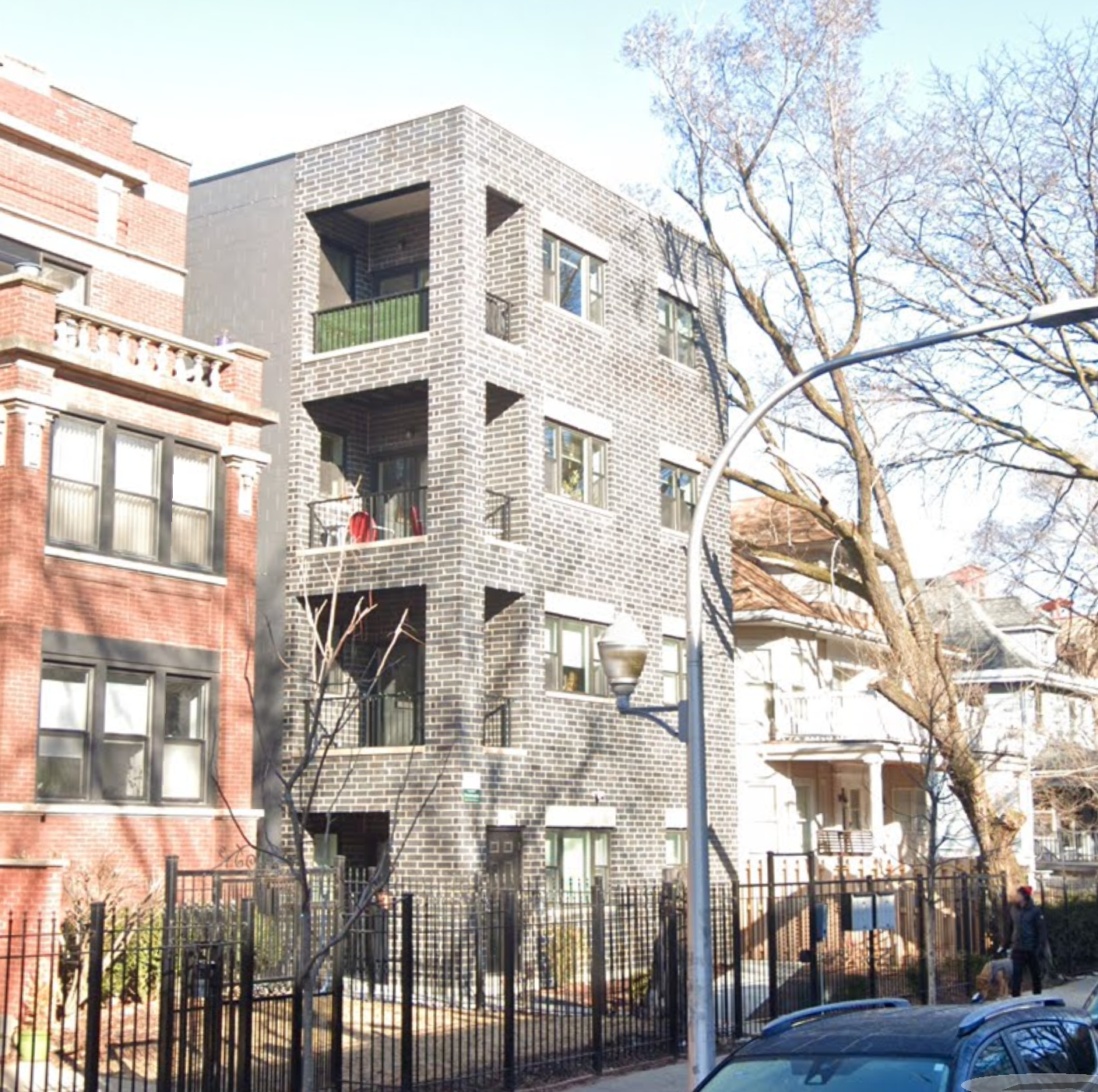
Studio apartments are gaining popularity across major U.S. cities as housing costs rise and lifestyles shift toward simplicity and flexibility. Once viewed as temporary starter homes, studios now appeal to professionals, students, and downsizers alike. With efficient layouts, lower rent, and prime locations, studio living reflects a broader trend toward compact urban housing in America’s most competitive markets.
The Quiet Rise of Studio Living in American Cities
In many major U.S. cities, studio apartments have moved from niche housing to mainstream urban living. Rising housing costs, shifting work patterns, and changing lifestyle priorities are driving a renewed interest in smaller spaces that prioritize efficiency over square footage.
A studio apartment is typically defined as a single main room that combines living, sleeping, and kitchen areas, with a separate bathroom. While this layout was once associated mainly with students or early-career renters, studios now attract a much broader demographic.
Across cities like New York, San Francisco, Seattle, Boston, and Washington, D.C., demand for studio units has steadily increased. According to rental market data from firms such as Zillow and Apartment List, studios often rent faster than larger units in dense urban areas because they offer the lowest entry point into high-cost neighborhoods.
For many residents, the appeal is simple: location and affordability. A studio apartment in a walkable downtown area often costs significantly less than a one-bedroom in the same building. That difference can translate into hundreds or even thousands of dollars saved each month.
Urban housing experts increasingly see studios not as a compromise, but as a practical housing solution aligned with modern city life.
Why Studios Are Becoming More Popular
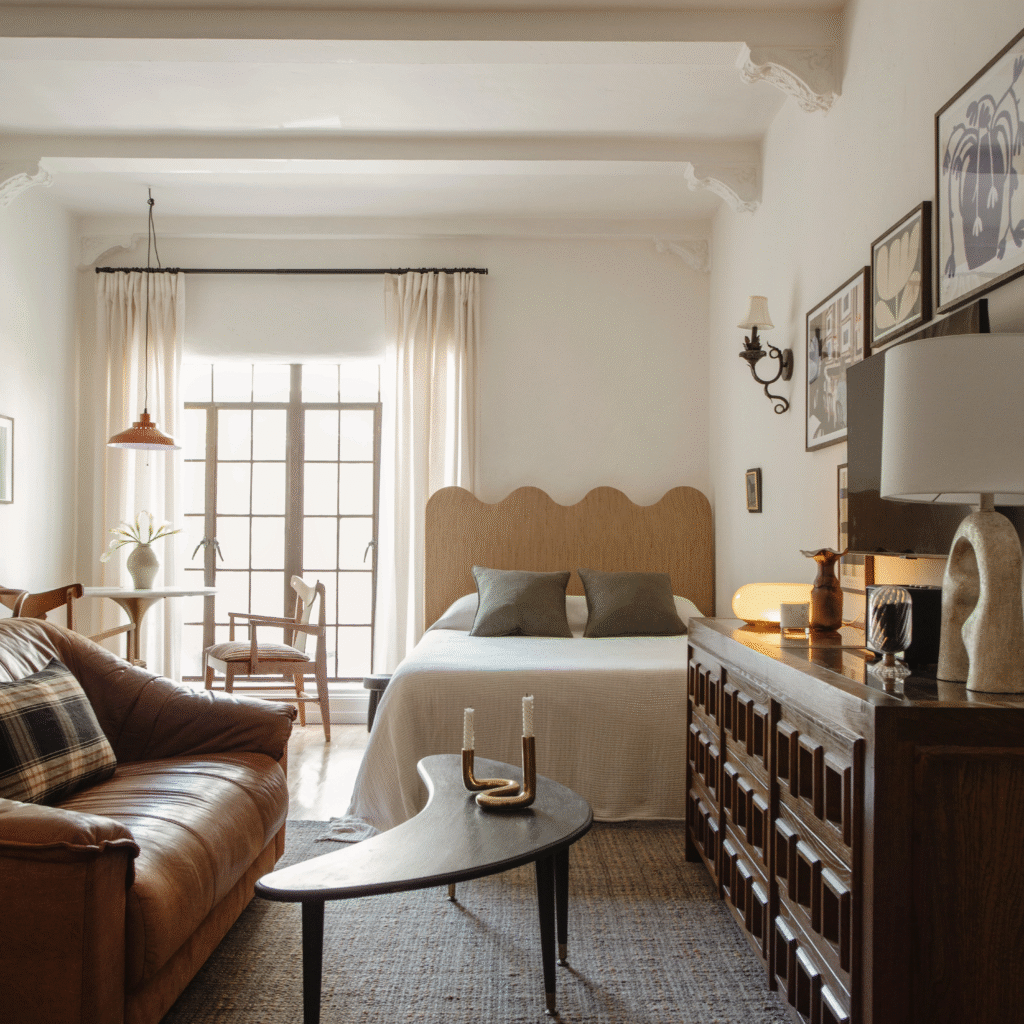
The growing popularity of studio apartments reflects several overlapping trends in American housing and lifestyle preferences.
1. Rising Urban Housing Costs
Rent in many U.S. metropolitan areas has increased substantially over the past decade. Even with fluctuations during the pandemic years, housing affordability remains a major concern for renters.
In cities like New York or San Francisco, the price difference between studios and one-bedroom apartments can exceed $700–$1,000 per month. For renters trying to balance housing costs with student loans, transportation expenses, or savings goals, studios often represent the most realistic option.
2. Changing Household Sizes
The U.S. Census Bureau reports that single-person households now represent roughly 28% of all U.S. households, a record high. As more Americans live alone—whether by choice or circumstance—the demand for smaller living spaces naturally increases.
Studio apartments fit well with these demographic changes.
3. Location Over Space
Younger professionals and many urban renters prioritize location over square footage. Living close to work, public transit, restaurants, parks, and cultural amenities often matters more than having multiple rooms.
For example:
- A marketing professional in Chicago may choose a 450-square-foot studio in the Loop instead of a larger apartment in the suburbs.
- A software engineer in Seattle might opt for a studio within walking distance of tech offices rather than commuting from farther neighborhoods.
4. Simpler Lifestyles
Minimalist living has influenced housing decisions in recent years. Some renters deliberately choose smaller homes because they encourage:
- Lower monthly costs
- Less clutter
- Reduced utility bills
- Easier cleaning and maintenance
In practice, studio living can support a simpler, more manageable daily routine.
What a Typical Urban Studio Apartment Looks Like
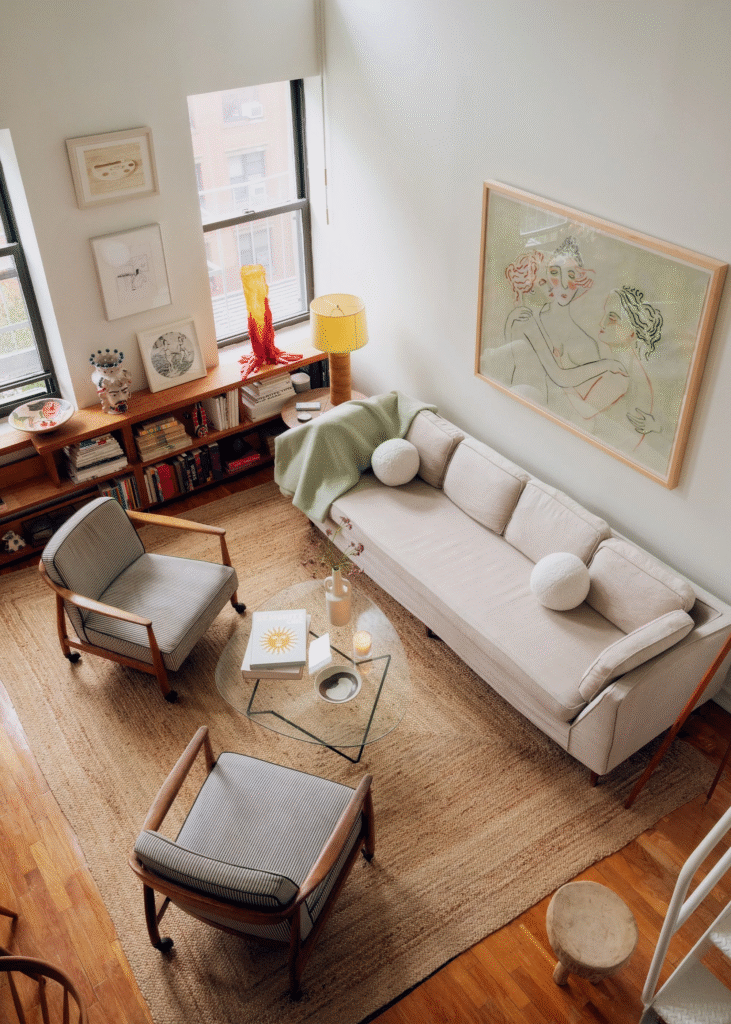
Studio apartments vary widely depending on the building age, city, and price point. However, most share several common design characteristics.
A typical studio ranges from 350 to 600 square feet, though micro-units in some cities can be as small as 250 square feet.
Key features often include:
- A combined living and sleeping area
- A compact kitchen or kitchenette
- A separate bathroom
- Closet storage
- Large windows to maximize light
In newer developments, studios may also include modern amenities such as in-unit laundry, built-in storage systems, and multi-purpose furniture.
Older urban buildings often feature studios with unique layouts, high ceilings, or alcoves that help visually separate the sleeping area from the rest of the room.
Smart Design Strategies That Make Small Spaces Work
Living comfortably in a studio apartment often depends on thoughtful design choices. Many residents use practical layout strategies to create functional zones within a single room.
Some of the most effective approaches include:
- Room dividers or shelving units to separate sleeping and living areas
- Murphy beds or sofa beds that fold away during the day
- Vertical storage using tall shelves or wall-mounted cabinets
- Multipurpose furniture like storage ottomans or expandable tables
- Area rugs to visually define different zones within the room
For example, a renter might place a bookshelf between the bed and couch to create the feeling of two separate spaces. Others use folding desks to transform part of the room into a temporary home office.
Interior designers increasingly specialize in small-space solutions tailored specifically for studio apartments.
Who Is Choosing Studio Apartments Today?
The demographics of studio renters have expanded significantly over the past decade.
Young Professionals
Early-career workers often choose studios because they provide independence without the higher rent of larger apartments. Living alone can also simplify scheduling and lifestyle routines.
Remote and Hybrid Workers
With remote work becoming more common, some professionals prioritize location and walkability over apartment size. Coffee shops, coworking spaces, and libraries often supplement their workspace needs.
Students and Graduate Researchers
Studios remain popular among graduate students who prefer quiet, private living spaces compared with shared housing.
Downsizing Urban Residents
Empty nesters and retirees moving into cities sometimes choose studio apartments to reduce maintenance responsibilities and housing costs.
Temporary City Residents
Consultants, travel nurses, and short-term professionals often rent studios because they provide a self-contained living space without the complexity of larger leases.
Financial Considerations: Are Studios Actually Cheaper?
While studios are generally the least expensive apartment type, the cost difference varies depending on the city.
In some markets, the price gap between studios and one-bedroom units is modest. In others, it can be substantial.
Typical financial advantages include:
- Lower monthly rent
- Reduced utility costs
- Smaller furniture needs
- Lower cleaning and maintenance expenses
However, there are also trade-offs.
For example, some renters discover that the price difference between a studio and a one-bedroom is small enough that the extra space becomes worthwhile. In other markets, studios offer meaningful savings that make urban living financially sustainable.
Housing experts recommend comparing cost per square foot, neighborhood amenities, and commute savings rather than focusing on rent alone.
Challenges of Studio Living
Despite their growing popularity, studio apartments are not ideal for everyone.
The most common challenges include limited privacy, reduced storage, and fewer opportunities to separate work and relaxation areas.
Couples sometimes find studio layouts difficult for long-term living unless the space is unusually large. Entertaining guests can also require careful planning.
Common challenges include:
- Minimal closet space
- Lack of distinct rooms
- Limited storage for hobbies or equipment
- Noise concerns in dense urban buildings
- Difficulty hosting overnight guests
That said, many residents adapt quickly once they establish routines that suit small-space living.
The Role of Micro-Apartments and New Urban Housing Trends
In response to housing shortages, some developers have begun building micro-apartment communities specifically designed for compact urban living.
These units are often smaller than traditional studios but compensate with shared amenities such as:
- coworking lounges
- rooftop terraces
- shared kitchens or dining areas
- fitness centers
- package storage rooms
Cities such as Seattle, New York, and Boston have experimented with zoning changes to allow these smaller units.
While micro-apartments remain controversial in some housing debates, they illustrate how urban housing markets are adapting to affordability challenges.
Practical Tips for Living Comfortably in a Studio Apartment
Experienced studio residents often develop strategies that make small spaces feel surprisingly functional.
Helpful habits include:
- Decluttering regularly to prevent overcrowding
- Investing in quality multipurpose furniture
- Using wall space for storage and décor
- Keeping a consistent cleaning routine
- Maximizing natural light with minimal window coverings
Many people also find that studio living encourages more time spent outside the home—exploring neighborhoods, visiting parks, or working in public spaces.
Over time, the apartment becomes a comfortable home base rather than a space expected to accommodate every activity.
Frequently Asked Questions
Are studio apartments cheaper than one-bedroom apartments?
In most cities, yes. Studios typically have lower monthly rent because they require less space and fewer building resources. However, the price difference varies by location.
How big is a typical studio apartment?
Most studios range between 350 and 600 square feet, though micro-apartments can be smaller and luxury studios may exceed 700 square feet.
Can two people live in a studio apartment?
Yes, though comfort depends on the size of the unit and the lifestyle of the occupants. Larger studios or those with alcoves are better suited for couples.
Do studio apartments have full kitchens?
Some do, while others feature compact kitchens or kitchenettes with smaller appliances. Newer buildings often provide full-sized kitchens even in studio layouts.
Are studio apartments good for remote work?
They can work well with proper organization, especially if the layout allows space for a small desk or dedicated work area.
What cities have the most studio apartments?
Large urban centers such as New York, San Francisco, Seattle, Chicago, Boston, and Washington, D.C., have some of the highest concentrations.
Is it harder to decorate a studio apartment?
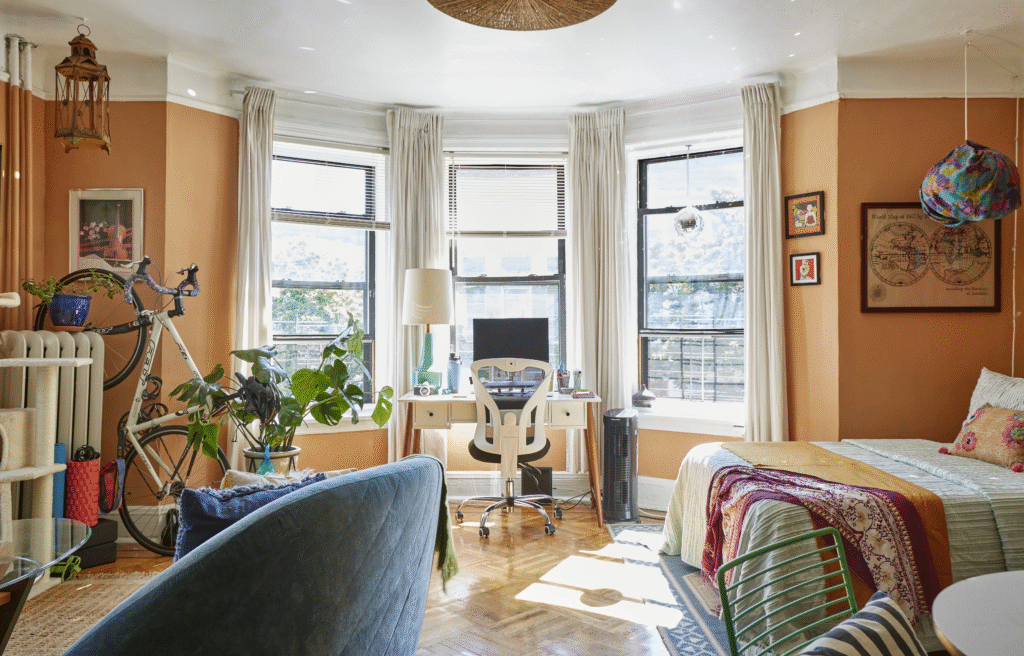
Not necessarily. Many interior designers specialize in small-space layouts, and creative furniture solutions make studios easier to decorate than many people expect.
Do studio apartments hold their rental value?
In competitive urban markets, studios often maintain strong demand because they remain the most affordable entry point for renters.
What is the difference between a studio and an efficiency apartment?
The terms are sometimes used interchangeably, though efficiency apartments may have slightly smaller kitchens or more compact layouts.
Are studio apartments good long-term housing?
For many individuals, yes. Some residents live comfortably in studios for years, especially in cities where outdoor amenities and neighborhood access compensate for smaller living spaces.
The Evolving Role of Small Homes in American Cities
Studio apartments illustrate a broader shift in how urban housing is designed and used in the United States. As cities grow denser and housing affordability remains a challenge, smaller units are becoming a practical solution for many renters.
Rather than representing a temporary stage of life, studios increasingly function as a deliberate lifestyle choice. They allow residents to live independently, access vibrant neighborhoods, and manage housing costs in markets where space is expensive.
For urban planners, developers, and renters alike, studio apartments are likely to remain an important part of the housing conversation in America’s fastest-growing cities.
Key Insights at a Glance
- Studio apartments are gaining popularity in major U.S. cities
- Rising housing costs are driving demand for smaller units
- Single-person households are at historic highs
- Studios typically range from 350–600 square feet
- Smart furniture and layout strategies improve functionality
- Many renters prioritize location over apartment size
- Micro-apartment developments are expanding in some markets
- Studio living often encourages minimalist lifestyles
 Robert Weber