

Summary
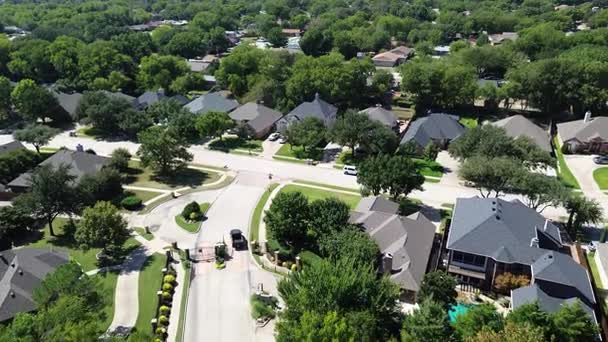
Gated community homes continue to attract American homebuyers seeking security, privacy, and lifestyle amenities. Controlled access, neighborhood management, and shared facilities such as parks, pools, and fitness centers often shape purchasing decisions as much as the homes themselves. Understanding how these features influence property value, daily living, and long-term resale potential helps buyers determine whether gated communities align with their needs and priorities.
Understanding the Appeal of Gated Communities
Across many parts of the United States—from suburban master-planned developments in Arizona and Texas to smaller residential enclaves in California and Florida—gated communities have become a familiar housing option. These neighborhoods use controlled entry points, private streets, and shared amenities to create a distinct living environment.
For many buyers, the appeal extends beyond the home itself. Purchasing a property inside a gated community often means investing in a specific lifestyle: one shaped by neighborhood management, shared recreational spaces, and an added layer of access control.
According to housing market analyses from the National Association of Realtors (NAR) and various regional real estate studies, buyers increasingly evaluate the surrounding community infrastructure when making decisions. Security features, maintenance standards, and amenities can influence both perceived quality of life and long-term property value.
In practical terms, buyers considering a gated community are not just choosing a house—they are selecting a residential ecosystem.
Security: The Primary Driver for Many Buyers
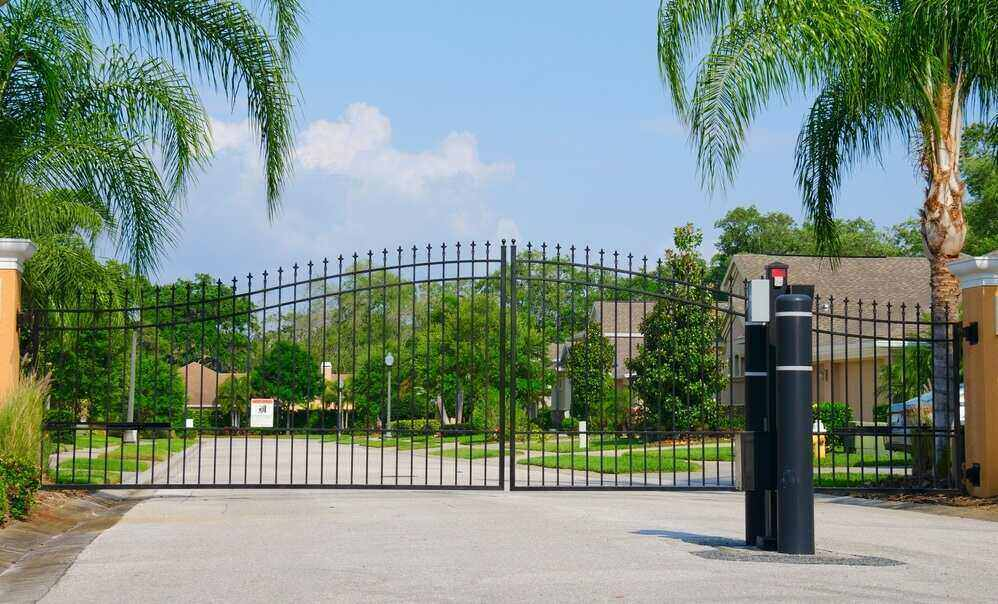
Security is often the first factor buyers mention when discussing gated communities. While gates do not eliminate crime entirely, they introduce multiple deterrents that many homeowners find reassuring.
Controlled access is the most visible feature. Residents typically enter using key cards, security codes, or license plate recognition systems. Visitors often check in through call boxes or staffed security booths.
These measures serve several purposes:
- Limit casual traffic through residential streets
- Reduce opportunistic property crime
- Create a sense of privacy for residents
- Allow security personnel or digital systems to track entry
Some larger communities go further by employing security patrols, surveillance cameras, and neighborhood monitoring systems.
Research published by the Urban Institute and housing policy groups suggests that communities with restricted access often experience lower rates of certain property crimes, particularly theft from vehicles and opportunistic trespassing.
However, experts emphasize that security in gated communities is best understood as risk reduction rather than complete protection.
Real-World Example
Consider a suburban development outside Dallas with roughly 600 homes. The community includes two gated entrances, overnight patrols, and monitored cameras.
Residents frequently cite two advantages:
- Reduced late-night traffic compared with nearby open neighborhoods
- Greater awareness of unfamiliar vehicles entering the community
While these measures do not replace personal security practices, they create an environment many buyers perceive as safer.
Privacy and Reduced Traffic
Another practical advantage of gated communities is the reduction of through traffic.
In typical suburban neighborhoods, public streets allow drivers to cut through residential areas to reach nearby roads. Gated developments prevent this by limiting access to residents and approved guests.
The result is often:
- Quieter streets
- Fewer unknown vehicles
- More pedestrian-friendly environments
Parents frequently cite this feature when raising children. Streets inside gated communities tend to feel more predictable and manageable for outdoor play, biking, and walking.
This dynamic can also contribute to stronger neighborhood familiarity. Residents are more likely to recognize their neighbors and regular visitors because fewer outsiders pass through the area.

Amenities That Shape Daily Living
Amenities play an equally important role in buyer decisions. In many developments, the amenities rival those found in private clubs.
These shared facilities help create a lifestyle that extends beyond the individual home.
Common amenities in gated communities include:
- Resort-style swimming pools
- Fitness centers and yoga studios
- Walking trails and green spaces
- Tennis or pickleball courts
- Clubhouses for events and gatherings
- Community playgrounds
- Dog parks
- Golf courses in larger developments
The presence of these amenities allows residents to access recreation without leaving the neighborhood.
Lifestyle Impact
For busy professionals or families, the convenience of nearby amenities can influence daily routines. Instead of commuting to a gym across town, residents may walk to a community fitness center. Social events held at clubhouses can also foster connections among neighbors.
Many buyers consider this built-in lifestyle infrastructure a major advantage compared with traditional neighborhoods.
How Amenities Affect Property Value
Amenities do more than enhance convenience—they can also influence real estate values.
Real estate analysts often observe that homes located near desirable amenities within a community can command price premiums. For example:
- Homes near walking trails or parks often sell faster
- Properties adjacent to golf courses or lakes may carry higher price tags
- Houses within short walking distance of community centers may attract more buyers
According to housing research published by the Urban Land Institute, thoughtfully designed amenities can improve long-term neighborhood desirability when properly maintained.
However, the value depends heavily on management quality. Amenities that deteriorate or fall into disrepair can negatively affect property perception.
The Role of Homeowners Associations (HOAs)
Most gated communities operate under a Homeowners Association (HOA). The HOA manages the shared spaces and enforces community standards.
HOAs typically handle:
- Maintenance of private roads
- Landscaping and green space upkeep
- Security infrastructure
- Pool and clubhouse operations
- Community rules and architectural standards
Residents pay monthly or quarterly HOA fees to support these services.
These fees can vary widely depending on the scale of amenities and security. Smaller gated neighborhoods may charge a few hundred dollars annually, while large master-planned communities with golf courses or private security can exceed several hundred dollars per month.
Why HOAs Matter to Buyers
A well-managed HOA can help maintain property values by ensuring consistent neighborhood upkeep. However, buyers should carefully review HOA rules before purchasing.
Key questions include:
- What are the monthly or annual fees?
- Are there restrictions on exterior home modifications?
- Are short-term rentals allowed?
- How are community decisions made?
Understanding these factors helps buyers avoid surprises after moving in.
Who Typically Buys Homes in Gated Communities?
Gated communities attract a broad mix of buyers, though certain groups show particularly strong interest.
Common buyer profiles include:
- Families with children seeking controlled traffic and neighborhood amenities
- Retirees looking for low-maintenance living and social environments
- Professionals who value privacy and structured community management
- Luxury buyers drawn to exclusive developments with high-end amenities
Age-restricted gated communities—often designed for residents aged 55 and older—have also grown rapidly in the U.S. housing market.
These communities frequently include recreational programming, golf courses, and wellness facilities tailored to active retirees.
Potential Drawbacks Buyers Should Consider
While gated communities offer many advantages, they are not ideal for everyone.
Buyers should weigh several practical considerations before purchasing.
HOA Costs
Monthly fees can add significantly to housing expenses. In some communities, these costs rival property tax payments.
Rules and Restrictions
HOAs may regulate:
- Exterior paint colors
- Landscaping choices
- Parking rules
- Rental policies
Some homeowners appreciate these standards because they maintain neighborhood consistency. Others may find them restrictive.
Limited Street Access
Visitors and service providers may need permission to enter, which can occasionally cause inconvenience.
Resale Considerations
While gated communities often maintain strong demand, resale value still depends on local market conditions, school districts, and property maintenance.
Evaluating a Gated Community Before Buying
Experienced real estate professionals often recommend spending time inside the neighborhood before making a decision.
Buyers can gain valuable insight by observing how the community functions day to day.
Important evaluation steps include:
- Visiting at different times of day
- Reviewing HOA documents and budgets
- Speaking with current residents
- Checking long-term maintenance of amenities
- Evaluating the surrounding neighborhood growth
These steps help determine whether the community is well managed and financially stable.
FAQs
Are gated communities safer than regular neighborhoods?
Gated communities often reduce casual traffic and opportunistic crime, but they do not eliminate risk entirely. Security measures work best when combined with personal safety practices.
Do homes in gated communities cost more?
In many markets they do. Buyers often pay a premium for security features, amenities, and neighborhood maintenance.
What are typical HOA fees in gated communities?
Fees vary widely. Some communities charge under $100 per month, while luxury developments may exceed $500 monthly depending on amenities.
Can anyone enter a gated community?
Visitors typically enter through call boxes, security guards, or digital access systems authorized by residents.
Are gated communities good for families?
Many families value reduced traffic, playgrounds, and recreational facilities offered in these neighborhoods.
Do gated communities maintain property values better?
Consistent neighborhood maintenance and amenity upkeep can support property values, though market conditions still play a major role.
Are there different types of gated communities?
Yes. Some are small residential enclaves, while others are large master-planned developments with golf courses, lakes, and resort-style amenities.
Can you rent homes inside gated communities?
It depends on HOA rules. Some communities restrict short-term rentals or impose minimum lease durations.
Do gated communities have private roads?
Many do. Private roads are typically maintained by the HOA using resident fees.
Are gated communities common in the United States?
They have grown steadily since the 1980s and are particularly common in suburban areas of states like Florida, California, Texas, and Arizona.
The Lifestyle Equation Buyers Often Consider
When buyers evaluate gated communities, they are typically weighing a combination of security, convenience, and lifestyle amenities rather than focusing solely on the home itself.
For some households, the controlled access, recreational facilities, and structured neighborhood management provide a level of predictability that improves daily living. For others, HOA fees and community rules may outweigh the benefits.
Understanding how security features and shared amenities affect long-term value—and how they fit personal preferences—helps buyers make thoughtful decisions about whether gated community living aligns with their goals.
Key Insights at a Glance
- Gated communities combine residential housing with controlled access and shared amenities
- Security features often reduce traffic and opportunistic crime
- Amenities such as pools, parks, and fitness centers influence buyer demand
- HOA management plays a critical role in maintaining property value
- Buyers should carefully review HOA rules and fees before purchasing
- The lifestyle environment can be as important as the home itself
 Robert Weber