

Summary
Across the United States, more buyers are considering purchasing residential land and building their own homes rather than buying existing houses. Rising home prices, remote work flexibility, and a desire for customization are fueling this trend. However, building on residential plots involves zoning rules, infrastructure considerations, and financing challenges that potential homeowners must carefully evaluate.
The Growing Interest in Residential Land
In recent years, the idea of purchasing land and building a home from the ground up has moved from a niche strategy to a mainstream consideration for many Americans. While buying an existing house remains the dominant path to homeownership, a noticeable segment of buyers is exploring residential plots as an alternative.
Several economic and lifestyle factors are driving this shift. According to data from the U.S. Census Bureau, new single-family housing starts have fluctuated but remain historically strong compared with earlier decades, particularly after the housing shortages that followed the pandemic years. At the same time, existing home inventory in many markets has stayed relatively tight.
When buyers struggle to find a home that meets their needs—or when bidding wars push prices higher—the option of building begins to look more appealing.
For many households, building a home is no longer viewed solely as a luxury choice. Instead, it is increasingly framed as a practical solution to three common challenges:
- Limited housing inventory in desirable areas
- A desire for customized layouts and energy efficiency
- The ability to relocate further from urban centers due to remote work
As a result, interest in residential land listings—especially in suburban and semi-rural areas—has grown noticeably over the past few years.
Why Some Buyers Prefer Land Over Existing Homes
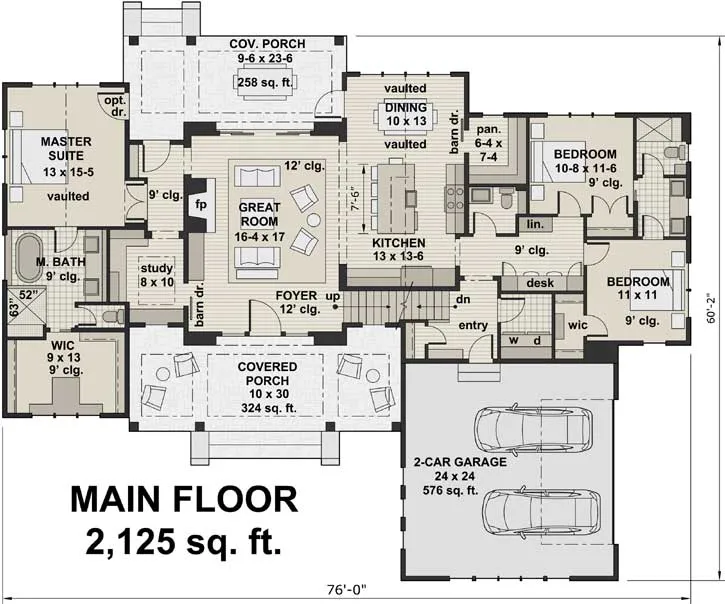
The appeal of residential plots is often rooted in control and flexibility. Buying an existing home means accepting previous design decisions. Building from scratch allows homeowners to tailor the property to their needs.
This level of customization can affect everything from floor plans to sustainability features.
For example, many new homeowners are prioritizing energy efficiency. Building a home today allows owners to incorporate modern insulation, solar readiness, high-efficiency HVAC systems, and smart home infrastructure—features that can be costly to retrofit into older homes.
Customization also extends to lifestyle preferences. Families who work from home may want multiple office spaces, larger outdoor areas, or flexible multi-use rooms. These needs are easier to design during construction than to retrofit later.
Another factor is land value relative to housing prices. In certain regions—particularly parts of the Midwest, Mountain West, and Southeast—buyers can purchase a residential plot and build a modest home for roughly the same price as buying an existing property in high-demand urban markets.
However, this approach requires patience and planning. The process of building a home often takes 10–18 months from land purchase to completion.
Where Residential Land Demand Is Increasing
Demand for residential plots tends to rise most noticeably in regions where population growth intersects with available land.
Over the past several years, several patterns have emerged across the United States:
Growth Areas for Residential Plots
- Fast-growing suburban counties around major metro areas
- Small cities with expanding job markets
- Rural communities within commuting distance of urban centers
- Vacation or second-home destinations
States such as Texas, Tennessee, North Carolina, and Idaho have seen strong migration inflows, which often leads to higher interest in residential land purchases.
Remote work has played a particularly important role. When commuting becomes less frequent, buyers are more willing to consider properties located 30–60 miles from city centers—areas where residential land is more available and affordable.

The Financial Reality of Building a Home
One common misconception is that building a home is always cheaper than buying an existing one. In reality, the financial comparison is complex.
According to the National Association of Home Builders, the median construction cost of a single-family home in the United States exceeded $400,000 in recent years when factoring in materials, labor, and land.
However, costs vary widely depending on region, lot preparation, and construction choices.
Major cost categories include:
- Land purchase
- Site preparation (grading, drainage, utilities)
- Construction materials and labor
- Permits and inspections
- Architectural and engineering services
- Landscaping and exterior features
In some cases, the cost of preparing land can exceed expectations. For example, a rural plot may require septic installation, well drilling, or road access improvements.
Financing can also be different. Traditional mortgages typically apply only after the home is built. During construction, many buyers rely on construction loans, which convert to standard mortgages once the home is completed.
These loans often require:
- Larger down payments
- Detailed construction plans
- A vetted builder or contractor
Because of these complexities, buyers should budget additional time and contingency funds.
Zoning and Regulations: What Buyers Must Know
Purchasing residential land involves regulatory considerations that many first-time buyers underestimate.
Zoning laws determine how land can be used, the size and height of structures, and the type of housing permitted. For example, some plots allow only single-family homes, while others permit accessory dwelling units (ADUs) or multi-family construction.
Before purchasing land, buyers should verify:
- Zoning classification
- Building setbacks and height limits
- Utility availability
- Flood zone status
- Environmental restrictions
- Road access and easements
Local planning departments typically provide this information.
Failure to verify zoning details can lead to unexpected limitations. For example, a buyer may purchase land intending to build a large home, only to discover restrictions on square footage or lot coverage.
Working with a local real estate professional or land consultant can help identify these issues before closing.
Infrastructure Matters More Than Many Buyers Realize
One of the biggest differences between purchasing a house and purchasing land is infrastructure.
Existing homes typically already have connections to water, electricity, sewage, and roads. Residential plots may not.
Infrastructure considerations can include:
- Municipal water and sewer connections
- Electrical grid access
- Internet availability
- Driveway construction
- Drainage systems
In rural areas, homeowners may need to install septic systems and private wells. These systems can cost several thousand dollars and require permits and inspections.
Internet connectivity has also become an important factor, particularly for remote workers. Some rural plots still lack reliable broadband service.
Because of these factors, buyers should evaluate total development costs—not just the land price.
How the Custom Home Market Is Evolving
The custom home industry has also adapted to rising interest in land ownership.
Many builders now offer semi-custom construction, which combines pre-designed layouts with flexible modifications. This approach allows homeowners to personalize their property while reducing architectural and engineering costs.
Some developers are also offering build-ready lots, which already include infrastructure connections and approved building plans.
This hybrid model sits between buying an existing home and building entirely from scratch.
Buyers may benefit from:
- Shorter construction timelines
- Simplified permitting processes
- Predictable building costs
These developments have helped make the idea of building a home more accessible to middle-income buyers.
Risks and Challenges of Buying Residential Land
While building a home offers advantages, the process also carries risks.
Construction delays are common due to weather, labor shortages, or supply chain disruptions. Material prices—particularly lumber and steel—have experienced volatility in recent years.
There is also the risk of underestimating total costs.
Common challenges include:
- Unexpected site preparation costs
- Contractor scheduling delays
- Permit approval timelines
- Rising construction material prices
Additionally, resale value can be difficult to predict. A highly customized home may appeal strongly to its owner but not necessarily to future buyers.
This is why experienced builders often recommend designing with long-term resale considerations in mind.
Is Building a Home Right for Everyone?
For some buyers, building a home is a rewarding experience that results in a property perfectly suited to their lifestyle.
For others, the time commitment, regulatory complexity, and financial unpredictability make buying an existing home the more practical choice.
Building tends to work best for buyers who:
- Have flexible timelines
- Want specific design features not available in existing homes
- Are comfortable managing complex projects
- Have financial buffers for unexpected costs
On the other hand, buyers who need to move quickly or prefer predictable costs often find existing homes to be a simpler option.
Ultimately, the decision depends on personal priorities rather than a universally “better” path.
FAQ: Residential Plots and Building a Home
1. Is buying land cheaper than buying a house?
Not necessarily. While land may cost less upfront, development costs—utilities, permits, and construction—can significantly increase total expenses.
2. How long does it take to build a house in the U.S.?
Most custom homes take 10–18 months from planning to completion, though timelines vary depending on permitting and construction complexity.
3. Can you get a mortgage for land?
Yes, but land loans often require higher down payments and shorter repayment terms than traditional mortgages.
4. What is a construction loan?
A construction loan finances the building process and typically converts into a standard mortgage once the home is completed.
5. Do all residential plots have utilities?
No. Many plots require installation of wells, septic systems, or utility connections.
6. Is it difficult to get permits to build a house?
Permit processes vary by location but generally require building plans, inspections, and zoning compliance.
7. Can you build a house anywhere if you own the land?
No. Zoning regulations and environmental restrictions determine what can be built on a property.
8. Are custom homes more expensive than existing homes?
Often yes, particularly when including architectural design, site preparation, and premium materials.
9. What should I check before buying residential land?
Zoning laws, utilities, road access, soil conditions, and environmental restrictions.
10. Is residential land a good investment?
It can be, particularly in growing regions, but land investments typically appreciate more slowly than developed real estate.
Looking Ahead: What the Trend May Mean for Future Homebuyers
Interest in residential land reflects broader shifts in how Americans approach homeownership. Limited housing supply, changing work patterns, and evolving lifestyle priorities are encouraging more buyers to explore alternatives to the traditional home purchase.
However, building a home remains a complex process that requires careful research and realistic expectations.
For buyers willing to navigate zoning regulations, construction logistics, and financing challenges, purchasing a residential plot can provide a unique opportunity: creating a home that reflects both personal needs and long-term vision.
Key Insights at a Glance
- Residential land interest is rising due to limited housing inventory.
- Remote work has expanded the geographic range of potential homebuyers.
- Building a home offers customization but requires longer timelines.
- Infrastructure and zoning rules are critical when purchasing land.
- Construction loans differ significantly from traditional mortgages.
- Site preparation costs can significantly affect total budgets.
- Semi-custom home models are making new builds more accessible.
- Building a home requires financial flexibility and planning.
 Robert Weber