

60-Word Summary
Remote work and hybrid schedules have fundamentally changed how Americans use their homes. Urban apartments—once designed primarily for sleeping and commuting—are evolving into multifunctional living and working environments. From built-in office spaces to upgraded connectivity and flexible layouts, apartment developers and renters alike are rethinking design, amenities, and daily routines to support productivity without sacrificing comfort.
In early 2020, millions of Americans began working from home out of necessity. What started as a temporary adjustment quickly evolved into a permanent shift in how people live and work. According to research from Gallup, roughly six in ten U.S. workers with remote-capable jobs now operate in hybrid environments, combining home and office work throughout the week.
This transformation has had a profound effect on housing—especially in cities. Urban apartments, historically optimized for proximity to workplaces and nightlife, are being redesigned to support productivity, privacy, and flexibility. Developers, property managers, and renters are adapting spaces to function as both homes and professional environments.
Today’s urban apartment is no longer just a place to sleep. It is a workspace, meeting room, wellness hub, and living space all in one.
The Rise of the “Work-From-Home Apartment”
Before remote work became widespread, apartment layouts rarely prioritized dedicated work areas. Small studios and one-bedroom units were designed around living rooms, bedrooms, and kitchens—not office desks or Zoom calls.
Hybrid work has changed expectations dramatically.
Apartment renters increasingly prioritize:
- Dedicated workspaces
- Quiet environments for video calls
- Natural lighting for long workdays
- Reliable high-speed internet
- Separation between work and personal life
In response, many new urban apartment buildings now include design features specifically intended for remote professionals.
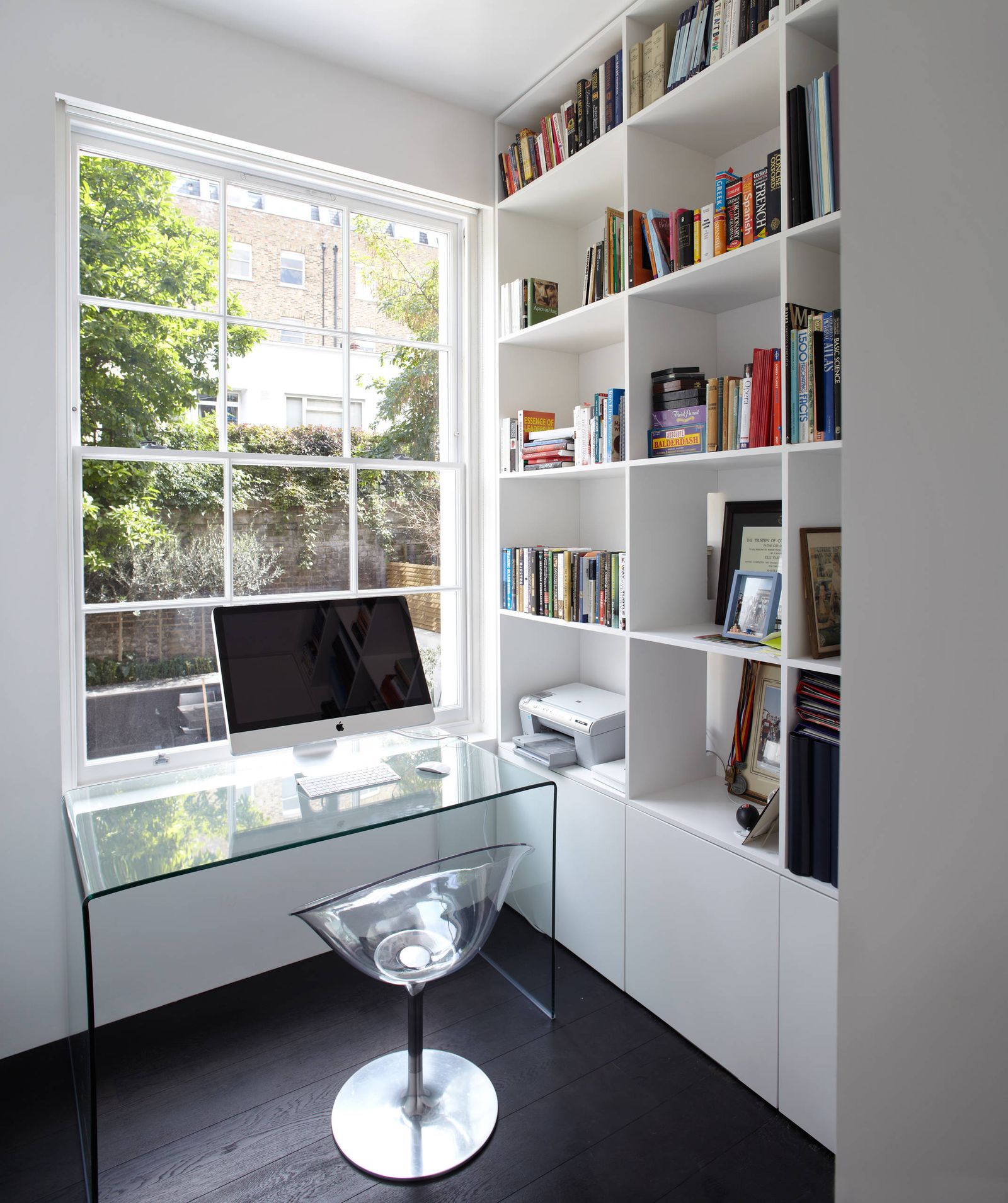
Instead of squeezing a desk into a corner, developers are integrating built-in work nooks, convertible rooms, and sound-insulated spaces.
For example, newer developments in cities like Austin, Denver, and Seattle include micro-offices within units, often carved out of hallway space or near windows to maximize natural light.
These design changes recognize a simple reality: the apartment is now part of the workplace ecosystem.
Rethinking Apartment Layouts for Hybrid Living
Traditional apartment layouts emphasized entertaining and relaxation. Hybrid work has shifted that balance toward flexibility.
Developers are now designing apartments that allow residents to transition smoothly between professional and personal modes throughout the day.
Several architectural strategies are becoming increasingly common.
Flexible Layouts
Movable walls, sliding partitions, and convertible furniture allow spaces to serve multiple functions.
A dining area might double as a workstation during the day, while a Murphy bed or fold-down desk can free up space in smaller apartments.
Built-In Office Niches
Instead of a full home office—which can be difficult in dense urban buildings—designers often create compact work alcoves.
These areas typically include:
- Built-in shelving
- Integrated lighting
- Cable management
- Power outlets for multiple devices
The goal is to create a workspace that feels intentional rather than improvised.
Improved Acoustic Design
Noise has become a major concern for remote workers living in apartment buildings. Thin walls and urban street noise can disrupt video calls and concentration.
Modern apartment developments increasingly include:
- Thicker wall insulation
- Acoustic panels
- Sealed doors
- Sound-absorbing materials
These changes make a noticeable difference during long workdays.
The Emergence of Co-Working Spaces Inside Apartment Buildings
While many residents work from their apartments, others prefer to leave their unit while still avoiding a full commute.
As a result, in-building co-working spaces have become one of the most sought-after apartment amenities in major U.S. cities.
These shared work areas typically include:
- Individual workstations
- Conference rooms
- Soundproof phone booths
- High-speed Wi-Fi
- Printing and office equipment
- Coffee bars and lounges
For many hybrid workers, these spaces provide the best of both worlds: professional environments without commuting to a traditional office.
Property developers report that co-working lounges have become a key differentiator when marketing new buildings.
In some cases, these amenities replace or complement traditional communal areas like business centers or game rooms.
Internet Infrastructure Is Now a Core Apartment Feature
Reliable internet connectivity has always been important—but remote work has made it essential.
A dropped connection during a video meeting can disrupt productivity and create professional stress. As a result, renters increasingly evaluate buildings based on digital infrastructure.
Modern apartment developments are responding by offering:
- Fiber-optic internet
- Multiple broadband provider options
- Whole-building Wi-Fi systems
- Ethernet ports in workspaces
Some luxury buildings now include gigabit internet as part of the rent, recognizing that connectivity is as critical as electricity or water.
According to data from the National Multifamily Housing Council, internet reliability is now one of the top five factors renters consider when choosing an apartment.
Furniture and Interior Design Are Adapting Too
Apartment design changes extend beyond architecture. Furniture choices now play a major role in supporting hybrid lifestyles.
Remote workers often invest in ergonomic setups that make long hours comfortable.
Common interior upgrades include:
- Adjustable standing desks
- Ergonomic office chairs
- Dual-monitor setups
- Cable management systems
- Desk lighting designed for video calls
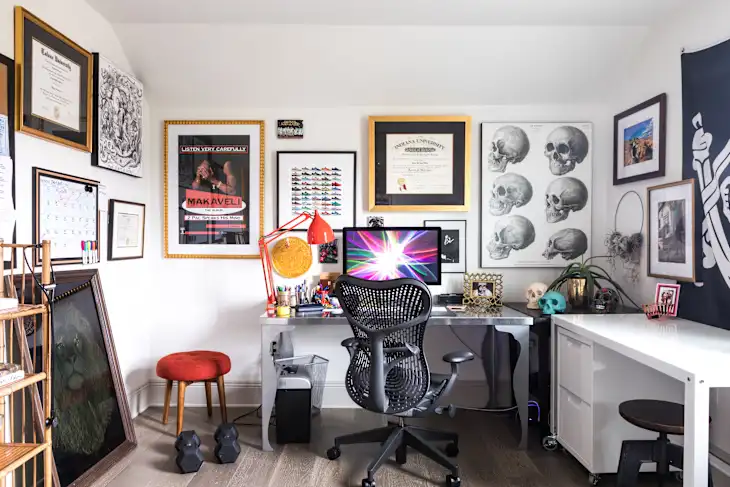
Interior designers working in urban apartments increasingly focus on visual professionalism as well. Background aesthetics matter when meetings happen on camera.
For example:
- Neutral wall colors improve video quality
- Bookshelves and plants create natural backgrounds
- Strategic lighting prevents shadows during calls
These subtle design choices help apartments function as professional environments.
Storage Solutions Are Becoming More Important
Remote work introduces new household items—monitors, printers, office supplies, and cables—that traditional apartment layouts didn’t anticipate.
Without proper storage, small apartments can quickly feel cluttered.
Developers and renters are addressing this issue through:
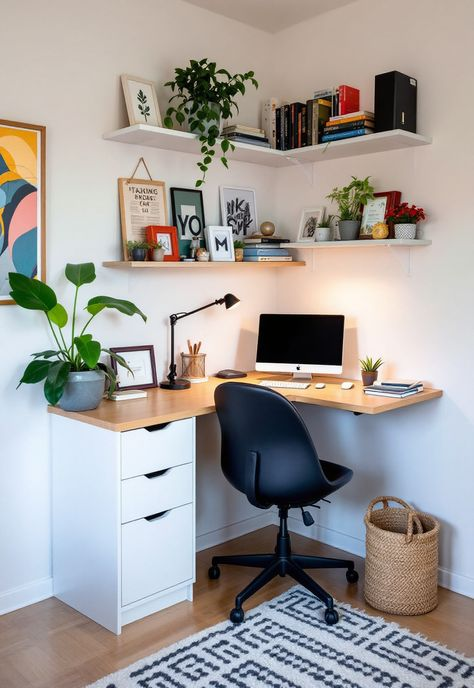
- Built-in cabinetry
- Vertical shelving
- Hidden storage furniture
- Under-desk drawers
- Multipurpose cabinets
Some apartments now include “tech closets” designed specifically for routers, cables, and electronic equipment.
These solutions keep work equipment accessible while maintaining a clean living environment.
Wellness and Work-Life Balance in Urban Apartments
Working from home can blur boundaries between professional and personal life. Urban apartment design is increasingly incorporating wellness features to help residents maintain balance.
These include:
- Rooftop outdoor spaces
- Fitness centers
- Meditation rooms
- Quiet reading lounges
- Green courtyards
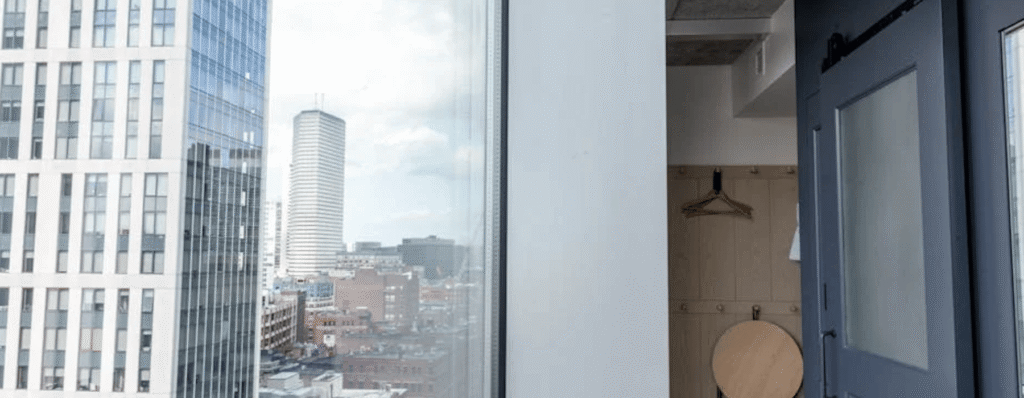
Access to natural light is also a growing design priority.
Research from the Harvard T.H. Chan School of Public Health shows that exposure to daylight can improve sleep quality, mood, and productivity—critical factors for people working indoors for long periods.
Balconies and large windows are therefore becoming highly valued apartment features.
Smart Technology Is Supporting Hybrid Living
Technology is also reshaping how apartments function during remote work.
Smart home devices help residents manage lighting, temperature, and security while maintaining focus during the workday.
Popular smart apartment features include:
- Smart thermostats
- Voice-controlled lighting
- App-based building access
- Smart package lockers
- Automated blinds for glare control
These technologies allow residents to adjust their environment quickly without interrupting work.
For example, automated lighting can reduce screen glare during afternoon meetings, while smart thermostats maintain comfort throughout long work sessions.
What Renters Should Look for in a Remote-Work-Friendly Apartment
For renters navigating today’s housing market, evaluating apartments through a work-from-home lens is essential.
Key factors to consider include:
- Strong internet infrastructure
- Quiet surroundings
- Natural lighting
- Dedicated workspace areas
- In-building co-working amenities
- Adequate storage
- Sound insulation
Even small design details—such as outlet placement or window orientation—can significantly affect daily productivity.
Prospective renters increasingly tour apartments with laptops in mind, not just furniture.
How Hybrid Work Is Reshaping Urban Housing Demand
The shift toward hybrid work is influencing broader housing trends across American cities.
Some professionals have moved to larger apartments or neighborhoods with quieter environments. Others remain in dense urban areas but prioritize buildings with strong work-friendly amenities.
Developers are responding accordingly.
Industry analysts note growing demand for apartments that combine:
- urban convenience
- professional functionality
- lifestyle flexibility
In many cases, hybrid work has strengthened the appeal of well-designed urban apartments rather than weakening it.
Cities remain attractive for culture, networking, and entertainment—but residents now expect their homes to support productivity as well.
Frequently Asked Questions
Why are apartments changing because of remote work?
Remote work means people spend more time at home during working hours, requiring apartments to support productivity, quiet environments, and professional video meetings.
What apartment features help remote workers most?
Dedicated workspaces, strong internet connections, sound insulation, natural lighting, and ergonomic furniture setups are among the most helpful features.
Are co-working spaces common in apartment buildings now?
Yes. Many newer apartment developments include co-working lounges, conference rooms, and private phone booths to support hybrid workers.
Is internet speed important when choosing an apartment?
Absolutely. Reliable high-speed internet is essential for video calls, file transfers, and cloud-based work tools.
How do small apartments support remote work?
Design solutions such as fold-down desks, work alcoves, convertible furniture, and vertical storage help maximize limited space.
Are hybrid work trends affecting apartment prices?
In some markets, apartments with work-friendly amenities may command slightly higher rents due to increased demand.
What lighting works best for remote work at home?
Natural light is ideal. For artificial lighting, soft front-facing desk lamps improve video appearance and reduce eye strain.
Do apartment developers now design units specifically for remote workers?
Yes. Many new developments incorporate office nooks, better acoustics, and enhanced internet infrastructure.
Are balconies useful for remote workers?
Balconies provide fresh air, mental breaks, and occasional outdoor workspace opportunities.
Will remote work continue influencing apartment design?
Most industry analysts expect hybrid work to remain common, meaning apartment design will continue evolving to support home productivity.
Designing Homes That Work as Hard as Their Residents
Urban apartments are undergoing a quiet but meaningful transformation. As work and home life intertwine, design priorities are shifting toward flexibility, connectivity, and comfort.
The most successful apartment environments will be those that allow residents to transition seamlessly between productivity and relaxation—without sacrificing either.
Cities are still places for opportunity and connection. But increasingly, they are also places where the office lives just a few steps from the kitchen.
Key Insights at a Glance
- Remote work has permanently changed how urban apartments are designed
- Built-in office spaces and flexible layouts are becoming standard
- Reliable internet infrastructure is now a top priority for renters
- Co-working spaces inside apartment buildings are increasingly common
- Smart technology and ergonomic furniture improve home productivity
- Storage and acoustic design are critical for small urban apartments
- Wellness features help residents maintain work-life balance
- Hybrid work will continue influencing housing design for years
 Robert Weber