

60-Word Overview
Gated communities are becoming increasingly common across expanding U.S. suburbs. Driven by safety concerns, lifestyle preferences, and modern development planning, these neighborhoods combine controlled access, shared amenities, and cohesive design. As suburban populations grow, developers and municipalities are embracing gated models that offer residents a sense of security, community identity, and long-term property value stability.
The Suburban Growth That’s Reshaping Residential Development
Over the past two decades, the geography of American housing growth has shifted noticeably toward suburban and exurban areas. Population increases in suburban counties, combined with new infrastructure and hybrid work patterns, have created conditions where developers can build large, planned neighborhoods from the ground up.
Within this environment, gated communities have emerged as one of the most visible residential formats.
Unlike traditional subdivisions, gated communities typically feature controlled access points, perimeter security measures, and a homeowners association responsible for maintaining shared amenities. While this model was once associated primarily with luxury housing, it now spans a wide range of property types—from mid-priced suburban developments to retirement communities and townhome clusters.
According to research from the U.S. Census Bureau and housing studies by the National Association of Home Builders, suburban counties have captured a significant share of population growth in the United States over the past decade. As these communities expand, developers increasingly favor master-planned designs where access control and shared infrastructure can be efficiently integrated.
In practical terms, gated developments offer builders and municipalities a structured way to organize new housing clusters while maintaining consistent standards for roads, landscaping, and shared spaces.
Safety and Controlled Access: A Key Driver for Homebuyers
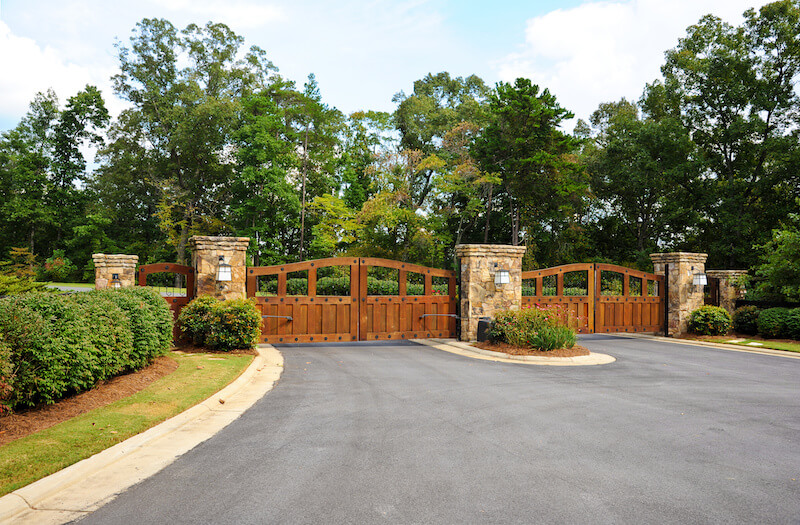
One of the most frequently cited reasons residents choose gated communities is the perception of enhanced safety. Controlled entry points, security patrols, and surveillance infrastructure create a defined boundary between the neighborhood and surrounding areas.
For many homeowners—especially families with children or retirees—this added layer of control provides peace of mind.
Common security features include:
- Guard-staffed or electronically monitored gates
- Vehicle access control systems
- Visitor registration procedures
- Perimeter fencing or walls
- Security cameras in common areas
It is important to note that gated access does not eliminate crime. However, studies have shown that controlled access can reduce certain types of opportunistic activity, such as unauthorized traffic or property trespassing.
For residents, the result is often less through-traffic and a quieter street environment. Parents may feel more comfortable allowing children to ride bikes or play outdoors, and homeowners may appreciate the limited access during late-night hours.
Amenities That Reflect Modern Lifestyle Expectations
Another major reason gated communities continue to expand is the shift in what many Americans expect from their neighborhoods.
Rather than simply purchasing a house, buyers increasingly look for a residential environment that supports daily routines, recreation, and social connection. Developers respond to this demand by integrating shared amenities directly into community design.
Typical features found in suburban gated developments include:
- Community swimming pools and fitness centers
- Walking trails and landscaped green spaces
- Clubhouses for events and gatherings
- Tennis or pickleball courts
- Playground areas for children
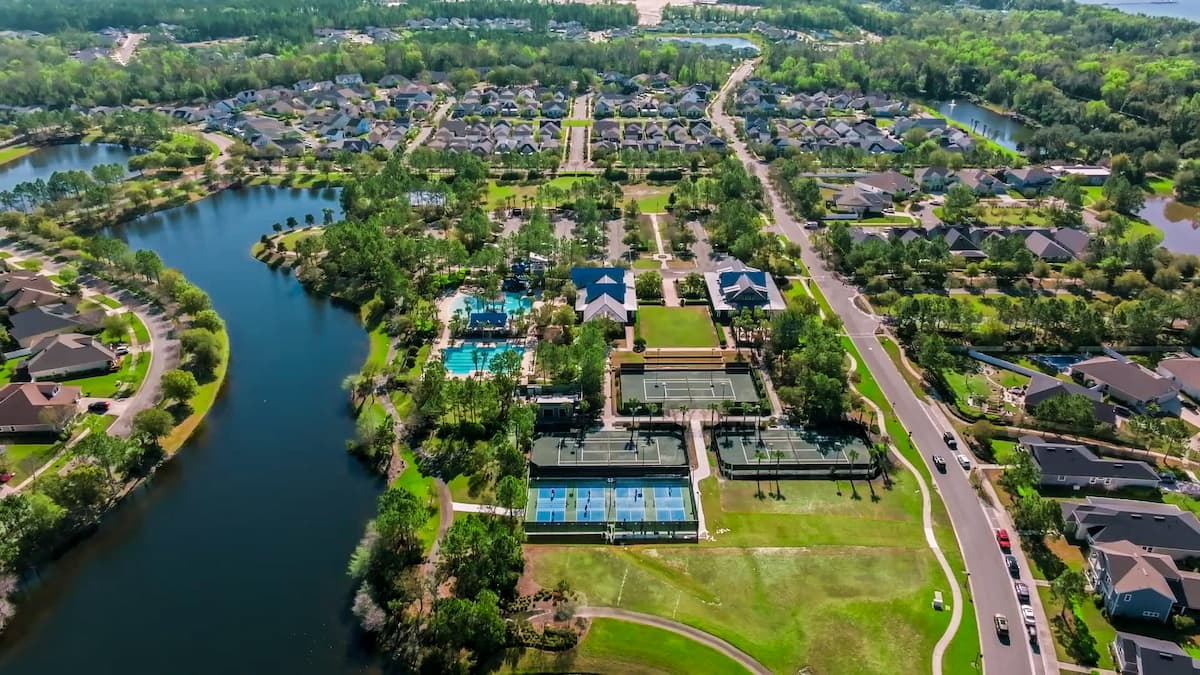
In many cases, these amenities create a neighborhood environment that resembles a small recreational campus. Instead of driving across town for exercise or social activities, residents can access these facilities within walking distance.
Developers have found that such features can also help differentiate new housing projects in competitive suburban markets.
Master-Planned Communities and Long-Term Design Control
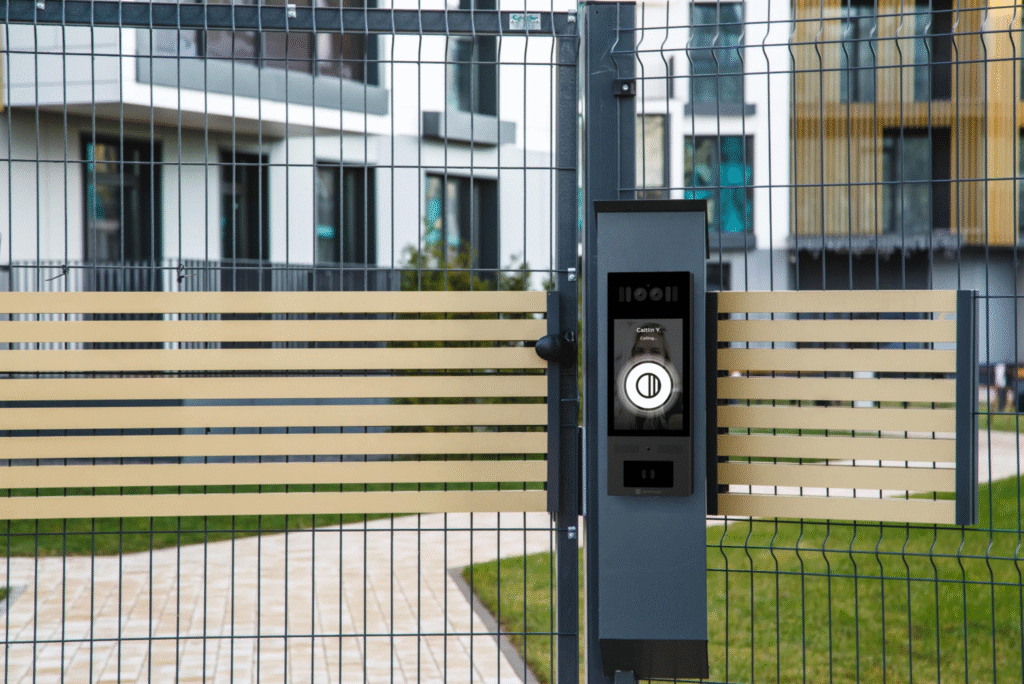
Gated communities often function as part of a broader concept known as a master-planned development. These large residential projects are designed before construction begins, allowing planners to organize roads, housing clusters, parks, and commercial areas with long-term growth in mind.
Master-planned suburban communities frequently include:
- Coordinated architectural styles
- Landscaped entryways and boulevards
- Central parks or lakes
- Integrated retail or service areas nearby
- School access within or adjacent to the development
This type of planning can produce neighborhoods that feel cohesive and well-organized rather than pieced together over time.
From a development perspective, gating the community helps maintain this structure. By controlling entry points, developers and homeowner associations can better manage traffic flow, infrastructure maintenance, and landscaping standards.
Property Value Stability and Market Appeal
Homebuyers often view gated communities as a way to protect property value over the long term.
While no housing format guarantees appreciation, gated neighborhoods tend to benefit from a few structural advantages:
- Consistent architectural standards
- Mandatory maintenance rules through homeowners associations
- Controlled neighborhood density
- Shared responsibility for amenities and landscaping
Because exterior design and landscaping are regulated, the visual character of the neighborhood tends to remain stable. For potential buyers touring a community, this consistency can make the area appear more orderly and well-maintained.
Real estate professionals frequently note that such visual cohesion plays a significant role in buyer perception.
The Influence of Remote Work and Hybrid Lifestyles
The expansion of remote and hybrid work has also influenced suburban housing choices. Many professionals who previously prioritized proximity to downtown offices now seek larger homes and quieter residential environments.
Gated suburban communities often appeal to these buyers because they combine several advantages:
- Larger homes and lots compared to urban properties
- Dedicated home office space
- Walkable neighborhood amenities
- Reduced traffic and noise
In metropolitan regions such as Austin, Phoenix, and Charlotte, developers have expanded gated neighborhoods specifically targeting remote professionals relocating from dense urban cores.
These developments frequently include walking trails, coworking lounges within clubhouses, and outdoor gathering spaces designed to support flexible work lifestyles.
Regional Growth Patterns Favor Large Planned Communities
The geographic expansion of suburban housing often occurs on previously undeveloped land at the edge of metropolitan areas. In these locations, developers typically acquire large parcels that allow them to design entire neighborhoods rather than individual housing blocks.
This approach works particularly well in fast-growing regions such as:
- Texas metropolitan corridors
- Arizona’s expanding suburban belt
- Florida’s master-planned retirement regions
- North Carolina’s research and tech hubs
In these markets, gated communities provide a structured framework for development. Infrastructure such as roads, drainage systems, and utilities can be built in coordinated phases while maintaining consistent design standards.
The result is often a cohesive suburban district rather than a patchwork of unrelated subdivisions.
Community Identity and Social Cohesion
Beyond infrastructure and amenities, gated communities often cultivate a strong sense of identity among residents.
Because entry points are limited and shared spaces are maintained collectively, residents tend to interact more frequently. Neighborhood associations frequently organize:
- Holiday gatherings
- Fitness classes
- Community yard sales
- Volunteer activities
These events can help new residents integrate quickly and create an environment where neighbors know one another.
For families relocating from other states or cities, this social dimension can be a meaningful factor when choosing where to buy a home.
Criticisms and Urban Planning Debates
Despite their popularity, gated communities are not without controversy.
Some urban planners argue that gated developments contribute to social separation by physically isolating neighborhoods from surrounding communities. Critics also note that gates can restrict connectivity between streets and reduce walkability in broader urban planning frameworks.
Concerns often raised include:
- Limited public access to roads or parks within gated areas
- Increased traffic congestion around entry points
- Potential socioeconomic segmentation
However, supporters argue that gated developments represent a market response to buyer preferences rather than a top-down planning strategy. In many suburbs, these communities coexist with open subdivisions, apartment complexes, and mixed-use neighborhoods.
Local governments typically evaluate each project individually to balance community access with residential demand.
What Homebuyers Should Consider Before Moving Into a Gated Community
For individuals considering a gated neighborhood, several practical factors deserve attention.
Prospective buyers often evaluate:
- Monthly homeowners association (HOA) fees
- Rules governing exterior home modifications
- Guest entry procedures
- Maintenance responsibilities for roads and amenities
- Long-term development plans for nearby land
Understanding these elements helps buyers determine whether the structure of a gated community aligns with their lifestyle and financial expectations.
Real estate agents commonly recommend reviewing HOA documents carefully before purchasing property within such neighborhoods.
Frequently Asked Questions
1. What is a gated community?
A gated community is a residential neighborhood with controlled access points, often featuring gates, security systems, and a homeowners association responsible for managing shared amenities.
2. Are gated communities safer than regular neighborhoods?
They may reduce certain risks by limiting traffic and unauthorized entry, but they do not eliminate crime entirely.
3. Do gated communities cost more?
Homes can sometimes carry a price premium due to amenities, security features, and neighborhood maintenance.
4. What are HOA fees in gated communities?
Homeowners association fees typically fund landscaping, security systems, community facilities, and road maintenance.
5. Are gated communities only for luxury homes?
No. Many developments include townhomes, starter homes, and retirement communities.
6. Can visitors enter gated communities easily?
Most allow entry through guest registration systems, digital passes, or guard stations.
7. Do gated communities restrict property modifications?
Often yes. HOAs may require approval for exterior changes to maintain neighborhood consistency.
8. Are roads inside gated communities public?
In many cases they are privately maintained by the homeowners association.
9. Why are developers building more gated neighborhoods?
They allow structured master planning, controlled infrastructure, and features many buyers prefer.
10. Do gated communities affect property values?
They can support value stability due to consistent design standards and shared maintenance.
A Changing Shape of Suburban Neighborhoods
As suburban regions continue to grow, gated communities represent one of several development models shaping the modern housing landscape. Their expansion reflects broader trends in lifestyle preferences, planning strategies, and residential expectations.
For developers, gated communities offer a practical framework for organizing large residential projects. For homeowners, they provide an environment where amenities, security features, and neighborhood identity are integrated into daily life.
While debates about accessibility and urban planning will likely continue, gated communities have become a lasting feature of many expanding U.S. suburbs.
Key Insights at a Glance
- Suburban population growth is driving new master-planned developments
- Gated communities provide controlled access and reduced through-traffic
- Shared amenities appeal to modern lifestyle expectations
- Remote work trends are increasing suburban housing demand
- Consistent architectural standards can support property value stability
- Developers use gated layouts to organize large land parcels efficiently
- Community events and shared spaces foster neighborhood interaction
 Robert Weber