

Summary
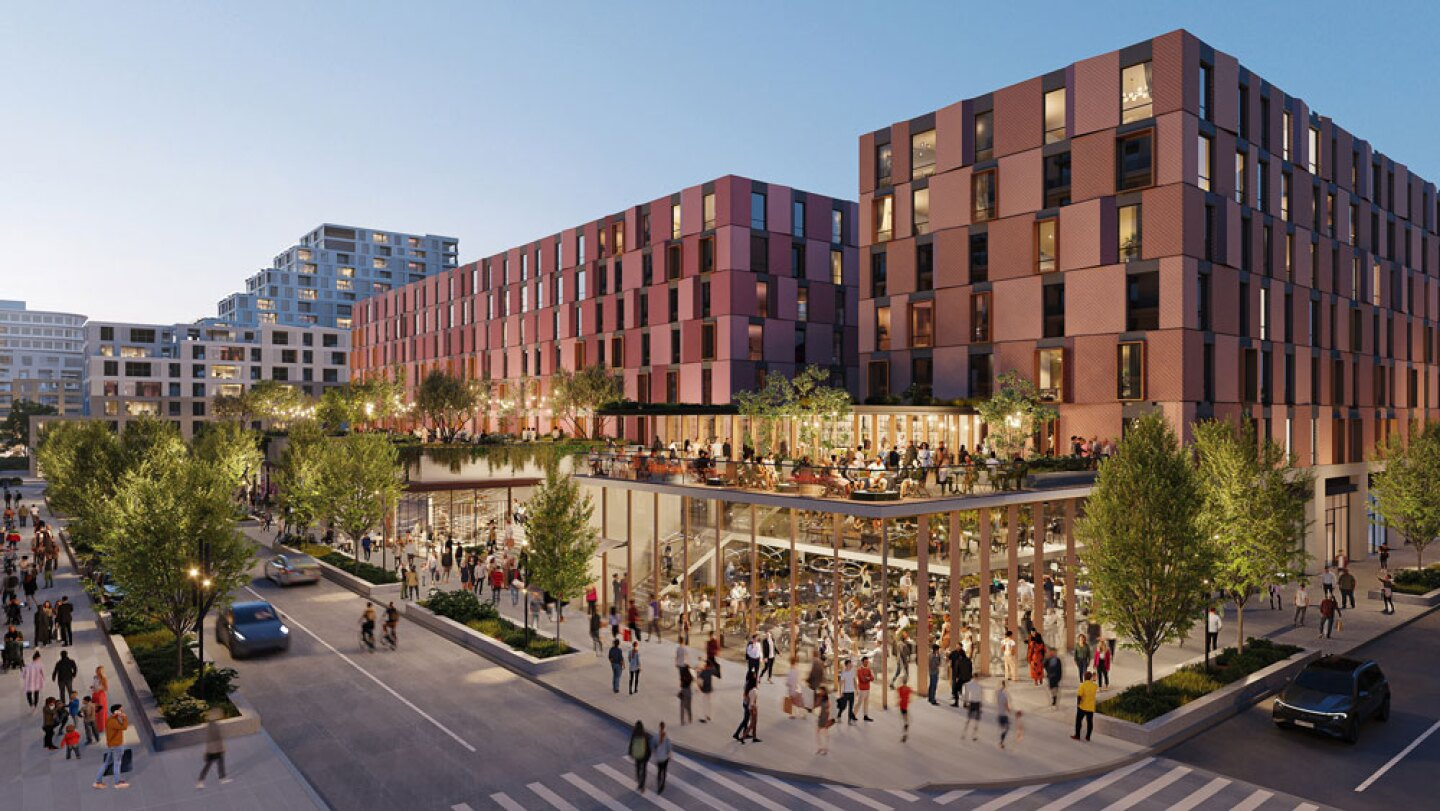
Shopping malls across the United States are evolving from traditional retail centers into mixed-use destinations that combine shopping, housing, offices, dining, and entertainment. This shift reflects changing consumer habits, e-commerce competition, and urban development trends. Mixed-use redevelopment is helping aging malls remain economically viable while creating community hubs that support retail, residential living, and local services.
The Changing Role of the American Shopping Mall
For decades, the shopping mall served as a cornerstone of suburban life in the United States. Families gathered there to shop, eat, socialize, and spend weekends indoors. However, the rapid growth of e-commerce, shifting consumer preferences, and the rise of lifestyle districts have significantly reshaped retail environments.
According to the International Council of Shopping Centers (ICSC), traditional enclosed malls have experienced declining foot traffic in many markets since the early 2000s, while mixed-use retail environments have seen steady growth. At the same time, several large department store chains that once anchored malls have downsized or closed locations, leaving developers with large vacant spaces.
Rather than abandoning these properties, many developers are reimagining them as mixed-use developments. These projects combine retail with residential housing, office space, hotels, entertainment venues, and public amenities.
This transition is not simply about replacing empty storefronts. It reflects a broader change in how communities use commercial real estate. Instead of single-purpose shopping destinations, malls are becoming multi-functional neighborhoods where people live, work, shop, and gather.
What Is Mixed-Use Development?
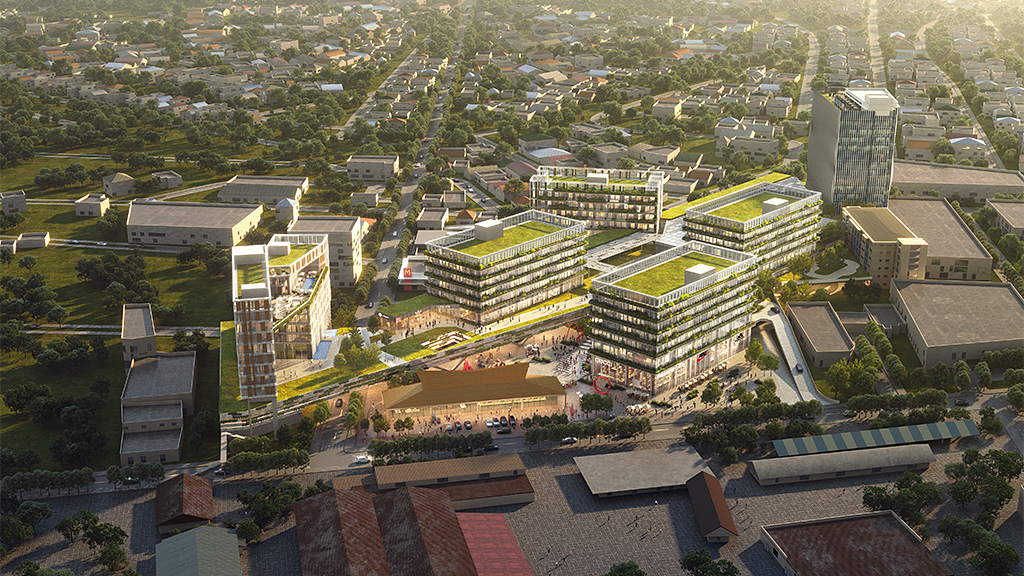
Mixed-use development refers to real estate projects that integrate multiple types of property uses within a single location. In the context of malls, this often means combining traditional retail with residential units, office spaces, restaurants, healthcare services, entertainment venues, and outdoor public areas.
In practical terms, this transformation might include:
- Converting a vacant department store into apartments or office suites
- Adding hotels or residential towers adjacent to retail areas
- Creating outdoor pedestrian streets with restaurants and cafes
- Introducing coworking spaces and medical offices
- Adding parks, plazas, or community gathering spaces
These changes help transform malls into destinations that remain active throughout the day rather than only during peak shopping hours.
Why Traditional Malls Are Being Redeveloped
Several long-term trends have pushed developers to rethink how malls operate.
1. Growth of Online Shopping
E-commerce has permanently changed how Americans shop. The U.S. Census Bureau reports that e-commerce sales now account for roughly 15–16% of total retail sales, a share that has steadily grown over the past decade.
This shift reduced the need for large numbers of traditional retail stores, particularly clothing chains that once filled mall corridors.
2. Decline of Department Store Anchors
Many malls were designed around large department stores such as Macy’s, Sears, or JCPenney. When these stores closed locations, the loss of anchor tenants reduced foot traffic for smaller retailers.
Redevelopment often focuses on repurposing these large spaces for other uses.
3. Changing Consumer Expectations
Today’s consumers often prefer experiences rather than purely transactional shopping. Dining, entertainment, fitness, and community events are becoming essential components of successful retail environments.
Mixed-use developments respond to this demand by creating places people want to spend time, not just places where they buy products.
4. Housing Demand in Urban and Suburban Areas
Many aging malls occupy large parcels of land in desirable locations near highways and transit corridors. Developers increasingly see these sites as opportunities to add housing where land is scarce.
Real-World Examples of Mall Redevelopment
Across the United States, numerous projects illustrate how mixed-use redevelopment is reshaping the retail landscape.
Tysons Corner, Virginia
Once known primarily for its large enclosed malls, Tysons Corner has gradually transformed into a dense urban district with office towers, residential buildings, and walkable retail streets. The addition of Washington Metro rail stations helped accelerate this transformation.
Today, Tysons combines:
- Luxury shopping centers
- High-rise apartments
- Corporate offices
- Restaurants and entertainment venues
The area functions more like a city center than a traditional mall district.
Belmar – Lakewood, Colorado
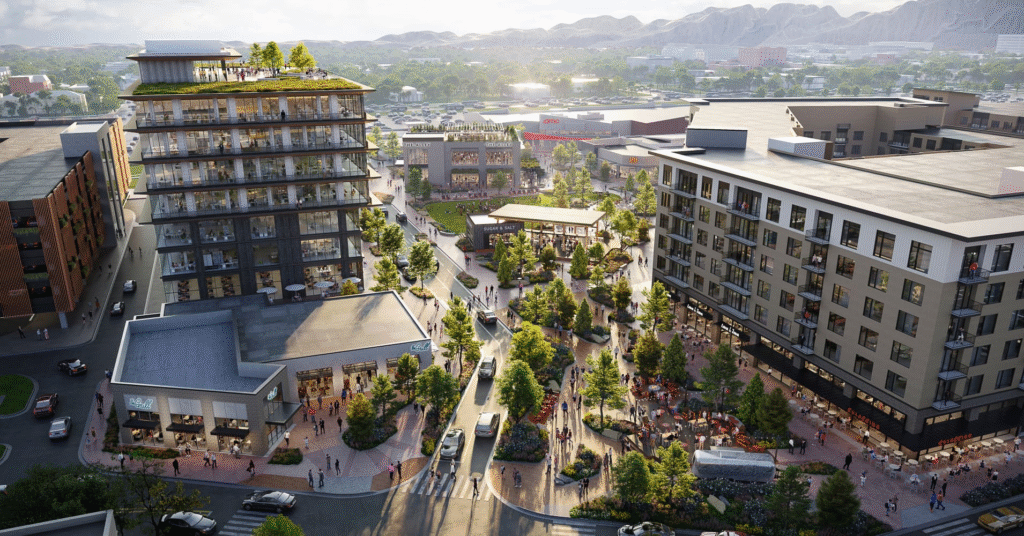
The Belmar development replaced the former Villa Italia Mall with a mixed-use district featuring streets, parks, apartments, offices, and retail spaces. Instead of a single enclosed building, Belmar is designed as a walkable neighborhood with public spaces and local events.
Hudson Yards – New York City
Although not a redeveloped mall in the traditional sense, Hudson Yards demonstrates the scale of modern mixed-use retail environments. The project combines shopping, office towers, residential units, hotels, and public attractions in a single development.
These examples show how retail can function as one component of a broader urban ecosystem.
How Mixed-Use Development Benefits Retail
Mixed-use redevelopment does more than fill empty spaces. It can fundamentally strengthen retail performance.
Built-In Customer Base
Residential units and office buildings bring daily populations directly into the development. Residents, workers, and visitors all contribute to consistent foot traffic.
Longer Activity Hours
Traditional malls often peak during afternoon and weekend shopping periods. Mixed-use districts remain active from morning coffee shops to evening entertainment.
Diversified Revenue Streams
Developers reduce reliance on retail tenants by incorporating multiple property types.
Benefits include:
- Residential rent income
- Office leasing revenue
- Hotel operations
- Event and entertainment venues
This diversified approach can improve long-term financial stability.
The Role of Experience-Driven Retail
Modern retail spaces increasingly focus on experiences rather than purely transactional shopping.
Many redeveloped malls include:
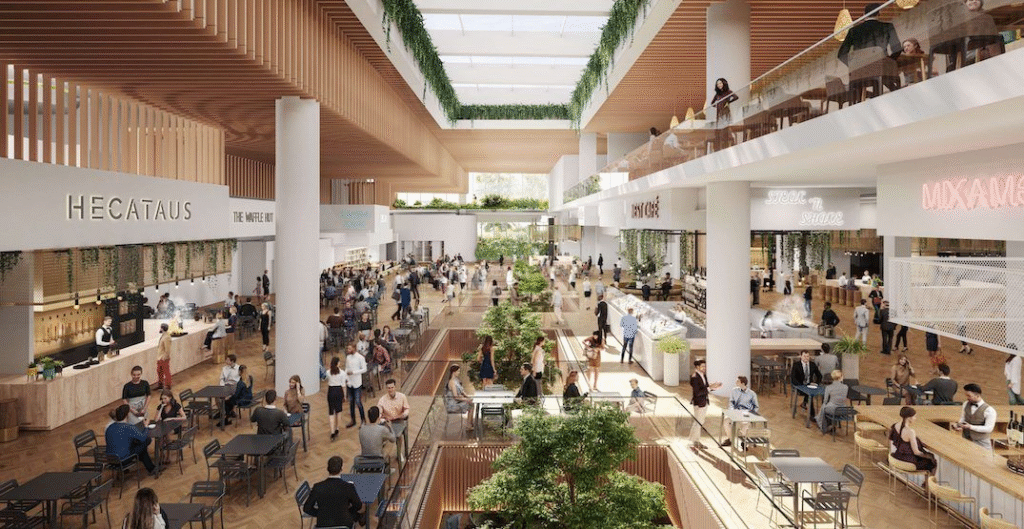
- Restaurants and chef-driven food halls
- Cinemas and entertainment venues
- Fitness centers and wellness studios
- Interactive retail showrooms
- Outdoor gathering areas and public events
These elements encourage visitors to spend more time at the destination.
Retailers themselves are adapting by designing stores that feel more like showrooms or brand environments than traditional sales floors.
Urban Planning and Community Impact
Mixed-use redevelopment often aligns with broader urban planning goals. Local governments frequently support these projects because they can revitalize underperforming commercial areas while expanding housing and employment opportunities.
Benefits for cities and communities may include:
- Higher property tax revenue
- Improved land use efficiency
- Walkable neighborhoods
- Reduced reliance on long commutes
- Increased local employment
However, redevelopment projects also require careful planning. Issues such as traffic management, zoning approvals, and infrastructure upgrades can significantly influence project timelines.
Challenges Developers Must Navigate
While mixed-use redevelopment offers many advantages, it is not without challenges.
Financing Complexity
Projects that combine multiple property types often require complex financing structures. Residential, retail, and office components may involve different lenders and investment partners.
Zoning and Regulatory Approvals
Older malls were typically zoned strictly for commercial retail use. Converting them into mixed-use districts often requires rezoning approvals and negotiations with local governments.
Construction Costs
Redeveloping existing structures can sometimes cost more than building new properties from scratch.
Developers must carefully evaluate whether to renovate existing buildings or replace them entirely.
The Future of Mall Redevelopment
Industry experts widely agree that the traditional enclosed mall will continue evolving over the next decade.
Several trends are shaping future projects:
- Outdoor lifestyle centers replacing fully enclosed malls
- Residential towers integrated directly into retail districts
- Transit-oriented developments near rail and bus hubs
- Greater emphasis on public space and community programming
According to research from JLL, mixed-use retail environments are expected to play a growing role in suburban redevelopment as communities seek more walkable, live-work-play districts.
In many cases, the goal is not to eliminate retail but to reposition it as part of a larger destination.
Frequently Asked Questions
Why are so many malls being redeveloped?
Many traditional malls face declining foot traffic due to e-commerce and changing consumer habits. Redevelopment allows property owners to repurpose valuable land for housing, offices, and entertainment while maintaining retail components.
What does mixed-use mean in real estate?
Mixed-use developments combine multiple property types—such as residential, retail, office, and hospitality—within the same project or neighborhood.
Are shopping malls disappearing in the United States?
Not entirely. While some older malls have closed, many are being redeveloped into mixed-use destinations or outdoor lifestyle centers.
How do mixed-use malls benefit communities?
They can create walkable neighborhoods, increase housing supply, generate jobs, and provide gathering spaces for residents.
Do mixed-use developments improve retail sales?
In many cases, yes. A built-in population of residents and office workers can increase daily foot traffic for retailers.
What types of businesses succeed in redeveloped malls?
Restaurants, entertainment venues, fitness centers, specialty retail, and service businesses often perform well in mixed-use environments.
Are mixed-use projects more expensive to build?
They can be, due to complex design, zoning, and infrastructure requirements.
Can smaller suburban malls become mixed-use developments?
Yes. Many redevelopment projects focus on suburban malls because they often sit on large parcels of land near residential neighborhoods.
How long does mall redevelopment typically take?
Large projects can take several years from planning and approvals to construction and completion.
Are mixed-use malls better for local economies?
They can stimulate local economic activity by attracting residents, businesses, and visitors to a single destination.
A New Chapter for American Retail Spaces
The transformation of shopping malls reflects a broader shift in how Americans interact with commercial spaces. Retail alone is no longer enough to sustain large developments. By integrating housing, workplaces, entertainment, and public spaces, mixed-use developments are redefining what malls can be.
For developers, the challenge lies in balancing economic viability with community needs. For cities, the opportunity lies in turning underperforming retail properties into vibrant neighborhoods.
The mall of the future may look very different from the enclosed corridors of the past—but it is increasingly becoming a place where everyday life happens, not just where shopping occurs.
Key Insights at a Glance
- Traditional malls are adapting to declining retail demand
- Mixed-use development combines housing, offices, entertainment, and retail
- Redevelopment helps maintain the economic value of large mall properties
- Residents and office workers provide consistent foot traffic
- Experience-driven retail is becoming essential for success
- Many cities support redevelopment to improve land use and housing supply
 Robert Weber