

Summary
Commercial leasing in the United States is evolving as businesses adjust to hybrid work, shifting retail behavior, and logistics growth. Property owners are closely tracking flexible lease structures, rising demand for logistics space, experiential retail concepts, and tenant incentives. Understanding these trends helps landlords reduce vacancy risk, attract reliable tenants, and position commercial properties for long-term stability in a changing economic environment.
Understanding the Changing Commercial Leasing Landscape
Commercial real estate leasing in the United States has entered a period of significant transition. Over the past several years, shifting work habits, the rise of e-commerce, supply chain restructuring, and changing consumer expectations have reshaped how businesses use physical space.
For property owners, leasing strategies that worked a decade ago may no longer deliver the same results today. Office tenants are reconsidering space needs, retailers are prioritizing experience-driven locations, and industrial tenants are seeking highly efficient logistics networks.
According to data from the National Association of Realtors (NAR) and CBRE, industrial leasing demand has remained historically strong while office vacancy rates in many major U.S. cities remain elevated. At the same time, suburban retail centers and mixed-use developments are attracting new tenant interest.
Understanding these shifts is essential for landlords who want to maintain occupancy, negotiate favorable lease terms, and position their properties competitively in local markets.
The Continued Shift Toward Flexible Lease Structures
One of the most noticeable changes in commercial leasing is the growing demand for flexibility. Businesses increasingly prefer lease agreements that allow them to adapt quickly to market changes.
Traditional long-term leases — once the standard in office and retail real estate — are being supplemented with shorter lease terms, expansion options, and adaptable layouts.
Businesses want the ability to:
- Expand or reduce square footage over time
- Sublease unused space when business needs change
- Adjust lease terms if market conditions shift
- Incorporate flexible workspace arrangements
For landlords, offering flexible leasing options can attract tenants who might otherwise hesitate to commit to a multi-year lease.
A common example involves mid-size technology companies that initially lease smaller office suites with built-in expansion rights. As hiring increases, they can expand into adjacent spaces without relocating.
This flexibility benefits property owners as well by improving occupancy rates and encouraging longer tenant relationships over time.
Office Leasing: Adapting to Hybrid Work Models
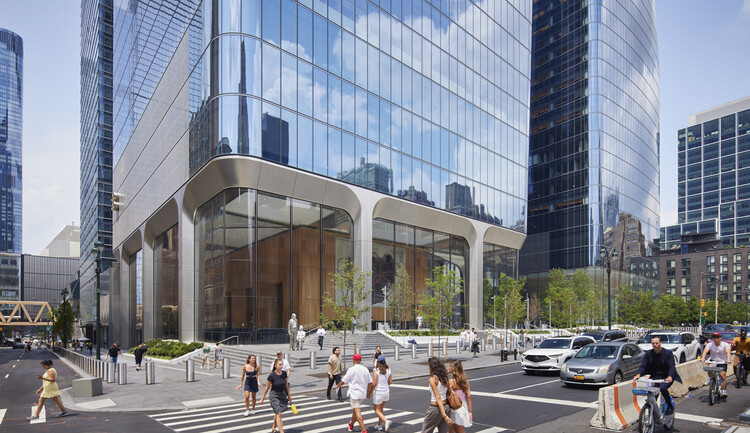
The office sector continues to experience structural changes driven by hybrid work arrangements. Many organizations now require employees to work from the office only two to four days per week.
This shift has created new leasing patterns.
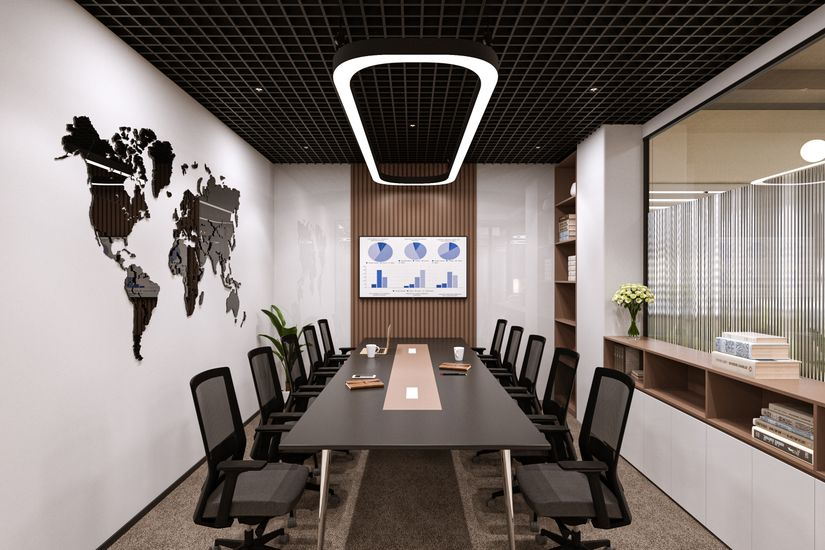
Companies are increasingly prioritizing quality over quantity. Instead of large floorplates filled with cubicles, tenants seek modern office environments designed for collaboration, meetings, and team interaction.
Landlords who invest in upgraded amenities often see stronger leasing interest. These features can include:
- Shared conference centers
- High-quality ventilation and air systems
- Outdoor collaboration spaces
- Fitness facilities or wellness rooms
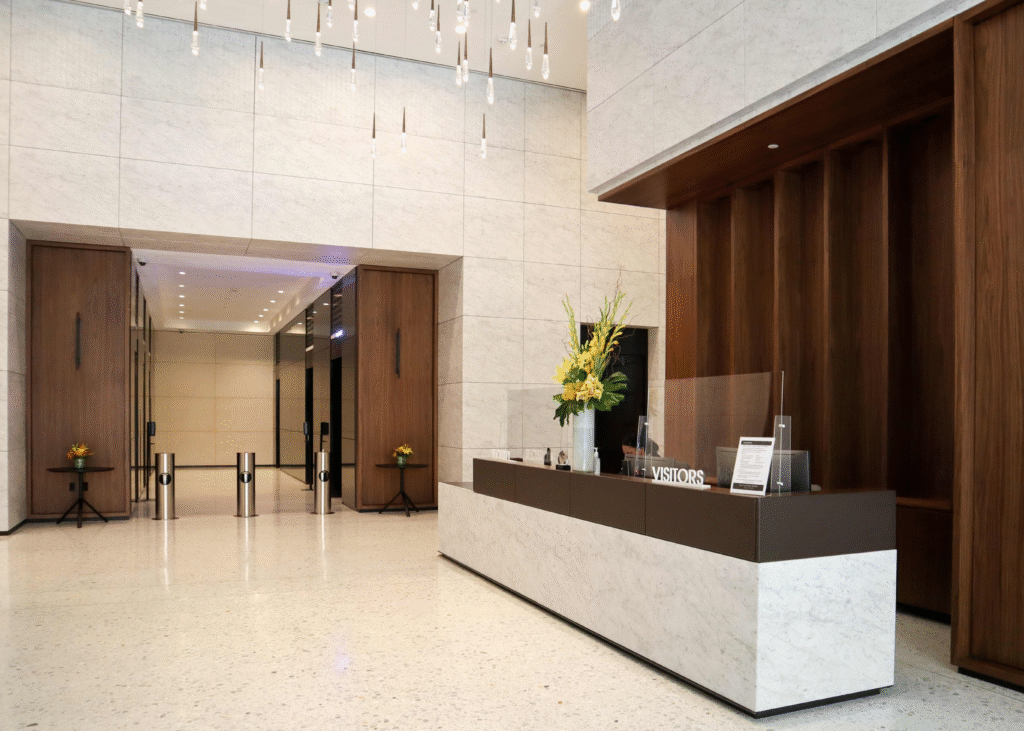
- Modern lobby and common areas
In markets such as Austin, Nashville, and Raleigh, newly renovated office buildings have attracted tenants even as older properties struggle with vacancies.
The result is a widening gap between Class A properties, which often remain competitive, and older Class B and C office buildings, which may require repositioning or redevelopment.
Retail Leasing: The Rise of Experiential Destinations
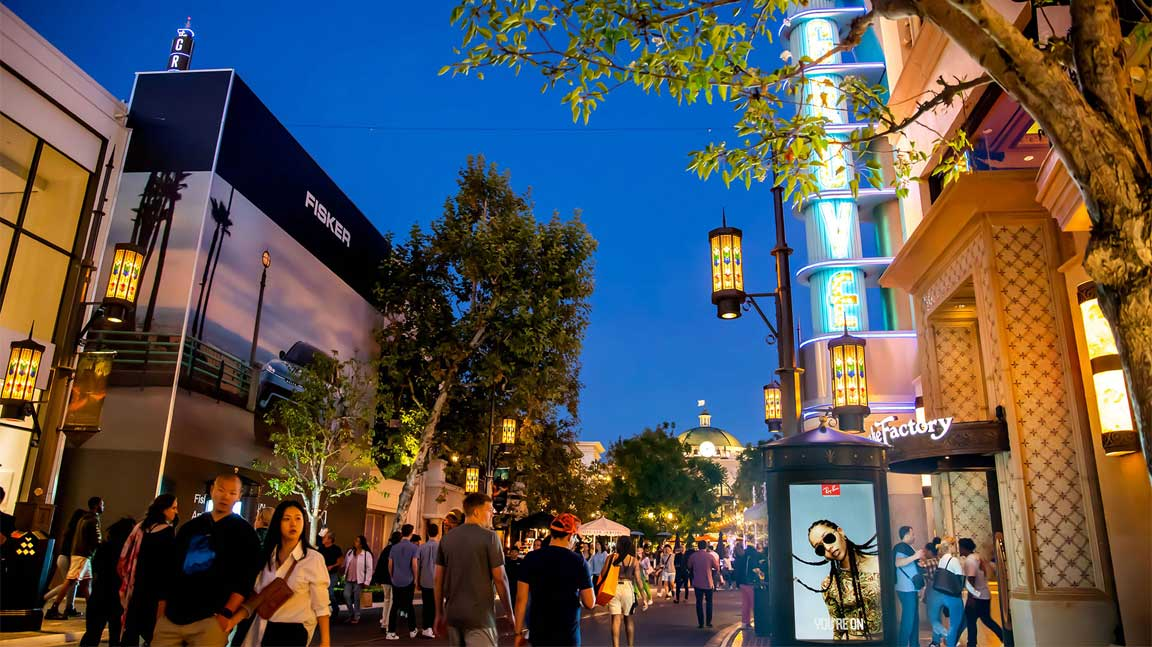
Retail leasing is undergoing a different type of transformation. While e-commerce has permanently changed consumer behavior, physical stores remain critical for many brands.
However, the role of retail space has evolved.
Rather than simply serving as a point of sale, many retail locations now function as brand experience centers where customers interact with products, attend events, and engage with staff.
Shopping centers that attract experiential tenants often include:
- Fitness studios
- Restaurants and cafés
- Medical clinics
- Beauty and wellness services
- Entertainment venues
These businesses drive regular foot traffic that benefits neighboring retailers.
For example, a suburban retail center anchored by a grocery store and a fitness studio may experience stronger leasing demand than one built around traditional apparel stores alone.
Landlords increasingly evaluate tenant mix strategically to ensure complementary services that create consistent visitor activity.
Industrial Leasing Demand Continues to Expand
Industrial properties remain one of the most active sectors in commercial leasing. The expansion of e-commerce and logistics networks has fueled strong demand for warehouses, distribution centers, and logistics hubs.
According to CBRE’s Industrial Market Report, national industrial vacancy rates have remained relatively low compared to other property sectors, even as new construction continues across the country.
Companies leasing industrial space are prioritizing:
- Proximity to major highways and ports
- High ceiling clearance for automated storage systems
- Truck parking and loading dock capacity
- Advanced logistics technology infrastructure
Many logistics operators now seek last-mile distribution centers located near dense population areas to reduce delivery times.
For property owners, industrial assets located near transportation corridors or large metropolitan markets are particularly attractive to tenants.
Tenant Incentives Are Becoming More Strategic
In competitive leasing markets, tenant incentives have become an important negotiation tool.
Instead of relying solely on base rent adjustments, landlords often offer tailored incentives to attract reliable tenants.
Common incentives include:
- Tenant improvement allowances
- Rent-free periods during build-out
- Flexible lease renewal terms
- Shared construction costs for customized spaces
For example, an office landlord may provide a six-month rent abatement while a new tenant completes interior renovations.
In retail leasing, property owners may help fund storefront improvements that align with the shopping center’s aesthetic.
The key is balancing tenant incentives with long-term lease stability.
Data and Technology Are Influencing Leasing Decisions
Commercial leasing decisions increasingly rely on detailed data analysis. Property owners and leasing agents now use advanced analytics tools to evaluate market conditions, tenant demand, and pricing strategies.
Technology platforms provide insights into:
- Local leasing activity
- Vacancy trends
- Tenant industry growth patterns
- Demographic and traffic data
These tools help landlords understand which businesses are expanding and where leasing demand is likely to emerge.
For instance, demographic analysis may reveal that a neighborhood with growing young professional populations could support new coworking spaces or boutique fitness studios.
Digital marketing platforms also play an important role in leasing. Commercial listings are now widely distributed through online marketplaces and brokerage networks, increasing exposure to potential tenants nationwide.
Sustainability Is Becoming a Leasing Priority
Environmental considerations are also shaping commercial leasing decisions.
Many companies now prefer buildings with sustainability certifications such as LEED (Leadership in Energy and Environmental Design) or energy-efficient infrastructure.
These buildings can reduce operating costs while helping tenants meet corporate sustainability goals.
Features that attract environmentally conscious tenants include:
- Energy-efficient HVAC systems
- Solar energy integration
- Water-conservation systems
- Electric vehicle charging stations
- Sustainable building materials
In major metropolitan markets like San Francisco, Seattle, and Boston, buildings with strong environmental performance often achieve higher occupancy rates and longer lease commitments.
Mixed-Use Developments Are Reshaping Leasing Patterns
Another trend gaining momentum is the rise of mixed-use developments that combine residential, office, retail, and entertainment spaces within a single district.
These developments create environments where people can live, work, and socialize in close proximity.
For commercial tenants, mixed-use locations offer built-in foot traffic and a diverse customer base.
From a leasing perspective, this environment often attracts businesses such as:
- Coffee shops and cafés
- Boutique fitness studios
- Professional services
- Restaurants and bars
- Specialty retail stores
Property owners involved in mixed-use developments often see more stable leasing demand because multiple sectors support each other within the same neighborhood ecosystem.
FAQ: Commercial Leasing Trends
What are the biggest trends affecting commercial leasing today?
Key trends include hybrid office work, strong demand for industrial space, flexible lease structures, experiential retail concepts, and increased use of technology in leasing decisions.
Why are flexible leases becoming more common?
Businesses want the ability to adapt to uncertain economic conditions and evolving workforce needs, making shorter or adjustable lease agreements more attractive.
How has remote work affected office leasing?
Remote work has reduced the total amount of space many companies require, but it has increased demand for higher-quality collaborative office environments.
Are retail spaces still in demand?
Yes. Retail demand remains strong for service-oriented businesses such as restaurants, fitness studios, healthcare providers, and experiential retailers.
Why is industrial real estate so competitive right now?
The growth of e-commerce and supply chain restructuring has increased demand for warehouses, distribution centers, and last-mile logistics facilities.
What incentives do landlords offer tenants?
Common incentives include rent abatements, tenant improvement allowances, flexible lease terms, and assistance with build-out costs.
How does sustainability affect leasing decisions?
Many tenants prefer energy-efficient buildings that reduce operating costs and support environmental commitments.
What role does technology play in commercial leasing?
Technology helps landlords analyze market trends, track leasing demand, market properties online, and manage tenant relationships more efficiently.
What types of retail tenants are growing today?
Fitness studios, healthcare clinics, specialty food retailers, and experiential businesses are among the fastest-growing retail tenants.
Are mixed-use developments more attractive to tenants?
Often yes. Mixed-use environments provide consistent foot traffic and diverse customer demographics that support business growth.
Looking Ahead: How Property Owners Are Positioning for the Next Leasing Cycle
Commercial real estate leasing in the United States continues to evolve alongside broader economic and social changes. Property owners who remain attentive to tenant needs, market data, and shifting business models are better positioned to maintain strong occupancy levels.
Rather than relying on traditional leasing assumptions, successful landlords are adopting flexible strategies, investing in property improvements, and actively monitoring industry trends. These approaches help properties remain competitive as businesses rethink how they use physical space.
Over the coming years, adaptability will likely remain one of the most important advantages in commercial leasing.
Key Insights for Property Owners Monitoring Leasing Trends
- Flexible lease terms are increasingly attractive to modern tenants
- Office tenants prioritize high-quality collaborative spaces
- Retail leasing is shifting toward experience-driven businesses
- Industrial real estate continues to benefit from logistics demand
- Sustainability features influence tenant decisions
- Data and analytics tools are becoming essential for leasing strategy
- Mixed-use developments create stronger leasing ecosystems
 Robert Weber