

Summary
Co-working communities are reshaping how professionals collaborate, learn, and build business relationships. By combining flexible office space with intentional networking environments, shared workspaces enable freelancers, startups, and remote employees to connect with peers across industries. This article explores how co-working spaces foster professional networks, the benefits they offer, and practical strategies for making the most of these collaborative environments.
The Rise of Co-Working Communities in the Modern Workplace
Over the past decade, co-working has evolved from a niche concept for freelancers into a major segment of the commercial real estate and workplace ecosystem. Shared workspaces now serve a broad mix of professionals, including remote employees, entrepreneurs, consultants, and even established companies seeking flexible office arrangements.
According to data from the Global Coworking Survey by Deskmag, the number of co-working spaces worldwide has grown dramatically, with thousands operating across North America. In the United States, flexible work environments have expanded further as remote and hybrid work models became common after 2020.
What distinguishes modern co-working spaces from traditional offices is not just flexible desks or short-term leases. The defining element is community. Many spaces actively cultivate professional networks through events, shared amenities, collaborative areas, and member introductions.
Instead of isolated work environments, co-working spaces create ecosystems where professionals interact daily, exchange ideas, and form partnerships that might not emerge in conventional offices.
Why Professional Networking Matters More Than Ever
Professional networking has long been a cornerstone of career growth and business development. However, the shift toward remote work has created new challenges for professionals who no longer interact with colleagues or industry peers in traditional office settings.
Shared workspaces help bridge this gap.
Professionals working remotely often report feelings of isolation or limited professional visibility. Co-working communities address this by creating spaces where interactions occur naturally throughout the workday.
For example, a freelance graphic designer might meet a marketing consultant in the kitchen area and later collaborate on a client project. Similarly, a startup founder could connect with a legal consultant or venture advisor through an event hosted by the workspace.
These organic interactions often lead to:
- New business partnerships
- Client referrals
- Mentorship opportunities
- Skill-sharing collaborations
- Access to professional services
While traditional networking events can feel structured or transactional, co-working environments encourage ongoing, relationship-based networking.
How Shared Workspaces Facilitate Meaningful Connections
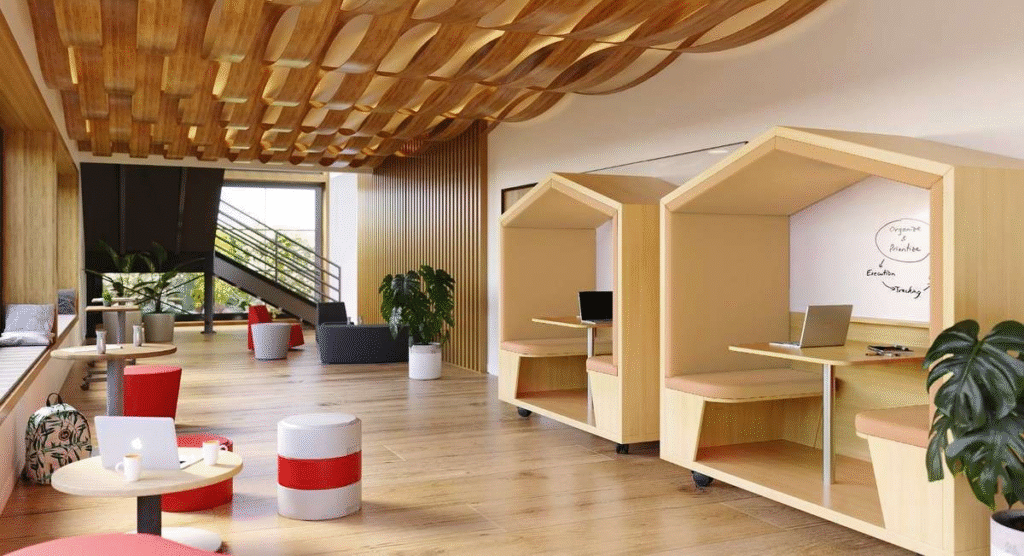
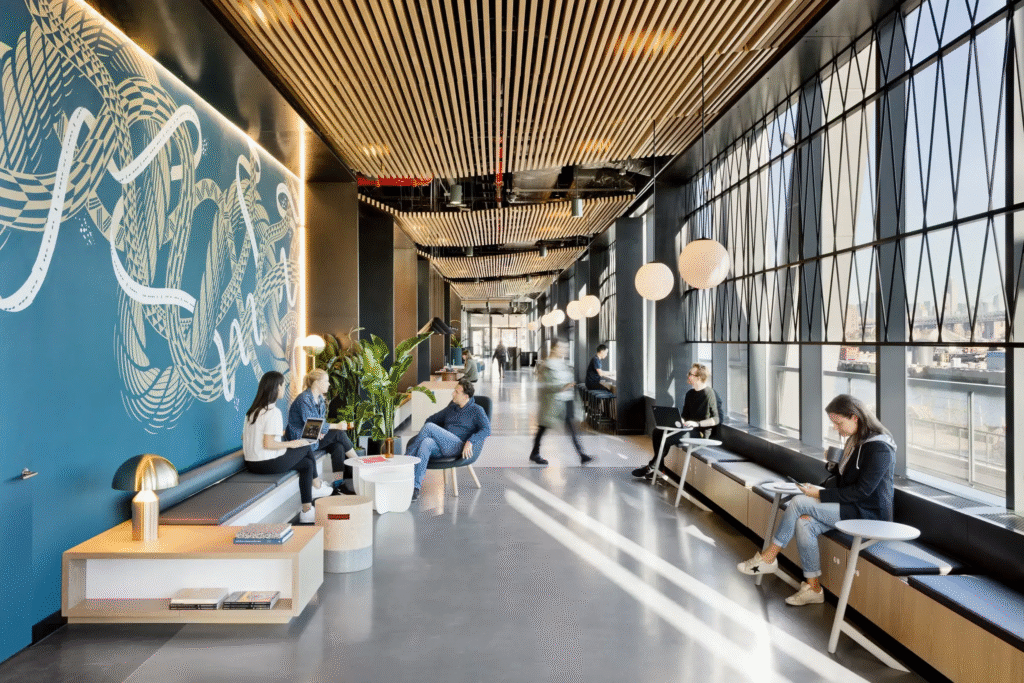
Co-working communities are intentionally designed to support interaction and collaboration. Unlike conventional office layouts, they typically incorporate open common areas, shared kitchens, lounge seating, and communal tables.
These spaces create natural opportunities for conversation and connection.
Beyond physical design, many operators actively cultivate community through programming and member engagement initiatives. Community managers play a key role in connecting members with similar interests or complementary professional skills.
Common networking opportunities in co-working environments include:
- Weekly member introductions
- Industry-focused meetups
- Skill-sharing workshops
- Informal coffee gatherings
- Startup pitch events
- Professional development seminars
Because members interact regularly in the same space, relationships tend to develop gradually rather than through one-time introductions.
This dynamic helps build trust, which is a critical element of professional networking.
The Role of Community Managers in Networking
One of the most distinctive features of successful co-working spaces is the presence of dedicated community managers. These professionals act as facilitators, helping members connect with the right people inside the workspace.
A community manager may notice that a startup founder needs branding support and introduce them to a designer who works in the same space. They might also organize themed networking events that bring together professionals from related industries.
This proactive approach to networking can significantly increase the value of membership.
In many cases, community managers maintain internal directories of members’ skills and services, making it easier to match professionals with potential collaborators.
This level of coordination rarely exists in traditional office environments.

Types of Professionals Who Benefit Most from Co-Working Networks
While nearly any professional can benefit from co-working environments, certain groups tend to gain particular value from the networking opportunities they provide.
These include:
- Freelancers and independent consultants
- Startup founders and early-stage teams
- Remote employees seeking social interaction
- Digital professionals such as designers, developers, and marketers
- Small business owners expanding their client networks
- Creative professionals working on collaborative projects
For these individuals, co-working spaces often function as both office infrastructure and professional community.
The diversity of professions inside shared workspaces also increases the likelihood of cross-industry collaboration.
Real-World Examples of Networking Through Co-Working
To understand the networking potential of shared workspaces, consider a few practical scenarios commonly seen in co-working communities.
A freelance software developer working in a shared workspace might meet a startup founder seeking technical support for a new platform. Through conversations over several weeks, they build trust and eventually collaborate on the project.
In another example, a marketing consultant might attend a lunch-and-learn event hosted by the co-working space. During the session, they meet a small business owner who later hires them to develop a digital marketing campaign.
These interactions are not uncommon. Because members work in the same environment daily, relationships often develop organically over time.
Unlike networking events where introductions are brief, co-working spaces allow professionals to observe each other’s expertise, work ethic, and communication style before forming partnerships.
Business Development Opportunities Inside Co-Working Communities
Beyond networking, co-working spaces can become valuable platforms for business growth.
Members often exchange referrals, collaborate on projects, and support each other’s ventures.
Some co-working communities even maintain internal job boards or collaboration platforms where members can post opportunities and requests.
Examples of business development activities inside shared workspaces include:
- Client referrals between complementary professionals
- Joint ventures between startups and consultants
- Cross-promotional marketing partnerships
- Informal mentorship between experienced and emerging professionals
- Investment introductions through networking events
These opportunities arise because professionals share physical proximity and engage regularly in community activities.
Over time, this can lead to stronger business relationships than those formed through occasional networking events.
The Role of Workspace Design in Collaboration
Physical design plays a significant role in shaping interactions within co-working environments.
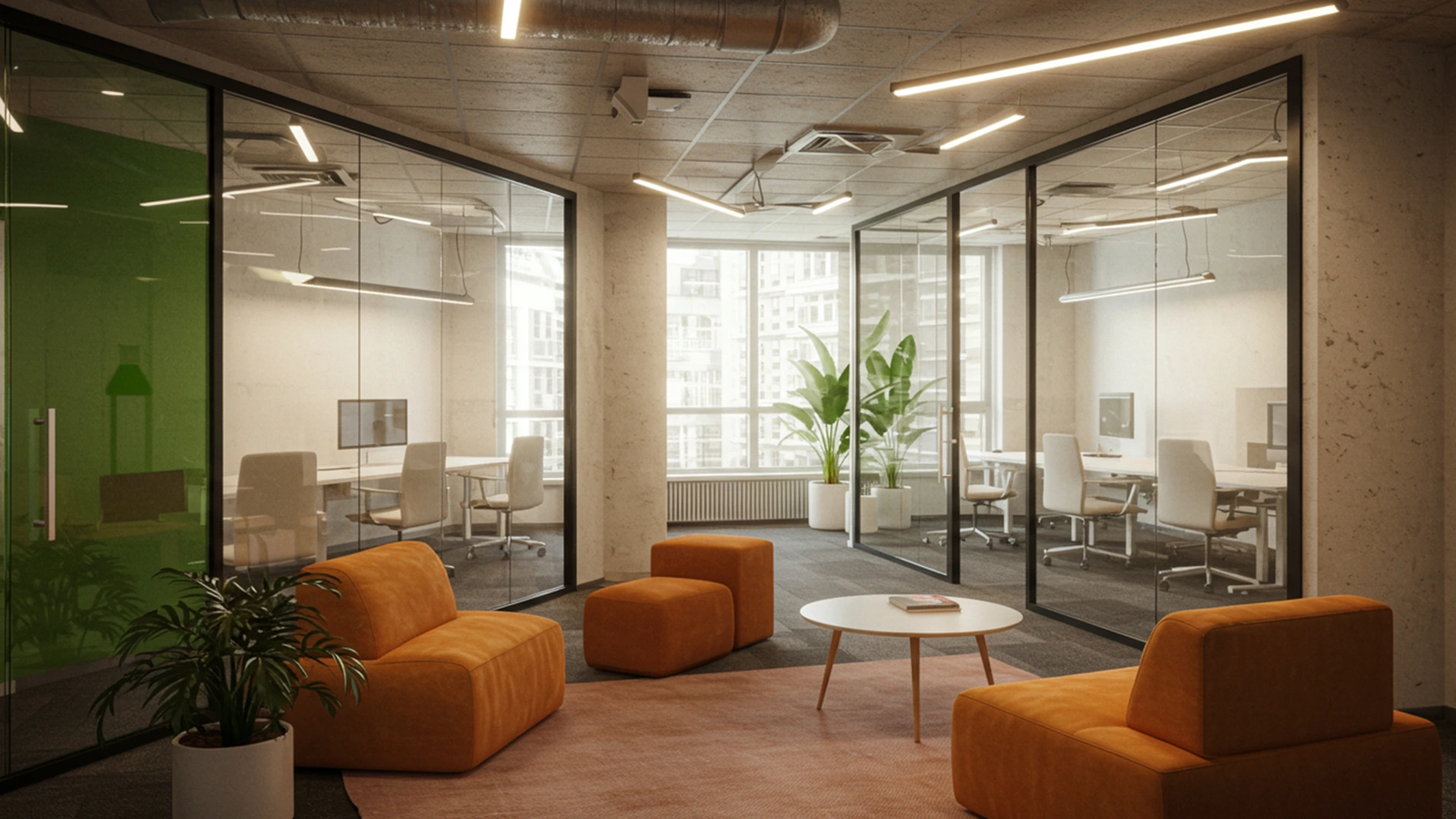
Modern shared workspaces often include multiple zones tailored to different working styles. Quiet areas allow focused work, while open lounges encourage conversation.
Typical design features that promote networking include:
- Communal worktables
- Open lounge seating
- Shared kitchens or coffee bars
- Event spaces
- Informal meeting pods
These environments encourage casual interactions that often spark professional conversations.
In contrast, traditional offices with closed doors and private cubicles tend to limit spontaneous networking opportunities.
Challenges and Limitations of Co-Working Networks
While co-working communities offer many advantages, they are not without limitations.
Networking opportunities vary depending on the size and diversity of the workspace. Smaller communities may offer fewer potential connections, while larger ones may feel less personal.
Other considerations include:
- Not all members are interested in networking
- Industry representation may be uneven
- Some spaces prioritize amenities over community programming
- Frequent turnover of members can disrupt relationships
Professionals seeking networking opportunities should evaluate whether a co-working space actively supports community engagement rather than simply offering desks and internet access.
Spaces that host regular events and maintain active member communication typically offer stronger networking value.
How to Make the Most of a Co-Working Community
Professionals who actively participate in their co-working communities often gain the most networking benefits.
Simply occupying a desk is rarely enough to build meaningful connections.
Instead, members should consider taking an intentional approach to engagement.
Effective strategies include:
- Attending community events and workshops
- Introducing yourself to new members
- Offering assistance or expertise when appropriate
- Participating in group discussions or social gatherings
- Hosting a workshop or presentation related to your field
Consistent participation helps establish visibility and credibility within the workspace.
Over time, this can lead to stronger relationships and professional opportunities.
Frequently Asked Questions
What is a co-working community?
A co-working community is a shared workspace environment where professionals from different industries work independently while benefiting from shared resources, networking opportunities, and collaborative events.
How do co-working spaces help with networking?
They create natural opportunities for professionals to meet through shared work areas, events, workshops, and informal interactions throughout the workday.
Are co-working spaces only for freelancers?
No. Many members include remote employees, startups, consultants, small business teams, and corporate professionals seeking flexible workspace options.
Do co-working spaces provide business opportunities?
Yes. Members often exchange referrals, collaborate on projects, and form partnerships with other professionals in the community.
How do community managers support networking?
Community managers organize events, introduce members to each other, and facilitate connections between professionals with complementary skills.
Are co-working memberships expensive?
Costs vary by location and services. Many spaces offer flexible plans ranging from daily passes to monthly memberships.
What industries are commonly represented in co-working spaces?
Technology, marketing, design, consulting, finance, media, and creative industries are commonly represented.
Is networking in co-working spaces structured or informal?
It is typically a mix of both. Spaces host structured events but also encourage casual interactions through shared environments.
Can startups benefit from co-working communities?
Yes. Startups gain access to potential collaborators, mentors, and investors through networking events and daily interactions.
How do I choose the right co-working space?
Consider factors such as community culture, member diversity, networking events, location, amenities, and workspace design.
Building Connections Beyond the Desk
Co-working communities represent more than an alternative to traditional offices. They offer environments where professionals can build relationships, exchange ideas, and grow their careers through collaboration.
As remote and hybrid work continue to shape the modern workforce, these shared environments provide something increasingly valuable: human connection in a flexible professional setting.
For many professionals, the real benefit of co-working is not just the desk or the Wi-Fi. It is the network that grows naturally around them.
Key Insights at a Glance
- Co-working communities combine workspace flexibility with professional networking opportunities
- Shared environments encourage natural, relationship-based connections
- Community managers often play a central role in facilitating introductions
- Freelancers, startups, and remote professionals benefit most from these environments
- Workspace design and community programming significantly influence networking potential
- Active participation is essential for building meaningful professional relationships
 Robert Weber