

Summary
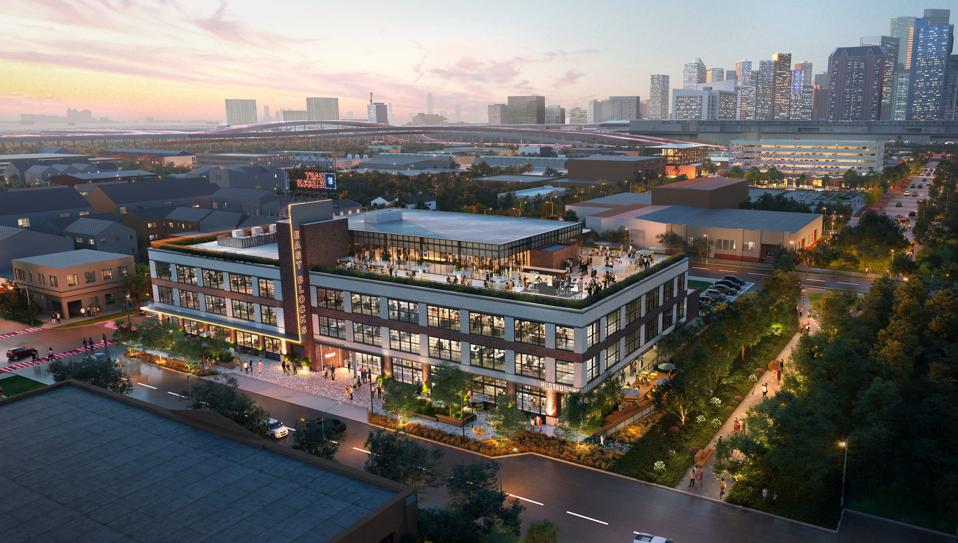
Commercial real estate plays a central role in bringing life back to struggling downtown districts. By introducing mixed-use developments, modern office spaces, retail corridors, housing, and public gathering places, developers and city leaders can restore economic vitality. Strategic commercial investment attracts businesses, increases foot traffic, supports small enterprises, and helps transform underused urban cores into thriving, walkable communities.
Why Downtown Revitalization Matters in Modern American Cities
Across the United States, many downtown districts have experienced cycles of decline and renewal. Suburban expansion during the late 20th century pulled residents and businesses away from city centers. More recently, the rise of remote work, e-commerce, and changing consumer habits has added new challenges.
Yet downtowns remain critical to a city’s identity and economy.
According to the National Association of Realtors, vibrant downtown areas typically generate the highest concentration of economic activity within a metropolitan region. They host government offices, cultural institutions, entertainment venues, and major employers.
When these districts weaken, cities often experience:
- Declining local tax revenue
- Reduced tourism and convention activity
- Increased vacancy rates
- Less investment in infrastructure and public services
Commercial real estate development has become one of the most effective tools for reversing that decline.
Rather than simply constructing office towers, modern redevelopment strategies focus on creating mixed-use urban ecosystems that encourage people to live, work, shop, and socialize within the same district.
How Commercial Real Estate Drives Downtown Revitalization
Commercial real estate projects shape the economic and social structure of downtown areas. Well-planned developments stimulate job creation, increase pedestrian activity, and attract long-term investment.
Several mechanisms explain this impact.
1. Activating Underused Buildings and Vacant Land
Vacant buildings create visible signals of decline. Redeveloping them quickly changes the perception of a downtown district.
Developers often convert older structures into:
- Modern office spaces for startups and tech firms
- Boutique retail environments
- Restaurants and entertainment venues
- Loft apartments or mixed-use buildings
For example, the redevelopment of former warehouses in Denver’s LoDo district turned a largely abandoned industrial zone into one of the city’s most active neighborhoods.
This type of adaptive reuse preserves architectural character while introducing economic productivity.
2. Increasing Foot Traffic Through Mixed-Use Development
Downtown districts historically struggled when they relied solely on office workers who left after business hours.
Modern commercial development emphasizes mixed-use planning, where multiple functions exist within the same block or building.
Typical combinations include:
- Offices above ground-floor retail
- Residential units alongside restaurants and cafés
- Entertainment venues near hotels
- Co-working spaces integrated with housing
Cities like Nashville and Austin have used mixed-use zoning to ensure their downtowns remain active from morning through late evening.
The result is a steady flow of people, which supports small businesses and improves public safety.
3. Attracting New Businesses and Employers
When modern office space becomes available in downtown districts, it often attracts employers seeking access to talent, transportation, and amenities.
Urban cores provide advantages that suburban campuses often cannot match:
- Proximity to public transit systems
- Walkable access to restaurants and entertainment
- Cultural attractions and public spaces
- Higher visibility for brand presence
The Urban Land Institute reports that many technology and creative companies increasingly favor downtown offices to attract younger workers who prefer urban lifestyles.
This shift brings higher-paying jobs and strengthens the local economy.

4. Supporting Small Businesses and Local Retail
Commercial redevelopment does not only benefit large corporations. In many cases, it creates new opportunities for small local businesses.
New mixed-use projects typically include ground-floor retail spaces designed for:
- Independent cafés
- Boutique stores
- Fitness studios
- Service businesses
- Specialty food markets
When foot traffic grows, these businesses gain a stable customer base.
Cities that prioritize small-business-friendly leasing policies often experience stronger and more diverse downtown economies.
The Rise of Adaptive Reuse in Downtown Revitalization
Adaptive reuse—repurposing existing buildings for new uses—has become one of the most important trends in urban redevelopment.
Many American downtowns contain historic structures that no longer serve their original purpose. Instead of demolishing them, developers transform them into modern commercial properties.
Common examples include:
- Factories converted into creative office spaces
- Old banks transformed into restaurants
- Historic theaters restored as performance venues
- Former department stores turned into residential-retail complexes
Projects like the redevelopment of the historic warehouse district in Minneapolis demonstrate how adaptive reuse can preserve cultural heritage while stimulating economic activity.
According to the National Trust for Historic Preservation, adaptive reuse projects often cost 16% less than new construction while delivering significant environmental benefits through reduced demolition waste.
Public-Private Partnerships: The Engine Behind Successful Revitalization
Downtown revitalization rarely happens through private investment alone. Most successful projects involve collaboration between city governments, developers, and community organizations.
These partnerships help address major challenges such as infrastructure upgrades, zoning approvals, and financing gaps.
Cities often support redevelopment by:
- Offering tax increment financing (TIF) districts
- Providing historic preservation tax credits
- Investing in transit, parks, and public spaces
- Updating zoning to encourage mixed-use development
For instance, the transformation of Detroit’s downtown involved extensive collaboration between private investors and local government agencies.
Large commercial projects attracted new employers, while public investments improved walkability, lighting, and public transportation.
The Impact of Downtown Commercial Development on Housing
A thriving downtown economy often leads to increased residential demand.
When new commercial offices, restaurants, and cultural venues appear, people increasingly want to live nearby.
This leads developers to incorporate residential units into commercial projects.
Benefits of this integration include:
- Reduced commuting times
- Stronger neighborhood identity
- Increased demand for local services
- Greater economic stability for downtown businesses
Cities such as Seattle have used mixed-use zoning policies to support this model.
Residential density ensures that downtown districts remain active even outside business hours.
Creating Walkable and Livable Urban Centers
Modern commercial development increasingly focuses on walkability and public experience.
Successful downtown revitalization projects typically include:
- Wide pedestrian sidewalks
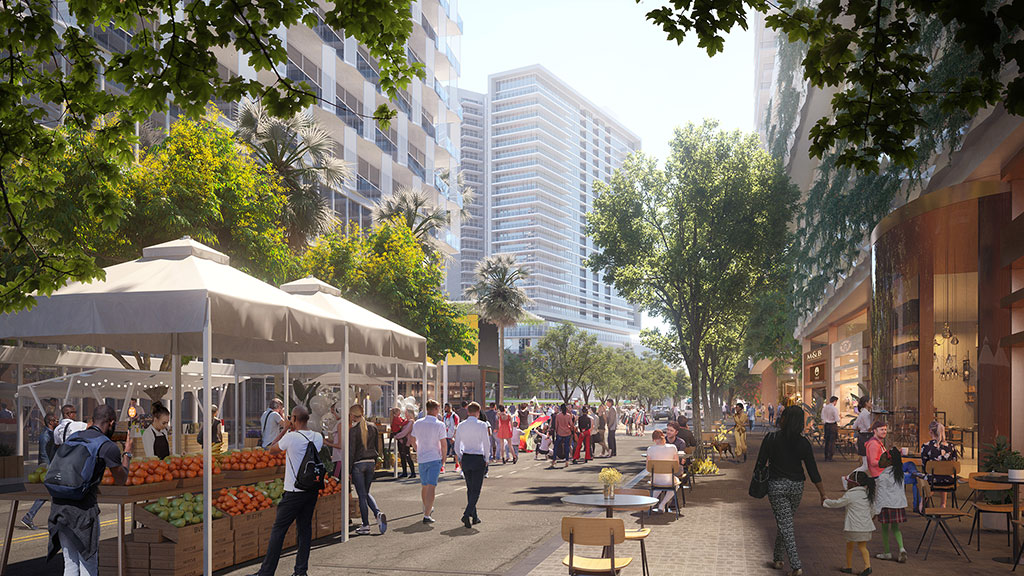
- Street-level retail storefronts
- Outdoor dining areas
- Public plazas and green spaces
- Bike infrastructure
These elements encourage people to spend time downtown rather than simply passing through.
Walkable environments also reduce traffic congestion and support environmental sustainability.
Urban planners now frequently design downtown districts around human-scale experiences rather than vehicle traffic.
The Economic Multiplier Effect of Commercial Development
Commercial real estate projects generate ripple effects throughout the local economy.
A new office building or retail center often triggers secondary economic activity.
For example:
- Construction projects create short-term jobs
- Office tenants attract service businesses
- Restaurants increase demand for food suppliers
- Increased property values boost municipal tax revenue
According to research from the Brookings Institution, revitalized downtown districts frequently become the highest-productivity zones in metropolitan economies.
These districts attract innovation, entrepreneurship, and cultural activity.
Challenges Developers and Cities Must Address
While commercial real estate can revitalize downtown areas, projects must address several challenges.
Without thoughtful planning, redevelopment can produce unintended consequences.
Common concerns include:
- Rising property values that displace small businesses
- Loss of historic character through excessive demolition
- Limited affordable housing
- Overreliance on office space in a remote-work era
Cities increasingly address these issues through policies such as:
- Inclusionary zoning
- Historic preservation guidelines
- Small-business leasing incentives
- Flexible zoning for office-to-residential conversions
Balancing growth with community stability remains essential for sustainable revitalization.

Frequently Asked Questions
What is downtown revitalization?
Downtown revitalization refers to efforts aimed at restoring economic activity, livability, and attractiveness in central urban districts through redevelopment, infrastructure improvements, and business investment.
Why is commercial real estate important for city centers?
Commercial real estate attracts businesses, creates jobs, increases foot traffic, and generates tax revenue that supports public services and infrastructure.
What is a mixed-use development?
A mixed-use development combines multiple property uses—such as residential, retail, office, and entertainment—within a single building or neighborhood.
How does commercial redevelopment affect small businesses?
When planned well, redevelopment increases customer traffic and demand for services, helping small businesses grow. However, rising rents can pose challenges if not managed carefully.
What role do local governments play in downtown revitalization?
City governments often provide zoning flexibility, infrastructure improvements, and tax incentives that encourage private investment in downtown redevelopment.
What is adaptive reuse in real estate?
Adaptive reuse involves repurposing existing buildings for new uses rather than demolishing them, preserving architectural heritage while reducing construction costs.
Are downtown districts still relevant after remote work?
Yes. Many cities are converting underused office buildings into residential or mixed-use developments to maintain downtown activity.
How long does downtown revitalization usually take?
Large redevelopment efforts often take 10–20 years as infrastructure improvements, commercial projects, and residential development gradually reshape the district.
What industries typically drive downtown growth?
Technology, finance, creative industries, hospitality, and entertainment businesses commonly anchor revitalized downtown areas.
Can commercial development improve public safety?
Yes. Increased foot traffic, better lighting, and active street-level businesses typically improve safety through continuous activity and natural surveillance.
Building the Next Generation of Downtown Districts
The future of American downtowns will depend on thoughtful commercial real estate strategies that prioritize diversity of use, walkability, and long-term economic resilience.
Cities that successfully combine office space, housing, retail, culture, and public spaces create environments where businesses and communities thrive together.
Commercial real estate is not simply about buildings—it shapes how people experience urban life.
When designed strategically, it becomes one of the most powerful tools for restoring vitality to downtown districts.
Key Insights at a Glance
- Commercial real estate is a major driver of downtown economic activity
- Mixed-use developments increase foot traffic and neighborhood vibrancy
- Adaptive reuse preserves historic architecture while reducing costs
- Public-private partnerships are essential for successful revitalization
- Walkable design and residential density support long-term sustainability
- Revitalized downtowns often become innovation and employment hubs
 Robert Weber