

Summary
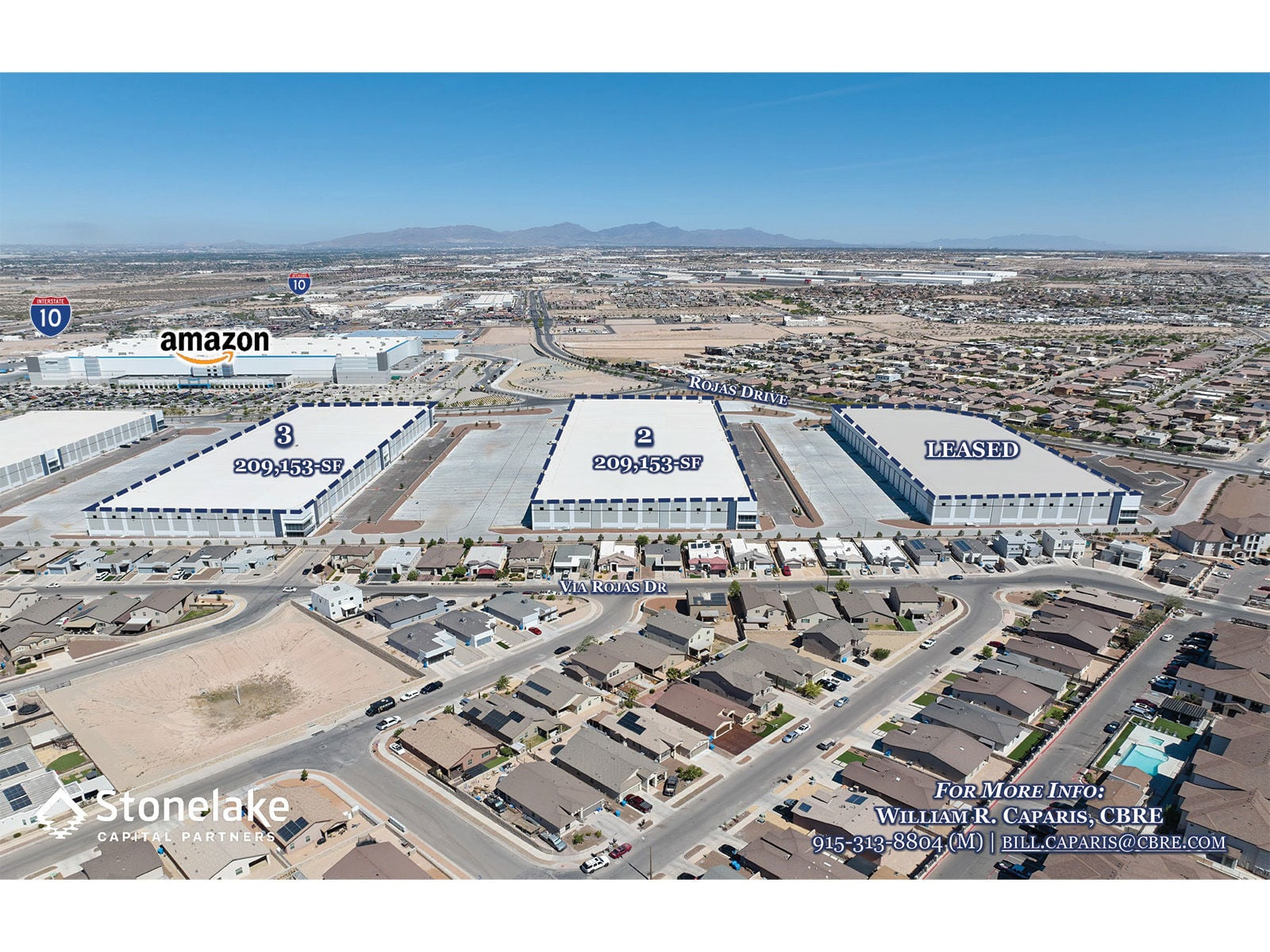
Logistics parks are rapidly expanding across the United States as e-commerce, manufacturing reshoring, and supply chain modernization reshape the freight landscape. These large industrial campuses combine warehouses, transportation infrastructure, and technology to accelerate distribution. Understanding where these parks are emerging, why they matter, and how they influence regional economies helps businesses, investors, and communities navigate America’s evolving logistics network.
The New Geography of American Logistics
Over the past decade, logistics parks have become one of the most significant developments in U.S. commercial real estate and supply chain infrastructure. These large-scale industrial campuses — often covering hundreds or even thousands of acres — are designed specifically to support modern freight distribution.
Unlike traditional standalone warehouses, logistics parks cluster multiple facilities together within a master-planned environment. They typically include:
- Distribution centers
- Fulfillment facilities
- Truck yards
- Rail intermodal connections
- Supporting infrastructure such as power, roadways, and office space
The goal is simple: concentrate logistics operations in locations optimized for transportation efficiency.
This trend accelerated dramatically after the surge in e-commerce demand during the COVID-19 pandemic. Companies realized their distribution networks needed greater flexibility, faster delivery times, and closer proximity to consumers.
According to CBRE, the United States added over 400 million square feet of industrial space annually in 2022 and 2023, much of it within large logistics parks.
For retailers, manufacturers, and third-party logistics providers, these developments are now essential infrastructure.
What Exactly Is a Logistics Park?
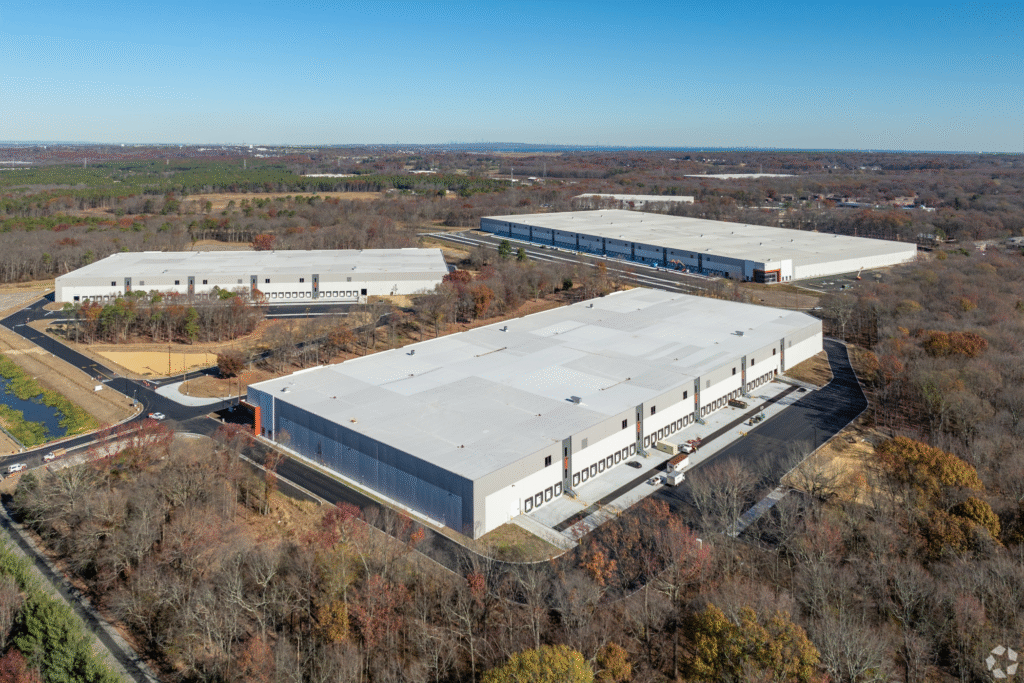
A logistics park is a master-planned industrial development designed to centralize supply chain operations.
While definitions vary slightly across developers, most logistics parks share several core characteristics:
- Large land footprint: typically 500–5,000+ acres
- Multiple warehouses or distribution centers
- Proximity to highways, ports, rail, or airports
- Shared infrastructure and utilities
- Designed truck circulation and staging areas
This model allows companies to move freight efficiently between different transport modes while benefiting from shared infrastructure.
For example, a logistics park may allow containers arriving by rail to be transferred directly to nearby warehouses, then dispatched by truck to regional retail markets.
These efficiencies can significantly reduce transportation costs and delivery times.
Why Logistics Parks Are Expanding So Quickly
Several structural forces are driving the rapid growth of logistics parks across the United States.
1. E-commerce and Faster Delivery Expectations
The rise of online shopping fundamentally changed how goods move.
Consumers now expect:
- Two-day shipping
- Next-day delivery
- Same-day fulfillment in many markets
To meet these expectations, companies must position inventory closer to population centers. Logistics parks enable this by offering large distribution hubs located strategically near major cities.
2. Supply Chain Resilience
The supply chain disruptions of 2020–2022 exposed vulnerabilities in global logistics networks.
Companies began restructuring supply chains to include:
- more domestic warehousing
- redundant distribution capacity
- diversified transportation routes
Logistics parks support these strategies by offering flexible industrial space that can scale with demand.
3. Growth of Third-Party Logistics Providers (3PLs)
Third-party logistics firms increasingly manage distribution for retailers and manufacturers.
These companies prefer large logistics parks because they allow them to:
- operate multiple client warehouses in one location
- share labor pools
- coordinate transportation services
Major 3PL providers often become anchor tenants in new developments.
4. Intermodal Transportation Expansion
Rail intermodal facilities — where containers transfer between trains and trucks — are often integrated directly into logistics parks.
This integration reduces freight handling costs and speeds distribution.
Major Logistics Park Regions in the United States
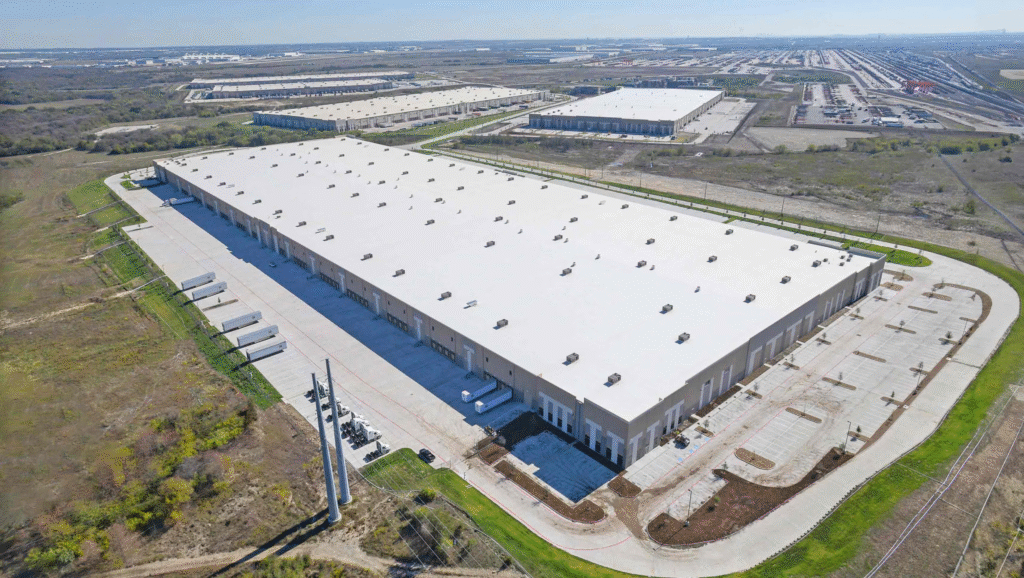
Logistics parks tend to cluster around transportation hubs and major consumer markets.
Several regions have emerged as national leaders.
Inland Empire, California
Located east of Los Angeles, the Inland Empire has become one of the largest warehouse markets in the world.
Key advantages include:
- proximity to the Ports of Los Angeles and Long Beach
- access to major interstate highways
- large developable land areas
Millions of containers arriving from Asia are distributed through logistics parks here before moving across the country.
Dallas–Fort Worth, Texas
The Dallas–Fort Worth region has become a logistics powerhouse due to its central U.S. location.
Companies can reach most major American markets within two days by truck from this location.
Major logistics parks in the region often exceed 1,000 acres, hosting dozens of distribution facilities.
Chicago Intermodal Corridor
Chicago remains one of the most important freight hubs in North America.
Six of the seven major U.S. railroads connect through the region, making it ideal for intermodal logistics parks.
Large developments near Joliet and Elwood have transformed former agricultural land into massive freight campuses.
Savannah and Southeast Port Markets
Ports across the Southeast are expanding rapidly.
The Port of Savannah, in particular, has driven major logistics development across Georgia due to rising container volumes.
Warehousing demand near the port continues to grow as companies shift supply chains toward East Coast gateways.
What Businesses Gain From Operating Inside Logistics Parks
For companies managing complex supply chains, locating inside a logistics park provides several operational advantages.
Integrated transportation access
Many logistics parks are built directly alongside:
- interstate highways
- rail intermodal terminals
- cargo airports
- seaports
This reduces freight transfer times.
Labor market concentration
Industrial parks attract large logistics workforces, allowing companies to recruit from established labor pools.
Scalable real estate options
Companies can expand into adjacent buildings within the same park rather than relocating operations.
Shared infrastructure
Developers often provide centralized infrastructure such as:
- truck parking
- maintenance facilities
- security
- utilities and power upgrades
These shared services reduce operating complexity.
Economic Impact on Local Communities
The expansion of logistics parks has become a major economic development strategy for many states and municipalities.
Local governments often support these projects because they generate:
- thousands of jobs
- new tax revenue
- infrastructure investment
- regional supply chain competitiveness
A single large logistics park may host 10,000+ workers across multiple distribution centers.
For example, industrial developments near Chicago’s intermodal terminals have transformed entire regional economies.
However, growth also raises concerns about traffic, land use, and environmental impacts. Communities increasingly demand better planning around truck routes, emissions, and workforce housing.
Balancing economic benefits with community impact remains a central challenge.
How Developers Design Modern Logistics Parks
Developing a logistics park requires far more planning than building a single warehouse.
Key design considerations include transportation flow, infrastructure capacity, and long-term expansion.
Typical features include:
- Wide internal road networks designed for heavy truck traffic
- Large trailer staging yards
- Rail spurs or intermodal connections
- High-capacity electrical infrastructure
- Stormwater and environmental mitigation systems
Developers must also anticipate future logistics trends.
Many new parks are designed to accommodate:
- automation and robotics
- electric truck charging infrastructure
- high-power distribution systems for advanced fulfillment centers
These design decisions influence the park’s competitiveness for decades.
The Role of Technology in Next-Generation Logistics Parks
Technology is rapidly transforming how logistics parks operate.
Warehouses inside these developments increasingly rely on:
- robotics for order picking
- automated storage systems
- AI-driven inventory management
- digital freight coordination platforms
Some logistics parks are also experimenting with smart infrastructure, such as sensors that monitor truck movement, traffic flow, and energy usage.
In the future, autonomous trucks and drone delivery systems could further change how freight moves within these campuses.
While these technologies are still evolving, logistics parks provide the large, controlled environments necessary for testing and scaling them.
Environmental Pressures and Sustainability Initiatives
As logistics infrastructure expands, environmental concerns have become more prominent.
Large warehouse clusters can increase truck traffic and energy consumption.
In response, developers are implementing sustainability initiatives such as:
- rooftop solar installations
- electric truck charging stations
- energy-efficient building designs
- improved stormwater management systems
Several logistics parks are also pursuing LEED-certified industrial buildings.
California and other states are introducing stricter emissions regulations for freight transportation, which will likely accelerate the shift toward electrified logistics infrastructure.
What the Future Holds for U.S. Logistics Parks
The growth of logistics parks is expected to continue through the next decade.
Several trends are shaping the next phase of development:
Nearshoring and domestic manufacturing
As more production moves closer to North American markets, logistics infrastructure will expand to support regional supply chains.
Population-center distribution
More logistics parks will emerge near fast-growing metro areas in the South and Southwest.
Automation-ready facilities
New warehouses will be designed specifically for robotic fulfillment systems.
Energy-intensive infrastructure
Large distribution centers require substantial power capacity, making electrical grid access a key site selection factor.
For investors, developers, and supply chain leaders, logistics parks are becoming the backbone of modern freight networks.
Understanding how they function — and where they’re expanding — provides valuable insight into the future of American commerce.
Common Questions About Logistics Parks in the United States
What is the difference between a warehouse and a logistics park?
A warehouse is a single storage or distribution facility. A logistics park is a large industrial campus containing multiple warehouses, transportation infrastructure, and shared services designed to support integrated supply chain operations.
Why are logistics parks usually built near highways or ports?
Transportation access is critical. Locations near highways, rail lines, airports, or seaports allow freight to move quickly between transportation modes and reduce delivery times.
How large are typical logistics parks?
Many logistics parks cover 500 to 3,000 acres, though some exceed 5,000 acres depending on land availability and transportation infrastructure.
Which states are seeing the most logistics park growth?
Texas, California, Georgia, Illinois, and Pennsylvania are among the fastest-growing regions due to strong transportation networks and large consumer markets.
Do logistics parks create jobs?
Yes. Large developments can support thousands of jobs in warehousing, transportation, operations management, and logistics technology.
Why are companies shifting toward large logistics campuses?
Centralized logistics parks improve efficiency by clustering warehouses, transportation access, and workforce availability in a single location.
Are logistics parks environmentally sustainable?
Developers are increasingly implementing solar energy, energy-efficient buildings, and electric vehicle infrastructure, though concerns about truck emissions and land use remain.
How do logistics parks affect local traffic?
Truck traffic often increases significantly. Communities sometimes require designated truck routes or infrastructure upgrades to manage congestion.
Who typically develops logistics parks?
Major industrial real estate developers, logistics infrastructure firms, and occasionally port authorities or public-private partnerships.
Will automation reduce jobs in logistics parks?
Automation may change job types, but logistics demand continues to grow, meaning many parks still require large workforces for operations, maintenance, and management.
Freight Infrastructure That Will Shape the Next Decade
Logistics parks represent one of the most visible physical transformations happening across the American supply chain. As commerce becomes faster, more digital, and more geographically distributed, these large-scale industrial ecosystems are redefining how goods move from manufacturers to consumers.
For communities, they bring economic opportunity along with planning challenges. For businesses, they provide the infrastructure necessary to meet rising delivery expectations.
Their expansion offers a clear signal: the future of logistics will be built not just on warehouses, but on integrated freight campuses designed for speed, scale, and adaptability.
Key Insights at a Glance
- Logistics parks cluster multiple warehouses within master-planned industrial campuses
- E-commerce growth and supply chain resilience are major drivers of expansion
- Major hubs include the Inland Empire, Dallas–Fort Worth, Chicago, and Savannah
- Intermodal rail connections are increasingly integrated into developments
- Automation, robotics, and AI are shaping next-generation logistics facilities
- Sustainability initiatives are becoming a priority for new parks
- Logistics parks can support thousands of jobs and significant regional investment
 Robert Weber