

Summary
Industrial land selection is one of the most critical decisions in any development project. Developers must evaluate zoning regulations, infrastructure access, logistics networks, environmental risks, and long-term market demand before construction begins. Understanding these factors helps ensure projects remain financially viable, compliant with regulations, and strategically positioned for industrial growth in the United States.
Why Industrial Land Selection Matters
Industrial development is expanding rapidly across the United States, driven by e-commerce growth, domestic manufacturing initiatives, and the need for modern logistics infrastructure. According to the U.S. Census Bureau, private construction spending on manufacturing facilities reached record levels in recent years, reflecting increased investment in domestic production.
Before a warehouse, factory, or logistics center is built, developers spend months—sometimes years—evaluating land options. The wrong location can create long-term operational challenges, while the right site can support efficient distribution, strong tenant demand, and stable returns.
Industrial land evaluation goes far beyond price per acre. Developers analyze a complex mix of regulatory, environmental, logistical, and financial considerations.
Zoning and Land Use Regulations
Zoning regulations are typically the first filter in industrial land evaluation. Local municipalities control how land can be used, and not all areas permit industrial activity.
Developers must ensure that a parcel is designated for industrial or heavy commercial use before investing significant time and capital. Even when zoning appears compatible, additional restrictions may apply.
Key zoning considerations include:
- Permitted industrial uses (manufacturing, warehousing, distribution)
- Height restrictions for buildings
- Noise and emissions limitations
- Truck traffic regulations
- Environmental compliance requirements
- Setbacks and building coverage ratios
For example, a developer planning a distribution warehouse in Texas may find a site zoned for light industrial use but restricted from operating 24-hour trucking operations. That limitation could significantly impact logistics efficiency and tenant demand.
Many projects require rezoning or conditional use approvals, which can add months to the development timeline.
Access to Transportation Infrastructure
Industrial properties depend heavily on transportation networks. Developers evaluate how efficiently goods can move between the facility and regional or national distribution routes.
Transportation access typically includes:
- Interstate highway connectivity
- Proximity to major freight corridors
- Access to rail infrastructure
- Distance to ports or intermodal terminals
- Airport cargo facilities nearby
For example, distribution centers near the I-80 corridor in the Midwest benefit from direct coast-to-coast trucking routes. Similarly, industrial sites near Port of Los Angeles logistics hubs have become critical nodes in global supply chains.
Poor transportation access can increase operational costs for tenants and reduce long-term leasing potential.
Utility Capacity and Infrastructure Availability
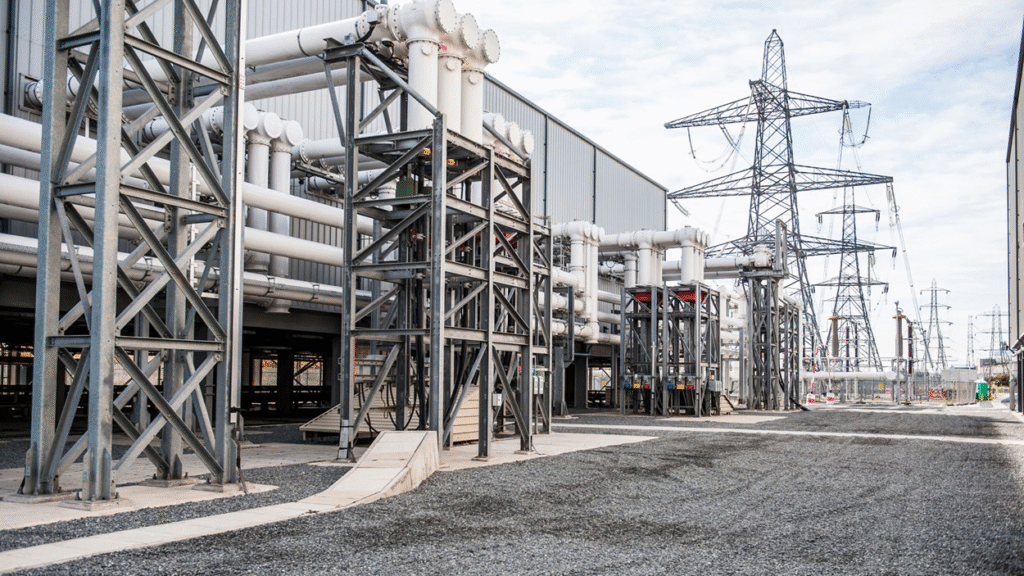
Industrial facilities often require significant infrastructure capacity. Power, water, wastewater systems, and telecommunications must be sufficient to support large-scale operations.
Developers typically conduct utility feasibility studies before purchasing land.
Critical infrastructure considerations include:
- Electrical capacity for manufacturing equipment
- High-voltage power availability
- Municipal water supply
- Wastewater treatment capacity
- Fiber internet connectivity
- Natural gas access for energy-intensive operations
For instance, semiconductor manufacturing plants require extremely high electrical loads and advanced water purification systems. Without adequate infrastructure, a site may require expensive upgrades before construction begins.
Site Size, Configuration, and Expandability
Industrial buildings often require large footprints and efficient layouts to support truck circulation and storage operations.
Developers examine whether a parcel can support:
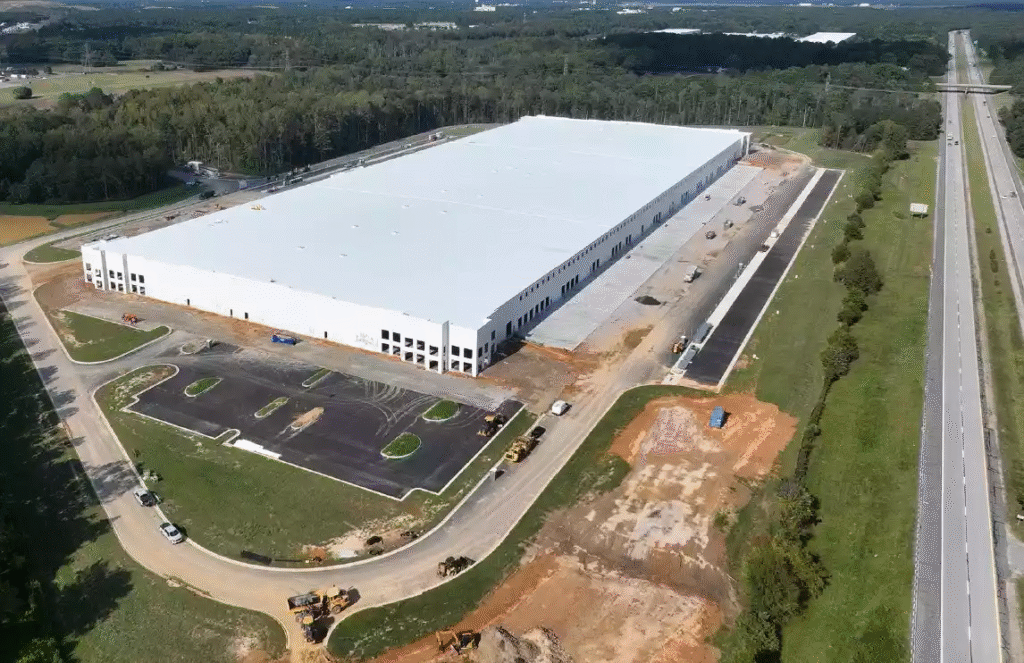
- Large warehouse footprints (often 500,000+ square feet)
- Truck courts and trailer storage areas
- Employee parking
- Loading docks and staging zones
- Future building expansions
The shape of the parcel is also important. Rectangular parcels with road frontage typically allow for more efficient building layouts compared to irregularly shaped lots.
In many logistics developments, future expansion potential is a major advantage. Developers often prefer sites that allow for phased development, where additional buildings can be added later as demand grows.
Environmental and Soil Conditions
Environmental assessments are a standard part of industrial land acquisition in the United States. Developers must ensure that the land does not contain contamination or ecological restrictions that could delay construction.
Typical environmental due diligence includes:
- Phase I Environmental Site Assessments
- Wetland identification
- Floodplain analysis
- Soil testing and geotechnical reports
- Endangered species evaluations
For example, a parcel located near a protected wetland may require federal permitting through the U.S. Army Corps of Engineers, potentially delaying development.
Soil stability is equally important. Weak soil conditions can require expensive foundation reinforcement before construction begins.
Labor Market and Workforce Access
Industrial tenants increasingly prioritize locations with access to a reliable workforce. Distribution centers, manufacturing plants, and logistics hubs all depend on labor availability.
Developers often study regional workforce data, including:
- Local population growth
- Labor force participation rates
- Manufacturing employment trends
- Commuting patterns
- Access to technical training programs
For example, industrial development in states like Texas, Tennessee, and Georgia has grown partly because these regions offer both affordable land and strong labor availability.
Workforce proximity can influence tenant demand just as much as transportation infrastructure.
Market Demand and Regional Growth
Developers analyze economic trends to determine whether a region can support long-term industrial demand.
Key indicators include:
- Growth in e-commerce distribution
- Regional population expansion
- Manufacturing investment
- Logistics industry growth
- Vacancy rates in nearby industrial properties
According to CBRE, U.S. industrial vacancy rates have historically remained low compared to other commercial property sectors, reflecting strong demand for logistics and warehouse space.
However, market conditions vary widely between regions. Developers must assess whether demand in a specific area is sustainable over time.
Financial Feasibility and Development Costs
Industrial land may appear affordable initially, but development costs can significantly affect project viability.
Developers evaluate several financial factors:
- Land acquisition costs
- Site preparation and grading expenses
- Infrastructure extension costs
- Environmental mitigation expenses
- Permitting and entitlement fees
In some cases, the cost of preparing the land exceeds the initial purchase price. For example, a heavily wooded site may require extensive clearing and grading before construction can begin.
Developers often run detailed financial models to determine whether the expected rental income will justify the total development investment.
Government Incentives and Economic Development Programs
Local governments frequently offer incentives to attract industrial development, particularly for projects that create jobs.
These incentives may include:
- Property tax abatements
- Infrastructure grants
- Workforce training programs
- Industrial development bonds
- Sales tax exemptions on equipment
For example, states like South Carolina and Indiana have successfully attracted large manufacturing investments through coordinated incentive programs.
Developers carefully evaluate these opportunities when choosing between multiple potential sites.
Long-Term Industrial Trends Influencing Site Selection
Industrial real estate is evolving as supply chains modernize and automation increases. Developers are increasingly considering future trends when selecting land.
Important trends include:
- Larger warehouse footprints for automation
- Higher clear heights for storage efficiency
- Electric vehicle charging infrastructure
- Sustainability and energy-efficient building design
- Proximity to urban distribution centers
Industrial development today is often designed with 20–30 year operational lifecycles, making future adaptability an important factor in land selection.
Frequently Asked Questions
What is industrial land used for?
Industrial land is used for warehouses, manufacturing plants, logistics centers, distribution hubs, and other facilities involved in production or goods movement.
How do developers evaluate industrial land before buying it?
Developers conduct feasibility studies, zoning reviews, environmental assessments, infrastructure analysis, and financial modeling to determine whether the site supports construction.
Why is highway access important for industrial land?
Efficient highway access reduces transportation costs and improves distribution speed, making the property more attractive to logistics companies and tenants.
What environmental checks are required before construction?
Developers typically conduct Phase I environmental site assessments, wetland studies, soil tests, and floodplain evaluations.
What size is typical for industrial land development?
Industrial projects vary widely, but many logistics facilities require parcels between 20 and 100 acres depending on building size and parking requirements.
Can agricultural land be converted into industrial land?
Yes, but it usually requires rezoning approval from local governments and may involve infrastructure upgrades.
What role does workforce availability play in site selection?
Access to a skilled workforce helps industrial tenants operate efficiently and influences leasing demand.
How long does it take to prepare industrial land for construction?
Depending on permitting, infrastructure upgrades, and environmental reviews, preparation may take six months to several years.
Are industrial developments expanding in the United States?
Yes. E-commerce growth, domestic manufacturing investment, and logistics demand have fueled strong industrial development across many regions.
Do government incentives influence where developers build?
Yes. Tax incentives, grants, and infrastructure support can significantly affect the financial feasibility of a project.
Choosing Land That Supports Decades of Industrial Activity
Industrial development decisions shape local economies and supply chains for decades. Selecting the right land requires careful evaluation of infrastructure, regulations, environmental conditions, and long-term economic trends.
Successful developers approach land selection with a strategic mindset—balancing logistics efficiency, construction feasibility, and tenant demand. When these factors align, industrial land can become the foundation for thriving manufacturing hubs, logistics centers, and distribution networks across the country.
Key Insights at a Glance
- Industrial land selection begins with zoning and regulatory review
- Transportation infrastructure strongly influences logistics efficiency
- Utility capacity is critical for manufacturing and large-scale facilities
- Environmental assessments protect projects from costly delays
- Workforce access affects tenant demand and operational success
- Market demand analysis guides long-term investment decisions
- Government incentives can improve development feasibility
 Robert Weber