

Summary
Cold storage real estate has become one of the fastest-growing segments of industrial property as grocery distribution evolves across the United States. Rising demand for fresh food, online grocery delivery, and resilient supply chains is reshaping warehouse design and location strategy. This article explains how cold storage facilities support modern grocery logistics and why investors, developers, and retailers are paying closer attention.
The Expanding Role of Cold Storage in the U.S. Grocery Supply Chain
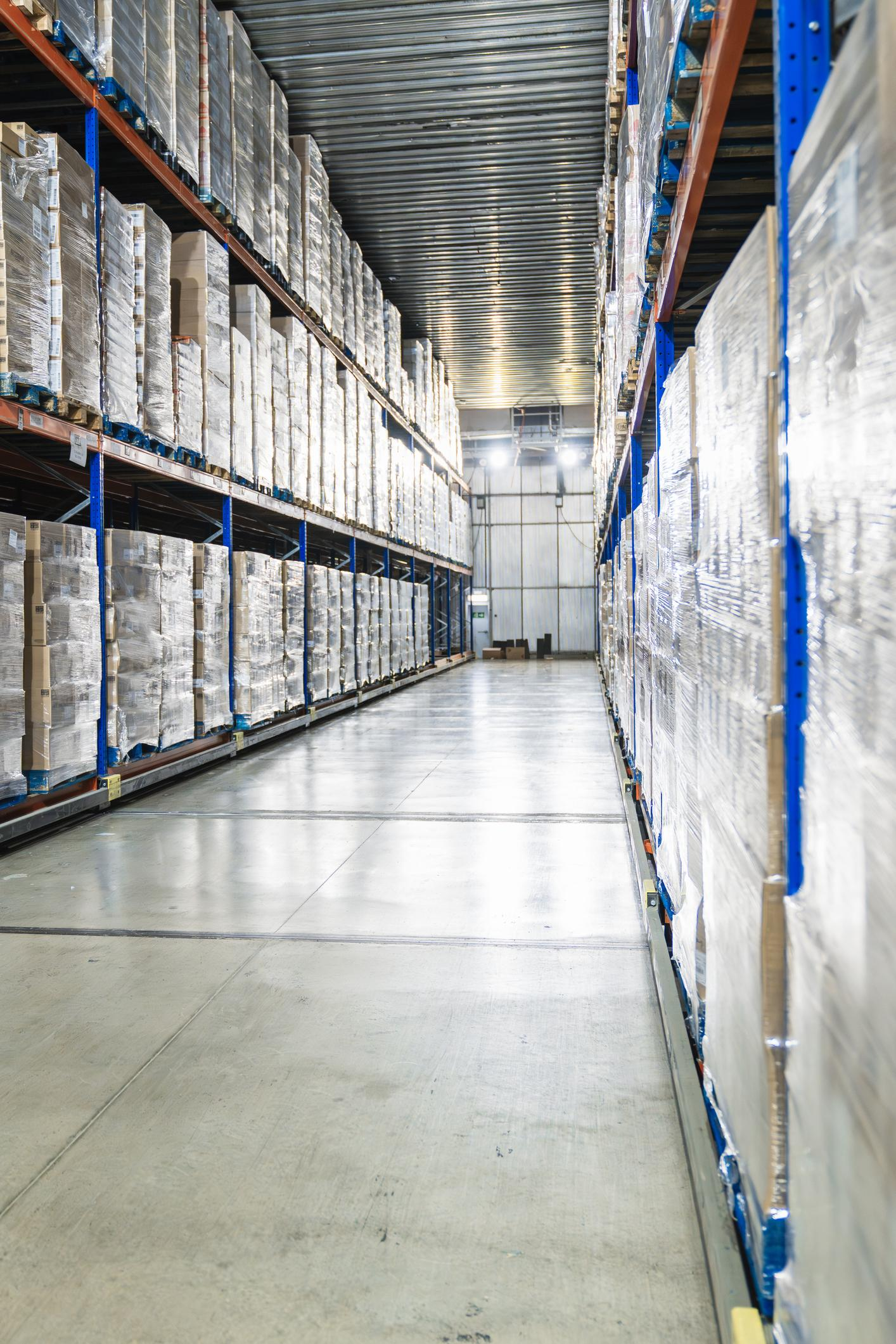
Cold storage real estate—specialized warehouses designed to store temperature-sensitive goods—has become a crucial part of the American grocery distribution network. From frozen meals to fresh produce and dairy products, supermarkets depend on these facilities to maintain product quality from farm to shelf.
Over the past decade, the grocery supply chain has become far more complex. Consumers expect year-round access to perishable foods, rapid restocking of stores, and increasingly fast home delivery. As a result, retailers and distributors are investing heavily in temperature-controlled logistics infrastructure.
Cold storage warehouses are no longer simply storage spaces. Modern facilities are advanced logistics hubs designed to handle large volumes of food while maintaining strict temperature requirements. They play a critical role in ensuring food safety, reducing spoilage, and keeping grocery shelves stocked.
Several structural shifts are driving demand for cold storage real estate across the United States:
- Growth of online grocery shopping and rapid delivery services
- Increased demand for fresh and frozen foods
- Expansion of regional grocery distribution networks
- Rising food safety and traceability standards
- Globalized supply chains requiring temperature control during transit
These trends have turned cold storage into one of the most specialized and valuable segments of industrial real estate.
Why Grocery Distribution Is Driving Cold Storage Demand
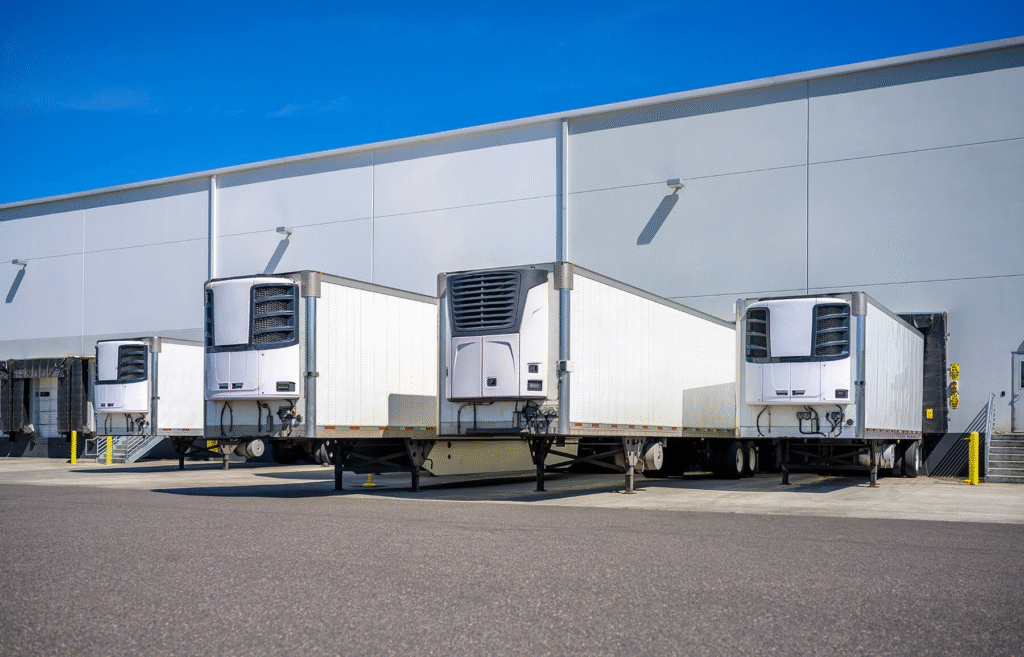
The modern grocery distribution model relies heavily on centralized logistics systems. Retail chains and food distributors typically move products through regional distribution centers before sending them to individual stores.
Cold storage facilities support this system by maintaining specific temperature ranges for different food categories.
Common temperature zones inside grocery distribution facilities include:
- Frozen storage: typically around -10°F to 0°F for frozen meals, meats, and ice cream
- Refrigerated storage: roughly 32°F to 40°F for dairy, produce, and fresh foods
- Cool storage: slightly above refrigeration levels for beverages and prepared foods
Because many grocery products require precise temperature conditions, warehouses must include specialized insulation, refrigeration systems, and monitoring technologies.
The growth of national grocery chains has amplified this need. Retailers such as large supermarket operators depend on regional cold storage hubs to serve dozens—or even hundreds—of stores within a geographic area.
For example, a single grocery distribution center may supply hundreds of thousands of households each week. Without reliable cold storage infrastructure, maintaining consistent food quality would be nearly impossible.
The Impact of E-Commerce Grocery Delivery
Online grocery shopping has significantly increased demand for cold storage real estate. The COVID-19 pandemic accelerated this shift, but the trend has remained strong even after in-store shopping resumed.
According to industry research from the Food Industry Association (FMI) and logistics analysts, online grocery sales in the U.S. now represent tens of billions of dollars annually and continue to grow.
E-commerce grocery operations require additional logistics capacity because orders must be:
- picked individually
- packed quickly
- stored at appropriate temperatures
- delivered within narrow time windows
This operational complexity has pushed grocery companies to build new temperature-controlled facilities closer to major population centers.
In many urban markets, grocery delivery networks depend on smaller cold storage hubs known as micro-fulfillment centers. These facilities are often located within or near cities to shorten delivery times.
For real estate developers, this shift has created demand for cold storage properties in locations that were previously dominated by traditional warehouses.
What Makes Cold Storage Real Estate Different From Standard Warehouses?
Cold storage facilities are significantly more complex and expensive to build than conventional industrial warehouses. The engineering requirements are specialized, and operating costs are much higher due to refrigeration and energy consumption.
Typical features of modern cold storage properties include:
- Advanced refrigeration systems
- High-performance insulation panels
- Temperature monitoring and automation systems
- Sealed loading docks to prevent temperature loss
- Specialized flooring that withstands freezing conditions
- Backup power systems to prevent product loss
Construction costs for cold storage facilities can be two to three times higher than standard dry warehouses, depending on the level of automation and refrigeration technology.
However, these higher costs are often offset by strong tenant demand and long-term lease agreements from grocery chains and food distributors.
Cold storage properties also tend to have limited supply because building them requires specialized expertise. This scarcity has made them increasingly attractive to industrial real estate investors.
Strategic Locations for Cold Storage Development
Location plays a critical role in the success of grocery distribution infrastructure. Cold storage facilities must be positioned carefully within regional logistics networks.
Developers typically consider several geographic factors when selecting sites.
Key location priorities include:
- Proximity to major highways and transportation corridors
- Access to large metropolitan populations
- Close connections to ports or rail terminals
- Reliable electricity infrastructure
- Adequate industrial zoning
Many new cold storage developments are emerging near large logistics clusters in states such as:
- Texas
- California
- Illinois
- Pennsylvania
- Georgia
These regions combine strong transportation infrastructure with large consumer markets.
For example, major distribution hubs near Chicago serve grocery stores across the Midwest, while facilities in Southern California support both domestic distribution and imports arriving through West Coast ports.
Automation and Technology Inside Modern Cold Storage Facilities
Technology is transforming how cold storage warehouses operate. Many newer facilities incorporate automation systems that help reduce labor costs and improve efficiency.
Automation is particularly valuable in frozen environments where working conditions can be physically demanding.
Examples of advanced cold storage technologies include:
- robotic pallet handling systems
- automated storage and retrieval systems (ASRS)
- temperature monitoring sensors connected to cloud systems
- warehouse management software for inventory tracking
- energy-efficient refrigeration equipment
These innovations allow grocery distributors to move products faster while maintaining strict food safety standards.
Automation can also increase storage density by allowing warehouses to stack goods higher than traditional manual operations would permit.
Cold Storage Real Estate as an Investment Asset
For investors, cold storage properties represent a specialized niche within industrial real estate. While the sector requires higher upfront costs and technical expertise, it can offer relatively stable long-term income.
Several characteristics make cold storage appealing to institutional investors:
- long-term leases with grocery distributors or food companies
- limited supply of specialized facilities
- growing demand driven by food logistics
- high switching costs for tenants
Once a distributor has installed equipment and integrated a facility into its supply chain, relocating operations can be expensive and disruptive. This creates a degree of tenant stability for property owners.
Real estate investment firms have increasingly targeted temperature-controlled logistics facilities as part of their industrial property portfolios.
Challenges Facing Cold Storage Development
Despite strong demand, developing cold storage real estate presents several challenges.
Energy consumption is one of the most significant issues. Refrigeration systems require substantial electricity, and operators must manage energy costs carefully.
Other development challenges include:
- high construction costs
- complex permitting processes
- limited contractors with refrigeration expertise
- increasing land costs near urban markets
Environmental regulations and sustainability expectations are also shaping how facilities are designed.
Developers are exploring energy-efficient refrigeration technologies, solar power integration, and improved insulation to reduce environmental impact while maintaining operational efficiency.
The Future of Grocery Distribution Infrastructure
Looking ahead, cold storage real estate is expected to remain an essential component of the American food distribution system.
Several long-term trends suggest continued demand for temperature-controlled logistics facilities.
These include:
- population growth in major metropolitan regions
- rising demand for fresh foods and prepared meals
- expansion of grocery delivery services
- improvements in supply chain technology
- investment in regional distribution networks
As grocery supply chains become more data-driven and logistics-focused, cold storage facilities will likely evolve into highly automated, strategically located infrastructure hubs.
For real estate developers and investors, understanding the role of these properties within the broader food system will be increasingly important.
Frequently Asked Questions
What is cold storage real estate?
Cold storage real estate refers to temperature-controlled warehouses used to store perishable goods such as food, pharmaceuticals, and agricultural products. These facilities maintain specific temperature ranges to preserve product quality and safety.
Why is cold storage important for grocery distribution?
Cold storage facilities allow grocery retailers and distributors to safely store and transport perishable products, ensuring fresh food reaches stores and consumers without spoilage.
Are cold storage warehouses more expensive to build?
Yes. Cold storage warehouses typically cost two to three times more to build than standard industrial warehouses because they require refrigeration systems, specialized insulation, and temperature monitoring technology.
Where are most cold storage facilities located in the U.S.?
Many facilities are located near major logistics hubs, including regions around Chicago, Dallas, Atlanta, Los Angeles, and major port cities.
How does online grocery shopping affect cold storage demand?
Online grocery services require faster fulfillment and more localized inventory, increasing demand for cold storage facilities near urban populations.
What companies typically lease cold storage warehouses?
Tenants often include grocery chains, food distributors, frozen food manufacturers, third-party logistics companies, and meal delivery services.
What temperatures are maintained in cold storage facilities?
Temperature zones typically include frozen storage around -10°F, refrigerated storage around 32°F to 40°F, and cooler areas slightly above refrigeration levels.
Are cold storage properties considered good investments?
Many investors view cold storage as an attractive niche due to long-term leases, limited supply, and growing demand driven by food logistics.
How is automation changing cold storage warehouses?
Automation technologies such as robotic storage systems and advanced warehouse management software improve efficiency and reduce labor requirements.
What sustainability challenges exist in cold storage real estate?
Energy consumption is the primary challenge. Developers are exploring energy-efficient refrigeration systems, solar energy integration, and improved insulation to reduce environmental impact.
Distribution Infrastructure at the Center of Modern Food Logistics
Cold storage real estate sits at the intersection of industrial property and the everyday logistics of feeding millions of Americans. As grocery distribution networks expand and consumer expectations continue to evolve, temperature-controlled facilities will remain essential to maintaining reliable food supply chains.
Developers, investors, and retailers increasingly recognize that these properties are not simply warehouses. They are critical infrastructure supporting national food systems, urban delivery networks, and regional grocery distribution strategies.
Key Insights at a Glance
- Cold storage facilities support the storage and distribution of perishable grocery products
- Demand is rising due to online grocery delivery and fresh food consumption
- These properties are significantly more complex and expensive than standard warehouses
- Strategic locations near urban markets and logistics hubs are essential
- Automation and technology are transforming warehouse operations
- Investors are increasingly interested in temperature-controlled logistics real estate
 Robert Weber