

Summary
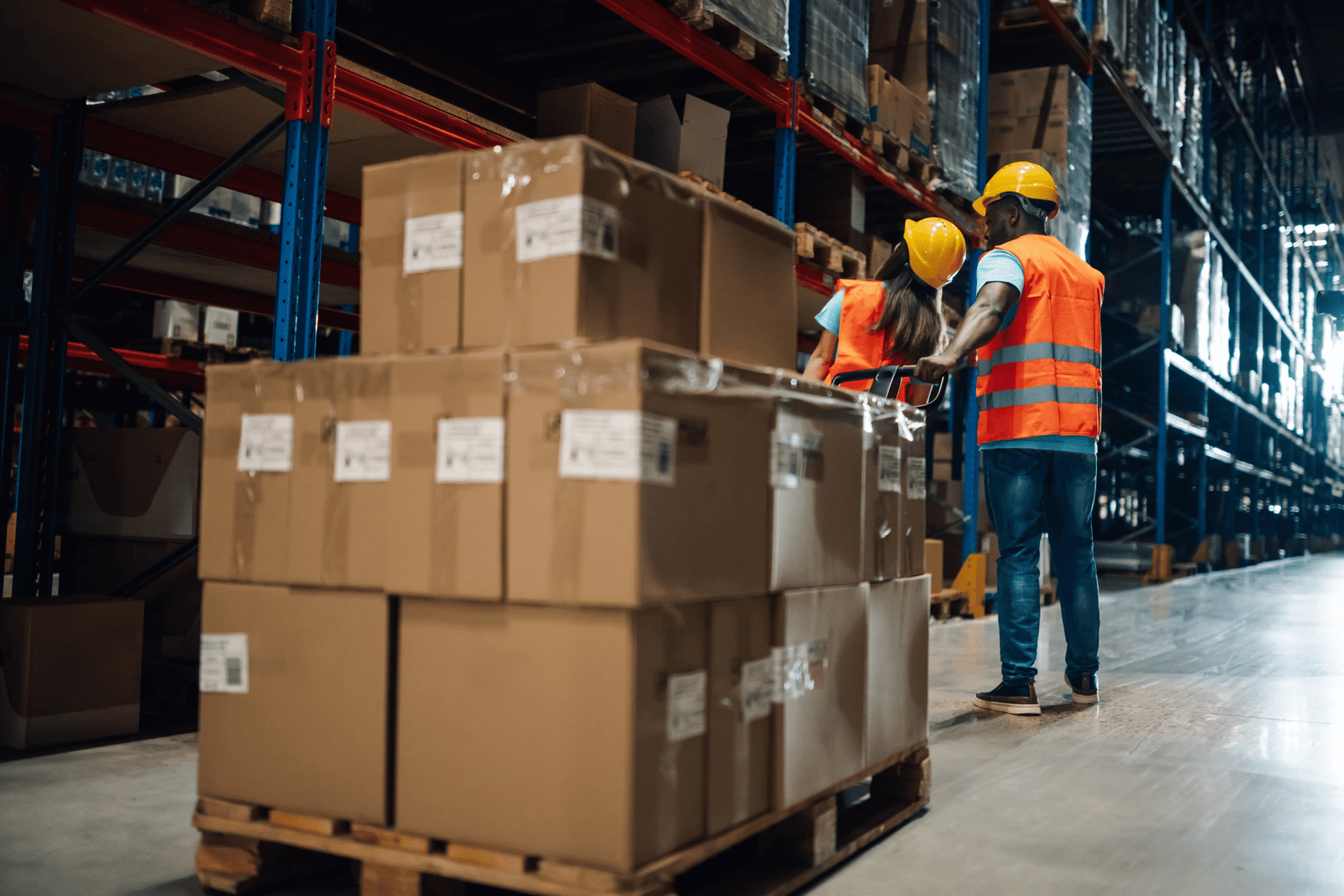
Industrial real estate has become one of the most resilient asset classes in U.S. commercial property. Driven by e-commerce, supply-chain restructuring, and advanced manufacturing, demand for warehouses, distribution hubs, and logistics facilities is accelerating. Over the next decade, investors will face new opportunities—and risks—as automation, location strategy, infrastructure investment, and sustainability reshape how industrial properties are developed, valued, and leased.
Why Industrial Real Estate Is Gaining Investor Attention
Over the past decade, industrial property has quietly transformed from a niche commercial asset into one of the most sought-after real estate categories in the United States. While office and retail sectors have faced volatility, industrial real estate—especially logistics facilities and distribution centers—has seen steady demand.
A major driver of this shift is the growth of e-commerce. According to data from the U.S. Census Bureau, online retail sales now account for roughly 15–16% of total retail spending, and logistics infrastructure must expand to support that growth. Every additional billion dollars in e-commerce sales requires millions of square feet of warehouse space to handle fulfillment, returns, and inventory.
Institutional investors have noticed. Pension funds, private equity firms, and real estate investment trusts (REITs) have significantly increased allocations to industrial property. Cap rates for prime logistics assets in major U.S. markets have compressed considerably over the past decade, reflecting strong demand and long-term confidence.
Industrial real estate is no longer simply about storage. Today’s facilities function as technology-enabled distribution systems that power modern commerce.
The Rise of E-Commerce Logistics Infrastructure
The e-commerce boom has permanently altered industrial property demand. Retail supply chains now require a complex network of fulfillment centers, last-mile delivery hubs, and regional distribution facilities.
Companies such as Amazon, Walmart, and Target have invested billions of dollars building logistics ecosystems designed for rapid delivery. Same-day and next-day shipping expectations mean that inventory must be located closer to consumers than ever before.
This trend is creating strong demand for three primary types of facilities:
- Large regional fulfillment centers (500,000–1 million+ square feet)
- Mid-size distribution hubs near transportation corridors
- Last-mile urban warehouses located within major metro areas
For investors, last-mile facilities have become especially valuable. These properties sit near population centers and major highways, enabling rapid delivery times.
For example, a converted industrial building in northern New Jersey—located within 20 miles of Manhattan—can command significantly higher rents than similar facilities located farther from dense population clusters. The value lies not in the building itself, but in the strategic logistics location.
Over the next decade, as consumer expectations for delivery speed continue to rise, demand for urban logistics facilities is likely to remain strong.
Supply Chain Reshoring and Domestic Manufacturing
Another major force shaping industrial property investment is supply-chain reshoring.
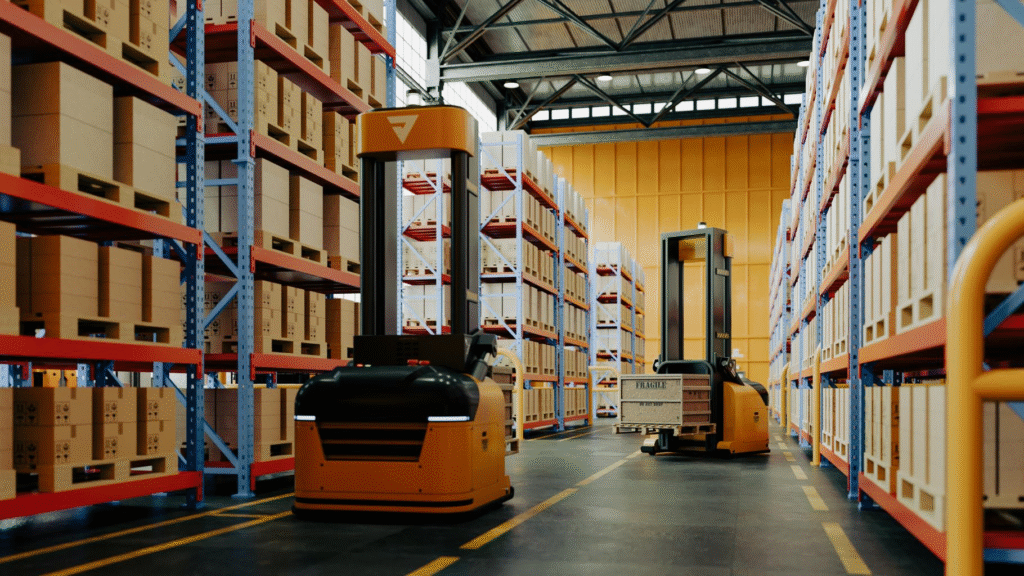
After years of offshoring production overseas, many U.S. companies are reconsidering where goods are manufactured. The COVID-19 pandemic exposed vulnerabilities in global supply chains, particularly when overseas factories shut down and shipping delays disrupted inventory flows.
As a result, businesses are diversifying production locations and bringing more manufacturing capacity closer to North American markets.
Government policy is accelerating this shift. Major federal initiatives—such as the CHIPS and Science Act and the Inflation Reduction Act—have encouraged investment in domestic semiconductor production, electric vehicle manufacturing, and clean energy infrastructure.
These trends are generating demand for specialized industrial properties including:
- Advanced manufacturing facilities
- Semiconductor fabrication plants
- EV battery production plants
- Supplier component warehouses
In regions like Arizona, Texas, and Ohio, new manufacturing campuses are creating ripple effects across local real estate markets. Suppliers, logistics providers, and distribution companies often cluster near these large facilities, increasing demand for industrial land and warehouse space.
For investors willing to target emerging manufacturing hubs, the next decade may present significant opportunities.
Automation and Smart Warehouses
Modern warehouses look very different from the storage facilities of the past. Automation technology is transforming how goods move through logistics centers.
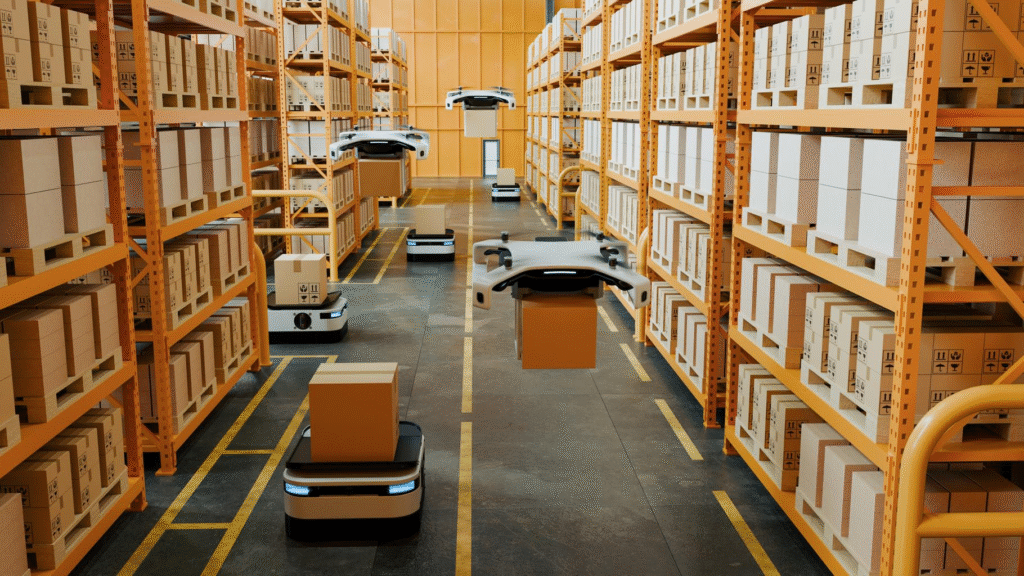
Robotics, AI-driven inventory management systems, and automated conveyor networks are becoming standard features in new industrial developments. These systems allow companies to process orders faster while reducing labor costs.
From a property investment perspective, this trend is influencing building design in several ways:
- Higher ceiling heights to accommodate automated storage systems
- Reinforced floors for robotics and heavy equipment
- Increased electrical capacity for automated operations
- Larger truck courts for high-volume shipping
Developers are increasingly building “future-proof” industrial properties designed to accommodate advanced logistics technology.
For example, modern distribution facilities often feature 36- to 40-foot clear heights, compared with 24-foot ceilings that were standard two decades ago. These taller structures allow companies to store more inventory vertically and integrate robotic systems efficiently.
Properties that cannot support modern logistics technology may become less competitive over time, making building specifications an important factor for investors.
The Importance of Transportation Infrastructure
Industrial property values are closely tied to transportation infrastructure.
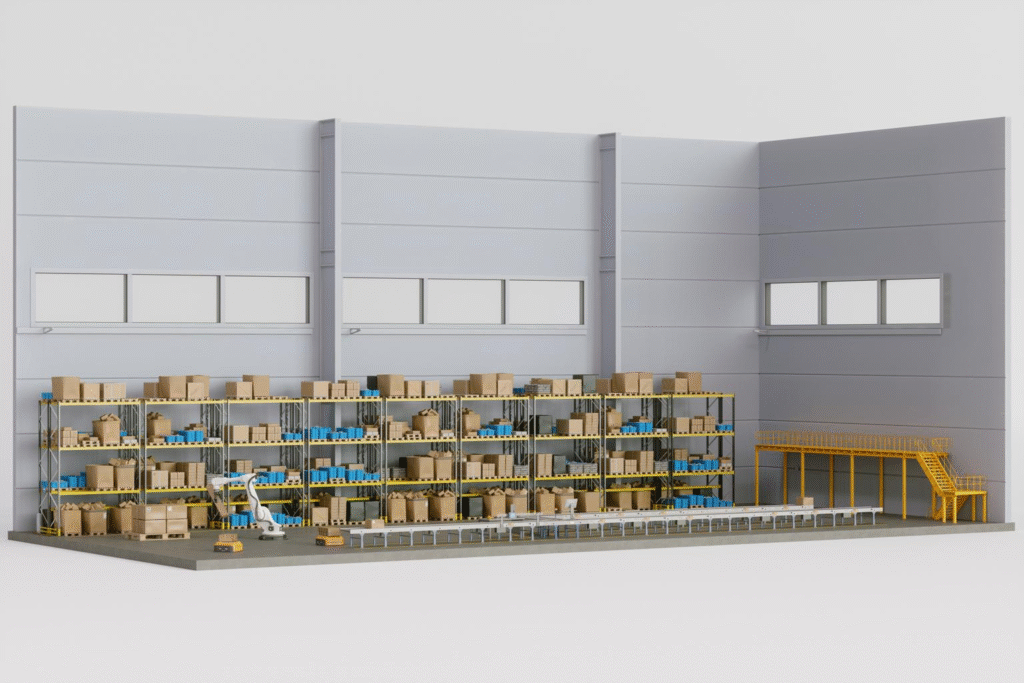
Warehouses located near ports, rail terminals, major highways, and intermodal logistics hubs often command premium rents due to their efficiency advantages.
Key infrastructure nodes influencing industrial investment include:
- Major seaports such as Los Angeles/Long Beach and Savannah
- Intermodal rail hubs connecting inland distribution networks
- Interstate highway intersections serving regional markets
- Cargo airports supporting air freight logistics
For instance, the Inland Empire region east of Los Angeles has become one of the largest warehouse markets in the United States because of its proximity to the nation’s busiest container ports.
Similarly, markets such as Dallas-Fort Worth, Chicago, and Atlanta continue to attract industrial development due to their central location within national transportation networks.
Investors evaluating industrial properties must consider not only the building itself but also regional logistics connectivity.
Sustainability and Energy Efficiency in Industrial Facilities
Sustainability is becoming a significant consideration in industrial real estate development.
Large warehouses consume substantial amounts of energy, particularly when automated equipment, climate control systems, and lighting operate continuously.
To address environmental concerns and operating costs, many new facilities incorporate features such as:
- Rooftop solar installations
- LED lighting systems
- Energy-efficient HVAC equipment
- Water-efficient landscaping
- Electric vehicle charging infrastructure
Some logistics companies are even installing solar arrays across entire warehouse rooftops to offset electricity consumption.
Green building certifications such as LEED are becoming more common in industrial developments, especially when tenants prioritize corporate sustainability commitments.
Over the next decade, environmental performance may increasingly influence tenant decisions and property valuations.
Regional Industrial Markets to Watch
While coastal logistics hubs remain important, several inland markets are emerging as major industrial investment destinations.
Investors are increasingly targeting regions with:
- Lower land costs
- Expanding transportation infrastructure
- Business-friendly regulatory environments
- Rapid population growth
Several U.S. markets attracting industrial development include:
Texas Logistics Corridor
Cities such as Dallas, Houston, and San Antonio benefit from strong population growth and strategic transportation connections. Texas also attracts manufacturing investment due to favorable tax policies and lower operating costs.
Southeast Distribution Network
Atlanta, Savannah, Charlotte, and Nashville are becoming key logistics hubs serving the rapidly growing southeastern U.S. consumer market.
Midwest Manufacturing Belt
States such as Ohio, Indiana, and Michigan remain important centers for automotive manufacturing, advanced manufacturing, and supplier networks.
Investors who understand regional economic trends often identify promising markets before industrial property demand peaks.
Risks Investors Should Consider
Despite strong long-term demand, industrial real estate is not without risks.
Rising construction costs, changing interest rates, and economic cycles can affect development feasibility and property values. Additionally, oversupply in certain markets may temporarily weaken rental growth.
Other risks include:
- Zoning restrictions limiting industrial development
- Environmental regulations affecting industrial land use
- Technological changes that render older buildings obsolete
- Transportation infrastructure bottlenecks
Successful investors typically mitigate these risks by focusing on high-quality locations, modern building specifications, and long-term tenant demand drivers.
Industrial real estate may be resilient, but careful market analysis remains essential.
Frequently Asked Questions
What is industrial property in real estate?
Industrial property refers to commercial real estate used for manufacturing, warehousing, logistics, and distribution. Common examples include warehouses, distribution centers, manufacturing plants, and flex industrial buildings.
Why has industrial real estate performed well recently?
Industrial real estate has benefited from the growth of e-commerce, supply-chain restructuring, and rising demand for logistics infrastructure needed to support rapid delivery and inventory management.
What makes a good industrial property investment?
Strong industrial investments typically feature strategic logistics locations, modern building specifications, reliable transportation access, and long-term tenant demand.
Are warehouses a good long-term investment?
Many investors consider warehouses attractive long-term investments due to stable demand, relatively low operating costs, and long lease terms with commercial tenants.
What is a last-mile distribution center?
A last-mile facility is a warehouse located near urban populations that enables companies to deliver goods quickly to consumers within a specific geographic area.
How do interest rates affect industrial property?
Higher interest rates can increase borrowing costs and reduce property valuations, potentially slowing new development and investment activity.
Which U.S. cities have the strongest industrial markets?
Major markets include Los Angeles, Dallas-Fort Worth, Chicago, Atlanta, and the Inland Empire in California.
What role does automation play in warehouses?
Automation improves efficiency by using robotics, AI inventory systems, and automated conveyor networks to process orders faster and reduce labor requirements.
How does sustainability affect industrial real estate?
Energy efficiency, solar installations, and environmentally responsible building designs are becoming more important as tenants and investors prioritize sustainability goals.
Is industrial real estate recession-resistant?
Industrial real estate often performs better than other commercial sectors during economic downturns, but it is still influenced by broader economic conditions and consumer demand.
How the Industrial Landscape May Evolve by 2035
Industrial real estate is entering a transformative period. Warehouses are becoming highly technological infrastructure rather than simple storage facilities. Logistics networks are expanding to meet consumer expectations for faster delivery, while domestic manufacturing initiatives are reshaping industrial demand across multiple regions.
Investors who understand the structural forces driving these changes—technology, infrastructure, supply chains, and sustainability—will be better positioned to navigate the next decade.
Rather than focusing solely on square footage, successful industrial investment strategies increasingly revolve around location intelligence, technological readiness, and long-term logistics relevance.
Strategic Insights at a Glance
- E-commerce growth continues driving demand for distribution centers
- Last-mile logistics facilities near cities are gaining value
- Supply-chain reshoring is boosting manufacturing real estate demand
- Automation is changing warehouse design requirements
- Infrastructure access significantly influences property value
- Sustainability features are becoming competitive advantages
- Emerging inland markets offer new investment opportunities
 Robert Weber