

Summary
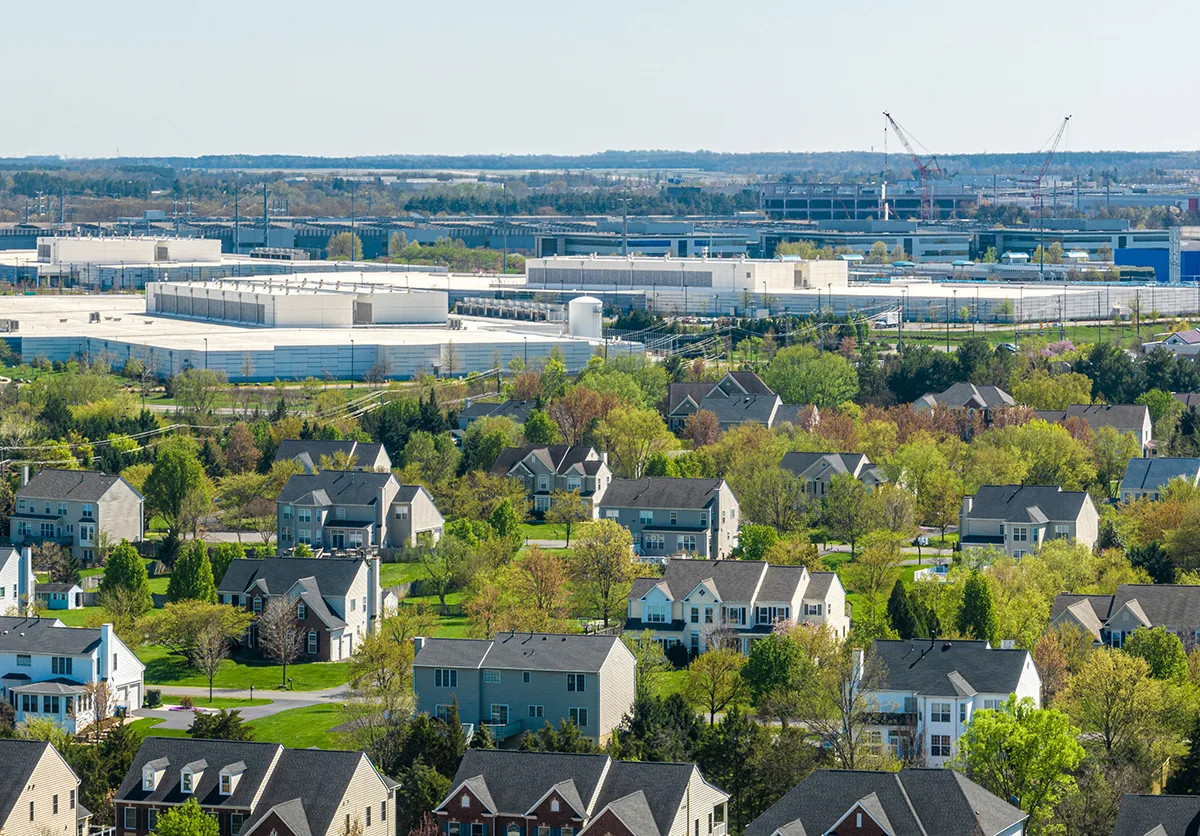
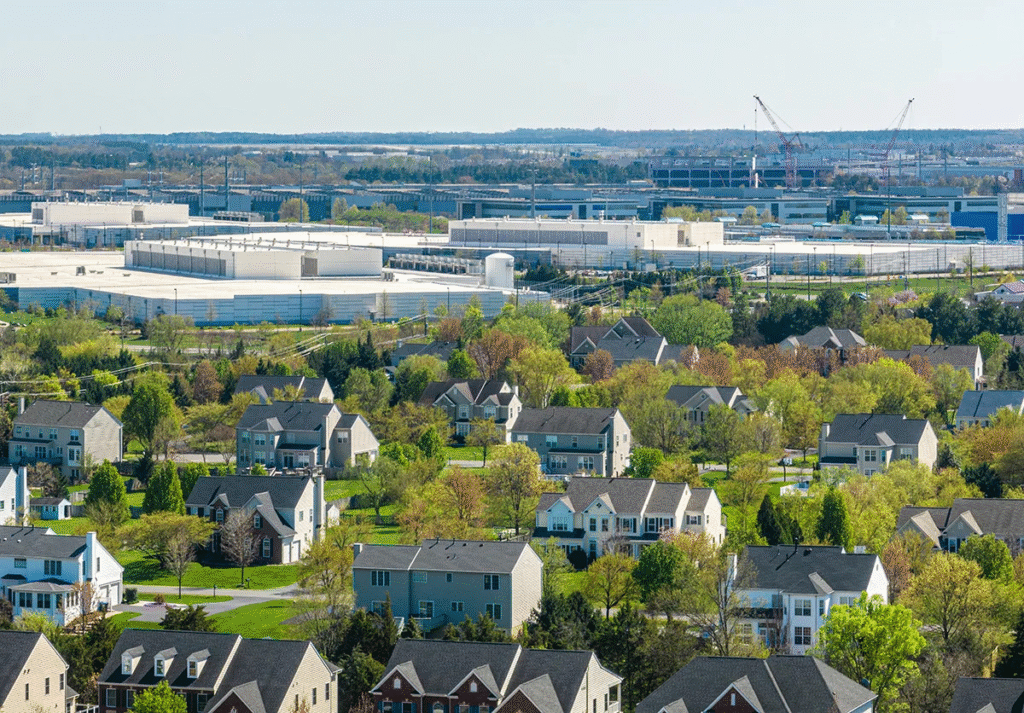
Businesses across the United States are increasing warehouse capacity near major cities to shorten delivery times, reduce transportation costs, and meet rising consumer expectations for faster fulfillment. Urban-adjacent logistics hubs allow retailers, manufacturers, and distributors to respond quickly to demand while supporting e-commerce growth. This shift is reshaping industrial real estate development and influencing supply chain strategies nationwide.
The Growing Importance of Urban-Adjacent Warehousing
Over the past decade, warehouse strategies in the United States have changed significantly. Traditionally, large distribution centers were built in rural or remote locations where land costs were lower and space was abundant. Today, many companies are supplementing those facilities with additional warehouse capacity closer to urban populations.
The main driver behind this shift is the rapid expansion of e-commerce. According to the U.S. Census Bureau, e-commerce sales have grown steadily and now represent a substantial share of total retail transactions. With consumers increasingly expecting fast delivery—often within one or two days—businesses must move inventory closer to where people live.
Urban-adjacent warehouses serve as strategic fulfillment points that bridge the gap between large regional distribution centers and the final delivery destination. By positioning goods closer to dense population centers, companies can shorten delivery windows, lower last-mile transportation costs, and improve overall supply chain responsiveness.
For many logistics planners, this model represents a hybrid network: large warehouses handle bulk inventory while smaller urban distribution centers manage fast-moving products.
Faster Delivery Expectations Are Reshaping Supply Chains
Consumer expectations have shifted dramatically in the digital shopping era. Fast shipping is no longer viewed as a premium service; it has become a baseline expectation.
Retailers competing with large online marketplaces must ensure that orders can be fulfilled quickly. As a result, businesses are redesigning their logistics networks to prioritize speed and proximity to customers.
Urban warehouses support this goal in several ways:
- Shorter distances for final delivery routes
- Faster order fulfillment and dispatch
- Reduced dependence on long-haul trucking for urgent shipments
- Improved inventory availability in high-demand regions
Consider the example of a consumer electronics retailer. If all products are stored in a single Midwest distribution center, deliveries to the West Coast or Northeast may take several days. By adding smaller warehouses near Los Angeles, Chicago, or New York, the company can deliver high-demand items within 24–48 hours.
This strategy is particularly valuable for products such as:
- Electronics
- Household essentials
- Apparel
- Consumer packaged goods
These categories typically experience high order volumes and require fast replenishment.
E-Commerce Growth Is Driving Warehouse Expansion
The growth of online shopping has placed unprecedented pressure on logistics infrastructure. Warehouses must now process smaller orders at a higher frequency while maintaining accurate inventory tracking.
According to CBRE, e-commerce companies typically require three times more warehouse space than traditional brick-and-mortar retailers because of the need for sorting, packaging, and returns processing.
Urban warehouses are especially valuable for handling these operational demands. They enable companies to stock frequently ordered items closer to customers, reducing shipping times and improving order accuracy.
Many large retailers have adopted a distributed fulfillment model, where inventory is spread across multiple locations instead of centralized in one facility.
For example:
- A national retailer may maintain a large distribution center in Pennsylvania but add smaller warehouses around Boston, Philadelphia, and Washington, D.C.
- An apparel brand might operate regional warehouses in Texas while maintaining urban fulfillment centers near Dallas and Houston.
These facilities allow businesses to adapt quickly to changing order patterns, especially during peak seasons such as the holidays.
The Last-Mile Delivery Challenge
One of the most expensive parts of the supply chain is the last mile, the final step of delivering products from a warehouse to the customer’s door.
Industry studies suggest that last-mile delivery can account for up to 50% of total logistics costs. When warehouses are located far from cities, delivery routes become longer and more expensive.
Urban warehouse capacity helps companies tackle this challenge by bringing goods closer to delivery routes.
Key advantages include:
- Reduced fuel and transportation costs
- Shorter delivery routes
- Better route optimization for delivery drivers
- Faster same-day or next-day service
For example, grocery delivery services rely heavily on warehouses located near residential neighborhoods. Without nearby facilities, maintaining freshness and quick delivery would be difficult.
Similarly, furniture retailers with urban warehouses can provide scheduled local delivery within days instead of weeks.
Industrial Real Estate Near Cities Is in High Demand
The demand for warehouses near urban areas has created significant activity in the industrial real estate sector.
Developers are now prioritizing logistics parks and distribution centers located within or just outside major metropolitan regions. Proximity to highways, airports, rail lines, and population centers has become a critical factor in site selection.
Major U.S. logistics hubs include:
- Southern California’s Inland Empire
- Chicago’s logistics corridor
- Dallas–Fort Worth distribution hubs
- Atlanta’s industrial market
- New Jersey’s port-connected warehouse districts
These locations offer strategic access to large consumer markets and transportation networks.
However, land availability near cities is limited. As a result, developers are increasingly converting older industrial properties or redeveloping underutilized commercial land into modern warehouses.
In some cases, multi-story warehouses are being built to maximize space in dense urban areas.
Technology Is Enabling More Efficient Urban Warehouses
Operating warehouses in urban environments requires efficient use of space and advanced logistics technology.
Modern facilities often incorporate:
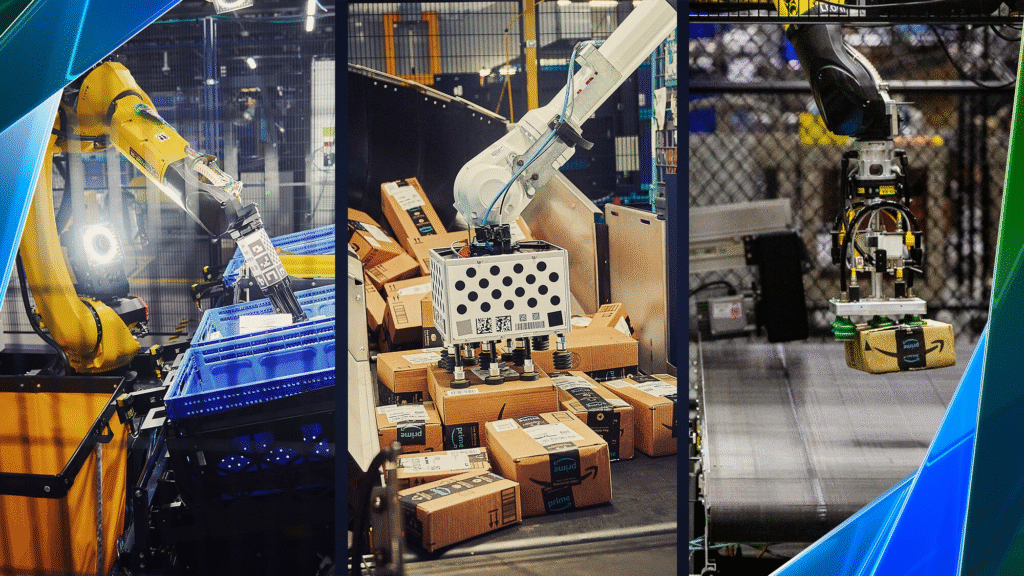
- Automated sorting systems
- Robotics for inventory handling
- Real-time inventory management software
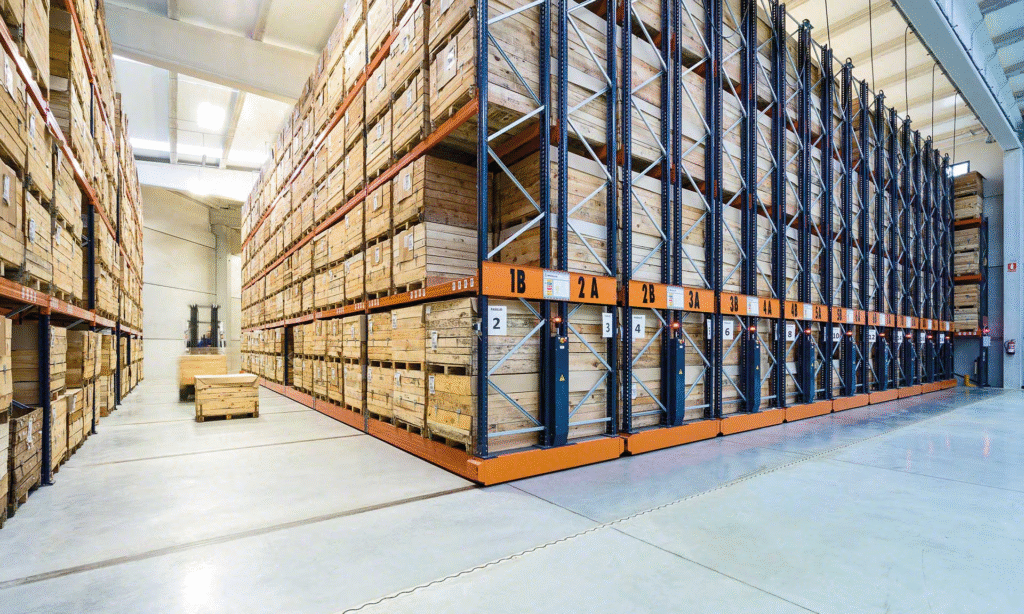
- High-density storage systems
Automation allows warehouses to process large volumes of orders while operating within smaller footprints.
For example, automated picking systems can significantly reduce the time required to retrieve products from storage shelves. This efficiency is particularly important in urban warehouses where space is limited and operational speed is essential.
Technology also improves inventory visibility, allowing businesses to track products across multiple facilities and ensure accurate stock levels in each location.
Businesses Across Industries Are Adopting the Strategy
Urban warehouse expansion is not limited to e-commerce companies. Many industries are adopting similar logistics strategies.
Retailers, manufacturers, and distributors all benefit from faster access to urban markets.
Examples include:
- Food distributors storing products near metropolitan grocery chains
- Pharmaceutical companies positioning inventory close to hospitals and pharmacies
- Automotive parts suppliers supporting repair shops with rapid delivery
- Construction suppliers stocking materials near urban building projects
Each of these sectors depends on timely access to inventory, making proximity to urban markets a competitive advantage.
Challenges of Expanding Warehouse Capacity Near Cities
While the benefits are significant, urban warehouse expansion also presents several challenges.
One major issue is land scarcity. Suitable industrial land near cities is limited and often expensive. Businesses must compete for space with residential and commercial development projects.
Other challenges include:
- Higher property costs compared with rural warehouses
- Zoning restrictions and community concerns
- Increased traffic and infrastructure demands
- Construction costs in urban environments
To overcome these obstacles, many companies pursue creative development strategies, such as redeveloping former manufacturing sites or converting large retail properties into logistics facilities.
Despite these hurdles, the strategic value of urban warehouses often outweighs the costs.
How This Trend Is Shaping the Future of Logistics
The expansion of warehouse capacity near urban markets reflects a broader transformation in supply chain strategy.
Instead of relying solely on large regional distribution centers, companies are building multi-layered logistics networks that combine:
- Regional fulfillment centers
- Urban distribution hubs
- Local delivery stations
This structure allows businesses to balance efficiency with speed.
As population growth continues in metropolitan areas, the need for nearby logistics infrastructure will likely increase. Urban warehouses will play a key role in supporting e-commerce, retail distribution, and essential services.
For logistics planners, the challenge is finding the right balance between location, cost, and operational efficiency.
Frequently Asked Questions
Why are warehouses moving closer to cities?
Businesses want faster delivery times and lower transportation costs. Locating warehouses near urban populations shortens delivery routes and improves supply chain responsiveness.
What industries benefit most from urban warehouses?
Retail, e-commerce, food distribution, pharmaceuticals, and automotive parts suppliers all benefit from faster inventory access near cities.
Are urban warehouses smaller than traditional warehouses?
Often, yes. Urban warehouses typically operate with smaller footprints but higher efficiency through automation and high-density storage systems.
How does urban warehousing affect delivery times?
Products stored closer to customers can be delivered much faster, often within one or two days.
What is the last mile in logistics?
The last mile refers to the final step of delivery from a warehouse or distribution center to the customer.
Why is last-mile delivery expensive?
Short delivery routes, labor costs, fuel, and route inefficiencies contribute to high last-mile costs.
Are multi-story warehouses common in the United States?
They are becoming more common in dense urban markets where land is scarce.
What factors determine where a warehouse should be built?
Key factors include transportation access, proximity to customers, land availability, and local zoning regulations.
Are urban warehouses only used for e-commerce?
No. Many industries use urban warehouses to improve distribution speed and inventory access.
Will demand for urban warehouses continue to grow?
Most industry analysts expect continued demand as e-commerce and urban populations expand.
Logistics Networks Built for Speed and Proximity
Businesses expanding warehouse capacity near urban markets are responding to fundamental changes in consumer behavior and supply chain logistics. Faster delivery expectations, rising e-commerce activity, and the cost pressures of last-mile transportation have made proximity to customers increasingly important.
Urban warehouses represent a practical solution that allows companies to maintain operational efficiency while meeting modern delivery standards. As cities grow and logistics technology advances, these facilities will likely remain a central component of the American distribution landscape.
Key Insights at a Glance
- Urban warehouses help businesses deliver products faster
- E-commerce growth is increasing demand for local fulfillment centers
- Last-mile delivery costs drive companies closer to urban customers
- Industrial real estate near cities is becoming highly valuable
- Automation helps warehouses operate efficiently in smaller spaces
- Multiple industries rely on urban distribution networks
- Land scarcity and cost remain major development challenges
 Robert Weber