

Summary
Industrial parks concentrate manufacturing, logistics, and technology firms within planned zones designed for efficiency. By clustering infrastructure, suppliers, and workforce access, they accelerate regional job creation, attract investment, improve supply chains, and stimulate local economies. When planned effectively—with transportation, utilities, and workforce development—industrial parks can transform struggling regions into competitive economic hubs while strengthening national manufacturing capacity.
Understanding Industrial Parks and Why They Matter
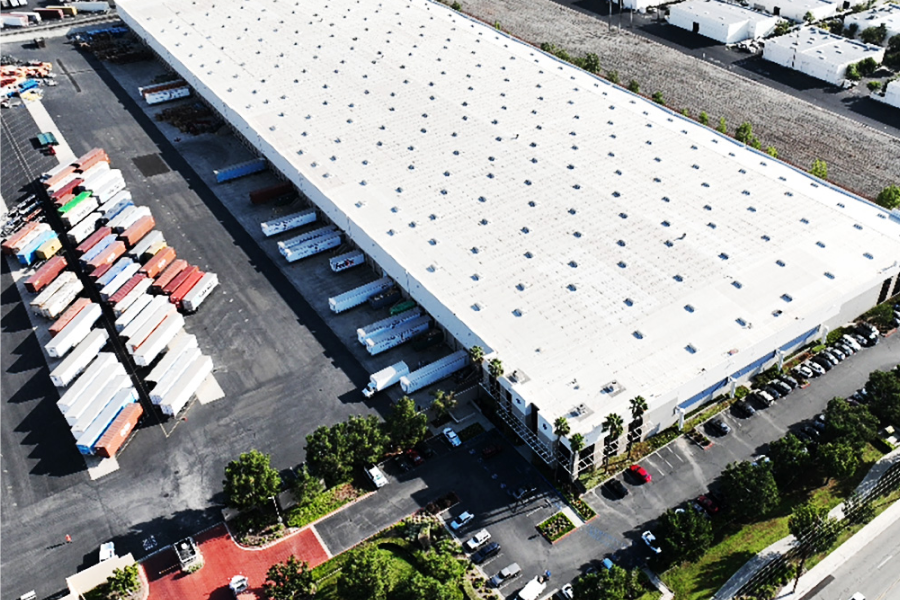
Industrial parks—sometimes called business parks, manufacturing zones, or industrial estates—are designated areas developed specifically for industrial and commercial activities. These zones are typically equipped with shared infrastructure such as roads, utilities, telecommunications, and logistics facilities that enable businesses to operate more efficiently.
Across the United States and globally, industrial parks have become a key strategy for economic development. Local and state governments often collaborate with private developers to build these parks in strategic locations near highways, ports, rail corridors, and airports.
The core idea is simple: when companies cluster in a planned area, they benefit from proximity to suppliers, labor pools, transportation infrastructure, and shared services. That concentration can significantly reduce operating costs while encouraging collaboration and innovation.
Industrial parks are particularly important for regions seeking to diversify their economies or revitalize areas impacted by manufacturing decline. When designed thoughtfully, they can become anchors for long-term regional growth.
How Industrial Parks Stimulate Regional Economies
The economic influence of industrial parks extends far beyond the companies located within them. Their effects ripple across entire regions.
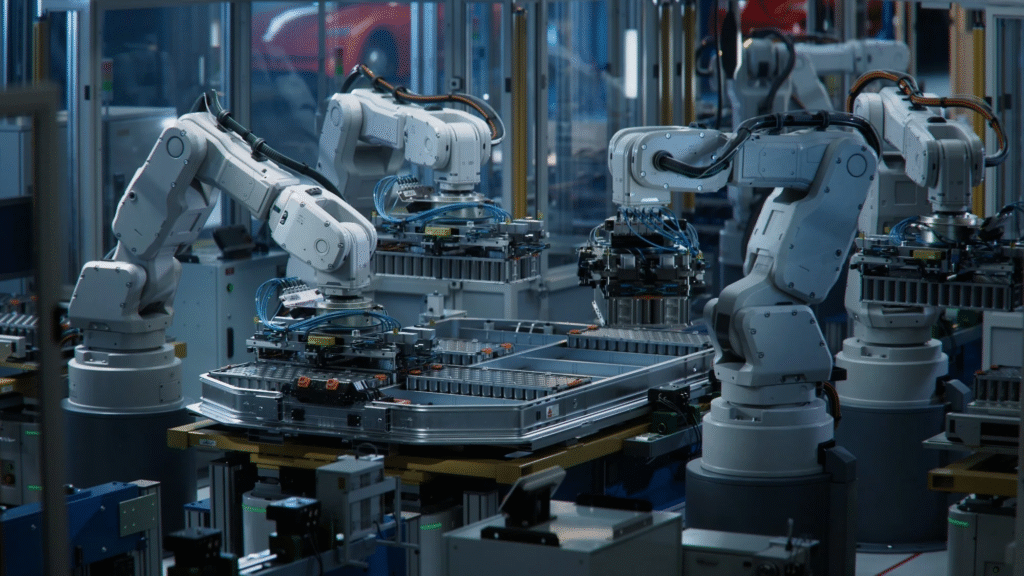
First, industrial parks generate direct employment. Manufacturing facilities, warehouses, distribution centers, and technology operations employ thousands of workers in production, engineering, logistics, and administrative roles.
Second, they create indirect jobs through supply chains. Local suppliers, service providers, maintenance contractors, and transportation firms all benefit from increased demand.
Third, industrial parks generate tax revenue for local governments. Property taxes, business taxes, and payroll taxes help fund infrastructure, education, and public services.
The U.S. Economic Development Administration (EDA) has repeatedly identified industrial clusters as a major driver of regional productivity. According to research from Brookings Institution, metropolitan areas with strong industrial clusters often experience higher wage growth and stronger export performance.
Beyond economics, industrial parks can also improve regional competitiveness. By attracting global companies, they place local regions on the map for international trade and investment.
The Role of Infrastructure in Industrial Park Success
Infrastructure is one of the most critical factors determining whether an industrial park succeeds or struggles.
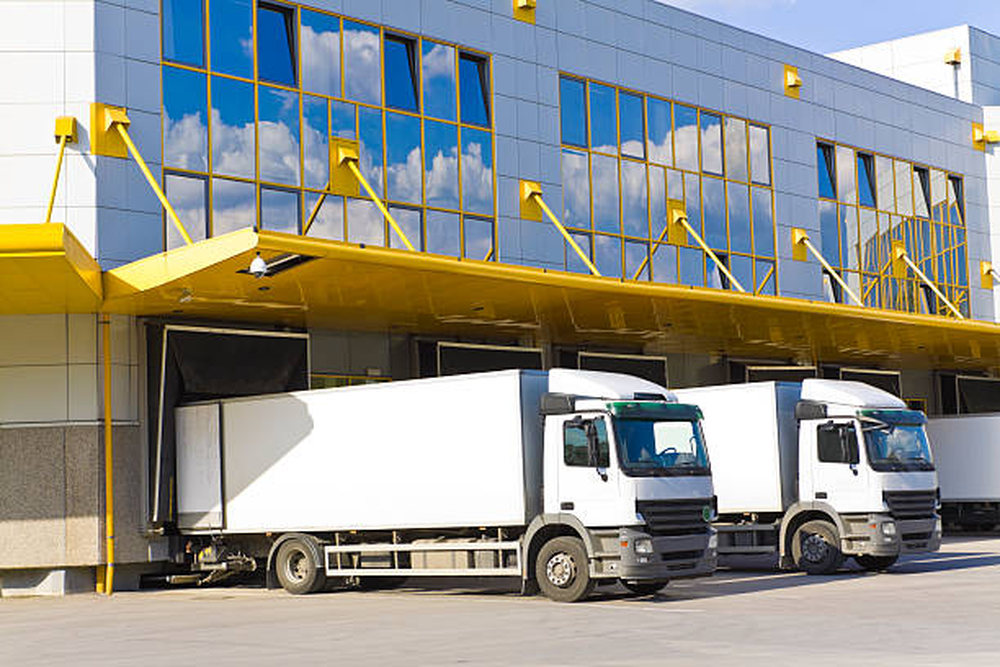
Companies choosing a location evaluate how easily goods, workers, and materials can move through the region. Industrial parks designed with transportation access dramatically reduce logistics costs.
Essential infrastructure typically includes:
- Direct highway access for freight transportation
- Rail connections for bulk cargo and manufacturing inputs
- Proximity to airports or seaports for global shipping
- High-capacity power and water systems
- Broadband and fiber networks for digital operations
Many modern industrial parks also integrate logistics hubs, distribution centers, and intermodal freight terminals.
For example, the Inland Empire industrial corridor in Southern California has become one of the most important logistics regions in the United States due largely to its strategic proximity to the Ports of Los Angeles and Long Beach. Massive warehouse and distribution parks there support national retail supply chains.
Infrastructure investment often determines whether an industrial park can attract high-value industries such as advanced manufacturing, semiconductor fabrication, or clean energy production.
Workforce Development and Job Creation
Industrial parks are closely tied to workforce development. Regions that align industrial park planning with workforce training programs tend to see stronger economic results.
Manufacturers and logistics companies require a wide range of skilled workers, including:
- Industrial technicians
- CNC machinists
- logistics managers
- robotics operators
- supply chain analysts
- engineers and software specialists
Community colleges and technical schools frequently partner with companies located in industrial parks to design job training programs tailored to employer needs.
For example, several manufacturing parks in the Midwest collaborate with local colleges to create apprenticeship pipelines, allowing students to gain hands-on experience while earning credentials.
The result is a more stable workforce pipeline that benefits both employers and workers.
Industrial parks also offer employment opportunities across different education levels—from entry-level production jobs to high-skill engineering roles—making them important drivers of upward mobility.
Attracting Domestic and Foreign Investment
Industrial parks are powerful tools for attracting both domestic and international investment.
Foreign companies entering the U.S. market often prefer locating in established industrial parks because these areas already offer:
- Ready-to-build sites
- streamlined permitting processes
- existing infrastructure
- access to suppliers and logistics networks
Economic development agencies frequently promote industrial parks during investment recruitment efforts.
States such as Texas, South Carolina, and Tennessee have successfully used industrial parks to attract major manufacturing investments from automotive and aerospace companies.
The automotive industry provides a clear example. When companies like BMW, Toyota, and Nissan established major manufacturing plants in the United States, they were often surrounded by industrial parks hosting suppliers that supported production.
These supplier networks dramatically increased regional economic activity and employment.
Industrial Clusters and Supply Chain Efficiency
Industrial parks often evolve into industry clusters, where businesses from the same sector operate near one another.
Clusters improve efficiency in several ways:
- Suppliers can deliver components faster and cheaper
- Companies share specialized labor pools
- Innovation spreads more quickly between firms
- transportation costs are reduced
One widely cited example is Silicon Valley, which grew into a powerful technology cluster through proximity among research institutions, venture capital firms, and technology companies.
In manufacturing regions, similar clustering occurs around automotive, aerospace, or electronics industries.
Clusters can become self-reinforcing. As more companies join the ecosystem, the region becomes increasingly attractive to new investors.
Revitalizing Post-Industrial Regions
Industrial parks are also important tools for economic revitalization in areas affected by factory closures or declining industries.
Many former manufacturing regions have successfully redeveloped abandoned industrial land into modern industrial parks.
These redevelopment projects often involve:
- environmental cleanup of former industrial sites
- modernization of utilities and transportation access
- construction of flexible manufacturing and logistics facilities
Redevelopment has been particularly important in parts of the Midwest and Northeast United States.
For example, former steel and manufacturing sites in Pennsylvania and Ohio have been transformed into logistics parks supporting e-commerce distribution networks.
Such projects help communities transition from declining industries to new economic opportunities.
Environmental and Sustainability Considerations
Modern industrial park development increasingly incorporates sustainability principles.
Older industrial areas were often associated with pollution and inefficient land use. New industrial parks, however, are being designed with environmental performance in mind.
Key sustainability features include:
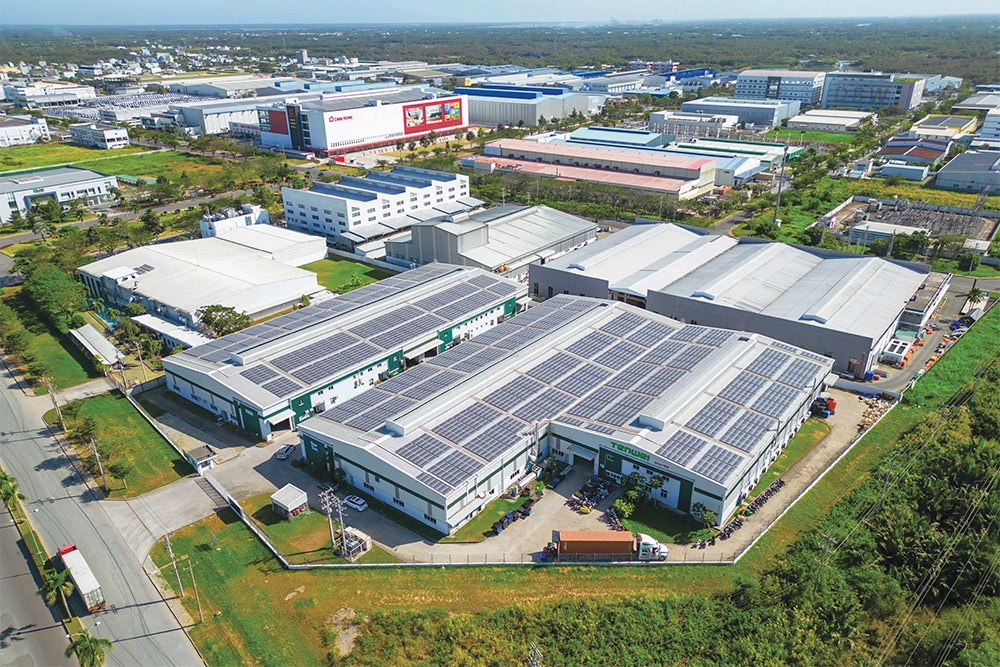
- renewable energy integration such as solar arrays
- energy-efficient building standards
- shared waste management systems
- stormwater management infrastructure
- green buffers and environmental protection zones
Some regions are also developing eco-industrial parks, where companies collaborate to reduce waste and reuse resources.
For instance, waste heat from one facility might be reused by another company nearby, reducing overall energy consumption.
Sustainable industrial parks not only improve environmental outcomes but can also reduce operating costs for businesses.
Challenges and Risks of Industrial Park Development
While industrial parks can drive growth, they are not without risks.
One major challenge is overbuilding. Some regions develop industrial parks without sufficient demand, leaving large tracts of unused land.
Another risk involves infrastructure costs. Building roads, utilities, and logistics facilities requires significant investment, and returns may take years to materialize.
There are also concerns related to:
- environmental impacts
- traffic congestion from freight activity
- housing pressures caused by rapid job growth
- economic dependence on a single industry
Successful industrial park development requires careful planning, long-term economic analysis, and collaboration between government, developers, and businesses.
The Future of Industrial Parks in the United States
Industrial parks are evolving alongside broader economic changes.
Several trends are shaping the next generation of industrial development:
Reshoring and domestic manufacturing growth
Supply chain disruptions during the COVID-19 pandemic encouraged many companies to reconsider overseas manufacturing. Industrial parks are becoming key locations for reshored production.
Automation and advanced manufacturing
New industrial parks are designed to support robotics, artificial intelligence, and smart manufacturing technologies.
E-commerce logistics expansion
Distribution parks near major metropolitan areas are expanding rapidly to support online retail fulfillment networks.
Clean energy and electric vehicle manufacturing
States are developing specialized industrial parks to support battery manufacturing, EV assembly, and renewable energy equipment production.
As the U.S. economy transitions toward more resilient supply chains and advanced manufacturing, industrial parks will remain a central element of regional development strategies.
Frequently Asked Questions
What is an industrial park?
An industrial park is a planned area designed specifically for manufacturing, logistics, research, and industrial businesses. These parks provide shared infrastructure, transportation access, and zoning that supports industrial operations.
Why do governments support industrial parks?
Governments support industrial parks because they create jobs, increase tax revenue, attract investment, and stimulate broader economic activity within the region.
How do industrial parks create jobs?
Jobs are created directly through companies operating in the park and indirectly through suppliers, service providers, logistics firms, and construction activity.
What industries typically locate in industrial parks?
Common industries include manufacturing, logistics, automotive suppliers, electronics production, pharmaceuticals, food processing, and technology firms.
Are industrial parks good for local communities?
When planned responsibly, industrial parks can boost employment, improve infrastructure, and increase local economic stability. However, communities must manage potential environmental and traffic impacts.
What is an eco-industrial park?
An eco-industrial park is designed to minimize environmental impact by encouraging companies to share resources, recycle materials, and reduce waste and emissions.
How do industrial parks attract foreign companies?
Industrial parks simplify site selection by providing ready-to-build land, established infrastructure, and streamlined permitting processes that make it easier for companies to start operations quickly.
Do industrial parks help small businesses?
Yes. Small suppliers and service providers often benefit from proximity to larger manufacturers within industrial parks.
What factors determine whether an industrial park succeeds?
Key factors include transportation access, workforce availability, infrastructure quality, proximity to markets, and supportive economic development policies.
How do industrial parks affect real estate development?
Industrial parks often stimulate nearby commercial and residential development as workers move into the region and businesses expand to support industrial activity.
Shaping Local Economies Through Strategic Industrial Development
Industrial parks are far more than collections of warehouses and factories. When integrated into thoughtful regional planning strategies, they become engines of employment, innovation, and economic resilience.
Their greatest impact occurs when infrastructure investment, workforce training, and business recruitment work together. Regions that coordinate these elements successfully can transform industrial parks into long-term catalysts for sustainable economic growth.
Essential Insights at a Glance
- Industrial parks cluster businesses to improve efficiency and collaboration
- They create both direct and indirect employment across multiple industries
- Infrastructure access is a critical determinant of success
- Industrial clusters enhance supply chain performance and innovation
- Redeveloped industrial parks can revitalize struggling regions
- Sustainable industrial park design is increasingly important
- Strategic planning is necessary to avoid overbuilding and economic risk
 Robert Weber