

Summary
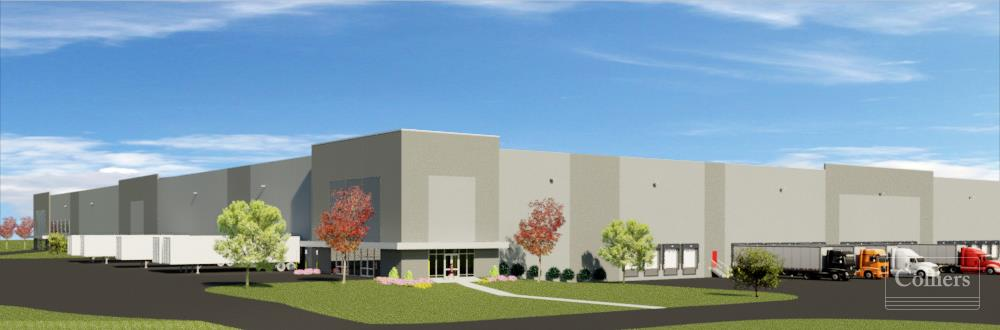
Industrial real estate has become one of the most closely watched sectors in the U.S. property market. Driven by e-commerce growth, logistics modernization, and supply-chain shifts, warehouses, distribution centers, and manufacturing facilities are in high demand. For investors, understanding location dynamics, tenant needs, lease structures, and long-term economic drivers is essential to making informed and sustainable investment decisions.
The Expanding Importance of Industrial Real Estate
Industrial real estate has quietly become one of the most resilient segments of the U.S. property market. While residential and office sectors often dominate headlines, warehouses, distribution centers, logistics parks, and manufacturing facilities form the backbone of modern commerce.
The growth of online retail has dramatically accelerated demand for industrial space. According to data from the National Association of Realtors, the expansion of e-commerce and supply-chain restructuring has increased the need for strategically located distribution centers near major population hubs.
Major companies such as Amazon and Walmart have built extensive logistics networks across the country, contributing to strong leasing demand in warehouse and distribution properties.
For investors, this demand has translated into relatively low vacancy rates, stable tenant demand, and long-term leases. However, understanding the nuances of the industrial sector is essential before allocating capital.
What Counts as Industrial Real Estate?
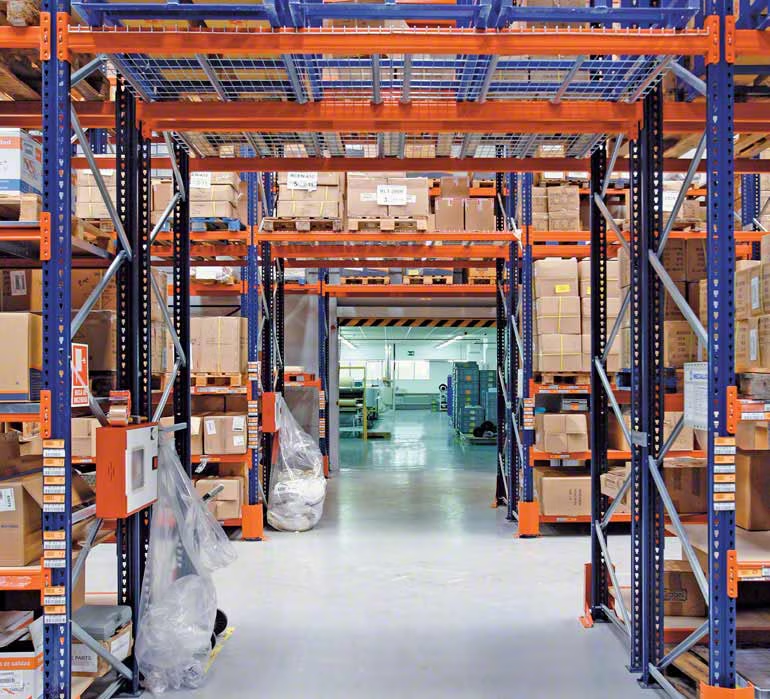
Industrial real estate includes properties used for manufacturing, storage, production, and distribution. While the category may seem straightforward, it includes several distinct property types that serve different economic functions.
Common examples include:
- Warehouses and distribution centers
- Logistics parks
- Manufacturing facilities and factories
- Industrial sheds or flex spaces
- Cold storage facilities
- Industrial land for development
A warehouse in Southern California, for example, may primarily support e-commerce fulfillment, while a facility in the Midwest may serve as a manufacturing plant or agricultural processing center.
Understanding the purpose of the facility is crucial because it directly influences tenant demand, lease structures, and long-term value.
Why the Sector Has Attracted Investor Attention
Several structural trends have increased investor interest in industrial real estate over the past decade.
E-commerce Expansion
Online retail has transformed supply chains. Retailers must store inventory closer to consumers to enable faster delivery times.
Companies like FedEx and UPS rely on extensive networks of distribution hubs to maintain delivery speed and efficiency.
Supply-Chain Resilience
Global supply disruptions during the pandemic prompted many companies to rethink their logistics strategies. Businesses are increasingly storing larger inventories domestically, which requires more warehouse space.
Infrastructure Growth
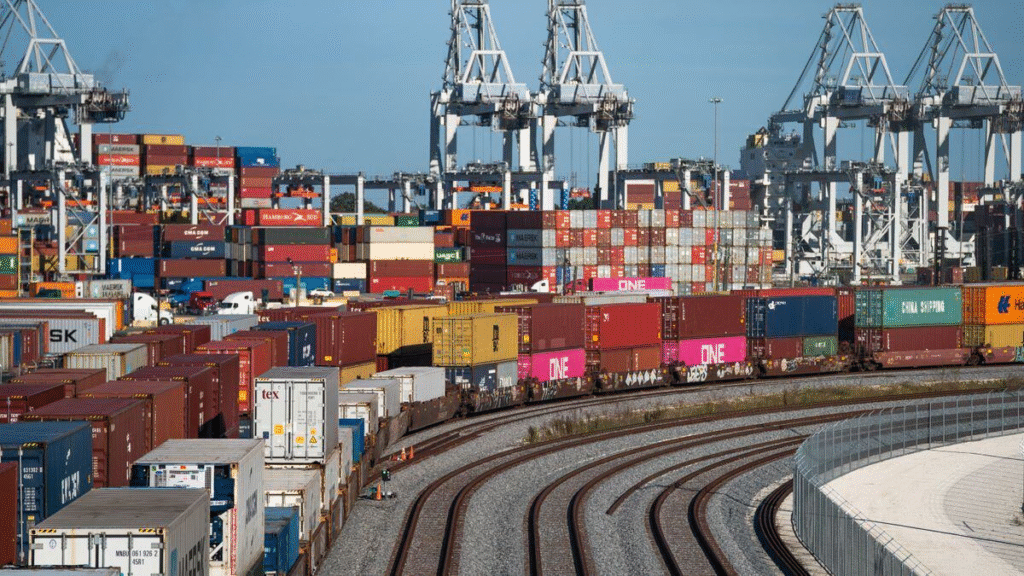
New highways, ports, and intermodal transportation facilities often stimulate nearby industrial development.
For example, regions around major logistics hubs such as Port of Los Angeles have seen sustained demand for warehouse space.
These structural drivers have made the sector particularly appealing to long-term investors.
Location: The Most Critical Investment Factor
Location plays an even larger role in industrial real estate than in many other property types.
Industrial tenants prioritize efficiency in moving goods, which means proximity to infrastructure is crucial. Key factors include access to:
- Major interstate highways
- Freight rail lines
- Seaports and airports
- Large population centers
- Logistics hubs
For example, the Inland Empire region in California has become one of the largest warehouse markets in the United States because of its proximity to West Coast ports and Southern California consumers.
Investors evaluating industrial property should carefully assess regional transportation networks and supply-chain patterns.
How Industrial Leases Work
Industrial leases often differ from residential or office leases. Many properties use triple-net (NNN) lease structures, which shift property expenses to tenants.
Under a typical triple-net lease, tenants are responsible for:
- Property taxes
- Insurance
- Maintenance costs
This structure can create more predictable income streams for property owners.
Industrial tenants also tend to sign longer leases. Distribution centers and manufacturing facilities often require expensive equipment installations, making relocation costly.
As a result, lease terms of 7 to 15 years are common in the sector.
Key Metrics Investors Should Evaluate
Industrial property investments rely on several important financial and operational indicators.
Investors typically analyze:
- Vacancy rates in the local industrial market
- Absorption levels (how quickly space is leased)
- Average lease rates per square foot
- Cap rates and yield expectations
- Building functionality and ceiling height
Modern warehouses often require ceiling heights of 32–40 feet to accommodate automated storage systems and vertical logistics equipment.
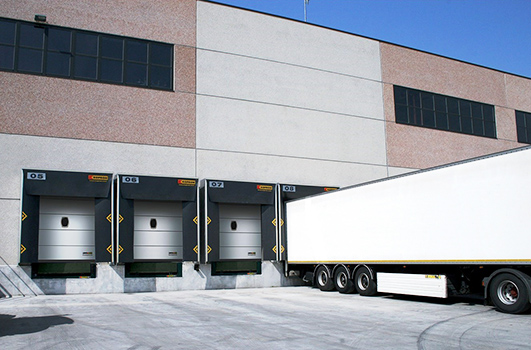
Older buildings may struggle to attract tenants if they lack modern loading docks or sufficient truck maneuvering space.
The Role of Logistics Parks and Distribution Hubs
Large logistics parks have become a defining feature of modern industrial real estate.
These developments cluster multiple warehouses within a single location, often near highways or ports. They provide shared infrastructure and strategic positioning for large-scale distribution networks.
Many logistics parks house tenants such as:
- E-commerce fulfillment operators
- Freight logistics companies
- Third-party logistics providers
- Regional distribution centers for major retailers
Because of the scale of these operations, investors often work with experienced industrial developers when acquiring or developing properties in these areas.
Cold Storage: A Specialized Industrial Asset
Cold storage facilities represent a niche but rapidly growing category within industrial real estate.
These facilities store perishable goods such as:
- Frozen foods
- Fresh produce
- Pharmaceuticals
- Vaccines and medical supplies
Cold storage warehouses require specialized refrigeration systems and insulation. Construction costs are significantly higher than standard warehouses, but long-term tenants often provide stable income streams.
The expansion of grocery delivery services and pharmaceutical logistics has increased demand for these facilities across the U.S.
Risks Investors Should Consider
Although the industrial sector has performed well in recent years, it still carries investment risks.
Key risks include:
Economic Slowdowns
Industrial demand is tied closely to economic activity. If manufacturing or consumer spending declines, warehouse demand may soften.
Overbuilding in Certain Markets
In fast-growing logistics hubs, excessive development can temporarily increase vacancy rates.
Functional Obsolescence
Older industrial buildings may struggle to meet modern logistics requirements. Ceiling height, dock configuration, and truck access can affect tenant interest.
Regulatory and Zoning Challenges
Industrial developments must comply with local zoning rules, environmental regulations, and transportation planning requirements.
Investors should carefully evaluate municipal policies before purchasing land or development sites.
Industrial Development vs Acquisition
Investors typically approach the sector through either property acquisition or ground-up development.
Acquisition strategies involve purchasing existing industrial properties with tenants already in place. This approach provides immediate income but may limit value-add opportunities.
Development strategies involve purchasing land and constructing new warehouses or logistics facilities. While potentially more profitable, development projects carry higher risks related to construction costs and leasing timelines.
Many institutional investors partner with experienced developers to manage these risks.
Long-Term Outlook for Industrial Real Estate
Most analysts expect industrial real estate to remain an important sector in the U.S. property market.
According to research from the U.S. Census Bureau, e-commerce sales have steadily increased as a share of total retail sales over the past decade.
Even modest increases in online retail penetration can significantly increase the need for warehouse space.
In addition, trends such as domestic manufacturing investment, automation, and regional distribution strategies are likely to continue shaping industrial property demand.
For investors who understand local logistics networks and tenant needs, industrial real estate can provide stable long-term income potential.
Frequently Asked Questions
What is industrial real estate?
Industrial real estate refers to properties used for manufacturing, storage, distribution, and logistics operations, including warehouses, factories, and logistics centers.
Why is industrial real estate growing so quickly?
The expansion of e-commerce, supply-chain restructuring, and increased domestic inventory storage have all increased demand for warehouse and logistics facilities.
Are warehouses a good investment?
Warehouses can provide stable income because tenants often sign long leases and triple-net agreements, but returns depend heavily on location and building functionality.
What is a logistics park?
A logistics park is a large industrial development containing multiple distribution centers and warehouses located near major transportation infrastructure.
How long are industrial leases?
Industrial leases typically range from 7 to 15 years, longer than most residential or retail leases.
What is a triple-net lease?
A triple-net lease requires tenants to pay property taxes, insurance, and maintenance expenses in addition to rent.
What makes a warehouse “modern”?
Modern warehouses usually feature high ceilings, multiple loading docks, wide truck courts, and advanced logistics technology integration.
What risks exist in industrial real estate investing?
Economic downturns, oversupply in certain markets, and outdated building design are some of the primary risks.
Is industrial development profitable?
Development can generate higher returns but carries risks related to construction costs, permitting, and lease-up timelines.
Which U.S. regions have strong industrial demand?
Major logistics hubs such as Southern California, Texas distribution corridors, Chicago, and New Jersey ports remain key industrial markets.
Navigating the Industrial Investment Landscape
Industrial real estate may appear straightforward at first glance, but successful investing requires careful evaluation of infrastructure, tenant demand, and property functionality. The sector’s performance is closely tied to logistics efficiency and supply-chain patterns.
Investors who focus on transportation connectivity, modern building design, and long-term tenant stability are better positioned to navigate the complexities of this increasingly important real estate segment.
Key Points Investors Should Remember
- Industrial real estate supports manufacturing, logistics, and distribution.
- E-commerce growth continues to increase warehouse demand.
- Location near infrastructure is the most critical investment factor.
- Triple-net leases provide predictable income structures.
- Modern warehouse design significantly influences tenant demand.
- Cold storage facilities represent a growing specialized segment.
- Logistics parks are shaping large-scale industrial development.
- Economic cycles and overbuilding can still affect market performance.
 Robert Weber