

Summary
Modern dairy farming depends as much on land strategy as it does on livestock. Dairy farms require specialized real estate—pasture, cropland, water access, waste management infrastructure, and proximity to milk processors. Understanding how dairy land is acquired, valued, financed, and managed reveals the economic backbone behind America’s milk supply and why farmland real estate is central to dairy profitability.
Milk production in the United States is often viewed through the lens of cows, feed, and milking equipment. But behind every gallon of milk sits a complex real estate operation. Dairy farms require large, carefully managed land assets—pastures, cropland for feed, manure storage areas, housing facilities, and processing logistics.
In many ways, the land beneath dairy operations is as important as the animals themselves.
According to the United States Department of Agriculture (USDA), the United States produces more than 225 billion pounds of milk annually, making it one of the world’s largest dairy producers. Supporting that production requires millions of acres of farmland dedicated to dairy operations and feed production.
Modern dairy real estate combines agriculture, infrastructure planning, environmental regulation, and investment strategy.
Why Land Is the Foundation of Dairy Farming
Dairy farming is uniquely land-intensive compared with many other livestock operations. A typical dairy requires space for:
- Cow housing and milking facilities
- Feed storage and processing
- Cropland for corn, alfalfa, and silage
- Manure storage and nutrient management
- Equipment storage and service buildings
Land also determines operational scale. Many dairy farms operate on hundreds or even thousands of acres when cropland for feed production is included.
For example:
A 1,000-cow dairy operation often requires 1,500 to 2,500 acres of land when feed crops such as corn silage and alfalfa are grown on-site.
Without this land base, farms must purchase feed externally, which significantly increases operating costs.
Real estate therefore plays a central role in dairy profitability.
Types of Land Used in Dairy Operations
Dairy farms rely on multiple types of agricultural real estate. Each serves a different purpose within the production system.
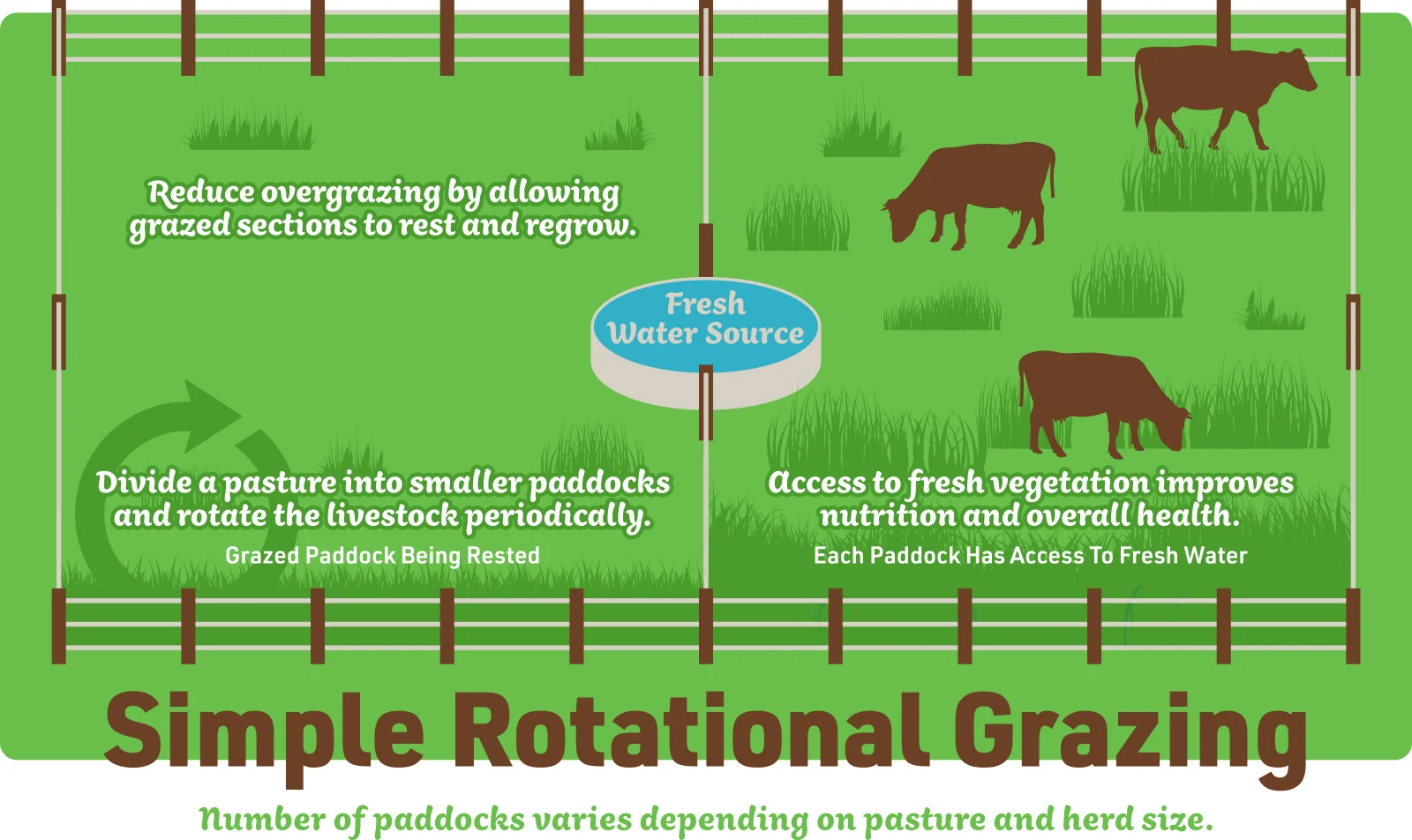
1. Pastureland
Pasture is used primarily in grazing-based dairies, especially in regions like Wisconsin and parts of the Northeast.
Grass-fed or rotational grazing farms depend heavily on pasture acreage to reduce feed costs.
These farms often require:
- 1–2 acres per cow
- Rotational fencing systems
- Water access points
Pastureland also supports soil health and can reduce manure management challenges.
2. Cropland for Feed Production
Most large dairy farms produce their own feed.
Common dairy feed crops include:
- Corn silage
- Alfalfa hay
- Grass hay
- Small grain silage
Growing feed on owned or leased land protects farms from volatile feed prices.
For example, many large dairy operations in California’s Central Valley operate on thousands of acres of nearby cropland dedicated to silage production.
3. Facility and Infrastructure Land
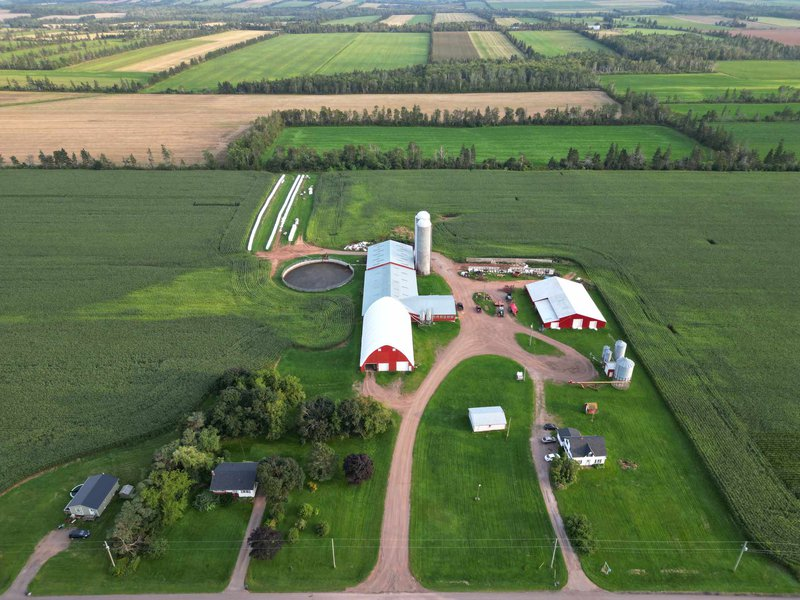
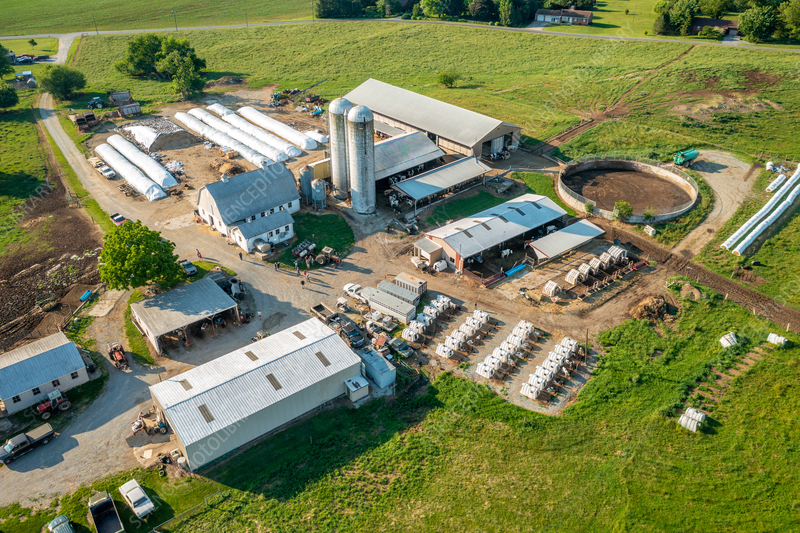
The physical dairy complex occupies a relatively small portion of total acreage but requires specialized real estate development.
Typical structures include:
- Freestall barns
- Milking parlors or robotic milking facilities
- Calf barns
- Feed storage bunkers
- Manure lagoons
These buildings are often clustered on 20–80 acres of operational land depending on herd size.
Infrastructure design must meet environmental and zoning requirements.
Regional Differences in Dairy Real Estate
Dairy land values and farm structures vary dramatically across the United States.
Some of the largest dairy-producing states include:
- California
- Wisconsin
- Idaho
- Texas
- New York
Each region has different real estate dynamics.
Western Dairy Operations
States like Idaho, Texas, and California tend to have very large dairies, often with herds exceeding 5,000 cows.
Characteristics include:
- Large land parcels
- Dry climates suitable for feed crops
- Purpose-built industrial dairy facilities
Land is often purchased or leased in large blocks to support feed production.
Midwest Dairy Farms
In states like Wisconsin, dairy farms are often smaller but more numerous.
Many farms:
- Operate between 100–800 cows
- Utilize mixed pasture and crop systems
- Own multiple smaller parcels of farmland
Real estate here is shaped by historic family farm ownership patterns.
Northeast Dairy Real Estate
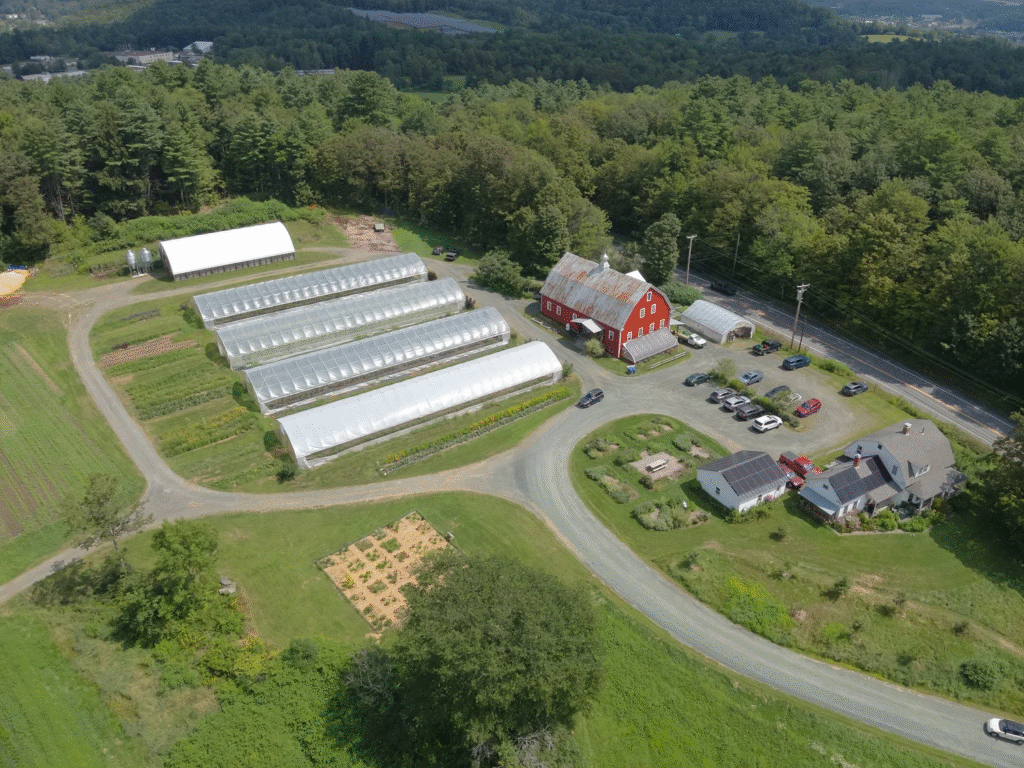
In states such as New York and Pennsylvania, dairy farms operate in regions with more fragmented land ownership and higher property costs.
This often leads to:
- Increased leasing of farmland
- Smaller dairy facilities
- Greater reliance on purchased feed
How Dairy Land Is Valued
Farmland used for dairy operations is valued differently than residential or commercial real estate.
Key factors affecting dairy land value include:
- Soil productivity
- Water availability
- Proximity to milk processors
- Zoning regulations
- Environmental compliance requirements
According to the USDA’s 2024 farmland report, average U.S. cropland values exceed $5,000 per acre, but prime dairy land in regions like Wisconsin or California can exceed $10,000 per acre.
Land capable of growing high-yield feed crops commands premium prices.
The Importance of Location Near Milk Processing Plants
Unlike grains that can be stored or transported long distances, milk is highly perishable.
That makes proximity to dairy processing plants essential.
Major dairy processors include companies such as:
- Dairy Farmers of America
- Land O’Lakes
- Lactalis
Milk must typically be transported to processors within hours of milking.
As a result, dairy farms tend to cluster around processing hubs where transportation costs remain manageable.
This geographic factor influences farmland demand and pricing.
Environmental Regulations and Land Use Planning
Modern dairy real estate must comply with strict environmental regulations.
Large dairy farms are classified as Concentrated Animal Feeding Operations (CAFOs) and must follow federal and state guidelines.
Regulations typically cover:
- Manure storage capacity
- Nutrient management plans
- Water runoff prevention
- Groundwater protection
These requirements directly affect land planning.
For instance, farms must have sufficient cropland to apply manure nutrients safely without contaminating water systems.
That often means acquiring or leasing additional acreage.
Leasing vs. Owning Dairy Farmland
Many dairy farms combine owned and leased land.
This strategy helps balance financial stability and operational flexibility.
Owning land provides:
- Long-term security
- Equity growth
- Control over soil management
Leasing land allows:
- Lower capital investment
- Operational expansion
- Reduced debt exposure
Many successful dairies operate with 30–50% leased farmland for feed production.
Technology Is Changing Dairy Land Use
Technological innovation is reshaping how dairy farms utilize real estate.
Precision agriculture tools now allow farms to optimize land productivity.
Common technologies include:
- GPS-guided tractors
- Soil nutrient mapping
- Automated irrigation systems
- Drone crop monitoring
These systems improve crop yields and reduce input costs.
Robotic milking systems also change facility design, allowing farms to operate efficiently with fewer workers.
Real Estate Investment in Dairy Farming
Agricultural investors increasingly view dairy land as a long-term asset.
Institutional investors, pension funds, and farmland investment groups have begun purchasing agricultural land across the U.S.
The appeal lies in:
- Stable food demand
- Long-term land appreciation
- Lease income from farmers
Farmland historically performs differently than traditional financial assets.
During periods of inflation, agricultural land often holds value better than many other investments.
Challenges Facing Dairy Farm Real Estate
Despite strong demand for milk products, dairy real estate faces significant challenges.
Major issues include:
- Rising land prices
- Labor shortages
- Environmental compliance costs
- Consolidation of dairy farms
Over the past several decades, the number of U.S. dairy farms has declined dramatically.
However, average herd sizes have increased as operations consolidate into larger, more efficient facilities.
This shift has reshaped farmland demand, favoring larger parcels suitable for industrial-scale dairies.
Frequently Asked Questions
How much land does a typical dairy farm require?
A 100-cow dairy farm may require 150–300 acres, while a 1,000-cow operation may require 1,500–2,500 acres depending on feed production needs.
Why do dairy farms grow their own feed?
Growing feed reduces costs and protects farms from market price fluctuations for corn, hay, and silage.
What is the most important factor in dairy farm location?
Proximity to milk processing plants is critical because milk must be transported quickly after milking.
Are dairy farms profitable today?
Profitability varies widely depending on milk prices, feed costs, land ownership, and farm efficiency.
What crops are commonly grown on dairy farms?
Corn silage, alfalfa, grass hay, and small grains are the most common feed crops.
Why are manure lagoons necessary on dairy farms?
They store manure safely so nutrients can later be applied to cropland without contaminating waterways.
Can dairy farmland be leased instead of owned?
Yes. Many farms lease part of their land base to reduce financial risk.
Which U.S. states produce the most milk?
California, Wisconsin, Idaho, Texas, and New York are among the largest dairy-producing states.
Why are dairy farms getting larger?
Economic pressures encourage consolidation, allowing farms to spread costs across larger herds.
Is farmland a good investment?
Farmland has historically provided stable returns and long-term appreciation, especially when leased to productive agricultural operations.
The Land Beneath Every Glass of Milk
Dairy farming is often associated with cows and barns, but the true backbone of modern milk production is land. From fertile cropland that feeds dairy herds to the specialized infrastructure that supports milking operations, real estate decisions shape nearly every aspect of the dairy industry.
As agriculture continues to modernize, the relationship between dairy farms and farmland will only grow more important. Land availability, environmental regulations, and regional economics will continue to influence where—and how—America produces its milk.
Key Insights at a Glance
- Dairy farming relies heavily on agricultural real estate
- Large dairies may require thousands of acres for feed production
- Proximity to milk processors influences farm location
- Environmental regulations shape land use planning
- Leasing farmland is common for operational flexibility
- Technology is improving land productivity in dairy systems
- Farmland is increasingly viewed as a long-term investment asset
 Robert Weber