

Summary
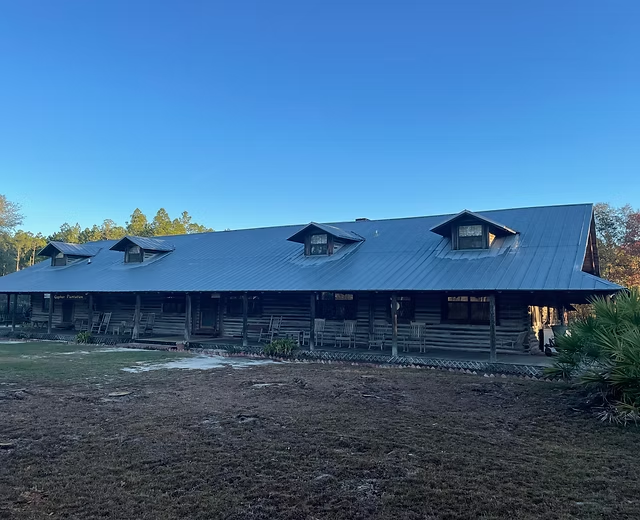
Plantation land in the United States can offer strong long-term value for agriculture, timber, recreation, and investment. However, buyers must understand zoning rules, soil quality, water rights, tax implications, and management costs before purchasing. This guide explains how plantation land works, what it typically costs, the risks involved, and how experienced buyers evaluate opportunities.
Understanding What “Plantation Land” Means in the U.S.
In the American real estate market, plantation land typically refers to large agricultural or timber properties used for commercial crop production, forestry, or mixed agricultural operations. The term is most commonly associated with properties in the Southeast and Southern United States, including states such as Georgia, Alabama, Mississippi, South Carolina, and Louisiana.
Historically, plantations were large estates producing crops like cotton, tobacco, rice, and sugarcane. Today, the meaning is broader. Modern plantation properties may be used for:
- Timber production
- Specialty crops (pecans, citrus, olives)
- Large-scale farming operations
- Recreational land (hunting, fishing, conservation)
- Long-term land investment
Many plantation properties combine agriculture, timber management, and recreational land use, which can diversify income streams and stabilize returns.
According to the USDA National Agricultural Statistics Service, farmland values in the United States averaged $4,080 per acre in 2023, though plantation-quality land in high-demand regions can exceed that significantly depending on soil quality, water access, and location.
Where Plantation Land Is Most Common
Plantation-style agricultural properties are most common in regions where climate, soil, and land availability support large-scale cultivation.
Key U.S. Regions
The Southeast
States like Georgia, Alabama, and South Carolina are home to many historic plantations and modern agricultural estates. These properties often support:
- Pine timber plantations
- Row crops such as peanuts and soybeans
- Pecan orchards
- Hunting plantations managed for wildlife
Mississippi Delta
The Delta region offers highly fertile soil ideal for:
- Cotton
- Soybeans
- Corn
- Rice
Because of the exceptional soil productivity, farmland prices here can be among the highest in the rural South.
Louisiana and Coastal South
These areas are known for:
- Sugarcane plantations
- Rice production
- Crawfish farming integrated with agriculture
Texas and Florida
Plantation-style properties in these states may include:
- Citrus groves
- Cattle operations
- Pecan orchards
- Mixed agricultural estates
For buyers, location significantly affects climate risk, crop viability, labor availability, and long-term property value.
Why Buyers Invest in Plantation Land
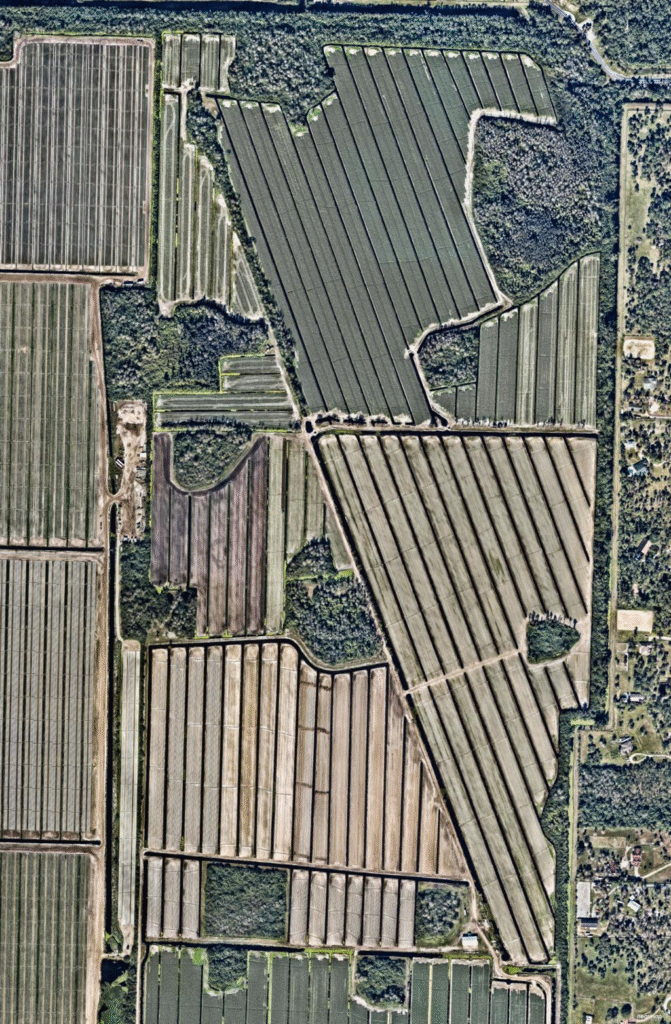
Plantation land attracts a unique group of buyers: agricultural investors, family offices, farmers, conservationists, and recreational landowners.
Common Investment Motivations
- Long-term land appreciation
- Agricultural income
- Timber harvesting
- Tax advantages
- Recreational property ownership
- Portfolio diversification
Farmland has historically been considered a stable asset. According to the USDA Economic Research Service, farmland values in the United States have generally trended upward over decades, even during periods of economic volatility.
However, plantation properties are not passive investments. They require management, agricultural expertise, or partnerships with experienced operators.
Types of Plantation Land Buyers Encounter
Not all plantation properties are the same. Understanding the type of land you’re buying is critical for evaluating its value and potential income.
Timber Plantations
Timber plantations grow commercially managed forests, typically pine in the Southeast or hardwood species in other regions.
Benefits include:
- Predictable harvest cycles
- Lower labor requirements
- Wildlife habitat value
- Long-term appreciation
Timber harvesting often occurs every 20–30 years, though thinning operations can generate interim revenue.
Crop Plantations
These are large farms producing row crops or specialty agricultural products.
Examples include:
- Cotton plantations
- Pecan orchards
- Sugarcane farms
- Rice plantations
- Citrus groves
Income potential depends heavily on commodity prices, climate conditions, and irrigation access.
Recreational Plantations
Many historic plantations are now managed primarily as recreational estates.
Common uses include:
- Hunting leases
- Fishing lakes
- Wildlife management
- Luxury rural retreats
These properties often generate income through guided hunting programs or land leases.
Mixed-Use Agricultural Estates
Some of the most valuable plantation properties combine multiple uses:
- Timber production
- Crop farming
- Hunting revenue
- Conservation easements
This diversified model helps reduce financial risk.
Key Factors Buyers Should Evaluate
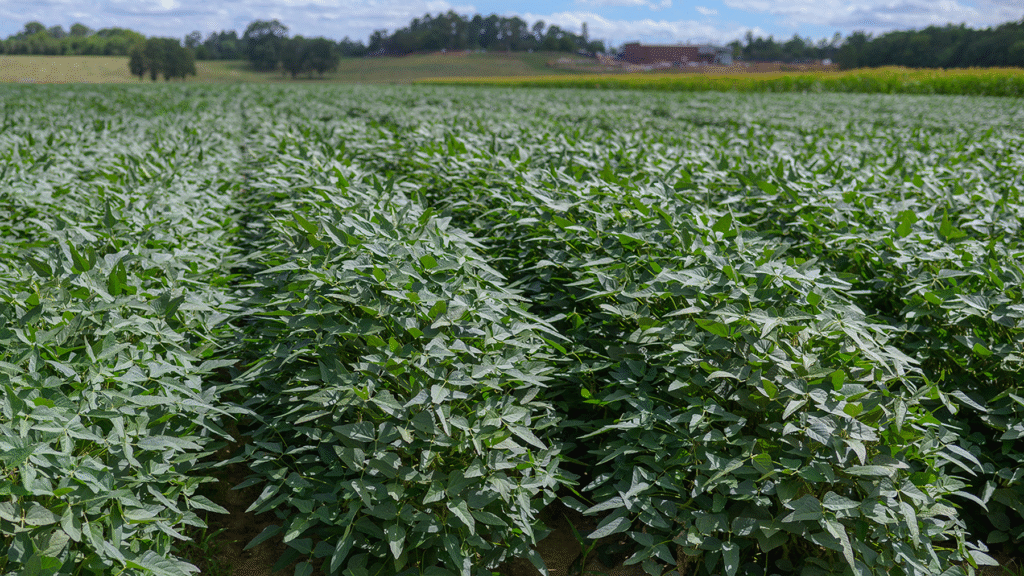
Experienced buyers rarely evaluate plantation land based solely on acreage or price. Several technical factors determine whether the investment will perform as expected.
Soil Quality
Soil productivity strongly affects crop profitability.
Buyers should review:
- Soil surveys from the USDA Natural Resources Conservation Service
- Crop productivity history
- Drainage characteristics
- Fertility levels
In fertile regions like the Mississippi Delta, soil quality alone can justify significantly higher land prices.
Water Availability
Reliable water access is essential for many agricultural operations.
Important considerations include:
- Irrigation systems
- Groundwater rights
- Surface water access
- Rainfall patterns
In drought-prone areas, water rights can significantly influence land value.
Zoning and Land Use Regulations
Plantation properties are often located in agricultural zoning districts, but buyers must confirm:
- Permitted agricultural uses
- Residential development restrictions
- Environmental protections
- Wetland regulations
Some historic plantation properties may also include conservation easements, which can limit development but provide tax benefits.
Infrastructure and Improvements
Existing infrastructure can significantly affect a property’s value and operating costs.
Examples include:
- Irrigation systems
- Farm roads
- Storage facilities
- Equipment barns
- Processing facilities
Older plantation homes or historic buildings may require significant restoration costs.
Typical Costs of Plantation Land
Prices vary dramatically depending on location, soil productivity, and property improvements.
Average Price Ranges
Approximate farmland prices in several plantation-heavy regions:
- Georgia farmland: $3,500–$6,500 per acre
- Mississippi Delta farmland: $7,000–$12,000 per acre
- Alabama timberland: $2,000–$4,500 per acre
- Florida citrus land: $6,000–$10,000 per acre
Large plantations often range from 500 acres to several thousand acres, meaning total purchase prices can easily reach millions of dollars.
Buyers should also budget for ongoing operational costs such as:
- Land management
- Equipment
- Insurance
- Property taxes
- Crop inputs or forestry management
Tax Advantages and Incentives
One reason plantation land appeals to investors is the potential for favorable tax treatment.
Agricultural Property Tax Rates
Many states offer agricultural use valuation, which taxes land based on its farming value rather than market value. This can significantly reduce annual tax obligations.
Timber Tax Benefits
Timberland owners may qualify for:
- Long-term capital gains treatment
- Reforestation tax credits
- Timber depletion deductions
Conservation Easements
Some plantation owners place land into conservation easements, which can:
- Preserve wildlife habitat
- Limit development
- Provide federal tax deductions
However, easements permanently restrict certain land uses, so buyers must review these agreements carefully.
Common Risks Buyers Should Consider
Plantation land can be valuable, but it also carries risks that inexperienced buyers sometimes overlook.
Commodity Price Volatility
Crop prices fluctuate significantly depending on global supply and demand.
For example:
- Cotton prices have historically experienced large swings.
- Soybean prices can fluctuate with global trade policies.
Income projections should account for these cycles.
Weather and Climate Risk
Agricultural land is exposed to natural risks such as:
- Hurricanes
- Flooding
- Drought
- Pest outbreaks
Crop insurance and diversified land use can help mitigate these risks.
Labor and Operational Complexity
Large plantations require skilled management.
Some buyers hire:
- Farm managers
- Timber consultants
- Agricultural operators
Without experienced oversight, operating costs can rise quickly.
How Buyers Typically Find Plantation Properties
Plantation land rarely appears on typical residential real estate websites.
Instead, buyers often work with specialized brokers and agricultural land advisors.
Common sources include:
- Agricultural land brokerage firms
- Farm and ranch real estate networks
- Timberland investment groups
- Off-market private sales
Many high-value plantations are sold privately through broker networks, particularly historic estates or large timber holdings.
Due Diligence Steps Before Purchasing
A professional due diligence process is essential for plantation acquisitions.
Buyers typically complete several technical reviews.
Standard Due Diligence Checklist
- Soil survey and productivity analysis
- Title and property boundary review
- Water rights verification
- Environmental assessment
- Crop yield history
- Timber inventory (for forest land)
- Infrastructure inspection
- Local zoning confirmation
In many cases, buyers also commission independent land appraisals to validate the asking price.
Plantation Land as a Long-Term Investment
Plantation land tends to be viewed as a generational asset, rather than a short-term investment.
Historically, farmland has demonstrated several appealing characteristics:
- Limited supply
- Inflation protection
- Income potential
- Tangible asset stability
Large institutional investors, including pension funds and farmland investment firms, have increasingly entered the farmland market in the past decade.
However, successful ownership typically requires patience, management expertise, and a long-term perspective.
Frequently Asked Questions
1. How large is a typical plantation property?
Plantations typically range from 300 to several thousand acres, though smaller agricultural estates also exist.
2. Can individuals buy plantation land in the U.S.?
Yes. Individuals, companies, and investment groups can all purchase agricultural land, though financing large properties may require specialized lenders.
3. Is plantation land profitable?
Profitability depends on crop type, management quality, and commodity prices. Some plantations generate steady income through farming, timber harvesting, or hunting leases.
4. What crops are commonly grown on plantation land?
Common crops include cotton, soybeans, rice, sugarcane, pecans, citrus, and peanuts.
5. Is financing available for plantation land?
Yes. Agricultural lenders such as farm credit institutions and rural banks often provide financing tailored for farmland purchases.
6. Are historic plantation homes included in these properties?
Some plantation estates include historic homes or structures, though many modern agricultural plantations do not.
7. Do plantation properties come with water rights?
It depends on the state and local regulations. Buyers must confirm water rights during due diligence.
8. Are plantation properties good for hunting and recreation?
Many plantation properties are actively managed for wildlife and generate income through hunting leases or guided hunts.
9. What is the biggest risk when buying plantation land?
Operational complexity and commodity price fluctuations are among the most common risks.
10. How long do investors usually hold plantation land?
Many investors hold plantation land for decades or across generations, treating it as a legacy asset.
When Plantation Land Ownership Makes Strategic Sense
Plantation land can be a compelling asset for buyers seeking long-term land ownership, agricultural income, and rural investment diversification. However, successful ownership requires careful evaluation of soil quality, water access, operational costs, and regional agricultural markets.
For buyers willing to approach the purchase with patience and proper due diligence, plantation land can become both a productive property and a long-term store of value.
Key Insights for Prospective Plantation Buyers
- Plantation land refers to large agricultural or timber estates common in the Southern United States
- Soil productivity and water access are critical drivers of land value
- Properties may generate income from crops, timber, or recreational leases
- Farmland historically provides long-term appreciation and inflation protection
- Professional land management is often necessary for successful operation
- Due diligence should include soil analysis, water rights verification, and environmental review
- Plantation properties can serve as both income-producing assets and legacy investments
 Robert Weber