

Summary
Agricultural real estate plays a critical role in sustaining regional food systems across the United States. From farmland and orchards to dairy and poultry facilities, these properties enable food production, distribution, and economic stability. Understanding how agricultural land functions within local food networks helps communities strengthen food security, support farmers, and ensure long-term access to fresh, locally produced food.
Understanding the Connection Between Agricultural Land and Food Systems
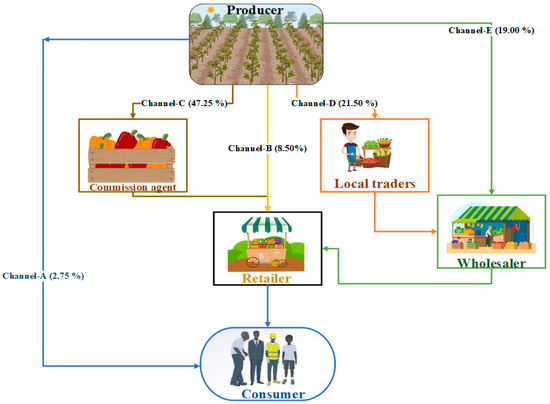
A regional food system refers to the network of farms, processors, distributors, retailers, and consumers that produce and deliver food within a defined geographic area. While discussions often focus on farming practices or supply chains, the real estate underlying food production—land, facilities, and infrastructure—is just as essential.
Agricultural real estate provides the physical foundation for growing crops, raising livestock, storing produce, and transporting goods. Without accessible farmland and properly developed agricultural facilities, regional food systems cannot function effectively.
Across the United States, farmland remains a significant economic asset. According to the USDA Economic Research Service, farmland accounted for roughly 83% of the value of U.S. farm sector assets in recent years, illustrating how deeply agricultural production is tied to land ownership and real estate structures.
In practical terms, agricultural real estate shapes how food moves from soil to table. Local farms depend on reliable land access, infrastructure investments, and long-term property stewardship to maintain consistent food production.
Why Agricultural Real Estate Matters for Regional Food Security
Food security is often discussed in terms of supply chains or climate resilience, but land availability is one of the most fundamental factors.
When agricultural land is preserved and properly managed, it allows regions to maintain consistent food production even during national supply disruptions. This became particularly clear during the COVID-19 pandemic when many communities rediscovered the importance of locally sourced food networks.
Agricultural real estate contributes to food security in several ways:
- Ensuring sufficient farmland for crop and livestock production
- Supporting regional diversity in food types and growing seasons
- Reducing reliance on long-distance supply chains
- Allowing smaller farms to participate in local food markets
- Maintaining the infrastructure needed for food storage and distribution
For example, states like California, Iowa, and Wisconsin rely heavily on agricultural real estate not only for economic activity but also for maintaining stable regional food supplies.
In regions where farmland is lost to development, communities may face greater dependence on imported food and increased vulnerability to supply disruptions.

The Role of Different Types of Agricultural Real Estate
Agricultural real estate is not limited to crop fields. Various types of agricultural properties contribute to regional food systems in unique ways.
1. Agricultural Land for Crop Production
Traditional farmland remains the backbone of regional food production.
Crop-producing land supports:
- Vegetables and grains
- Fruits and nuts
- Specialty crops
- Organic farming operations
Regions like the Midwest Corn Belt and California’s Central Valley demonstrate how large agricultural land networks feed both regional and national markets.
Local food systems also depend on smaller-scale farms near urban centers. For example, farms around cities such as Portland, Oregon, and Austin, Texas, supply farmers markets, restaurants, and community-supported agriculture programs.
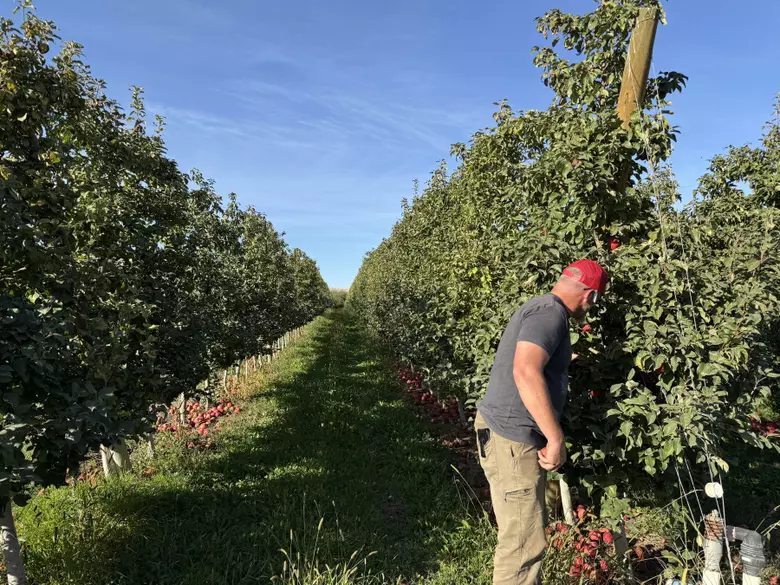
2. Orchards and Specialty Crop Properties
Orchards represent another important form of agricultural real estate, particularly in regions known for fruit production.
Orchard properties often require:
- Long-term land ownership
- Specialized irrigation systems
- Storage and packing facilities
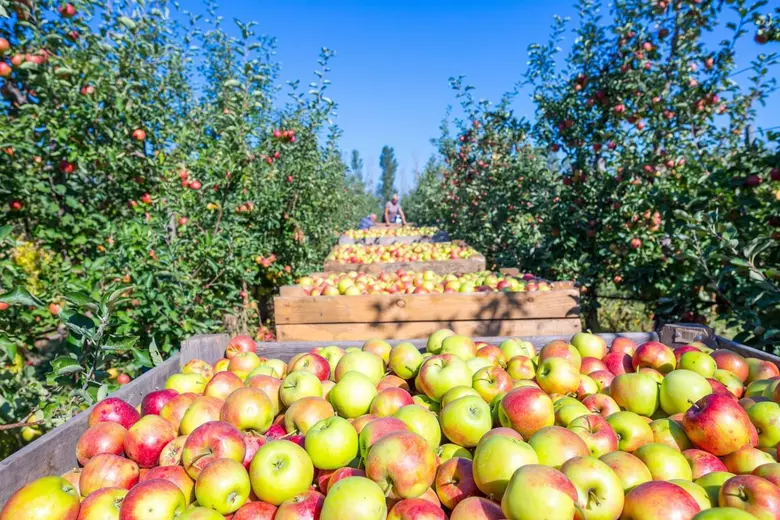
Apple orchards in Washington State or citrus groves in Florida illustrate how permanent agricultural landscapes contribute to steady regional food supply.
Unlike seasonal crops, orchards may take several years before producing fruit, making long-term land security essential.
3. Dairy Farms and Livestock Facilities
Livestock properties are another major component of agricultural real estate.
Dairy farms, for example, require a combination of land and built infrastructure, including:
- Grazing pastures
- Milking facilities
- Feed storage
- Waste management systems
States such as Wisconsin, often called “America’s Dairyland,” rely heavily on specialized dairy farm properties that support regional milk and cheese production.
Similarly, poultry farms in states like Georgia and Arkansas depend on purpose-built facilities that house birds, manage ventilation, and maintain food safety standards.
These types of agricultural properties illustrate how real estate and infrastructure directly affect food production capacity.
Infrastructure: The Overlooked Side of Agricultural Real Estate
When people think about farmland, they often imagine open fields. In reality, agricultural real estate includes a wide range of infrastructure essential to food systems.
Important infrastructure includes:
- Irrigation systems
- Grain storage silos
- Processing facilities
- Cold storage warehouses
- Distribution hubs
Cold storage, in particular, has become increasingly important as consumer demand for fresh produce grows. Facilities that maintain temperature-controlled environments allow farmers to extend the shelf life of fruits, vegetables, and dairy products.
For example, cold storage facilities in agricultural regions of California and Washington help stabilize supply chains for produce that would otherwise spoil quickly.
Infrastructure investments significantly improve the efficiency and resilience of regional food networks.
How Agricultural Real Estate Supports Local Economies
Agricultural real estate contributes not only to food production but also to local economic development.
Farms, orchards, and livestock operations create economic activity through:
- Employment in farming and processing
- Equipment and supply purchases
- Food distribution networks
- Agritourism activities
According to the USDA, agriculture, food, and related industries contributed over $1.5 trillion to the U.S. GDP in recent estimates, representing a significant share of national economic activity.
Much of this value originates directly from land-based agricultural operations.
In many rural counties, agricultural real estate serves as the primary economic engine, supporting not just farmers but also transportation companies, food processors, and local retailers.
Preserving Farmland Near Growing Cities
One of the biggest challenges facing agricultural real estate is urban expansion.
As cities grow, farmland on the outskirts often becomes attractive for residential or commercial development. While development can bring economic growth, losing agricultural land may weaken regional food systems.
Several strategies help preserve farmland:
- Agricultural zoning laws
- Conservation easements
- State farmland preservation programs
- Land trusts that protect farming properties
Programs such as the USDA Agricultural Conservation Easement Program (ACEP) help landowners maintain farmland while preventing conversion to non-agricultural uses.
These policies allow communities to balance development with long-term food production needs.
The Growing Interest in Agricultural Land Investment
In recent years, agricultural land has also attracted interest from institutional investors, pension funds, and private landowners.
This trend is driven by several factors:
- Long-term land value appreciation
- Stable demand for food production
- Portfolio diversification opportunities
According to farmland research firms such as FarmTogether, U.S. farmland has historically delivered relatively stable returns with lower volatility than many traditional asset classes.
However, investment activity must be balanced carefully with the needs of working farmers. Leasing arrangements, farmer partnerships, and cooperative ownership models can help maintain productive agricultural land while supporting local food systems.
Challenges Facing Agricultural Real Estate
Despite its importance, agricultural real estate faces several ongoing challenges.
Key issues include:
- Rising farmland prices
- Climate change impacts
- Water access limitations
- Aging farmer populations
- Competition from non-agicultural development
For younger farmers, accessing farmland can be particularly difficult due to high land costs. Programs that connect new farmers with landowners are becoming increasingly important.
Organizations such as American Farmland Trust work to protect farmland and improve land access for future generations.
Frequently Asked Questions
1. What is agricultural real estate?
Agricultural real estate refers to land and facilities used for farming, livestock production, orchards, and agricultural processing.
2. Why is farmland important for regional food systems?
Farmland enables local food production, reducing reliance on distant supply chains and improving regional food security.
3. How does farmland affect local economies?
Agricultural properties support employment, food processing industries, equipment suppliers, and transportation networks.
4. Can farmland be a good investment?
Farmland can provide stable long-term returns, but investors should understand agricultural operations and local market conditions.
5. What are conservation easements?
Conservation easements are legal agreements that protect farmland from development while allowing continued agricultural use.
6. Why is farmland disappearing near cities?
Urban expansion and rising land values often lead landowners to sell farmland for residential or commercial development.
7. What infrastructure supports agricultural real estate?
Infrastructure includes irrigation systems, storage facilities, processing plants, and transportation networks.
8. How do orchards differ from regular farmland?
Orchards involve long-term tree crops that require specialized land management and infrastructure.
9. What role do dairy farms play in regional food systems?
Dairy farms provide milk and related products while supporting local agricultural economies.
10. How can communities preserve farmland?
Communities can implement zoning laws, conservation easements, farmland trusts, and agricultural protection programs.
Agricultural Land as the Foundation of Regional Food Resilience
Regional food systems depend on far more than farming techniques or distribution logistics. At the core of every successful food network is the availability of productive agricultural land and well-maintained farming infrastructure.
Agricultural real estate provides the physical base for growing crops, raising livestock, storing food, and supporting rural economies. When farmland is protected and responsibly managed, communities gain greater control over food supply, economic stability, and long-term sustainability.
As population growth and urban development continue to reshape landscapes across the United States, thoughtful stewardship of agricultural real estate will remain essential to maintaining resilient regional food systems.
Key Insights at a Glance
- Agricultural real estate forms the physical foundation of food production
- Farmland supports regional food security and local economies
- Orchards, dairy farms, and poultry facilities each play specialized roles
- Infrastructure such as cold storage and irrigation strengthens supply chains
- Farmland preservation helps protect regional food systems from urban expansion
- Agricultural land investment is growing but must support working farmers
 Robert Weber