

Summary
Agricultural land can offer long-term stability and diversification, but purchasing farmland requires careful evaluation beyond price per acre. Investors should analyze soil quality, water access, zoning regulations, operational costs, and long-term demand for crops. Understanding local farming economics, land productivity, and environmental factors helps ensure that agricultural land investments remain sustainable, productive, and financially sound over time.
Understanding the Appeal of Agricultural Land Investment
Agricultural land has become an increasingly discussed asset class among investors seeking stability and diversification. Unlike many traditional real estate investments, farmland generates value from both land appreciation and agricultural production. Historically, farmland has also shown resilience during economic downturns.
According to the US Department of Agriculture (USDA), average U.S. farmland values increased steadily for decades, reaching roughly $4,080 per acre in 2023, although values vary widely by region and productivity. In areas with strong crop yields and irrigation infrastructure, farmland can command significantly higher prices.
However, agricultural land differs from residential or commercial property investments in important ways. Productivity depends on environmental conditions, commodity prices fluctuate, and land management requires specialized knowledge.
Before purchasing farmland, investors should evaluate both agricultural viability and financial fundamentals.
Evaluating Soil Quality and Productivity
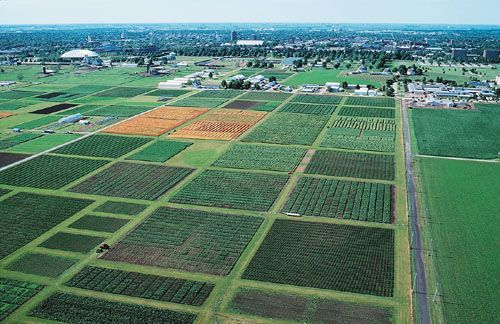
One of the most critical factors in farmland investment is the quality of the soil. Not all agricultural land is equally productive, and soil composition directly influences crop yields.
In the United States, soil productivity is commonly evaluated using USDA soil surveys and classifications, which assess factors such as:
- Soil texture and composition
- Drainage characteristics
- Organic matter content
- Slope and erosion risk
- Suitability for specific crops
For example, farmland in parts of Iowa, Illinois, and Nebraska commands higher prices largely because of fertile soils that support consistent corn and soybean production.
An investor considering land in California’s Central Valley might evaluate soil suitability for orchards, vineyards, or specialty crops instead of row crops.
Soil testing reports can provide valuable information about nutrient levels, pH balance, and potential fertility improvements.
Water Access and Irrigation Infrastructure
Water availability is often the single most important factor affecting agricultural land value.
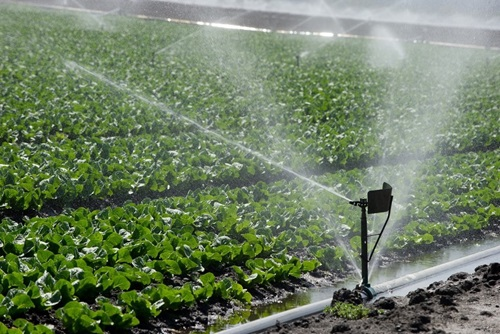
Some farmland relies entirely on rainfall, while other properties require irrigation systems. Investors should understand the water situation before purchasing land.
Key considerations include:
- Surface water rights
- Groundwater availability
- Irrigation infrastructure such as wells, pumps, or canals
- Regional drought patterns
- Water usage regulations
For example, farms in California, Arizona, and parts of Texas depend heavily on irrigation systems due to arid conditions. Changes in water rights or groundwater regulations can significantly impact productivity and land value.
Investors should also review state water laws, which vary widely across the United States.
Zoning Laws and Land Use Regulations
Agricultural land is subject to various zoning rules and land-use regulations.
Local governments often designate farmland as agricultural zoning, which can limit how the land may be used. These regulations may restrict:
- Residential development
- Commercial construction
- Subdivision of property
- Non-agricultural activities
Some counties also have farmland preservation programs designed to protect agricultural land from urban development.
For example, in states like Maryland and Pennsylvania, farmland preservation easements can limit development but may offer tax benefits.
Before purchasing land, investors should consult with local planning departments to understand any zoning restrictions.
Crop Demand and Regional Farming Economics
The profitability of farmland depends heavily on the local agricultural economy.
Different regions of the United States specialize in different crops:
- Midwest: corn and soybeans
- California: fruits, vegetables, and nuts
- Florida: citrus and specialty crops
- Pacific Northwest: apples, wheat, and vineyards
Investors should analyze regional crop demand and commodity markets.
For instance, orchard land used for almonds in California has experienced strong value growth over the past two decades due to global demand. However, these investments also involve higher upfront costs and water considerations.
Understanding what crops are grown locally—and whether the land is suitable for them—is essential for evaluating investment potential.
Infrastructure and Farm Accessibility
Agricultural land must support efficient farming operations. Even highly fertile land can become difficult to manage if infrastructure is limited.
Investors should evaluate:
- Road access for equipment and transport
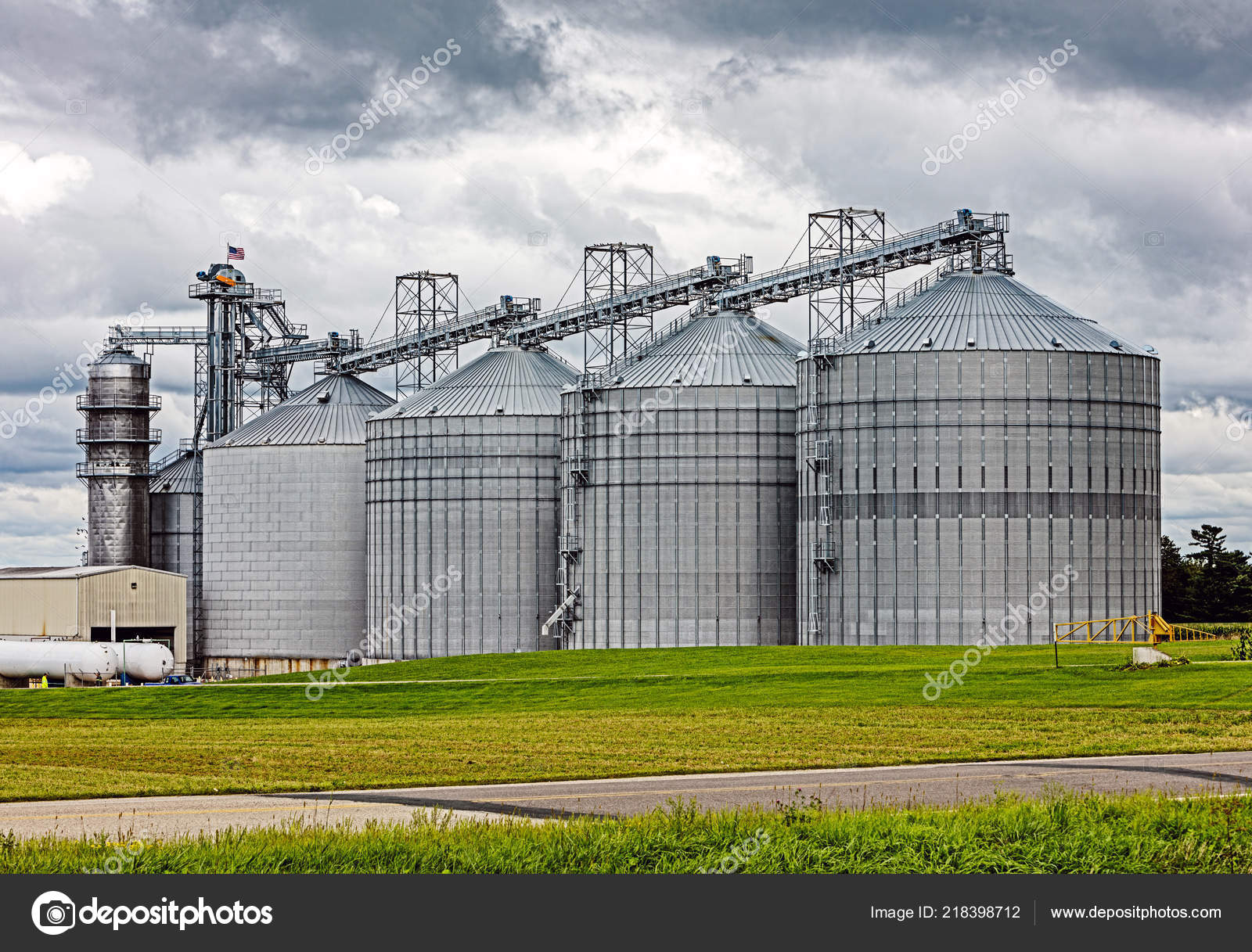
- Proximity to grain elevators or processing facilities
- Storage infrastructure such as silos or barns
- Electricity and utility access
- Equipment access routes
For example, a wheat farm located near rail transport or grain terminals may have lower transportation costs compared with a remote property.
Access to nearby agricultural infrastructure can significantly affect profitability.
Understanding Operating Costs
Agricultural land ownership involves ongoing expenses beyond the purchase price.
Typical operating costs may include:
- Property taxes
- Land maintenance and improvements
- Irrigation equipment maintenance
- Insurance
- Farm management fees (if leasing to farmers)
In many cases, farmland investors lease their property to farmers through cash rent agreements or crop-share arrangements.
Under a cash lease, the farmer pays a fixed annual rent per acre. Under crop-share agreements, the landowner receives a percentage of the crop revenue.
Each model carries different risk and return characteristics.
Environmental and Climate Considerations
Climate variability plays a significant role in agricultural productivity.
Investors should evaluate regional climate patterns such as:
- Rainfall levels
- Growing season length
- Frost risk
- Drought frequency
- Flood risk
Climate resilience is becoming a growing topic in agricultural investment.
For example, areas with consistent rainfall and stable temperatures may provide more reliable crop yields compared with regions experiencing increasing drought conditions.
Additionally, environmental factors such as soil erosion, wetlands regulations, or conservation requirements can influence land use.
Long-Term Appreciation Potential
Agricultural land is often considered a long-term investment.
Historically, farmland values have been influenced by several factors:
- Commodity prices
- Global food demand
- Urban expansion
- Interest rates
- Agricultural productivity improvements
In some regions, farmland near expanding cities may gain additional value due to future development potential.
However, investors should avoid assuming development will occur. Agricultural land purchases should remain financially viable as farmland first and foremost.
Working with Agricultural Experts
Agricultural land investment often benefits from professional guidance.
Investors commonly consult specialists such as:
- Agricultural real estate brokers
- Soil scientists
- Farm managers
- Agricultural economists
- Water rights attorneys
These professionals can provide valuable insights into local land values, farming practices, and regulatory considerations.
For example, a farm manager may help evaluate potential crop rotations, tenant arrangements, and long-term land improvements that enhance productivity.
Professional due diligence reduces the risk of unexpected challenges after purchase.
Frequently Asked Questions
Is buying agricultural land a good investment?
Agricultural land can provide diversification, income from leases, and long-term appreciation. However, returns depend on crop markets, land productivity, and management decisions.
How much does farmland cost in the United States?
According to USDA estimates, average U.S. farmland values reached about $4,000 per acre in 2023, but prices vary widely depending on region and soil quality.
Can farmland generate passive income?
Yes. Many investors lease farmland to farmers under cash rent agreements, allowing the landowner to receive steady income without managing farm operations.
What are the risks of farmland investment?
Risks include commodity price volatility, weather conditions, water availability, regulatory changes, and rising operating costs.
Do investors need farming experience?
Not necessarily. Many investors work with farm managers or lease land to experienced farmers who handle daily operations.
What types of crops affect land value the most?
High-value crops such as almonds, grapes, or specialty produce can significantly increase land value, though they also require greater investment.
Are there tax benefits to owning farmland?
Some states offer agricultural tax assessments or conservation incentives that may reduce property taxes, but rules vary by location.
How is farmland income typically structured?
Income often comes through annual land rent or crop-share agreements with farmers who cultivate the land.
Can farmland be developed later?
Some farmland near growing cities may eventually be rezoned for development, but zoning laws and preservation programs can limit this possibility.
How long do investors typically hold farmland?
Many investors hold farmland for 10–20 years or longer, viewing it as a long-term asset similar to timberland or infrastructure investments.
Land Stewardship and Long-Term Investment Perspective
Agricultural land investment is not simply about purchasing acreage—it involves understanding the economic, environmental, and operational dynamics that shape farmland productivity.
Successful farmland investors often approach their properties as long-term assets that require responsible stewardship. Soil health, water management, and sustainable farming practices can enhance both productivity and long-term value.
By carefully evaluating land quality, local farming economics, infrastructure, and environmental conditions, investors can make informed decisions that support both financial goals and sustainable land use.
Key Considerations at a Glance
- Soil quality directly influences long-term crop productivity
- Reliable water access is critical for many farming operations
- Zoning laws may limit development or alternative land uses
- Regional crop markets affect farmland profitability
- Infrastructure and transport access improve operational efficiency
- Operating costs should be factored into long-term investment returns
- Climate resilience is increasingly important in farmland evaluation
- Professional advisors can provide essential due diligence
 Robert Weber