

Summary
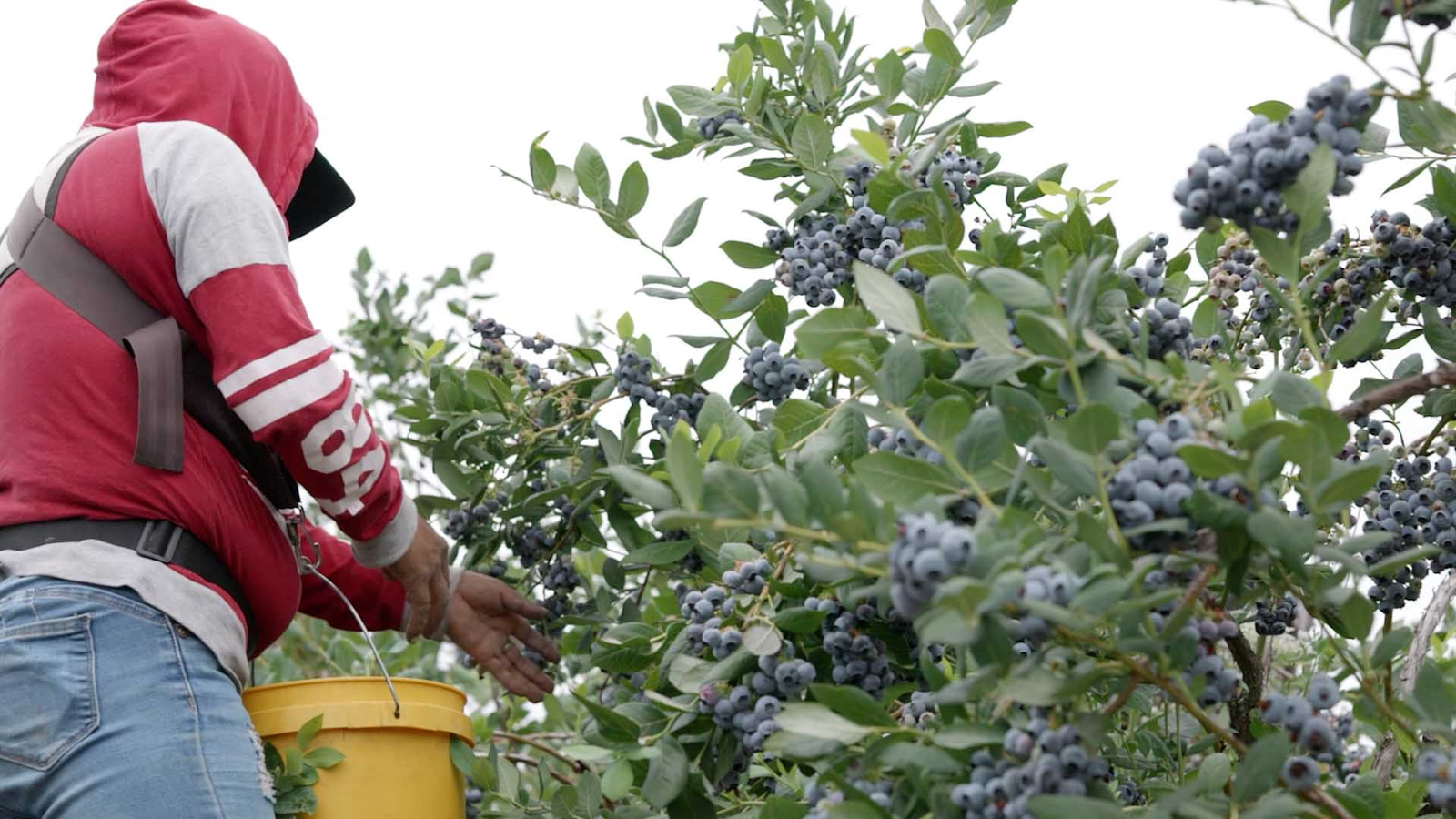
Orchards and specialty crops represent one of the fastest-growing segments of U.S. agricultural real estate. From almonds and apples to blueberries and wine grapes, these permanent crops generate long-term revenue but require careful planning, capital, and management. Understanding how orchard properties operate—from planting timelines to market demand—helps investors, landowners, and growers evaluate the real business potential behind these agricultural assets.
Why Orchards and Specialty Crops Matter in Modern Agriculture
Across the United States, farmland is no longer limited to corn, soybeans, and wheat. Permanent crops—trees, vines, and high-value produce—now play a major role in agricultural economics.
The U.S. Department of Agriculture (USDA) reports that specialty crops account for roughly 50% of total crop cash receipts, despite occupying far less land than commodity crops. These include fruits, nuts, vegetables, and nursery products.
Unlike row crops that are planted and harvested annually, orchards and vineyards represent long-term agricultural infrastructure. Trees may produce for 20 to 40 years. Vineyards can last even longer. Once planted, the land becomes a specialized production system requiring ongoing management, irrigation, and labor.
This shift has changed how agricultural land is valued. Investors increasingly analyze farmland based on crop type, water rights, climate resilience, and proximity to processing facilities.
What Counts as a Specialty Crop?
Specialty crops generally include high-value produce grown for fresh markets or processing industries. These crops are labor-intensive but often produce significantly higher returns per acre compared with commodity crops.
Common U.S. orchard and specialty crop categories include:
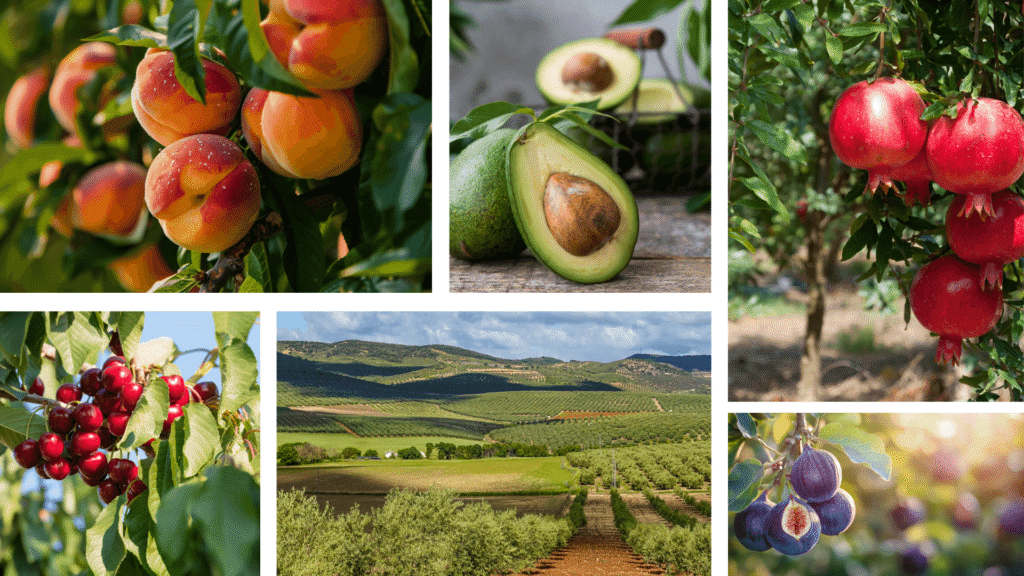
• Tree fruits: apples, cherries, peaches, pears, plums
• Nuts: almonds, pistachios, walnuts, pecans
• Vine crops: grapes for wine, raisins, or table consumption
• Berries: blueberries, raspberries, strawberries
• Citrus: oranges, lemons, limes, mandarins
• Specialty vegetables: asparagus, artichokes, garlic
Regions of the country specialize based on climate and soil conditions. For example:
• Washington State dominates U.S. apple production
• California leads in almonds, pistachios, grapes, and citrus
• Michigan is known for cherries and blueberries
• Florida remains a major citrus producer
These geographic clusters form agricultural ecosystems where growers benefit from shared infrastructure, skilled labor pools, and nearby packing facilities.
How Orchard Farms Actually Make Money
The business model behind orchard properties is different from traditional farming. Instead of annual planting cycles, orchard growers invest heavily upfront and wait several years before trees reach full production.
A typical orchard investment timeline looks like this:
Year 0–1: Land preparation and planting
Growers install irrigation systems, prepare soil, and plant young trees or vines. Capital costs can be significant. Establishing an almond orchard, for example, can exceed $10,000 per acre before the first harvest.
Years 2–4: Early growth
Trees mature and require pruning, fertilization, pest control, and water management. Small harvests may occur, but revenue is limited.
Years 5–8: Full production begins
Trees reach peak yield and produce consistent harvests.
Years 10–25+: Mature production cycle
The orchard becomes a stable agricultural asset with predictable revenue potential.
Once established, productive orchards generate income through:
• Fresh produce sales
• Processing contracts (juice, wine, nuts)
• Agricultural leasing agreements
• Direct-to-consumer sales (farm stands or agritourism)
The key advantage is long-term yield stability compared with annual crops that depend on yearly planting conditions.
Why Agricultural Investors Are Buying Orchard Land
Over the past two decades, institutional investors have increasingly entered agricultural real estate markets. Pension funds, farmland investment groups, and private investors are acquiring orchard properties.
Several factors explain the interest.
Long-Term Income Potential
Permanent crops provide multi-year revenue streams once production stabilizes.
Unlike commodity markets that fluctuate widely, many specialty crops serve consumer food markets, which tend to be more stable over time.
Rising Demand for Healthy Foods
Consumers are eating more fruit, nuts, and plant-based foods. According to USDA consumption data:
• Tree nut consumption in the U.S. has more than doubled since the early 2000s.
• Blueberries and avocados have seen similar growth.
These dietary shifts support higher long-term demand.
Land Appreciation
High-quality orchard land often increases in value over time because:
• Water access is limited
• Climate suitability is geographically restricted
• Conversion to orchards requires long planning cycles
Established orchards with mature trees frequently command higher prices than undeveloped farmland.

The Real Costs Behind Orchard Farming
While orchard properties can be profitable, they also carry significant operational complexity.
Permanent crops require continuous management and specialized labor. Key cost categories include:
• Irrigation systems and water rights
• Fertilizers and soil amendments
• Pest and disease control
• Skilled pruning and harvesting labor
• Machinery and orchard equipment
• Crop insurance and regulatory compliance
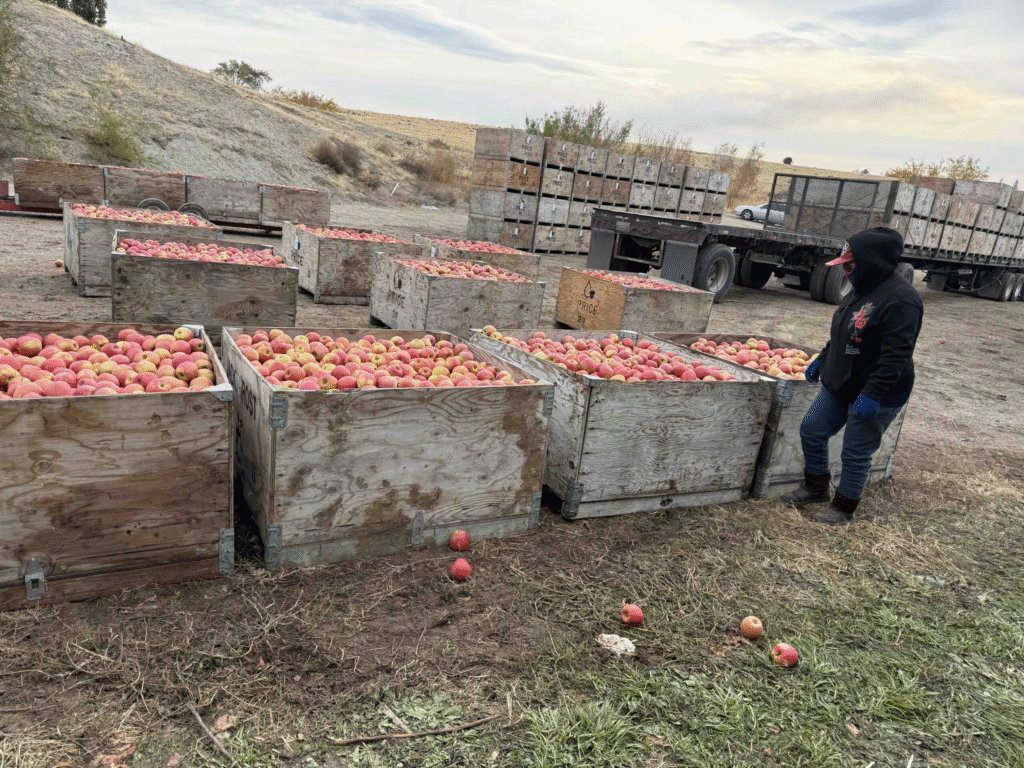
Labor can be the largest expense. Harvesting fruit and nuts is often labor-intensive, and workforce shortages in agricultural regions have increased wage pressure.
Weather risk also plays a major role. A late frost, drought, or wildfire smoke event can affect yields or quality.
Because orchards cannot easily be replanted each year, growers must manage risk through diversification, crop insurance, and long-term contracts.
Regional Success Stories in Specialty Crop Agriculture
Several U.S. regions demonstrate how orchards and specialty crops drive local economies.
California’s Almond Industry
California produces roughly 80% of the world’s almonds. The Central Valley’s combination of Mediterranean climate, irrigation infrastructure, and processing facilities makes it uniquely suited to almond production.
A mature almond orchard can yield 2,000–3,000 pounds per acre annually, depending on weather and management practices.
Washington’s Apple Economy
Washington State accounts for over 60% of U.S. apple production. The region’s dry summers and irrigation from the Columbia River create ideal growing conditions.
Advanced orchard systems now use high-density planting and trellis structures to increase yields and simplify harvesting.
Michigan’s Fruit Belt
Western Michigan’s proximity to Lake Michigan moderates temperatures, protecting orchards from extreme weather. The region produces significant quantities of:
• Tart cherries
• Apples
• Blueberries
• Peaches
These crops support food processing industries, including pie fillings, juices, and frozen fruit products.
Technology Is Changing How Orchards Operate
Modern orchards look very different from those of previous generations. Technology is reshaping how growers manage productivity and environmental sustainability.
Examples of innovation include:
• Precision irrigation systems that deliver water directly to roots
• Drone monitoring to detect plant stress or disease
• Automated harvest equipment for nuts and some fruits
• Soil moisture sensors that optimize water use
• Data analytics for predicting yields and market timing
These technologies help growers reduce waste, conserve water, and improve crop quality.
In water-limited states like California, efficient irrigation can determine whether an orchard remains profitable during drought cycles.
Agritourism and Direct-to-Consumer Revenue
Some orchard operations generate income beyond wholesale produce sales.
Agritourism has become an important revenue stream for farms located near urban areas. Activities include:
• U-pick fruit orchards
• Farm festivals and seasonal events
• Winery tasting rooms
• Farm-to-table dining experiences
• Educational farm tours
For example, apple orchards in the Northeast often host fall harvest festivals, attracting thousands of visitors each season.
Direct sales allow farms to capture higher margins compared with wholesale distribution, though they require marketing, staffing, and visitor infrastructure.
Key Factors When Evaluating Orchard Land
Whether purchasing farmland or investing in an orchard operation, several factors determine long-term viability.
Important considerations include:
• Climate suitability for the crop
• Reliable water access and irrigation rights
• Soil composition and drainage
• Proximity to processing facilities
• Labor availability in the region
• Transportation infrastructure
Experienced investors also analyze crop replacement cycles. Trees eventually decline in productivity, requiring replanting every few decades.
Planning for these transitions is essential for maintaining stable long-term returns.
Frequently Asked Questions
What is considered a specialty crop in the United States?
Specialty crops include fruits, vegetables, nuts, herbs, and horticultural products that require intensive cultivation and generate higher value per acre than commodity crops.
Are orchards profitable investments?
They can be profitable, but returns depend on crop type, location, water access, and market demand. Because orchards require years before reaching full production, they are generally considered long-term investments.
How long does it take for an orchard to produce income?
Most orchards begin producing small harvests within 3–4 years and reach full productivity after about 6–8 years.
What crops generate the highest revenue per acre?
High-value specialty crops such as almonds, pistachios, wine grapes, and blueberries often generate higher revenue per acre than commodity crops.
What are the biggest risks in orchard farming?
Major risks include weather damage, water shortages, labor costs, market price fluctuations, and pest or disease outbreaks.
Why are almond orchards so common in California?
California’s Mediterranean climate, irrigation infrastructure, and established processing industry make it one of the few places in the world capable of large-scale almond production.
Do orchard farms require more labor than row crops?
Yes. Tree fruits and many specialty crops require pruning, thinning, and careful harvesting, making them more labor-intensive than crops like corn or wheat.
Can orchard land be converted back to other farming uses?
Yes, but removing mature trees and reconditioning soil can be expensive and time-consuming.
What role does water play in orchard farming?
Water is critical because permanent crops cannot easily survive drought conditions. Many orchard properties are valued based on irrigation rights.
Are specialty crops growing in demand?
Yes. Consumer trends toward healthier diets and plant-based foods have increased demand for fruits, nuts, and specialty produce.
The Long-Term Nature of Orchard Economics
Orchards and specialty crops represent a unique intersection of agriculture, real estate, and long-term investment planning. Unlike seasonal farming, these operations require patience, expertise, and strategic management.
For growers, the reward comes from building productive ecosystems that generate reliable harvests for decades. For investors, orchard land offers exposure to food supply chains tied directly to consumer demand.
As global food preferences evolve and agricultural technology improves, orchard properties will likely remain one of the most dynamic and valuable segments of American agriculture.
Key Insights at a Glance
• Specialty crops generate roughly half of U.S. crop cash receipts
• Orchard farms require significant upfront investment
• Trees may take 5–8 years to reach full production
• Consumer demand for fruits and nuts continues to grow
• Water access is one of the most important land valuation factors
• Technology is improving orchard productivity and sustainability
• Agritourism provides additional income opportunities for many farms
 Robert Weber