

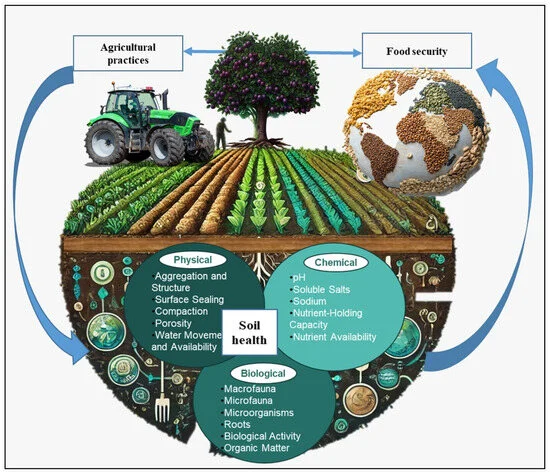
Summary
Agricultural land conservation plays a critical role in protecting food systems, ecosystems, and rural economies while also providing stable long-term investment opportunities. This guide explores how farmland preservation works in the United States, why investors are increasingly interested in agricultural land, and the strategies landowners use to balance conservation goals with long-term financial returns.
Why Agricultural Land Conservation Matters in the United States
Agricultural land conservation refers to policies, practices, and ownership strategies designed to preserve farmland for agricultural use while preventing unnecessary development or environmental degradation. In the United States, farmland is under continuous pressure from urban expansion, infrastructure growth, and land speculation.
According to the American Farmland Trust, the U.S. lost over 11 million acres of agricultural land between 2001 and 2016, much of it converted into housing, roads, and commercial development. This trend raises long-term concerns about food production, rural economies, and natural resource management.
Preserving farmland helps maintain:
- Domestic food production capacity
- Rural employment and agricultural economies
- Wildlife habitats and biodiversity
- Water resources and soil quality
From an investment perspective, agricultural land also offers characteristics that appeal to long-term investors: limited supply, tangible value, and consistent demand driven by global food needs.
The Investment Case for Agricultural Land
Agricultural land has historically been considered a stable asset class. Unlike many financial investments, farmland produces income while often appreciating in value over time.
The USDA’s Economic Research Service reports that U.S. farmland values have shown long-term upward trends, even during periods of economic volatility. Investors ranging from family landowners to institutional funds are increasingly viewing farmland as a strategic portfolio component.
Several factors contribute to farmland’s investment appeal.
1. Finite Supply
Land cannot be manufactured. As population growth continues and development expands, the supply of available farmland becomes increasingly limited.
2. Income Through Agricultural Production
Farmland generates revenue through:
- Leasing land to farmers
- Crop production
- Livestock operations
- Specialty agriculture such as orchards or vineyards
3. Inflation Hedge
Land values and agricultural commodity prices often rise alongside inflation, helping farmland retain purchasing power.
4. Portfolio Diversification
Agricultural land tends to move independently from stock markets and other traditional assets, providing diversification benefits.
Conservation Tools That Protect Agricultural Land
Across the United States, several programs and legal structures help ensure farmland remains dedicated to agriculture.
Conservation Easements
A conservation easement is a voluntary legal agreement that permanently limits certain types of development on a property while allowing farming activities to continue.
Landowners retain ownership but agree to restrictions that protect the land’s agricultural or ecological value.
Benefits often include:
- Federal and state tax incentives
- Estate planning advantages
- Long-term protection of farmland
Organizations such as land trusts or local governments typically manage these agreements.
Agricultural Zoning
Local zoning regulations can designate land specifically for agricultural use, limiting residential or commercial development.
These policies help maintain large contiguous farming areas, which are important for operational efficiency and rural economies.
Farmland Preservation Programs
Many states operate farmland preservation programs that compensate landowners for permanently protecting agricultural land.
Examples include:
- Pennsylvania Agricultural Conservation Easement Purchase Program
- Maryland Agricultural Land Preservation Foundation
- California Farmland Conservancy Program
These initiatives help farmers maintain ownership while ensuring the land remains productive farmland.
Sustainable Farming and Its Influence on Land Value
Conservation strategies often intersect with sustainable farming practices. Investors and landowners increasingly recognize that environmentally responsible land management can enhance both productivity and long-term land value.
Key sustainable practices include:
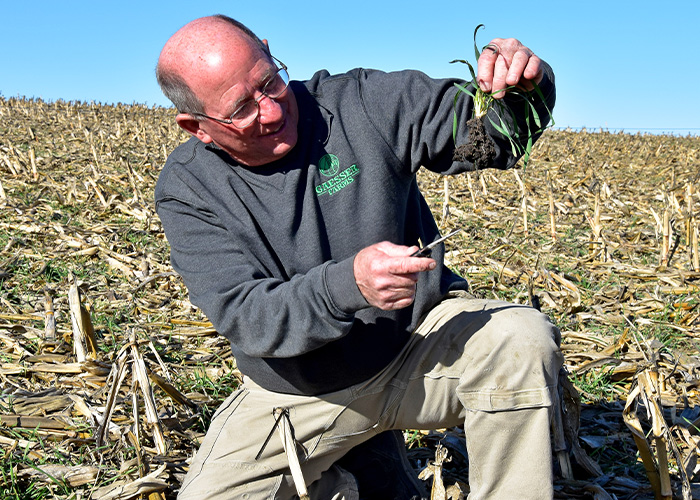
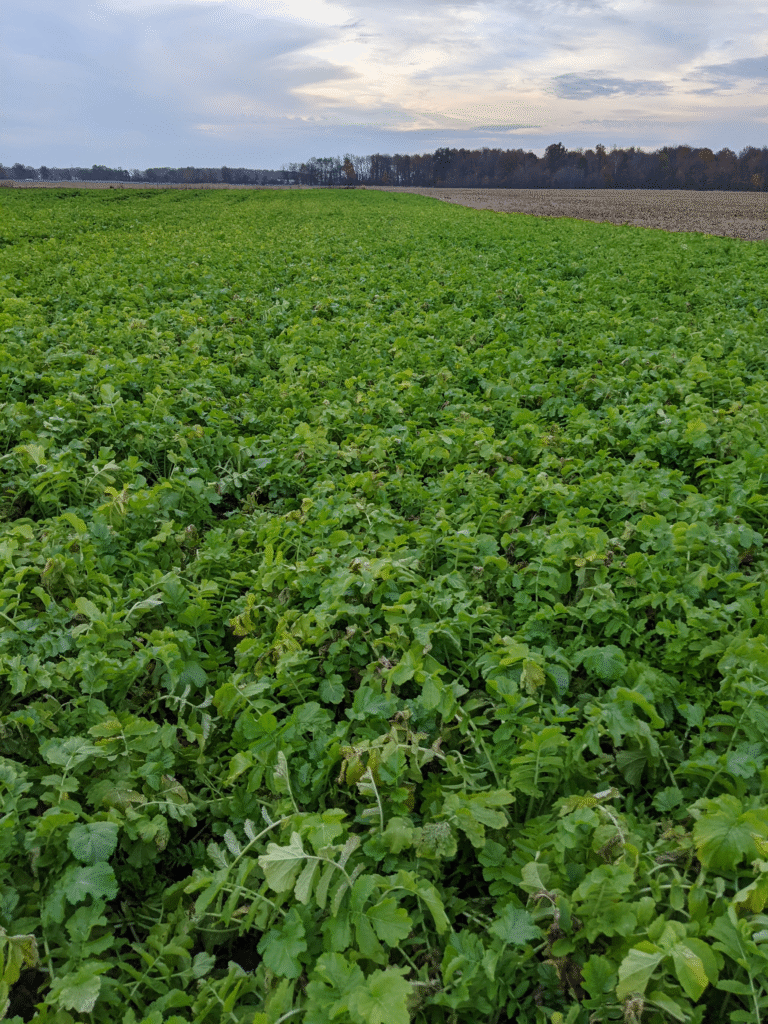
- Soil conservation techniques such as cover cropping
- Water-efficient irrigation systems
- Crop rotation and regenerative farming
- Habitat protection for pollinators and wildlife
Healthy soil and well-managed ecosystems improve crop yields, reduce input costs, and maintain land productivity over decades. For long-term investors, these practices protect the fundamental value of the land asset.
Long-Term Investment Strategies for Agricultural Land
Investing in farmland requires a strategic approach that balances financial returns with responsible land stewardship.
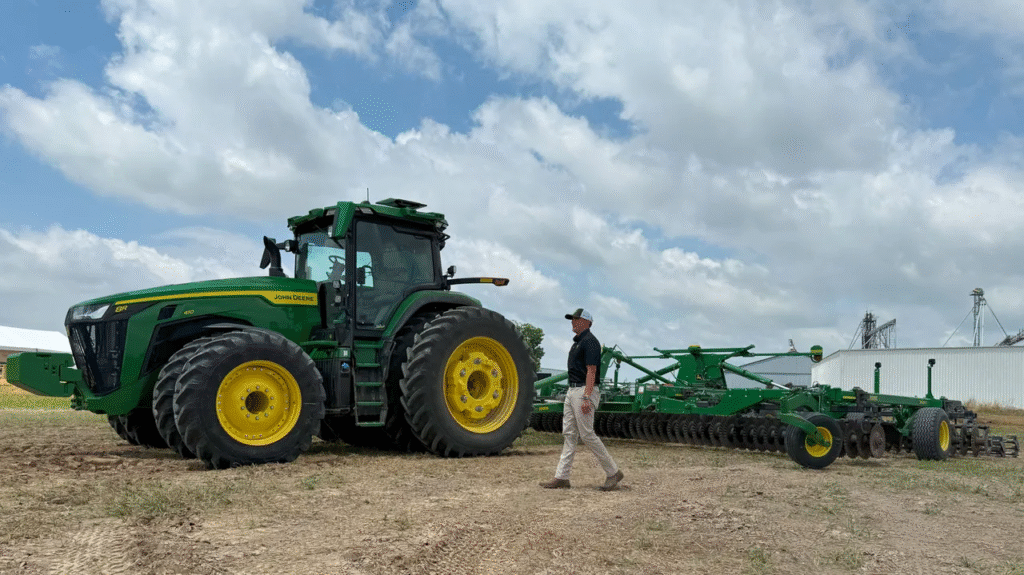
1. Leasing Land to Experienced Farmers
Many landowners generate income by leasing farmland to local operators.
Common leasing structures include:
- Cash rent agreements – Fixed annual payments
- Crop-share agreements – Landowners receive a percentage of harvest revenue
This approach allows investors to benefit from agricultural income without managing daily farm operations.
2. Diversifying Agricultural Uses
Different types of agricultural production can produce different revenue streams.
For example:
- Row crops such as corn and soybeans
- Specialty crops like berries or nuts
- Orchards or vineyards
- Livestock grazing
Diversification can reduce financial risk if commodity prices fluctuate.
3. Investing in Infrastructure Improvements
Strategic upgrades can improve productivity and property value.
Examples include:
- Irrigation systems
- Grain storage facilities
- Farm roads and drainage systems
- Soil improvement projects
While these improvements require upfront investment, they can significantly enhance long-term returns.
4. Partnering With Conservation Organizations
Many investors collaborate with land trusts or conservation organizations to protect farmland while maintaining financial viability.
These partnerships can provide:
- Conservation funding
- Technical land management expertise
- Tax advantages
Agricultural Land as a Multi-Generational Asset
Unlike many investment assets, farmland is often held for decades or even generations. Many American farming families treat land ownership as both an economic resource and a legacy.
Long-term ownership offers several advantages:
- Gradual land appreciation
- Stable income from leases or agricultural operations
- Estate planning benefits
- Long-term environmental stewardship
In some regions, farmland has remained productive and valuable for over a century under continuous family ownership.
Risks and Considerations for Farmland Investors
While agricultural land offers stability, investors should understand several risks before purchasing farmland.
Commodity Price Volatility
Agricultural revenue depends partly on commodity markets, which can fluctuate due to global supply and demand.
Climate and Weather Risks
Droughts, floods, and extreme weather events can affect agricultural productivity.
Operational Expertise
Successful agricultural management requires knowledge of farming practices, local markets, and land conditions.
Regulatory Changes
Environmental regulations, zoning changes, or water rights policies may affect land use.
Careful due diligence—including soil testing, water access evaluation, and local market analysis—is essential before investing in agricultural land.
Frequently Asked Questions
What is agricultural land conservation?
Agricultural land conservation refers to policies and practices that protect farmland from development while preserving its ability to produce food and agricultural products.
Why is farmland considered a good long-term investment?
Farmland provides both income and long-term appreciation. Its limited supply and essential role in food production help support stable demand.
What is a conservation easement?
A conservation easement is a legal agreement that limits development on a property while allowing agricultural use to continue.
How do farmland investors make money?
Income typically comes from leasing land to farmers, crop production, livestock operations, or specialty agricultural uses.
Does conserved farmland lose investment value?
Not necessarily. While development options may be limited, conservation easements can stabilize land value and provide tax benefits.
How much farmland is lost to development each year?
Studies by the American Farmland Trust estimate that the U.S. loses roughly two thousand acres of farmland per day to development.
Can individuals invest in farmland without farming themselves?
Yes. Many investors lease land to experienced farmers or participate through farmland investment funds.
What factors influence farmland value?
Important factors include soil quality, water availability, location, crop productivity, infrastructure, and market access.
Is farmland resilient during economic downturns?
Historically, farmland has shown lower volatility than many financial assets because food production remains essential regardless of economic cycles.
How can landowners protect farmland for future generations?
Landowners often use conservation easements, agricultural trusts, or estate planning strategies to ensure farmland remains productive for future generations.
Land Stewardship and Investment Legacy
Agricultural land conservation is not only about protecting farmland—it is also about securing long-term economic and environmental value. Responsible investment strategies can ensure farmland remains productive, profitable, and sustainable for decades.
For investors, farmers, and policymakers alike, the goal is to balance financial returns with stewardship. When farmland is managed carefully and protected from unnecessary development, it continues to support rural communities, food systems, and ecological health for generations.
Key Insights for Landowners and Investors
- Farmland remains a scarce and valuable asset in the United States
- Conservation easements and zoning protections help preserve agricultural land
- Leasing farmland provides stable income for investors
- Sustainable farming practices protect long-term land productivity
- Agricultural land can serve as a multi-generational financial asset
 Robert Weber