


Summary
Real estate transactions in the United States involve complex contracts, regulatory requirements, and financial risks. Real estate legal services help buyers, sellers, developers, and investors navigate these complexities with confidence. From contract review to zoning compliance and dispute prevention, experienced legal guidance protects property rights, minimizes costly mistakes, and ensures that real estate deals move forward smoothly and legally.
Real estate transactions are often described as straightforward exchanges: a buyer agrees on a price, paperwork is signed, and ownership changes hands. In reality, property deals in the United States involve layers of legal obligations, financial commitments, and regulatory compliance.
From residential home purchases to commercial developments, nearly every property transaction includes contracts, disclosures, title verification, zoning regulations, and financing agreements. Missing a single detail can lead to delays, disputes, or unexpected financial losses.
Real estate legal services exist to protect the interests of everyone involved in a property transaction. Attorneys specializing in property law provide the legal insight necessary to interpret contracts, manage risks, and ensure that deals comply with federal, state, and local regulations.
In an industry where transactions regularly involve hundreds of thousands—or even millions—of dollars, professional legal guidance plays a central role in maintaining stability and trust in the market.
What Real Estate Legal Services Include
Real estate legal services cover a wide range of tasks that occur before, during, and after property transactions.
While the exact scope depends on the complexity of the deal, real estate attorneys typically assist with documentation, due diligence, negotiations, and dispute resolution.
Common legal services include:
- Contract drafting and review
- Title examination and title insurance coordination
- Property disclosure compliance
- Zoning and land-use analysis
- Negotiation support during transactions
- Closing documentation review
- Property dispute resolution
- Lease agreement preparation
- Real estate development compliance
These services help ensure that all parties understand their rights and responsibilities before a transaction becomes legally binding.
According to the American Bar Association, legal oversight is particularly important in high-value property deals, commercial transactions, and development projects where multiple regulations may apply.

Why Property Deals Are Legally Complex
Real estate transactions appear simple on the surface but often involve several legal layers.
For example, when purchasing a residential property, the buyer must confirm that the seller has a clear title, verify property boundaries, review inspection reports, and understand disclosure requirements regarding structural or environmental issues.
Commercial real estate transactions introduce even greater complexity.
They may include:
- Environmental liability concerns
- Tenant lease obligations
- Local zoning restrictions
- Financing structures involving lenders and investors
- Compliance with municipal development regulations
Even agricultural and industrial property deals can involve land-use restrictions, easements, water rights, or environmental regulations.
Without proper legal review, these issues may not become visible until after the transaction closes.
How Legal Guidance Protects Buyers
Homebuyers and investors often assume that real estate agents or title companies handle all legal risks associated with a purchase. While these professionals play important roles, they do not replace legal representation.
Real estate attorneys focus specifically on protecting the buyer’s legal interests.
For buyers, legal professionals help with:
- Reviewing purchase agreements before signing
- Identifying hidden clauses or unfavorable conditions
- Confirming that property titles are clear
- Verifying zoning compatibility with intended use
- Ensuring accurate property disclosures
For example, a buyer purchasing land to build a small apartment complex may discover through legal review that the property is zoned only for single-family homes. Without this review, the buyer might face costly rezoning challenges or abandon the project entirely.
Legal guidance helps prevent these situations before financial commitments are finalized.

Legal Support for Sellers
Sellers also benefit significantly from professional legal oversight.
Selling property involves legal disclosures, tax implications, and contract obligations that can affect liability long after the transaction is complete.
A real estate attorney can help sellers:
- Draft legally compliant sales contracts
- Ensure required property disclosures are completed
- Address title issues before listing
- Resolve boundary or easement concerns
- Review closing documents
Failure to disclose certain property defects can lead to post-sale lawsuits. In many states, sellers are legally required to disclose known issues such as structural damage, flooding history, or environmental hazards.
Legal professionals help ensure that sellers meet these requirements and avoid disputes later.
Real Estate Legal Services in Commercial Transactions
Commercial real estate deals involve significantly more legal complexity than residential transactions.
These deals may include office buildings, retail centers, industrial facilities, or large development projects. Each property may involve multiple stakeholders, including investors, lenders, developers, and tenants.
Legal professionals help manage these moving parts by addressing issues such as:
- Lease structure and tenant obligations
- Financing agreements with lenders
- Development permits and municipal approvals
- Environmental assessments
- Construction contracts
- Property management agreements
For example, when a developer purchases land for a new retail center, attorneys review zoning regulations, negotiate construction contracts, and ensure compliance with local development codes.
Without legal guidance, even a small regulatory oversight can delay construction timelines or result in costly penalties.
The Role of Attorneys in Property Closings
A property closing is the final step where ownership officially transfers from seller to buyer.
While closings may appear procedural, they involve legally binding documents that must be reviewed carefully.
Real estate attorneys often assist with:
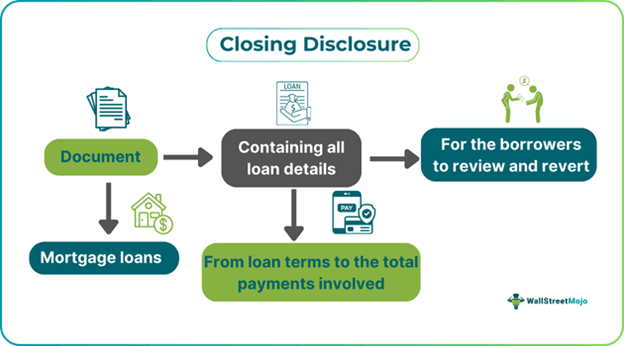
- Reviewing closing statements
- Confirming financial accuracy
- Ensuring contract terms are fulfilled
- Verifying title insurance documentation
- Addressing last-minute legal concerns
Some states, including New York, Massachusetts, and Georgia, require attorney involvement during property closings to ensure legal compliance.
Even in states where it is optional, many buyers and sellers choose to involve attorneys because of the financial stakes involved.
Preventing Disputes Before They Happen
One of the most valuable aspects of real estate legal services is dispute prevention.
Property disputes can arise from unclear contracts, boundary disagreements, zoning violations, or construction conflicts. These disputes often result in lengthy and expensive litigation.
Legal professionals reduce these risks by identifying potential issues early in the process.
Common disputes that attorneys help prevent include:
- Boundary line conflicts
- Easement misunderstandings
- Contract interpretation disagreements
- Title defects
- Construction contract disputes
Preventing legal conflicts before they occur saves time, money, and stress for everyone involved in a property deal.
When Real Estate Legal Services Are Especially Important
While not every small residential transaction requires extensive legal involvement, there are situations where professional legal guidance becomes essential.
Examples include:
- Purchasing investment properties
- Buying undeveloped land
- Commercial property transactions
- Real estate development projects
- Foreclosure or distressed property purchases
- Complex financing arrangements
- Property ownership disputes
In these situations, legal professionals help clients navigate regulations, reduce financial risk, and ensure that projects move forward smoothly.
Costs of Real Estate Legal Services
The cost of hiring a real estate attorney varies depending on the complexity of the transaction and the region.
Common fee structures include:
- Hourly rates ranging from $150 to $500
- Flat fees for residential closings
- Project-based fees for development transactions
According to industry estimates, legal services typically represent a small percentage of the overall transaction value. However, they can prevent mistakes that might cost significantly more.
For example, identifying a title issue before closing can prevent ownership disputes that might otherwise lead to litigation or loss of property rights.
How to Choose a Real Estate Attorney
Selecting the right legal professional is an important step in protecting your interests during a property transaction.
When evaluating potential attorneys, consider:
- Experience in real estate law
- Familiarity with local zoning regulations
- Experience with similar property types
- Transparent fee structures
- Strong communication and responsiveness
Working with an attorney who regularly handles real estate transactions ensures that legal issues are addressed efficiently and accurately.
Frequently Asked Questions
Do I need a real estate attorney to buy a house in the U.S.?
In many states it is optional, but legal representation can help review contracts, identify risks, and ensure compliance with local property laws.
What does a real estate attorney do during a closing?
They review closing documents, verify financial accuracy, ensure contract obligations are fulfilled, and confirm that ownership transfer is legally valid.
How much does a real estate attorney cost?
Costs vary by location and complexity. Residential closings may involve flat fees, while commercial deals often involve hourly billing.
Can a real estate attorney help resolve property disputes?
Yes. Attorneys can negotiate settlements, clarify contract terms, and represent clients in mediation or litigation if disputes arise.
Is a real estate lawyer different from a real estate agent?
Yes. Real estate agents focus on marketing and negotiating property deals, while attorneys provide legal advice and ensure legal compliance.
Do commercial real estate deals require legal representation?
While not always mandatory, commercial transactions almost always involve attorneys because of the complex contracts and regulations involved.
What is title review in real estate?
Title review confirms that the seller legally owns the property and that no liens, claims, or legal restrictions affect ownership transfer.
Can legal services help with zoning issues?
Yes. Real estate attorneys can analyze zoning laws and help clients apply for zoning changes or permits when needed.
Are real estate attorneys necessary for investment properties?
Many investors work with attorneys to structure contracts, review financing agreements, and protect long-term property rights.
When should I hire a real estate attorney?
Ideally early in the transaction process—before signing contracts or making major financial commitments.
A Legal Perspective on Secure Property Transactions
Real estate deals often represent some of the most significant financial decisions individuals and businesses make. Professional legal guidance provides an essential layer of protection in these transactions, helping ensure that contracts are fair, property rights are clear, and regulatory requirements are satisfied.
By identifying risks early and providing clear legal oversight, real estate attorneys help create smoother transactions and more secure property ownership.
Key Insights at a Glance
- Real estate transactions involve complex legal documentation and regulatory requirements
- Legal professionals review contracts, titles, and zoning compliance
- Attorneys help prevent disputes before they escalate
- Commercial and development projects often require extensive legal oversight
- Professional legal services help protect both buyers and sellers from costly mistakes
 Robert Weber