

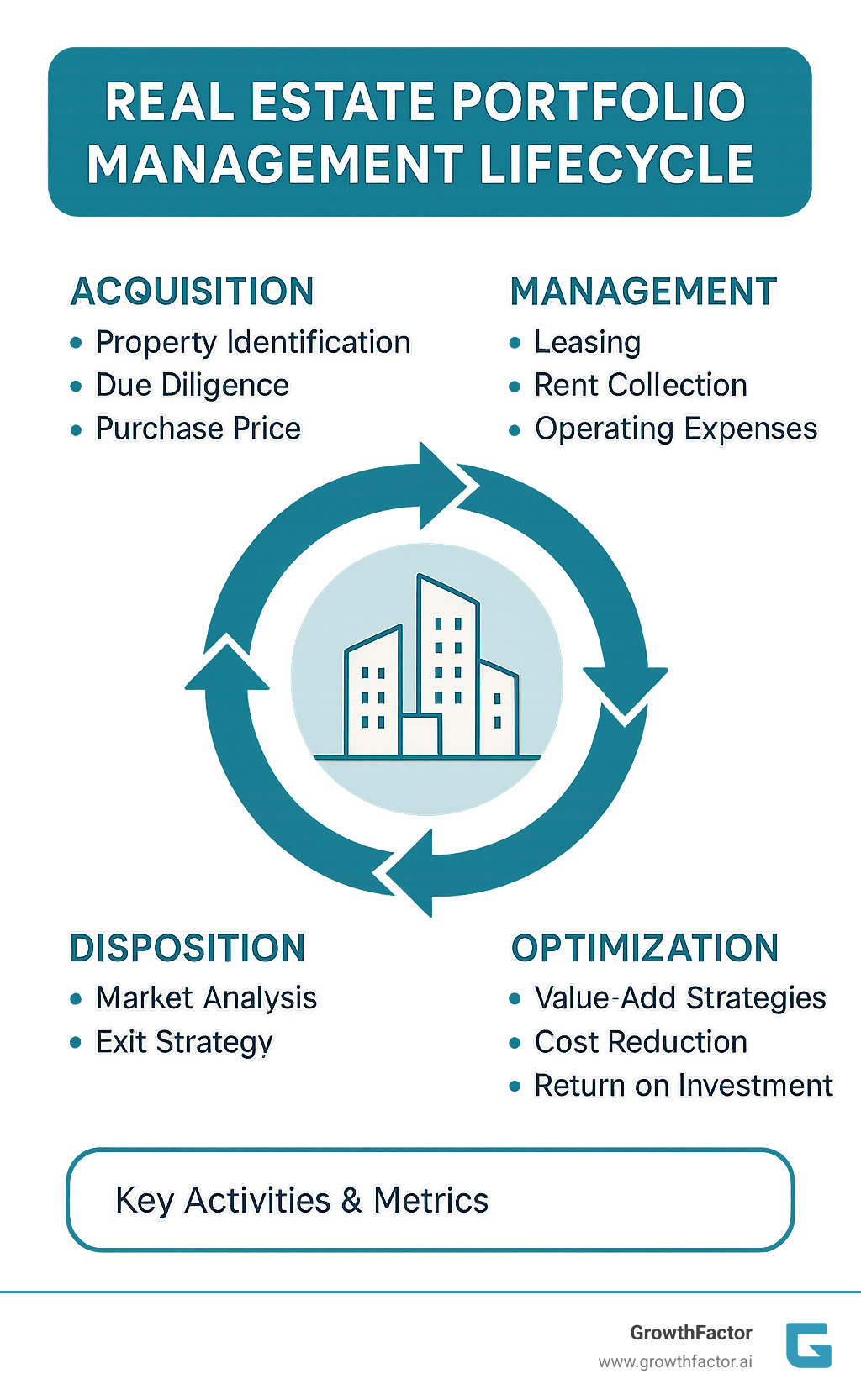
Summary
Professional property management has become an essential component of modern real estate investing. As rental markets grow more complex, investors increasingly rely on experienced managers to handle tenant relations, compliance, maintenance, and financial oversight. Effective property management not only reduces operational stress but also protects long-term property value, improves tenant retention, and helps investors scale portfolios more efficiently.
Understanding the Expanding Role of Property Management
For many investors, real estate once seemed straightforward: purchase a property, find tenants, collect rent, and maintain the building. In today’s market, however, property ownership involves a far broader set of responsibilities. Rental regulations are more detailed, tenant expectations are higher, and operational demands can quickly overwhelm investors managing multiple properties.
Professional property management companies have emerged as key partners in navigating this complexity. Their role goes far beyond collecting rent or coordinating repairs. Experienced managers act as operational leaders who oversee leasing, compliance, maintenance planning, and tenant communication while ensuring that the property performs as a long-term investment asset.
The importance of professional management has grown alongside the expansion of rental housing in the United States. According to the U.S. Census Bureau, roughly 36% of American households are renters, representing millions of housing units that require ongoing management. Investors—especially those with growing portfolios—often rely on management professionals to maintain operational stability and financial performance.
Why Property Management Matters More Than Ever
Several trends in the U.S. real estate market have elevated the importance of professional property management.
1. Increasing Regulatory Complexity
Local and state housing regulations continue to evolve. Landlords must navigate requirements related to tenant rights, security deposits, eviction procedures, habitability standards, and fair housing laws.
Professional property managers monitor these regulations closely and help investors stay compliant. This reduces the risk of costly legal disputes or fines that could undermine the profitability of an investment.
For example, cities such as New York, Los Angeles, and Seattle have introduced expanded tenant protection policies that significantly impact how rental properties are managed. Investors unfamiliar with local rules can quickly face compliance challenges.
2. Tenant Expectations Have Changed
Modern renters expect responsive communication, reliable maintenance, and digital convenience. Online rent payments, maintenance request portals, and prompt service have become standard expectations in many markets.
Property management companies often implement systems that make these services routine. By improving the tenant experience, managers help reduce turnover—one of the most expensive challenges for rental property owners.
When tenants renew leases rather than move out, investors avoid:
- Vacancy periods
- Marketing and leasing costs
- Cleaning and renovation expenses
- Lost rental income
3. Portfolio Growth Requires Operational Structure
Many investors begin with a single rental property but eventually expand into larger portfolios. Managing multiple properties across different locations quickly becomes time-intensive.
Professional management firms provide scalable infrastructure that allows investors to grow their portfolios without becoming overwhelmed by operational tasks.
Their services often include:
- Tenant screening and leasing
- Rent collection and financial reporting
- Maintenance coordination
- Vendor management
- Property inspections
- Compliance oversight
This operational support allows investors to focus on acquisition strategy and long-term planning rather than daily management tasks.

Financial Performance and Risk Management
Professional property management can have a direct impact on an investment’s financial performance.
While management fees typically range from 8% to 12% of monthly rental income, many investors find that professional oversight ultimately improves net returns through more efficient operations.
Experienced property managers contribute to financial performance in several ways.
Optimized Rent Pricing
Managers track local market data to ensure rental rates remain competitive while maximizing revenue. Pricing properties too high can lead to prolonged vacancies, while pricing too low reduces potential income.
Professional market analysis helps strike the right balance.
Reduced Vacancy Rates
Vacant units represent lost income. Property management companies often maintain established marketing systems and tenant pipelines that allow them to fill vacancies more quickly.
Their leasing processes typically include:
- Professional listings
- Digital marketing platforms
- Scheduled showings
- Tenant qualification procedures
This structured approach helps shorten vacancy periods.
Preventative Maintenance
Unexpected repairs can significantly impact investment returns. Property managers typically coordinate preventative maintenance programs that identify issues early and reduce the risk of expensive emergencies.
Examples include:
- HVAC system inspections
- Plumbing checks
- Roof and structural assessments
- Safety compliance inspections
Preventative care protects both the property and the investor’s financial outlook.

The Operational Advantages of Professional Management
Beyond financial outcomes, property managers provide operational stability that many investors value.
Consistent Tenant Screening
Tenant selection has a major influence on property performance. Poor screening can lead to missed payments, property damage, or legal disputes.
Professional management companies typically conduct:
- Credit history reviews
- Employment verification
- Rental history checks
- Background screening
This process helps identify reliable tenants who are more likely to fulfill lease obligations.
Reliable Vendor Networks
Maintenance and repairs require trusted contractors. Property managers usually maintain established vendor relationships, which helps ensure quality work and timely service.
This network often includes:
- Electricians
- Plumbers
- HVAC specialists
- Cleaning services
- Landscaping companies
Because managers work with vendors regularly, they may also secure more favorable pricing.
Detailed Financial Reporting
Professional managers provide structured financial reporting that helps investors understand the performance of their properties.
Reports often include:
- Monthly income statements
- Expense tracking
- Maintenance costs
- Tax documentation
- Annual performance summaries
This level of reporting supports better investment decisions and simplifies tax preparation.
Real-World Example: Scaling a Rental Portfolio
Consider a small investor who initially owns two rental homes in suburban Texas. Managing these properties independently may be manageable at first. However, as the investor expands to five or ten properties across different neighborhoods, coordination becomes significantly more complex.
Tenant calls, maintenance scheduling, rent collection, and accounting can quickly become a full-time responsibility.
By partnering with a professional property management firm, the investor gains access to an established operational structure. Leasing becomes more consistent, maintenance is handled efficiently, and financial reports provide clear insight into portfolio performance.
Many investors view this transition as a critical step in scaling their real estate businesses.
When Should Investors Consider Property Management?
Not every investor needs professional management immediately. However, certain circumstances often signal that it may be time to consider it.
Common indicators include:
- Owning multiple rental properties
- Investing in out-of-state markets
- Limited time for property oversight
- Frequent tenant turnover
- Increasing regulatory complexity
Investors who live far from their properties often benefit particularly from management services, as local managers can handle urgent maintenance and tenant issues more effectively.
Choosing the Right Property Management Company
Selecting a management partner requires careful evaluation. Investors should treat the process as a long-term business decision.
Important factors to consider include:
- Experience managing similar property types
- Knowledge of local rental regulations
- Transparent fee structures
- Technology platforms for reporting and communication
- Tenant placement and screening procedures
- Maintenance coordination systems
Interviewing multiple companies and requesting references can provide valuable insight into how each firm operates.
How Technology Is Reshaping Property Management
Technology has significantly expanded the capabilities of modern property management.
Many firms now rely on digital platforms that streamline operations and improve communication between investors, tenants, and service providers.
Common tools include:
- Online rent payment systems
- Tenant communication portals
- Maintenance tracking platforms
- Financial reporting dashboards
- Digital lease management
These systems increase transparency and reduce administrative inefficiencies, benefiting both property owners and tenants.

Frequently Asked Questions
What does a professional property management company do?
Property managers oversee daily operations of rental properties, including leasing, tenant screening, maintenance coordination, rent collection, compliance management, and financial reporting.
How much does property management typically cost?
Most property management companies charge 8% to 12% of monthly rental income, though fees can vary depending on location, property type, and services provided.
Is property management worth the cost for small investors?
For investors with limited time or multiple properties, professional management can improve efficiency, reduce vacancy, and help maintain long-term property value.
Can property managers help with tenant disputes?
Yes. Experienced managers handle tenant communication and conflict resolution while ensuring actions comply with local housing regulations.
Do property managers handle maintenance and repairs?
Most management companies coordinate maintenance through established vendor networks and oversee repair requests from tenants.
How do property managers screen tenants?
Tenant screening usually includes credit checks, employment verification, rental history review, and background screening.
Can property managers help investors grow their portfolios?
Yes. By handling operational responsibilities, managers allow investors to focus on property acquisition and long-term strategy.
What types of properties do management companies oversee?
Property managers commonly oversee single-family rentals, apartment buildings, multi-family units, and some commercial properties.
Are property managers responsible for legal compliance?
While investors remain legally responsible for their properties, professional managers help ensure compliance with housing regulations and lease requirements.
Can investors switch property management companies?
Yes. Most management contracts include termination clauses that allow investors to transition to a new company if needed.
A Strategic Shift in How Investors Operate
Real estate investing increasingly resembles a structured business rather than a passive side venture. As rental markets expand and operational expectations grow, professional property management has become a strategic resource rather than a convenience.
For many investors, working with experienced managers allows them to protect property value, maintain tenant satisfaction, and pursue long-term portfolio growth with greater confidence.
Key Insights for Property Investors
- Professional management helps investors handle complex regulations and tenant expectations.
- Efficient leasing and tenant retention can significantly reduce vacancy costs.
- Preventative maintenance protects property value and lowers long-term repair expenses.
- Structured financial reporting improves visibility into investment performance.
- Property management enables investors to scale portfolios without operational overload.
 Robert Weber